
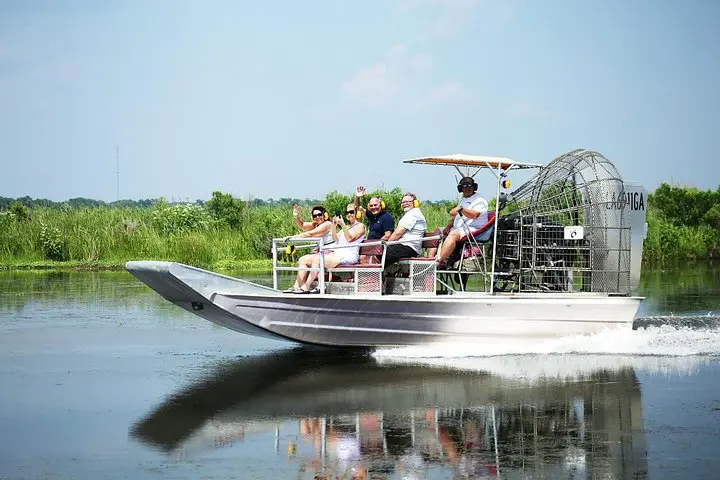
What the day feels like
You feel it before you see it: a low rumble that becomes a wind, then a spray of warm river-scented air that finds the corners of your jacket. The airboat lifts and glides, cypress knees and Spanish moss sliding past like green, unhurried sentinels. Around you the swamp breathes—an old, patient rhythm—while a local guide points out a sunning alligator half-hidden in a shadow pocket and the silver flash of an egret taking wing. This is not a theme-park thrill so much as an intimate introduction to a living landscape, one best taken slow enough to notice the small things but fast enough to feel the pulse of the place.
The bayous and cypress swamps that fringe New Orleans are part history lesson, part geology class, and all theater. These waterlogged forests are the delta’s lungs, sculpted over millennia by the Mississippi and its distributaries. The low, squat trees with buttressed trunks tell a story of seasonal flooding; their knees lace the shallows like a natural fence. The human story here is layered too: indigenous cultures, French and Spanish settlers, the smugglers and fishermen who gave the region its folklore, and the names that stick—Jean Lafitte, the legendary privateer whose name now brands the national historical park nearby.
On a six-passenger airboat, the scale of the experience changes. Small-group tours mean the guide’s voice reaches you in a way it can’t from a bus. You hear the natural cadence of the swamp—the drip of water from leaves, the click of a heron’s bill—and you learn to read the cues: where otters slide through reed beds, where turtles stack like rounded stones, where the alligators adopt a lazy, efficient geometry. Guides on the New Orleans Premium Six-Passenger Airboat Adventure are storytellers and biologists by trade, offering context on everything from local bird migration to why the cypress has adapted to standing in salt and fresh water alike.
This is also an accessible adrenaline: the airboat’s roar and feathered wake add a playful exterior to a deeply ecological interior. The boat can skirt sinuously through narrow channels and open up into wide marshes where sunlight pools. That dynamism is part of the draw; it keeps viewers close to wildlife without disturbing the habitat, and it turns the swamp into a kind of theater where every bend reveals a new tableau.
Why go on this tour rather than a larger boat ride or a fixed-boardwalk preserve visit? For one, proximity. The small group size on this tour keeps encounters intimate and photography unobstructed. For another, timing and logistics. Tours run mornings and afternoons, and many operators include hotel pickup, which turns what could be a complicated day trip into something simple and immediate. Whether you’re chasing the low light of dawn or the mellow warmth of late afternoon, the timing changes both wildlife behavior and the color palette of the swamp.
Practicalities matter here. Expect to be on the water for two to four hours, depending on the chosen departure and route. The boats are open, so weather and bugs are part of the equation; bring layered clothing, sun protection, and insect repellent. Guides brief every passenger before boarding on safety, wildlife etiquette, and where to point a lens without stressing an animal.
If you want to make the most of the visit, think like a naturalist but travel like an experienced day-tripper. Bring binoculars, a mid-telephoto lens for animal portraits, and a lightweight fleece for mornings. Listen to the guide—local knowledge will turn a vague blob into a slid-open oyster of meaning. And if you have mobility concerns or are traveling with small kids, the six-passenger setup makes this a far more manageable outing than some longer, crowd-filled tours.
Sustainable travel matters in fragile systems like these. The best operators adhere to strict wildlife distances, avoid feeding animals, and exit areas without disturbing nests or fragile shoreline vegetation. The swamp is resilient but not invincible; erosion, subsidence, and human development continue to threaten the delta. Touring responsibly means enjoying the place while leaving it intact for the next boatload.
Practical booking is straightforward: this small-group trip is available with instant confirmation and free cancellation, and pricing starts from a competitive rate for an intimate, interpretive experience. For detailed scheduling, pickup options, and to book directly with a local operator who specializes in small-group swamp runs, check the New Orleans airboat bayou adventure listing at https://app.advcollective.com/local-experts/new-orleans-airboat-bayou-adventure-six-passenger-swamp-tour. That link connects you to local guides who know when birds are most active, where turtles haul out, and which channels show the best reflections for photography.
When you step back onto dry ground you’ll have a clearer sense of why the bayou feels so central to New Orleans culture—foodways, music, and folklore all draw on this watery edge. Whether you’re traveling with family, marking a first trip to the Gulf Coast, or slipping in a day of wild contrast between jazz-club nights, this airboat outing is a compact, memorable way to experience Louisiana’s swamp country. It’s a trip designed to teach you how to read a landscape, see into a fragile ecosystem, and come away with memories sharper than any postcard.
Trail wisdom
Small choices, better day.
Choose the cooler window
Morning departures tend to be quieter and cooler for wildlife viewing and photos
Bring insect protection
Use DEET or picaridin and consider a permethrin-treated layer to minimize bites
Pack a small dry bag
Protect phones and lenses from spray and wake when the boat picks up speed
Listen to your guide
Local guides know animal behavior patterns and the safest viewing distances
Local knowledge
Read the place, not just the route.
Watch for native species including American alligator, Great egret.
Keep an eye out for wildlife during the transition between areas and habitats. Respect distance guidelines.
Erosion and subsidence threaten the delta; responsible operators avoid disturbing shoreline vegetation and maintain safe distances from wildlife to reduce stress.
Follow the guide's instructions on size limits, ethical handling, and leave-no-trace practices.
Quiet side channels where otters are often seen at dawn. Small fishing encampments and historic levee sites with local stories
Locally recommended viewpoints and quiet spots known best to local operators.
The bayou region has long been a crossroads of Native, French, Spanish, and Creole cultures, with Jean Lafitte's name tied to coastal smuggling lore.
Maritime roots and regional tradition shape the waterways and working coasts.
Seasonal guide
Four versions of the same landscape.
Spring
Best forBird migration · Mild temperatures · Floral growth
ChallengesVariable rain showers · Higher bug activity late spring
Spring brings migratory birds and comfortable temperatures, making it one of the best seasons for combined wildlife and landscape viewing.
Summer
Best forLush greenery · Warm water · Active reptiles
ChallengesHigh heat and humidity · Peak mosquito season
Summer is vibrant and green but expect heat, humidity, and more insects; early morning tours are recommended.
Fall
Best forMild weather · Lower humidity · Good light for photos
ChallengesHurricane season overlaps early fall · Unpredictable storms
Fall offers pleasant conditions and sharp light; just watch weather forecasts during hurricane season.
Winter
Best forCool, clear days · Fewer bugs · Crisper wildlife visibility
ChallengesCool mornings · Shorter daylight windows
Winter brings clearer skies and fewer insects, making it ideal for crisp views and comfortable boating.
Operator details
What the booking data adds.
Included
- ✓Local guide
- ✓Airboat ride
- ✓Small storage space under seat
- ✓Roundtrip transportation (if option with transport is selected at time of booking.)
- ✓Ear protection
- ✓Unobstructed views
Not included
- —Food and drinks (gift shop and bar available on site)
- —Gratuities
Good to know
- ✓Not recommended for travelers with spinal injuries
- ✓Not recommended for travelers with poor cardiovascular health
- ✓Not recommended for pregnant travelers
- ✓Suitable for all physical fitness levels
- ✓Operates in all weather conditions (sunny or rainy); please dress appropriately
- ✓Minimum age is 5 years
- ✓Reservations booked separately will NOT be guaranteed to be on the same boat
- ✓Taxi & Ride Share services not available in our area
- ✓We offer a full refund in case of inclement weather that is unsafe to operate tours (lightening/ thunderstorms/ high wind). We still operate in the rain.
Pack with intention
What to bring.
Good to know
Common questions.
Tours run between approximately 2 and 4 hours depending on route and pickup options.
Plan the edges
The details that make the day easier.
Jean Lafitte National Historical Park and Preserve includes more than 20,000 acres of Louisiana coastal wetlands that protect important wildlife habitat and cultural sites.
After the tour head back to New Orleans for classic local flavors—grab a po'boy at Parkway Bakery or a seafood plate in the French Quarter, and sample a cold Abita beer at a neighborhood bar to round out the day.
- Closest airport
- Louis Armstrong New Orleans Intl (MSY)
- Typical drive time from New Orleans
- 30–60 minutes depending on launch location
- Cell service
- intermittent in swamp channels
- Permits
- none typically required for tour passengers
The swamp is ecologically fragile; stay on the boat, do not feed wildlife, pack out any trash, and support operators who follow low-impact viewing practices.
Explore by topic
Follow the threads.
Keep exploring
Make the story part of the trip.
 Related story
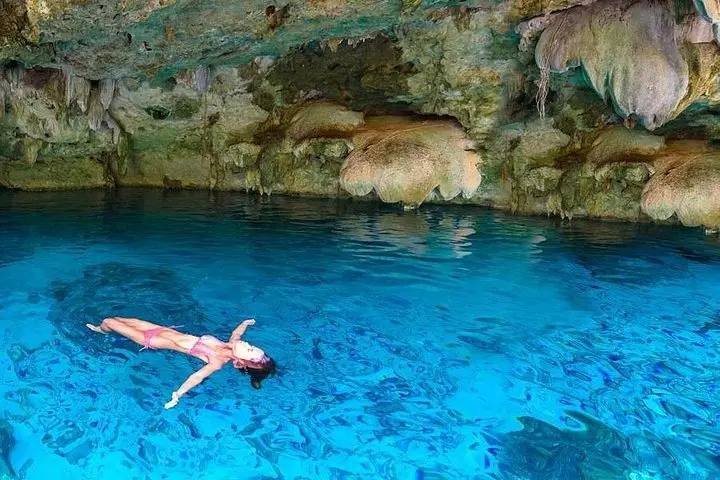
Dive into the Yucatán’s secret freshwater caverns and drift over the shallow reef gardens of Yalku Lagoon—an accessible, half-day snorkel pairing that blends geology, Mayan history, and vivid marine life.
 Related story
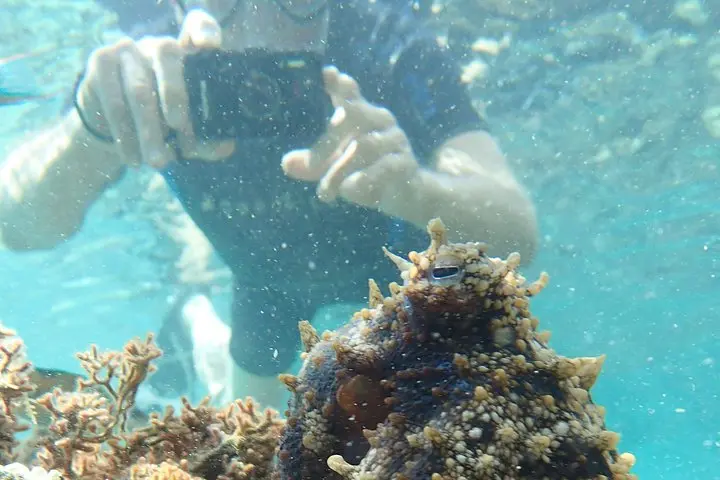
Slip beneath Porto Santo’s sunlit surface to find a mosaic of seagrass meadows, volcanic shelves, and playful schools of fish. This three-hour snorkeling tour pairs small-group access with local stewardship—ideal for travelers who value marine life over crowds.
 Related story
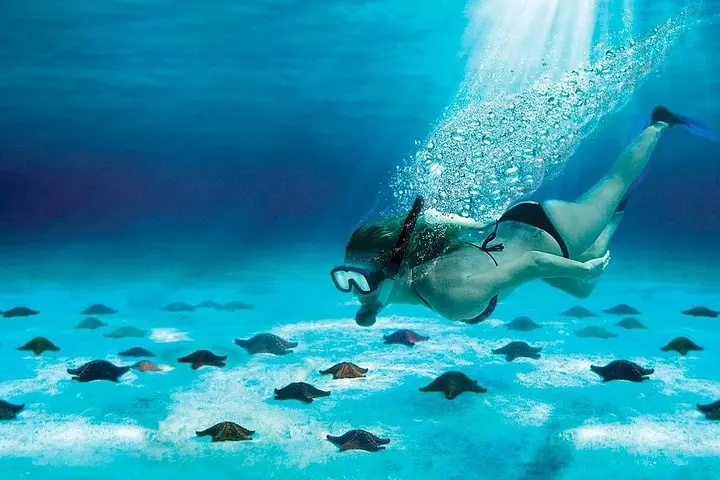
Spend a day on a high-speed boat exploring Cozumel’s famed reefs and the shallow sand flats of El Cielo. This full-day trip offers clear water, abundant marine life, and guided snorkeling at three prime sites—ideal for both first-timers and seasoned reef lovers.