
What the day feels like
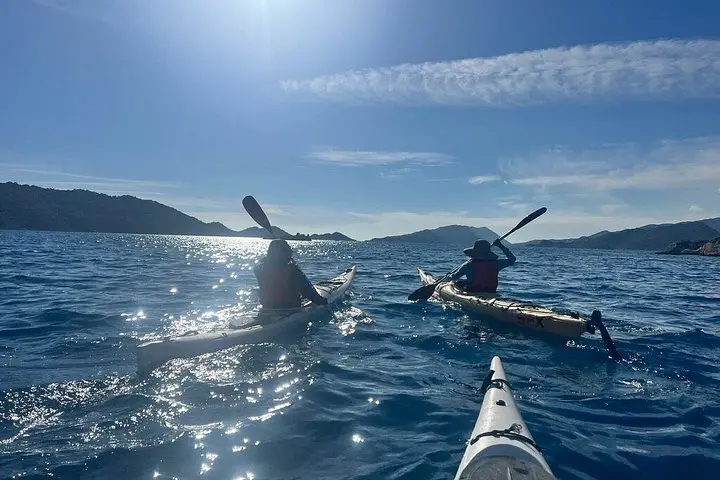
The morning light over Kaş arrives slow and salty, a pale fan of sun brushing the town’s limestone roofs before it spills down to the harbor. You push off from a small wooden jetty—kayak snug, paddle taped, a salty wind already promising a day of steady forward motion. The first strokes are a settling-in: a rhythm that eats distance and amplifies sound. Cormorants peel from rocky ledges. A fishing boat yawns at the mooring. Ahead, the coastline narrows and the cliffs lower, revealing shelves of olive-scrub and fragments of a coastline that has been lived on and contested since the Lycian era. This is the kind of sea trip that feels like moving through layers of time: turquoise water that keeps the memory of cities in its deep.
The Kekova & Aperlai Sea Kayaking Expedition is not your run-of-the-mill sightseeing launch. It’s a full-day, nine-hour commitment to slow exploration—kayaks threading between tiny islets, long pauses for swimming in bays that feel private, and extended stops at archaeological edges where the sea and human history meet. The centerpiece is Kekova’s famous Sunken City—submerged Lycian ruins that sit just offshore—yet the expedition deliberately goes further, to Aperlai, a quieter ancient settlement only seen by a handful of visitors. What that means for travelers is time: time to listen, to snorkel, and to imagine what a coastline looked like before modern roads and mass tourism.
Geologically, this stretch of the Lycian coast is a collage: weathered limestone, tectonic uplift and subsidence, and coves formed by waves that never stop chipping. The submerged ruins are not a single dazzling spectacle but a mosaic—foundations, tombs, anchors stuck in stone—evidence of an era when maritime life was central to survival and identity on these shores. Historically, Lycian cities were often maritime powers and, at times, renegade harbors; Aperlai (also spelled Aperlae) was known in antiquity as a small coastal polis that specialized in sponge fishing and maritime trade. Today its ruins—rocky terraces, scattered masonry—sit like an archaeological footnote compared with the better-known Sunken City but feel infinitely more intimate.
Culturally, Kaş is your base: a small town with narrow streets, bougainvillea-splashed houses, and a relaxed rhythm. Local boatmen still ply the same winds their ancestors read, and the harbor culture is straightforward—tea in small cups, conversations about the sea’s moods, and kitchens that turn the day’s catch into grilled fish and mezze. The kayaking route stitches together that local life and the coastal past; you’re as likely to share a swim with locals as to inspect a carved Lycian tomb.
Practically speaking, expect a day of varied motion. The tour typically spends long stretches on the water broken by extended breaks to snorkel, explore coves and, when conditions allow, land briefly to wander ancient ruins. The paddling is steady rather than technical—suitable for anyone comfortable in a stable sit-on-top or tandem sea kayak—but you’ll feel it by mid-afternoon. Plan for sun, wind and the possibility of chop as you round exposed points. Guides carry safety gear, dry bags for lunch, and local knowledge about where to anchor and when to skirt reefs.
Why go? Because this trip rewards patience. You don’t just tick off the Sunken City; you reach quieter ruins, discover hidden swimming coves, and see the Lycian coast at a calm, observational pace. It’s ideal for travelers who want more than a photo and more than a quick dip—those who want to learn the coastline’s story through movement.
Timing and preparation matter. Start early to catch calm seas and cooler air, bring reef shoes for hopping ashore, a snorkel mask for glimpsing submerged masonry, and a good sunscreen regimen. If you want the clearest underwater visibility, aim for the shoulder seasons; mid-summer can be glassy but crowded, while spring and fall deliver milder winds and fewer boats.
On the conservation side, this coastline is fragile. The Sunken City and nearby ruins are archaeological resources; regulations often prohibit diving on some sites and anchoring in designated zones. Local operators are increasingly conscientious—using moorings rather than dropping anchors, briefing visitors on not touching ruins, and removing litter. Your awareness makes a difference: avoid standing on or removing stones, pack out anything you bring, and follow your guide’s parking and landing instructions.
Back in Kaş at day’s end, the harbor’s small restaurants are an immediate reward: a plate of grilled octopus, a spread of tzatziki and fava, cold ayran or a local beer. Conversation usually turns to the day’s best swim, an underwater slab of masonry, or the moment a pod of dolphins cut the water a mile off. That combination—hard work, quiet wonder, and simple, excellent food—explains why people return.
For would-be bookers: this expedition is best for travelers who want meaningful time on the water, good interpretive guiding, and the kind of day that combines natural beauty with archaeological intimacy. It’s not a high-adrenaline paddling clinic, and it’s not a quick tour—you’ll leave with sun-kissed shoulders and a clearer sense of how the Lycian coast holds its stories in stone and sea.
Trail wisdom
Small choices, better day.
Start Early
Morning launches usually mean calmer seas and clearer snorkeling visibility—arrive 30 minutes before departure to get fitted and briefed.
Protect Your Neck and Skin
Wear a wide-brim hat or buff and reef-safe sunscreen; the sun reflects off the water and intensifies quickly during a full-day paddle.
Footwear Matters
Bring reef shoes for rocky landings and better grip on wet surfaces during short shoreline explorations.
Pace Yourself
This is a nine-hour day—hydrate regularly, snack between stretches, and listen to your guide’s tips for conserving energy.
Local knowledge
Read the place, not just the route.
Watch for native species including Mediterranean monk seal (rare sightings), Loggerhead sea turtles (Caretta caretta).
Keep an eye out for wildlife during the transition between areas and habitats. Respect distance guidelines.
Parts of the Kekova region are protected; operators use moorings and follow no-landing rules in sensitive archaeological zones—avoid touching submerged ruins and dispose of waste responsibly.
Follow the guide's instructions on size limits, ethical handling, and leave-no-trace practices.
A narrow protected cove near Aperlai with clear shallow snorkeling above mosaic-like submerged walls. A small cliffside path above Kaş where you can watch fishing boats return at golden hour
Locally recommended viewpoints and quiet spots known best to local operators.
The Lycian coast was dotted with maritime city-states; Aperlai was a modest harbor community whose ruins are less visited than Kekova’s Sunken City but offer an intimate glimpse into regional maritime life.
Maritime roots and regional tradition shape the waterways and working coasts.
Seasonal guide
Four versions of the same landscape.
Spring
Best forMilder temperatures · Fewer crowds
ChallengesUnpredictable winds some days · Cooler water temperatures
Spring offers comfortable air temps and excellent visibility for snorkeling, though wind can pick up—good for those who prefer fewer boats and mild paddling.
Summer
Best forWarm water swims · Long daylight hours
ChallengesHigher temperatures · More day boats and tourists
Summer delivers calm seas and warm water, ideal for swimmers and snorkelers, but expect busier harbors and stronger sun—early starts are key.
Fall
Best forCalm waters · Great light for photography
ChallengesShorter days · Occasional northerly winds
Fall often brings the most stable conditions and clear water; it’s an excellent shoulder season for paddling and fewer crowds.
Winter
Best forOff-season quiet · Birdwatching opportunities
ChallengesCold water and air · Limited tour availability
Winter is quiet and raw—good for travelers seeking solitude—but many operators run reduced schedules and water temperatures are cold.
Operator details
What the booking data adds.
Included
- ✓Professional guide
- ✓Fresh mediterranean Lunch at Yörük Ramazans Place
- ✓Use of tandem kayak (limited number of single kayaks)
Not included
- —Simena Castle (Optional) - 200TL cash only
- —Drinks
Good to know
- ✓Not recommended for travelers with spinal injuries
- ✓Not recommended for travelers with poor cardiovascular health
- ✓Travelers should have at least a moderate level of physical fitness
- ✓14 years with written permission
- ✓Emergency medication (e.g. asthma inhaler)
- ✓Swimsuits, Towel
- ✓Please leave your valuables in your hotel.
- ✓walk to the ruins is about 30 minutes
- ✓Anyone who's able to do an hour walking easily can master this tour too
- ✓Operates in all weather conditions, please dress appropriately
- ✓Good physical condition
- ✓Basic swimming knowledge
- ✓Cameras and phone only if waterproof during paddling.
- ✓May be operated by a multi-lingual guide
- ✓Small change for Extra Drinks and Souvenirs.
- ✓The hatches of our kayaks are small so please pack lightly
- ✓Minimum number of participants is 4.
- ✓Change of clothes and shoes
- ✓Sun hat, Sun glasses (with neck string), Sun cream
- ✓For sun-lotion and towels a plastic bag is just fine..
- ✓We recommend Swim, surf, water shoes and sandals over flip flops.
- ✓We provide a few dry-bags to be shared for things you want to keep dry like camera and phones.
- ✓Wind jacket, for spring and autumn
Pack with intention
What to bring.
Good to know
Common questions.
The expedition runs about nine hours total, including paddling, snorkel and lunch stops—expect to be back in Kaş by late afternoon.
Plan the edges
The details that make the day easier.
Kekova Bay contains visible submerged Lycian-era ruins—often called the Sunken City—remnants of ancient settlements partially submerged due to earthquakes and sea-level changes.
After the paddle, head to Kaş harbor for fresh grilled fish, a plate of meze and a glass of local rakı or ayran. For a casual beer, try one of the small waterfront bars; for traditional flavors, order fish with local thyme and lemon and finish with baklava or a cup of Turkish coffee.
- Closest airports
- Dalaman (approx. 2 hours) or Antalya (approx. 3–3.5 hours); Meeting point: Kaş harbor
- jetty; Driving from Kaş town center to launch
- under 10 minutes; Cell service: generally good in town, patchy on open water; Permits: No special permit for visitors but respect protected zones and local landing restrictions.
The Kekova area includes protected archaeological and marine habitats—use moorings where provided, avoid touching or removing artifacts, use reef-safe sunscreen, and pack out everything you bring.
Explore by topic
Follow the threads.
Keep exploring
Make the story part of the trip.
 Related story
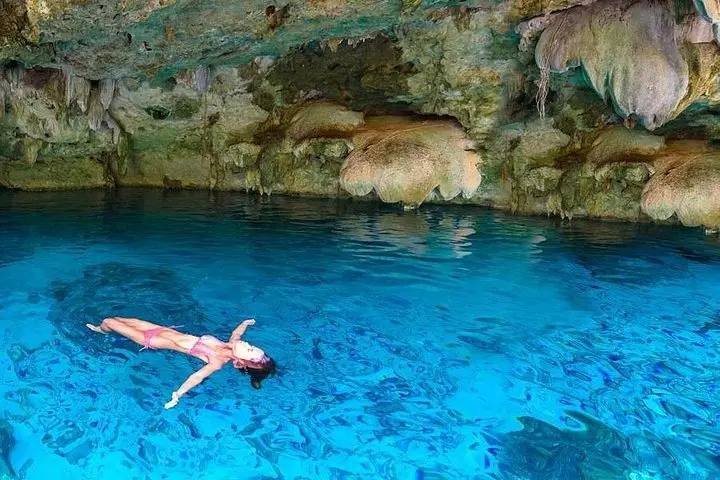
Dive into the Yucatán’s secret freshwater caverns and drift over the shallow reef gardens of Yalku Lagoon—an accessible, half-day snorkel pairing that blends geology, Mayan history, and vivid marine life.
 Related story
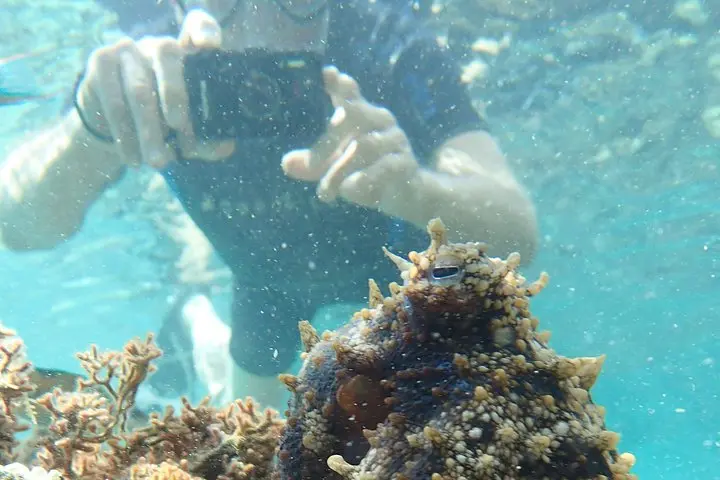
Slip beneath Porto Santo’s sunlit surface to find a mosaic of seagrass meadows, volcanic shelves, and playful schools of fish. This three-hour snorkeling tour pairs small-group access with local stewardship—ideal for travelers who value marine life over crowds.
 Related story
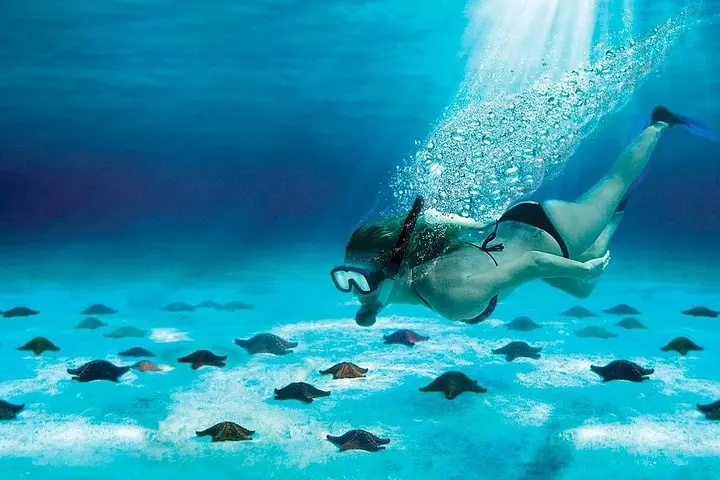
Spend a day on a high-speed boat exploring Cozumel’s famed reefs and the shallow sand flats of El Cielo. This full-day trip offers clear water, abundant marine life, and guided snorkeling at three prime sites—ideal for both first-timers and seasoned reef lovers.