
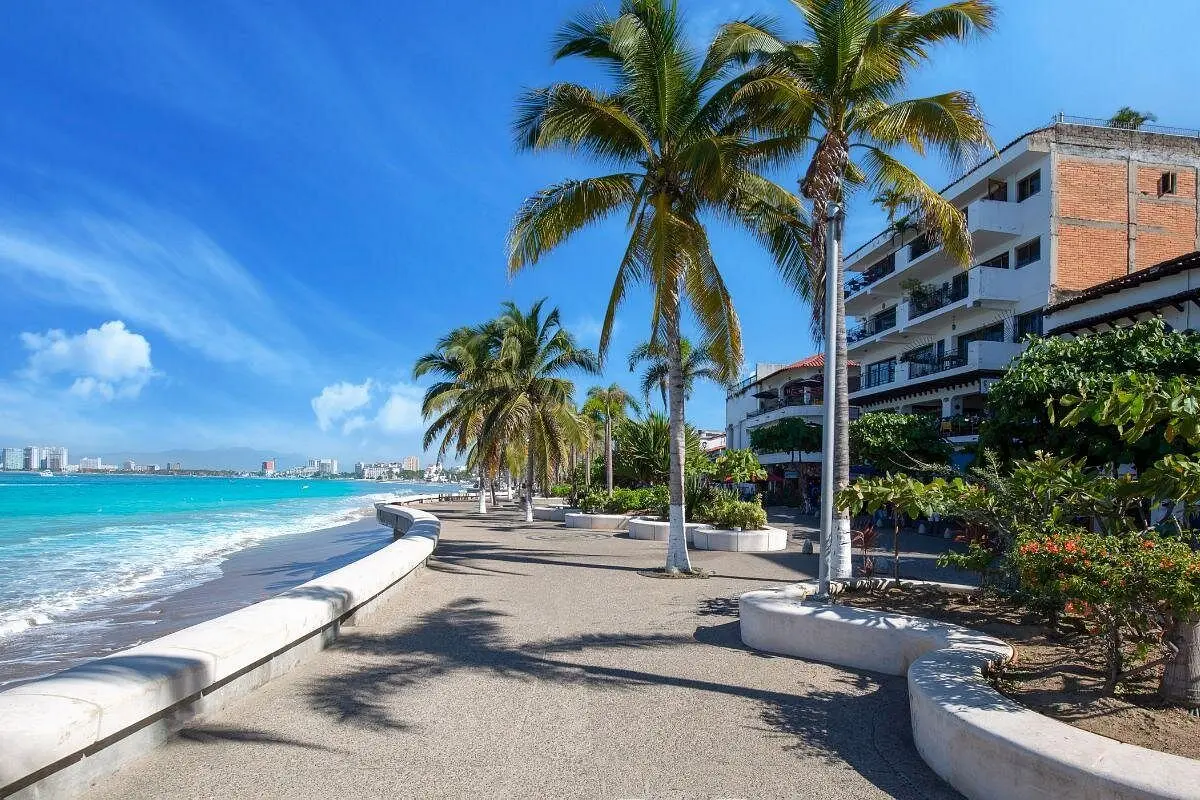
What the day feels like
The first step onto El Malecon is an invitation: salt and sun, the chatter of vendors, the steady thump of a nearby drum troupe. You enter a living postcard—an open-air gallery where bronze figures pose against a constant surf, where joggers pass elders sitting beneath palm shadows, and where the sea keeps time with the city’s heartbeat. At dawn the promenade is cool and nearly empty; by late afternoon it spills over with families, artists and the rare, decisive howl of someone calling the hour from a church bell inland.
Stretching roughly 1.5 miles (around 2.5 km) from the Cuale River Bridge to the pier at Playa Los Muertos, El Malecon is both a practical connection between neighborhoods and the ceremonial spine of Puerto Vallarta. Its wide, flat promenade makes it ideal for aimless walking, a quick run, or a guided city circuit on two wheels. Local operators have built a suite of experiences around the boardwalk—specialized bike tours that thread cobblestone alleys and beachfront views, e-bike taco crawls that pair short bursts of pedaling with generous servings of carnitas, and stand-up paddleboard trips that let you trace the Malecon from sea level.
The promenade’s sculptures are its signature: dozens of works in metal and stone that anchor the walk. The pieces are not museum-contained curiosities; they’re weathered by spray, climbed on by children, and often playfully rearranged by visitors. Public art here is civic and social—intentionally placed to start conversations and interrupt the steady slide of tourist commerce. That interplay—art that is part of daily life—is what gives the Malecon a personality. It can be dramatic, coy, melancholy and irreverent in a single block.
Historically, Puerto Vallarta’s transformation into an international destination was accelerated by cinema and celebrity in the 1960s. The town’s evolution from sleepy fishing village into a holiday magnet layered culture, commerce and conservation into a compact coastal grid. Geologically, the bay you stare across—Bahía de Banderas—was carved by tectonic forces and the uplift of the Sierra Madre Occidental; the mountains drop close to the shore, so the city feels compressed between jungle hills and a shallow, sheltering sea. That geography dictates a lot: storm runoff, the seasonal swell, and the marine life that congregates in the bay’s protected pockets.
Strolls here are as cultural as they are scenic. Markets spill out onto plazas. Mariachi musicians will find you if you linger near the Church of Our Lady of Guadalupe; vendors sell shawls and artisan silver; and a handful of boutique galleries hide behind awnings and courtyards. The Malecon is also a launchpad. Stand-up paddleboard outings step off from the Los Muertos area to skim past the arches and small reefs of the bay; dolphin and snorkeling tours leave from the same waterfront, promising close views of playful pods or the underwater gardens at Los Arcos Marine Park. For the nocturnal, neon catamaran parties convert the bay into a light show, while skydive operators offer a rare vertical take—free-falling above the Malecon and landing back on a sandy beach.
Why go? Because El Malecon compresses the best parts of Puerto Vallarta into a walkable, tactile experience: art, ocean, food, and access to every nearby activity. If you want to move slowly, sit at a café and watch life pass; if you want adrenaline, sign up for a tandem skydive or a dolphin encounter and snorkeling trip the next morning.
Practical guide
Timing: Dawn and early morning are the most pleasant times to walk for temperature and light. Late afternoon through sunset is when the promenade hums—good for people-watching and photography, but also when crowds peak.
Getting around: The promenade is paved and stroller- and bike-friendly. Several guided options make logistics simple: Bikes and Bites and the E-Bikes Taco Tour both start near Centro and cycle gently along the Malecon and adjoining neighborhoods; a private city tour will pick you up and drop you off if you prefer air-conditioned transport.
What to expect from surface and effort: Flat, easy pavement—but expect local vendors and occasional uneven historic paving at side streets. If you plan to combine a Malecon stroll with SUP or snorkeling, allow an extra 2–4 hours for transfers, gear, and boat time.
Safety and etiquette: The Malecon is generally safe and heavily trafficked; take normal urban precautions—watch your belongings, wear reef-safe sunscreen for water activities, and respect roped-off marine zones. If you book a dolphin encounter, choose small-group, no-contact operators that prioritize the animals’ welfare.
Sample day: Start with a sunrise walk and coffee. Join a Bikes and Bites morning tour to chase tacos and local lore. Return midday for a private city tour and tequila tasting or head to Los Muertos for a SUP session that lets you circle the Malecon from sea level. Finish with a neon catamaran at night or a waterfront meal at a restaurant that looks over the sculptures and the water.
El Malecon’s appeal is practical and immediate: it’s a place to measure an afternoon against the horizon. The boardwalk asks for little more than your feet and your attention, but rewards you with a layered, sociable view of coastal Mexico—an urban coastline that feels both lived-in and on display, where the sea dares you to keep exploring.
Note: Be mindful of seasonal crowds and the marine protection rules—your choices as a visitor have an outsized impact on the fragile bay you’ve come to admire.
Trail wisdom
Small choices, better day.
Beat the heat
Walk early morning or just before sunset to avoid midday sun and crowds—carry a refillable water bottle.
Take reef-safe sunscreen
If you plan to SUP or snorkel, choose reef-safe sunscreen to protect marine life at Los Arcos and nearby reefs.
Watch your belongings
The Malecon is busy; keep valuables zipped and use a money belt or front-zip pack in crowded zones.
Book small-group marine tours
For dolphin encounters and snorkeling, pick operators that limit group size for a better, more sustainable experience.
Local knowledge
Read the place, not just the route.
Watch for native species including dolphins, frigatebirds and pelicans.
Keep an eye out for wildlife during the transition between areas and habitats. Respect distance guidelines.
Local groups and tour operators emphasize reef protection and responsible wildlife viewing; choose operators that follow no-contact and small-group guidelines to reduce disturbance.
Follow the guide's instructions on size limits, ethical handling, and leave-no-trace practices.
Isla Cuale artisan market and riverside cafés tucked behind the Malecon. El Faro viewpoint and the nearby quieter stairways that offer sunset perspectives away from the crowds
Locally recommended viewpoints and quiet spots known best to local operators.
Puerto Vallarta’s profile rose after the filming of The Night of the Iguana in the 1960s, catalyzing tourism and the Malecon’s development as a cultural spine.
Maritime roots and regional tradition shape the waterways and working coasts.
Seasonal guide
Four versions of the same landscape.
Spring
Best formild temperatures · pre-peak crowds · early whale-watching
Challengesoccasional showers late spring · increasing humidity
Spring offers warm, comfortable weather with fewer visitors than winter; good months for walking, biking and early whale-watching tours.
Summer
Best forlively festivals · water activities · long daylight hours
Challengeshigh heat and humidity · afternoon storms
Summer brings hot, humid days and brief afternoon storms—ideal for marine activities early and late in the day but prepare for frequent showers.
Fall
Best forfewer crowds · lower rates · warm water for snorkeling
Challengeshurricane season risk early fall · higher humidity
Fall is a quieter shoulder season with warm water for snorkeling, though early fall requires awareness of regional storm activity.
Winter
Best fordry weather · whale watching · comfortable evenings
Challengeshigher tourism and prices · busy promenades at sunset
Winter is the dry season—cooler evenings, excellent visibility for sea tours, and peak tourist numbers around holidays.
Pack with intention
What to bring.
Good to know
Common questions.
The promenade runs roughly 1.5 miles (about 2.5 km); plan 30–60 minutes for a simple walk, or half to a full day if you add tours, meals and gallery visits.
Plan the edges
The details that make the day easier.
The 1964 film 'The Night of the Iguana' helped launch Puerto Vallarta’s international fame and accelerated development along the waterfront, shaping the social life of the Malecon.
Taste the Malecon—tacos al pastor and fresh ceviche at beachside stands, local tequila served at boutique tastings, and artisan markets on Isla Cuale where silver and woven goods reflect Jalisco’s craft traditions.
- Nearest city
- Puerto Vallarta. Parking limited—arrive early or use taxis
Support operators that limit group sizes, avoid wildlife contact, and promote reef-safe practices; reduce single-use plastics and respect marked marine-protection zones.
Explore by topic
Follow the threads.
Keep exploring
Make the story part of the trip.
 Related story
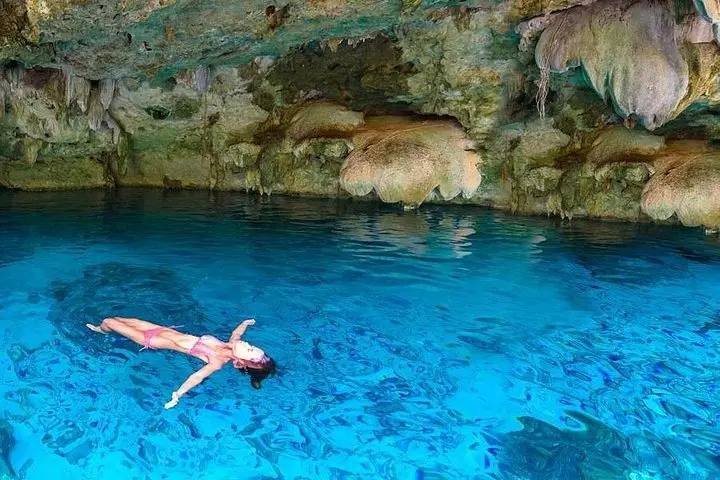
Dive into the Yucatán’s secret freshwater caverns and drift over the shallow reef gardens of Yalku Lagoon—an accessible, half-day snorkel pairing that blends geology, Mayan history, and vivid marine life.
 Related story
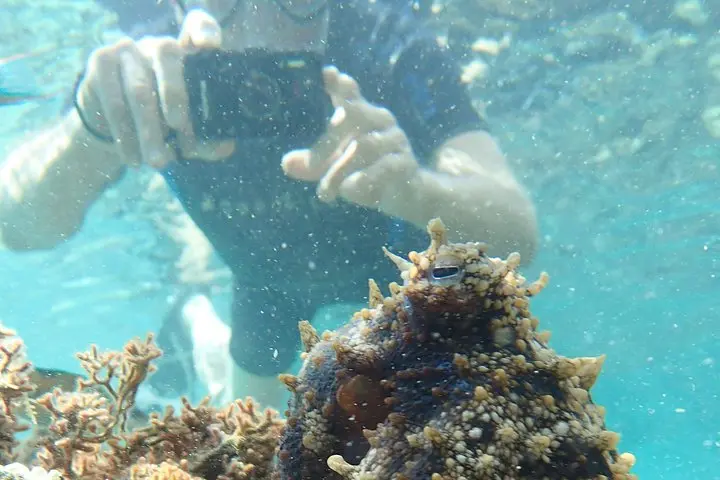
Slip beneath Porto Santo’s sunlit surface to find a mosaic of seagrass meadows, volcanic shelves, and playful schools of fish. This three-hour snorkeling tour pairs small-group access with local stewardship—ideal for travelers who value marine life over crowds.
 Related story
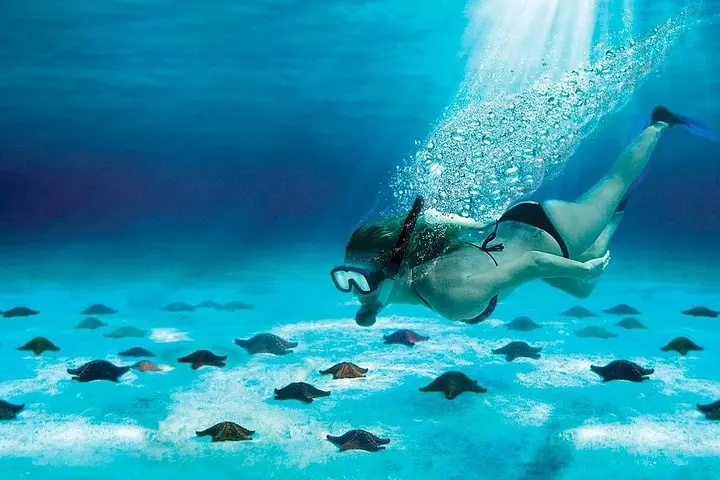
Spend a day on a high-speed boat exploring Cozumel’s famed reefs and the shallow sand flats of El Cielo. This full-day trip offers clear water, abundant marine life, and guided snorkeling at three prime sites—ideal for both first-timers and seasoned reef lovers.