
What the day feels like
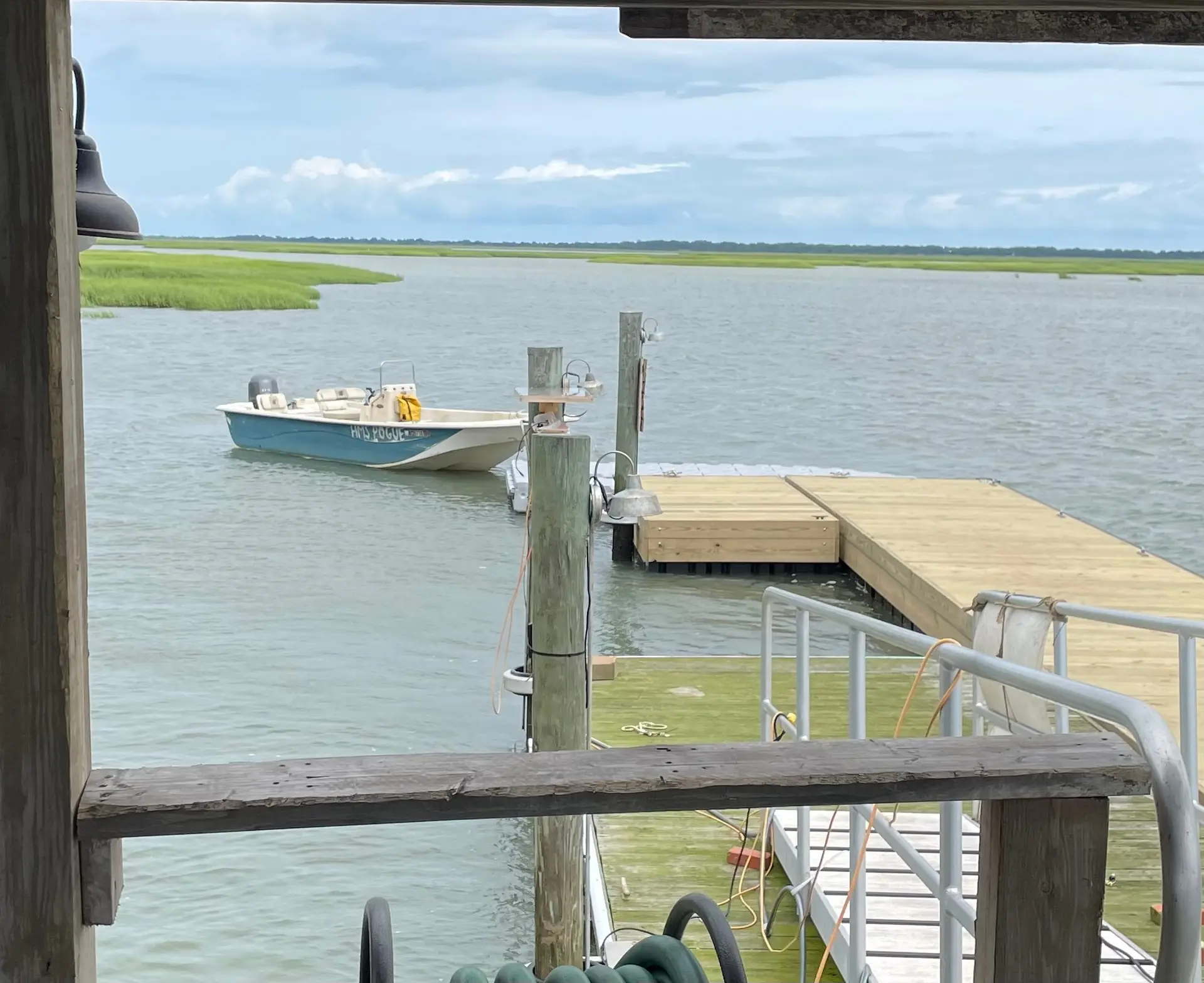
Morning rises slow over Shem Creek, and the tide breathes with it. Pelicans idle on weathered pilings like grizzled dockhands, watching shrimp boats shrug into the channel. The current noses the hull, urging you out toward the harbor, and the captain—calm, sun-known—eases the throttle. In minutes, the marsh opens like a theater curtain. You’re not just looking at a postcard of coastal South Carolina; you’re stepping into the living set that doubled as Kildare Island for Netflix’s runaway hit, Outer Banks.
This three-hour cruise slips through brackish water that remembers every boat and every storm. The creek narrows and widens, showing off its choreography: egrets stalking the edges, dolphins surfacing like soft punctuation on the tide line, the long spine of the Ravenel Bridge catching light in a way that makes cameras twitch. Your guide knows the angles—because they were there, part of the machine that turned Charleston’s Lowcountry into a drama-soaked treasure map. The captain points out where chase boats ran tight lines for a scene, where a quiet dock turned into a high-stakes rendezvous, where a pastel skyline played the part of a salty Carolina town. The gossip isn’t gossip so much as craft: how a lens compresses a harbor to make it feel more dangerous, how a golden-hour window turns the marsh grass electric, how continuity drives you to notice the tilt of a crab pot.
It’s part nostalgia tour, part film school afloat, part salt-air meditation. And it’s anchored right in the heart of Mount Pleasant, where Shem Creek has long been the working soul of local seafood—nets, boats, and the tide doing its endless job. Charleston became the show’s stand-in for North Carolina’s barrier islands, and the water here wears that role well. As you pass familiar silhouettes—a low pier that became a scene-stealer, a stretch of quiet shoreline that hid a narrative twist—you start to understand how the Lowcountry’s geometry gave directors options: long sightlines, forgiving currents, and reliable skies.
The boat swings out toward Charleston Harbor, where the wind has a say and the chop can stand up in the afternoon. Castle Pinckney keeps a watchful posture on an oyster-fringed island, while the city’s steeples mark the Holy City’s skyline beyond. Your captain threads stories between landmarks: the logistics of filming on tidal water, the early calls that begin in ink-black morning, the small lucks—dolphins that show up on cue, a backlit sky that arrives just when the shot needs emotion. You’ll hear how local crews worked with national teams, how patience and tide charts shape a day, how a marsh can be both actor and scene partner.
If you came for the fandom, you’ll find it. The moments from the show feel different when the boat idles precisely where a cast once stood and the creek leans in to listen. If you came for the water, you get a generous serving: breeze, brine, and light that moves fast. If you came to understand Charleston a little better, the tour obliges—history riding shotgun with pop culture. Shem Creek’s shrimping heritage runs deep, and even as restaurants now buzz along its banks, the working bones remain. This is still a place that feeds the city.
The experience is equal parts entertainment and orientation. Captains with production experience are quick with practical tips: where to point a lens to cut glare, when the dolphins prefer to surf a passing wake, how to read the sky for a squall. Polarized sunglasses pull secrets from the water. A lightweight windbreaker earns its space when the breeze flicks cool over the harbor’s open fetch. And yes, bring a camera—you’ll want the long shots of the bridge, the close-ups of pelicans banking hard, and the soft frames of cordgrass bent by tide.
Book the tour directly through the local experts who know the marsh’s tempo and the show’s behind-the-scenes cadence by visiting the <a href="https://app.advcollective.com/local-experts/outer-banks-films-location-tour-shem-creek-ecotours-llc">Outer Banks filming locations tour</a>. For those short on time, there’s a succinct rundown there; for those deep in the fandom, it’s a rabbit hole worth diving into. Prefer to plan like a producer? Start with this <a href="https://app.advcollective.com/local-experts/outer-banks-films-location-tour-shem-creek-ecotours-llc">Shem Creek boat tour overview</a> and click through the details—meeting at the Shem Creek Public Day Dock, three hours on the water, and flexibility to bring your own snacks and drinks (ice and coolers provided). It’s fan service with salt spray.
Timing matters. Spring and fall offer mild temps and long, patient light. Summer can be a steam-bath, with pop-up thunderstorms that throw attitude across the harbor; mornings are smoother. Winter simplifies the water: crisp air, fewer boats, and sudden clarity that makes the bridge look like an etching against the sky. The creek is honest in all seasons. It invites, then tests, then rewards.
Beyond the credits and the skyline, the tour leans into sense of place: this tide-scoured estuary that is both nursery and highway for Lowcountry life. Bottlenose dolphins work the edges with tactical grace. Brown pelicans skim inches over ripples, wingtips nearly brushing the surface. The marsh hums with small industry—fiddler crabs clacking, oysters filtering, spartina grass holding the shoreline together. The captain steers with respect, throttling down when wildlife shows up and giving the water room to breathe.
As the boat glides back into Shem Creek, restaurants open their decks and the smell of hushpuppies rides the breeze. The dock bumps welcome. You step off with salt on your lips, a camera roll full of proof, and a new map in your head—one that connects TV myth to real marsh, fame to working water, story to tide. To continue planning or to reserve your seat, head to the <a href="https://app.advcollective.com/local-experts/outer-banks-films-location-tour-shem-creek-ecotours-llc">Outer Banks filming locations boat tour page</a> and line up your own day in Kildare—Charleston-style.
Trail wisdom
Small choices, better day.
Chase morning light
Book the earliest tour for smoother water, cooler temps, and golden angles on the marsh and Ravenel Bridge.
Beat glare with polarization
Polarized sunglasses help you see dolphins and details beneath the surface—and improve your photos.
Secure loose items
Wind and wake can snatch hats and phones; use retainers and a wrist strap or keep gear in a dry bag.
Respect the wildlife buffer
Stay seated and quiet when dolphins approach; give nesting birds and oyster beds wide berth.
Local knowledge
Read the place, not just the route.
Watch for native species including Bottlenose dolphins, Brown pelicans.
Keep an eye out for wildlife during the transition between areas and habitats. Respect distance guidelines.
Give dolphins space and avoid plastic waste—this estuary is a nursery for marine life and sensitive bird habitat.
Follow the guide's instructions on size limits, ethical handling, and leave-no-trace practices.
Pitt Street Bridge for sunset marsh views. Shem Creek Boardwalk’s quieter west end for dolphin spotting
Locally recommended viewpoints and quiet spots known best to local operators.
Shem Creek has anchored Mount Pleasant’s shrimping fleet for generations; Charleston doubled as the Outer Banks for the show due to established film infrastructure.
Maritime roots and regional tradition shape the waterways and working coasts.
Seasonal guide
Four versions of the same landscape.
Spring
Best forMild temps · Dolphin activity
ChallengesPollen · Occasional breezy fronts
Comfortable days with crisp light and active wildlife make spring ideal for a relaxed, photo-friendly cruise.
Summer
Best forWarm water · Long daylight
ChallengesHeat and humidity · Afternoon thunderstorms · Busy waterways
Plan early departures to beat the heat and watch the forecast for pop-up squalls after lunch.
Fall
Best forColorful sunsets · Stable weather
ChallengesGusty cold fronts · Lingering hurricane season
Lower humidity and golden light rule the day; keep an eye on tropical forecasts just in case.
Winter
Best forClear air · Fewer crowds
ChallengesChilly wind on open water
Crisp visibility and quiet creeks reward layered clothing and a windproof shell.
Pack with intention
What to bring.
Good to know
Common questions.
No experience required—your captain handles navigation while you relax and take in the sights.
Plan the edges
The details that make the day easier.
Although set in North Carolina, Netflix’s Outer Banks was filmed largely in and around Charleston, South Carolina, with Shem Creek appearing in multiple boating scenes.
Post-cruise, grab local shrimp and a cold drink overlooking the water at Saltwater Cowboys or Red’s Ice House. For oysters and a glass of white, NICO Oysters + Seafood sits steps from the docks. Make time for a stroll through Old Village Mount Pleasant, then cross the bridge for craft brews at Edmund’s Oast or a classic Lowcountry plate on Upper King Street.
- Closest airport
- Charleston International (CHS). Meet at Shem Creek Public Day Dock, ~15 minutes from downtown Charleston by car. Expect solid cell service in the creek and harbor. No permits required; reservations recommended, especially on weekends.
This estuary is a vital nursery for fish and birds—pack out all trash, use reef-safe sunscreen, and give dolphins and nesting birds extra space.
Explore by topic
Follow the threads.
Keep exploring
Make the story part of the trip.
 Related story
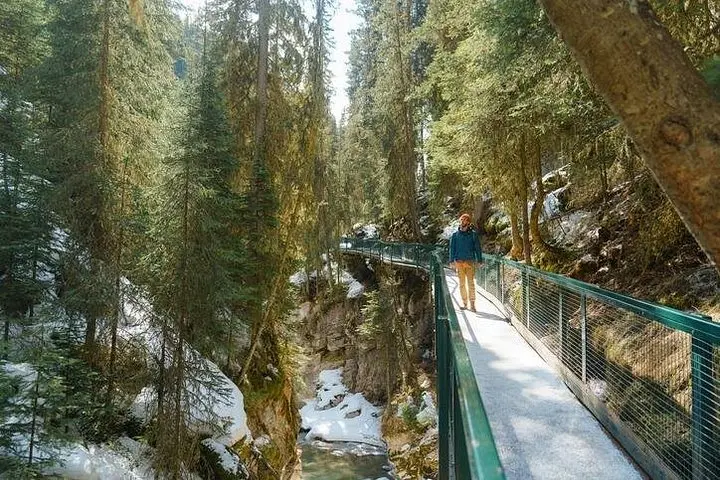
In eight efficient hours, experience the turquoise drama of Lake Louise and the cathedral-like icefalls of Johnston Canyon. This guided shuttle day trip from Banff/Canmore combines easy access, crisp winter scenery, and practical guidance for a high-reward Rockies outing.
 Related story
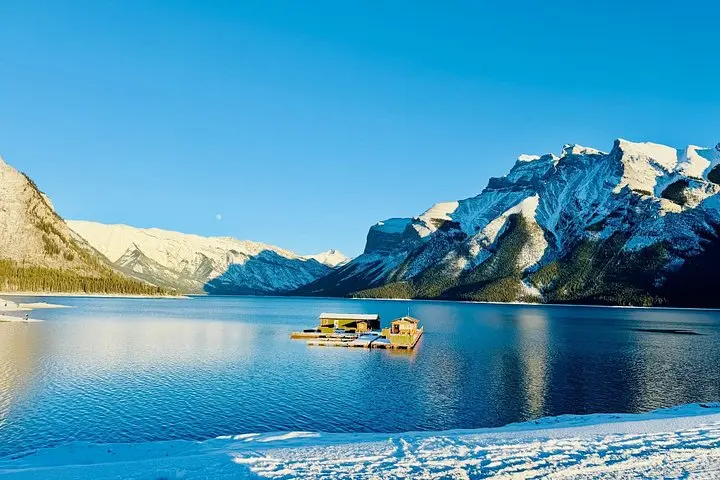
See Banff’s signature overlooks and hidden lakes in one compact, expertly guided 2.5-hour loop. Perfect for short-stay travelers who want big scenery without the driving.
 Related story
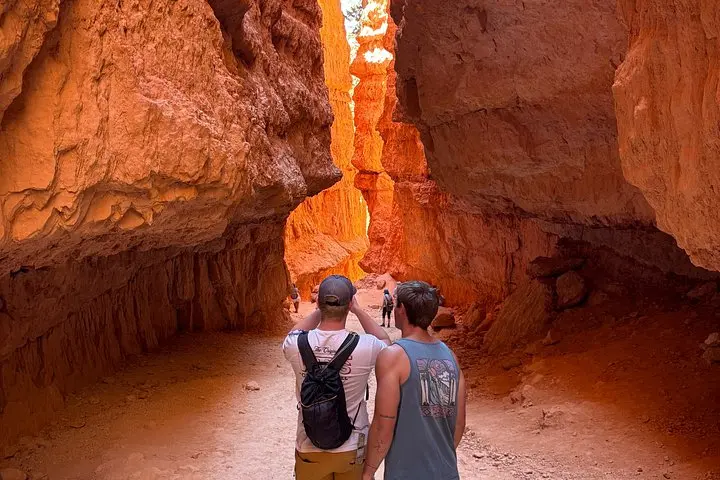
A guided sunrise hike down the Navajo Loop turns Bryce Canyon’s hoodoos from postcard scenery into an intimate geology lesson. Three miles, expert narration, and unforgettable light—this tour is the quickest way to understand how ice, time, and wind carved a city of stone.