
What the day feels like
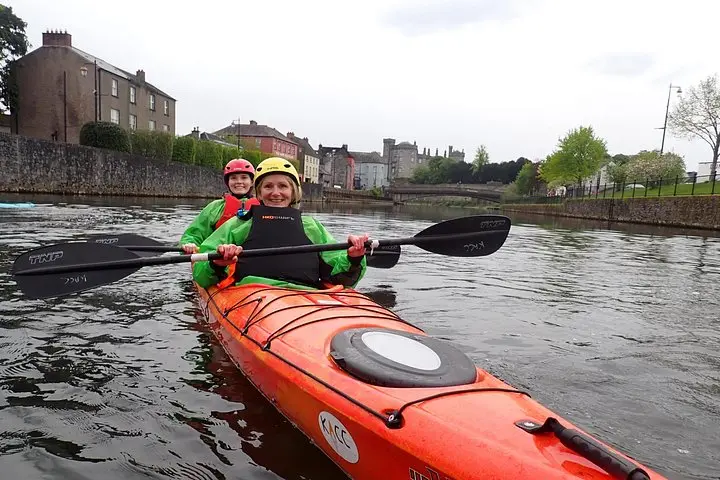
You step into a sleek double kayak and the city exhales around you. Stone parapets and cathedral spires fold into the river as the current nudges the bow forward; the Nore seems to know how to show off. In ninety minutes a living postcard of Kilkenny unspools—a castle at a bend, the gothic silhouette of St. Canice's Cathedral, the low industrial hum where mills once turned—each sight stitched to the water that made the town. The river doesn’t drift politely; it has character. It dares you into playful eddies and, if you want it, the brief thrill of a weir-run. That is the compact, smart joy of the Kayak Tour Kilkenny: urban history seen at waterline, with an edge of river-running fun and an instructor’s eye on safety.
This is a place where geology and human industry meet on intimate terms. The River Nore courses out of the Slieve Bloom foothills and has been the city’s spine for centuries—powering mills, supplying drinking water, and shaping trade routes long before modern roads. Kilkenny itself is a patchwork of eras: Norman walls, medieval guildhalls, and 18th-century merchant houses. From the kayak the timeline compresses; stonework that looked remote from the street takes on scale and immediacy when you’re level with the water. Guides point out the telltale notches where weirs were rebuilt, explain milling techniques that turned grain into commerce, and nod to Smithwick’s Brewery buildings, now reimagined as part of the city’s cultural circuit.
The tour leans friendly and practical. Most guests paddle double kayaks, an inherently stable platform for first-timers and a chance to learn effective forward stroke, steering draws, and bracing. If you prefer to be hands-free with raw confidence, a guide will share a seat and manage the river while you take in the view. For paddlers craving more adrenaline, the tour can include a run over a small weir—short, safe, but enough to pulse the heart and rack up the stories. For those who’d rather stay dry, guides provide over-trousers and tailor the line to calmer water. That adaptability is the product’s best feature: it meets a wide range of energy levels without compromising on the sense that you’re in the river’s company, not just observing it.
Practicalities are straightforward. The tour lasts about 90 minutes—enough to feel like a proper outing but compact enough to pair with a city day of galleries and taverns. Expect easy to moderate exertion; the paddling is steady and often supported by the current, but a short series of draws and turns keeps things engaging. Gear is minimal: a wetsuit or layers depending on the month, a personal flotation device provided on-site, and footwear you don’t mind getting wet. Guides bring safety kit and local knowledge, and the group size is kept personal so instruction and attention are real, not rote.
Beyond the motion of paddling, the tour is an interpretive thread connecting Kilkenny’s public life with its waterways. You’ll hear stories about the importance of the Nore to the city’s milling economy, about the medieval guilds that controlled trade, and about how flood management and river engineering have changed the river’s personality over generations. Birdlife and urban wildlife appear without ceremony—kingfishers flashing like struck jewels, herons stalking shallow margins—reminders that even a working river is a habitat.
Timing matters. Summer days offer warm evenings and long light to linger on the water. Shoulder seasons give you cooler temperatures and fewer crowds, while winter tours can be crisp and quiet if you dress for it. Regardless of month, morning tours avoid the busiest tourist moments, and late afternoon light often turns the castle walls golden against a mirrored current.
If you’re planning a Kilkenny visit that includes this tour, consider building a day around it: arrive in the morning, paddle the Nore with a guide, then dry off and walk to a nearby pub for stew or a pint of something local. The physical and cultural seams of Kilkenny fit together well here—the river is the connective tissue between architecture, history, and daily life.
For travelers who want an urban outdoor experience that is accessible but still distinctly outdoors, this is a sweet spot: quiet enough to hear the water, built-in thrills for the adventurous, and enough local color to make the paddle feel like an essential way to know the city. Book a morning slot, wear layers, and be prepared to look up more than down—Kilkenny’s skyline reads differently when the water is your foreground.
Learn more about booking and local guides who specialize in historic river paddles at this local-experts page: <a href="https://app.advcollective.com/local-experts/paddle-the-river-nore-kayak-sup-tours-through-historic-kilkenny">Paddle the River Nore Kayak & SUP Tours through Historic Kilkenny</a>. Whether you want to play the weir or keep the camera dry, the river offers an immediate, embodied way to meet Kilkenny’s past and present.
Trail wisdom
Small choices, better day.
Go early or late
Book a morning or late-afternoon slot to avoid peak pedestrian traffic and catch the best light on the castle walls.
Layer smartly
Bring a moisture-wicking base layer and a light insulating mid-layer; guides provide over-trousers if you want extra dryness.
Choose your pace
Ask for a guide in your kayak if you want stability or request the weir run if you want a short adrenaline boost.
Secure valuables
Use a waterproof pouch for phone and wallet—city center bridges and eddies mean splashes are likely.
Local knowledge
Read the place, not just the route.
Watch for native species including Kingfisher, Grey Heron.
Keep an eye out for wildlife during the transition between areas and habitats. Respect distance guidelines.
The River Nore supports local biodiversity and is managed with flood and habitat measures—avoid bank trampling and pack out all waste.
Follow the guide's instructions on size limits, ethical handling, and leave-no-trace practices.
Rowing past the lesser-known stone quay near the brewery buildings for a great photo angle. A quiet back-channel by low bridges where kingfishers are most active
Locally recommended viewpoints and quiet spots known best to local operators.
Kilkenny grew around the River Nore; waterways powered mills and shaped the medieval trade that built the town’s wealth.
Maritime roots and regional tradition shape the waterways and working coasts.
Seasonal guide
Four versions of the same landscape.
Spring
Best forLively birdwatching · Cool, quiet paddles
ChallengesVariable water levels · Cool air temperatures
Spring brings fresh green banks and active birds; dress for cool mornings and check for higher river flows after rain.
Summer
Best forLong light and warmth · Family-friendly trips
ChallengesBusier riverfronts · Higher sun exposure
Summer offers warm, comfortable paddling and extended daylight—bring sun protection and expect more tourists on the banks.
Fall
Best forGolden light and reflections · Smaller crowds
ChallengesChillier evenings · Occasional storms
Autumn light makes the castle glow; wear insulating layers and be ready for brisk winds on colder days.
Winter
Best forQuiet, introspective paddles · Clear, crisp views
ChallengesCold water and air · Shorter daylight
Winter is peaceful and atmospheric but demands warm, layered clothing and good footwear—tours may be weather-dependent.
Operator details
What the booking data adds.
Included
- ✓Dry bag
- ✓Towels - our many international travellers do not have towels so we can provide at no extra cost
- ✓Mobile phone cover
- ✓Wetsuits, shoes and towels if required at no extra cost
- ✓All safety equipment, dry legs/salopettes or wetsuits, shoes, towels and an overjacket
- ✓Shoes - so your leave with your own shoes dry
Good to know
- ✓Public transportation options are available nearby
- ✓Not recommended for travelers with spinal injuries
- ✓Not recommended for pregnant travelers
- ✓Not recommended for travelers with poor cardiovascular health
- ✓Travelers should have at least a moderate level of physical fitness
- ✓Guests must be able to swim
Pack with intention
What to bring.
Good to know
Common questions.
No—most guests are beginners; guides teach basic strokes and safety before launch and can paddle with you for extra stability.
Plan the edges
The details that make the day easier.
Kilkenny Castle dates back to 1195, and the River Nore powered the city’s milling industry for centuries—milling remains a key part of local history.
After the paddle, warm up at a nearby pub on High Street with traditional Irish stew or visit the Smithwick’s Experience for a brewery tour; stop by the Kilkenny Design Centre for local crafts and a coffee.
- Closest major airport
- Dublin Airport (DUB) ~1.5–2 hour drive; launch point: central Kilkenny riverfront within walking distance of town; driving from Kilkenny city center: 5–15 minutes; cell service: good in town, patchy in quieter channels; permits: none required for this commercial tour.
The River Nore supports diverse wildlife—avoid disturbing shoreline habitats, use reusable bottles, and pack out all trash to protect water quality and riparian vegetation.
Explore by topic
Follow the threads.
Keep exploring
Make the story part of the trip.
 Related story
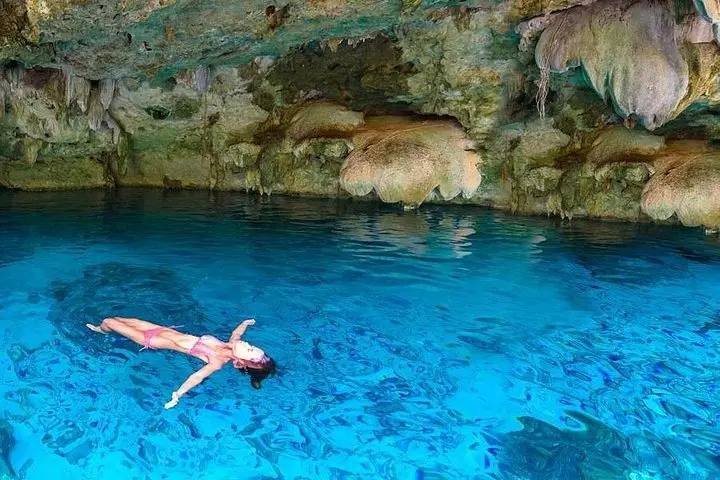
Dive into the Yucatán’s secret freshwater caverns and drift over the shallow reef gardens of Yalku Lagoon—an accessible, half-day snorkel pairing that blends geology, Mayan history, and vivid marine life.
 Related story
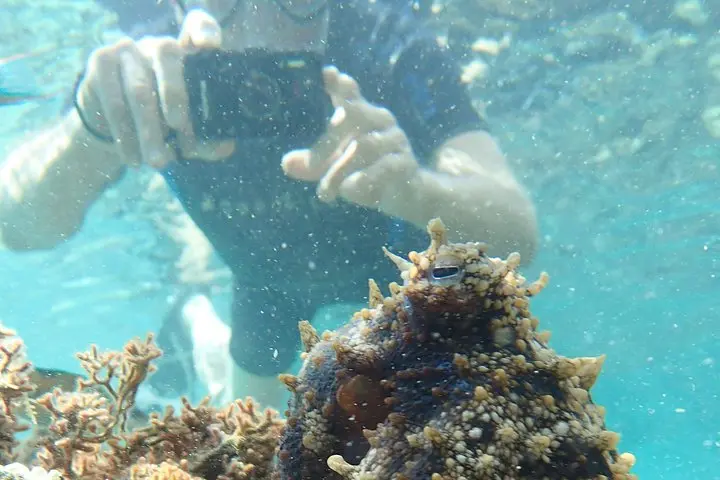
Slip beneath Porto Santo’s sunlit surface to find a mosaic of seagrass meadows, volcanic shelves, and playful schools of fish. This three-hour snorkeling tour pairs small-group access with local stewardship—ideal for travelers who value marine life over crowds.
 Related story
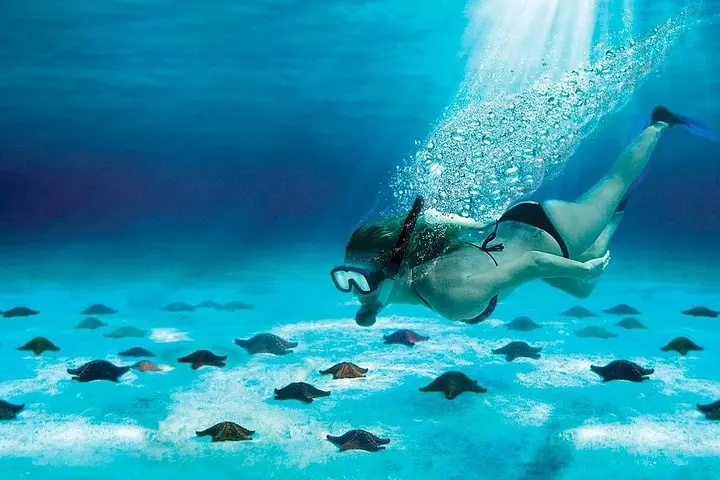
Spend a day on a high-speed boat exploring Cozumel’s famed reefs and the shallow sand flats of El Cielo. This full-day trip offers clear water, abundant marine life, and guided snorkeling at three prime sites—ideal for both first-timers and seasoned reef lovers.