

What the day feels like
The boat noses out from 650 Lemoyne Drive as if trailing the colors of the sky itself. Salt smells like memory; gulls wheel in lazy punctuation above the wake. On dusk cruises around Dauphin Island the horizon performs a daily vanishing act—first a sugared gold, then a bruised magenta—while bottlenose dolphins cut the scene into motion, popping up like punctuation marks, curious and deft. On a typical 2–3 hour Sunset Dolphin Cruise you don’t simply watch wildlife; you move with it, along a boundary where bay, barrier island, and sea converse.
Dauphin Island sits at the mouth of Mobile Bay, a long spit of land that wears history on its sand. Fort Gaines, the island’s brick sentinel, recalls the 1864 Battle of Mobile Bay when Admiral David Farragut reportedly ordered his fleet through enemy fire—"Damn the torpedoes, full speed ahead." Today the fort’s cannon and the island’s Audubon Bird Sanctuary are complementary hooks to a cruise that is at once scenic and instructive: the same currents that once determined naval strategy now shape where dolphins find their prey.
Geologically, Dauphin Island is a barrier island—part of a shifting line of sand and marsh that buffers the Gulf. The coastline here is restless; tides and storms re-sculpt beaches seasonally. That dynamism is part of the draw: dolphins prefer edges where shallow water meets deeper channels, and in the waning light they become playful, surfing bow waves or scattering into synchronized arcs. The captain will point out sandbars, feeding pods, and tell local lore—shrimpers’ windows of work and the rhythms of island life.
This is a family-friendly outing with a small-boat intimacy: trips are limited to six people, which means room to move and fewer heads in the way of a good photo. The operator provides safety gear and a radio with Bluetooth, and passengers may bring one cooler for snacks and drinks. Wear layers—the water cools faster than the shore, and the sea breeze can sharpen even a warm evening. Sea conditions are generally mild on sunset runs, but they can change; the skipper reads the bay as well as any old-timer.
Why go? For many it’s a primer in why the Gulf Coast is magnetic: wildlife that performs on cue for no one, wide-open sunsets that feel cinematic without being contrived, and the slow unspooling of coastal rhythms that you can see and hear. It’s also a practical pick—two to three hours is long enough to escape everyday noise but short enough for families and people who want an evening activity before dinner.
Practicalities matter here as much as the spectacle. Meet at 650 Lemoyne Drive on Dauphin Island; plan to arrive 10–15 minutes early for a quick safety briefing. The small group size means tours can sell out on holiday weekends and in peak season; book ahead through the organized booking page to lock in your preferred date. Bring a weatherproof layer, non-slip shoes, and a camera or phone with a fast shutter—dolphins move in bursts and you’ll want to capture the arc of a breach or a silhouette against the sinking sun. Be mindful, too: under NOAA marine mammal viewing guidelines, observe wildlife at a respectful distance and do not feed animals.
Local flavor extends beyond the water. After a cruise, head into town to find seafood shacks and family-run eateries serving Gulf shrimp, oysters, and the low-country staples that make Alabama’s coast a culinary stop in its own right; Mobile’s historic downtown offers additional dining options and nightlife if you want to stretch the evening further.
Accessibility and comfort: the cruise accommodates a wide range of travelers, but if you’re prone to seasickness bring remedies—ginger candies or a motion-sickness patch can make a big difference. The boats are small and personal, so if mobility is limited, check with the operator about boarding assistance. Expect intermittent cell service once you’re offshore; the captain is the island’s primary communicator while you’re underway.
Sustainability is part of the picture: barrier islands are fragile, and marine mammals are sensitive to disturbance. Pack out what you bring, keep noise to a minimum, and resist the urge to chase wildlife. The best encounters are the ones the dolphins choose to offer.
If you want to extend the evening into learning, combine the cruise with a visit to Fort Gaines or the Dauphin Island Audubon Bird Sanctuary during the day. For families, the mix of history, birds, and marine life creates a compact but memorable education in coastal ecology.
To book, check availability and secure your spot through the operator’s booking page; small-group slots move quickly. Whether you’re a local looking to show guests a sure-fire sunset or a traveler allocating one perfect evening to the Gulf, this cruise delivers a neat, high-return slice of coastal Alabama—sunset, sea, and the irrepressible joy of dolphins framing the close of day.
Trail wisdom
Small choices, better day.
Bring layered clothing
Even warm days cool quickly on the bay—pack a windproof layer to stay comfortable after sunset.
Secure your camera gear
Use a wrist strap or a small dry bag and set faster shutter speeds to capture quick dolphin movements.
Hydration and snacks
You may bring one cooler; include water and light snacks to stay energized during the cruise.
Motion-sickness prep
If you’re prone to seasickness, use ginger, acupressure bands, or a prophylactic patch before boarding.
Local knowledge
Read the place, not just the route.
Watch for native species including Bottlenose dolphins, Shorebirds and migratory waterfowl.
Keep an eye out for wildlife during the transition between areas and habitats. Respect distance guidelines.
Follow NOAA marine mammal viewing guidelines, pack out all trash, and avoid feeding or approaching wildlife to minimize disturbance.
Follow the guide's instructions on size limits, ethical handling, and leave-no-trace practices.
Dauphin Island Audubon Bird Sanctuary for morning birding. Fort Gaines for Civil War history and coastal views
Locally recommended viewpoints and quiet spots known best to local operators.
Dauphin Island guarded the entrance to Mobile Bay during the Civil War; Fort Gaines remains a visible link to that maritime past.
Maritime roots and regional tradition shape the waterways and working coasts.
Seasonal guide
Four versions of the same landscape.
Spring
Best forMigratory birdwatching · Calmer seas · Mild evenings
ChallengesOccasional spring storms · Allergy season
Spring brings migrating shorebirds to the Audubon Sanctuary and generally mild, comfortable evenings ideal for cruising.
Summer
Best forWarm water swims nearby · Longer daylight · Family vacations
ChallengesHigher humidity and heat · Increased hurricane risk later in season
Summer offers long, balmy evenings and lively marine activity, but plan for heat and occasional tropical weather.
Fall
Best forSpectacular sunsets · Lower humidity · Fewer crowds
ChallengesVariable temperatures at dusk · Weekend demand
Fall is the sweet spot: comfortable temps, crisp air, and vivid sunsets—prime time for dolphin viewing.
Winter
Best forQuiet tours · Sharp light for photos · Cooler, clear skies
ChallengesCooler water and wind · Shorter daylight hours
Winter cruises are quieter and can offer stark, clear sunsets—dress warmly for the cooler wind off the bay.
Pack with intention
What to bring.
Good to know
Common questions.
Trips run approximately 2–3 hours, typically departing around sunset; confirm your exact boarding time at booking.
Plan the edges
The details that make the day easier.
Fort Gaines on Dauphin Island played a key role in the 1864 Battle of Mobile Bay, a pivotal naval engagement in the American Civil War.
After the cruise, sample Gulf shrimp or oysters at island eateries, or head to Mobile’s historic downtown for more restaurants and Wintzell’s Oyster House for classic local flavor.
- Closest airport
- Mobile Regional Airport (MOB). Meeting point: 650 Lemoyne Drive, Dauphin Island. Driving from Mobile: ~35–45 minutes. Cell service: intermittent offshore. Permits: none required.
Dauphin Island is a fragile barrier ecosystem—pack out trash, follow marine mammal viewing guidelines, and avoid disturbing nesting or feeding areas.
Explore by topic
Follow the threads.
Keep exploring
Make the story part of the trip.
 Related story
In eight efficient hours, experience the turquoise drama of Lake Louise and the cathedral-like icefalls of Johnston Canyon. This guided shuttle day trip from Banff/Canmore combines easy access, crisp winter scenery, and practical guidance for a high-reward Rockies outing.
 Related story
See Banff’s signature overlooks and hidden lakes in one compact, expertly guided 2.5-hour loop. Perfect for short-stay travelers who want big scenery without the driving.
 Related story
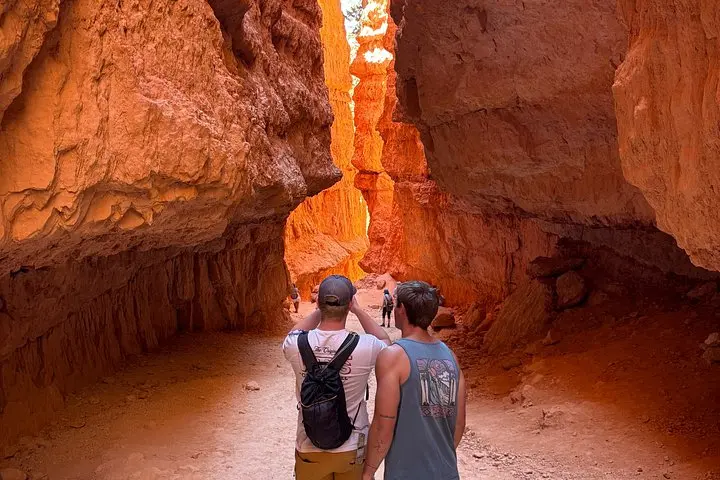
A guided sunrise hike down the Navajo Loop turns Bryce Canyon’s hoodoos from postcard scenery into an intimate geology lesson. Three miles, expert narration, and unforgettable light—this tour is the quickest way to understand how ice, time, and wind carved a city of stone.