
What the day feels like
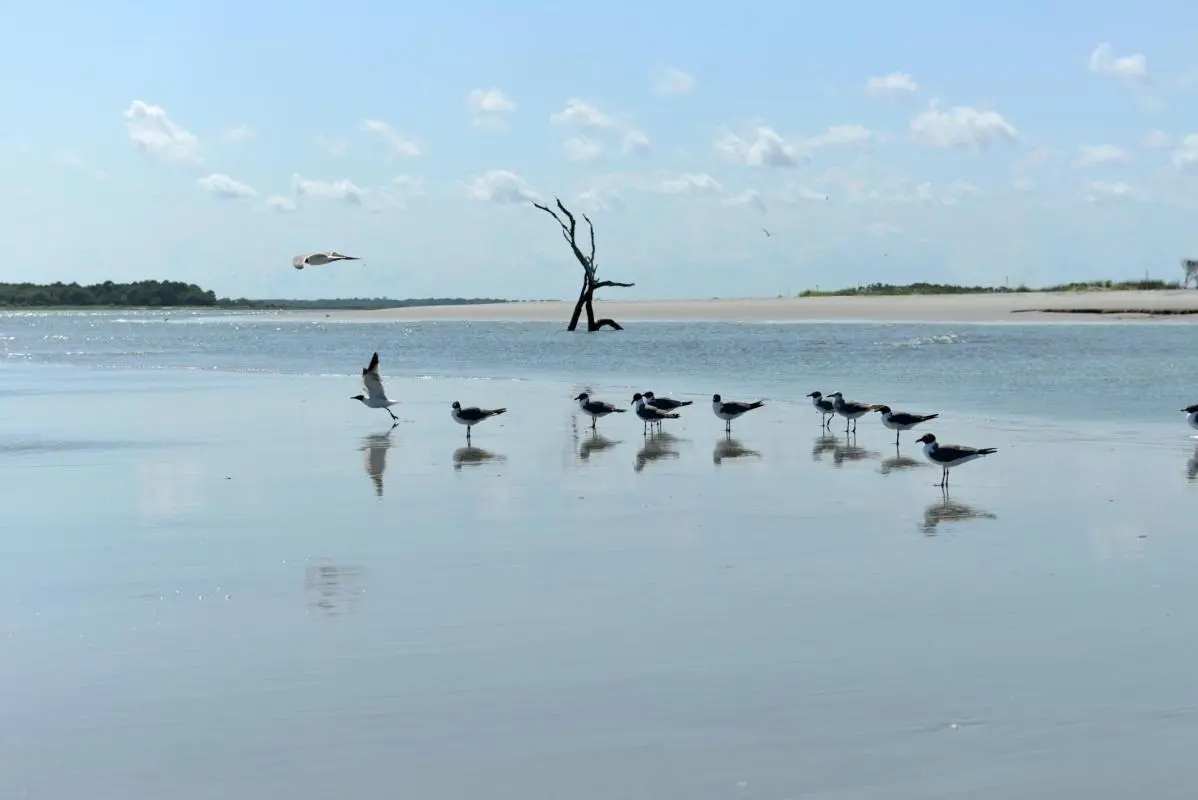
The Atlantic wakes slowly over Folly Beach. At first it’s a thin, pearly light that slides across the sand, and then the ocean reasserts itself—foam lacing the shoreline, gulls testing the incoming tide, and the distant hum of a shrimp boat breaking the horizon. Walk a few minutes from Center Street and the town’s sleepy storefronts fall away; you’re left with broad, flat sand underfoot and the ocean doing what oceans do best: inviting, testing, and moving you forward.
Folly Beach is not just a strip of sand. It’s a living edge—a barrier island that stands between Charleston Harbor and the open Atlantic, shaped over centuries by tides, storms and human hands. That movement is easy to feel here: channels shift, dunes rise and fall, and the beach that greeted you this morning may look different after a nor’easter. That dynamism is part of Folly’s personality. The sea has agency; it rearranges the rules, and the island answers in kind.
A local vernacular animates the place. Surfers know the Washout like a mood—when it’s on, it’s on; when it’s off, surfers drift toward the pier or out to the quieter points. Kayakers slip through braided tidal creeks behind the island, where marsh cordgrass stands like sentinels and ospreys hunt the exposed flats. Anglers arrive before sunrise and parse the sky for signs of mullet and redfish, while families gather shells and fly kites on wide, forgiving stretches of sand. At dusk, the pier becomes a slow procession of photographers, fishers, and people who have come to watch the light go down.
Geology and history are folded into the experience. Folly is a barrier island—sand, sea grass and shell—constantly rebuilt by storms and periodic beach nourishment projects to counter erosion. That same shoreline has been part of the Charleston story for centuries: a working coast where shrimpers once tied up their boats and where the rhythms of the sea shaped local life. Today, the town’s low-key surf culture rubs shoulders with the Lowcountry’s culinary heritage — shrimp and oysters still find their way to the table, and the salty, relaxed vibe is unmistakable.
What travelers come here for changes with the tide. Surfers chase breaks at the Washout and the southern ends; families spread on the central beaches near the pier; paddlers and birders slip quietly through creeks and marshes at low tide. There’s a practical side to Folly’s appeal, too: this is a place that rewards timing. Morning light is best for photos and calm paddles; late afternoons bring wind for kite surfers and softer shadows for the pier. If you’re a shore angler, plan around the tide chart and be ready to move along the beach as the fish follow the run.
Practical edges: Folly Beach is flat and walkable—expect long, sandy ambles rather than steep climbs. Most on-island movement is by foot, bike, or short drives; street parking fills up in summer, and there are public access points with restrooms and showers. If you’re bringing a car, arrive early during peak season or aim for a shoulder month. Safety is simple but important: rip currents are real, so swim near lifeguard stations and heed posted flags. Also be mindful of wildlife—sea turtle nesting season runs roughly May through October, and lights on the beach can disorient hatchlings.
Gear and preparation are straightforward. A sturdy pair of water shoes or sandals, reef-safe sunscreen, a daypack with water and snacks, and a lightweight wind layer will cover most days. For specific activities: a soft-top surfboard for variable waves, a stable sit-on-top kayak for exploring tidal creeks, and polarized sunglasses to read shifting water surfaces and spot dolphins offshore.
Timing your visit matters. Spring and fall bring friendlier crowds and pleasant temperatures; midsummer is peak for families and swimmers, but also for heat and humidity. Winter holds its own charms—clean air, fewer people, and surprising surf on cold fronts. No matter when you go, leave some flexibility in your plans; Folly rewards slow, observational travel.
There’s also a civic dimension to your time here. Like many barrier islands, Folly faces erosion and habitat pressure; local dune restoration projects and volunteer beach cleanups are common. Participating thoughtfully—staying off dunes, packing out trash, and following turtle-friendly lighting rules—keeps the place itself healthy for the next sunrise.
Whether you’re chasing a clean, glassy wave at dawn, scanning the flats for a flash of silver, or simply walking until the sand wears you out, Folly Beach keeps its obligations modest and honest. It won’t deliver grand alpine vistas, but it will offer the raw business of being at the coast: salt, sky, tide, and the steady admonition to slow down and let the island move you forward. For travelers who want practical pleasures—good waves, easy access to Charleston, and real salt-air culture—Folly is as direct and rewarding as a line of foam rolling to shore.
Trail wisdom
Small choices, better day.
Check tide charts before you plan
High and low tides change where sandbars and channels expose fish and shell beds—plan paddles and fishing around tides.
Swim near lifeguards and respect flags
Rip currents are possible—choose staffed beaches and follow the posted warnings.
Use reef-safe sunscreen and a sun hat
The Lowcountry sun is strong; protective layers prevent burns and reduce environmental impact.
Keep off restored dunes
Dune vegetation stabilizes the beach—use designated access paths to avoid erosion.
Local knowledge
Read the place, not just the route.
Watch for native species including Bottlenose dolphins, Loggerhead sea turtles.
Keep an eye out for wildlife during the transition between areas and habitats. Respect distance guidelines.
Dune restoration and sea turtle protection are active on Folly; volunteer cleanups and dark-sky practices during nesting season help preserve habitat.
Follow the guide's instructions on size limits, ethical handling, and leave-no-trace practices.
Morris Island Lighthouse viewpoint (visible from the southern end). Tidal creeks behind the island—quiet paddles with marsh and birdlife
Locally recommended viewpoints and quiet spots known best to local operators.
Folly Beach sits on a barrier island that has long been integral to Charleston’s maritime life; the shoreline has been reshaped repeatedly by storms and human efforts to stabilize it.
Maritime roots and regional tradition shape the waterways and working coasts.
Seasonal guide
Four versions of the same landscape.
Spring
Best forbirdwatching · calmer surf for surf lessons · pleasant beach walks
Challengesunpredictable spring storms · soggy marsh trails after rains
Spring brings mild temperatures, migratory birds and surf that’s often manageable for learners; watch for brief storms and check conditions.
Summer
Best forswimming and family beach days · evening pier sunsets · live music on Center Street
Challengescrowds and high heat · increased insect activity in marsh areas
Summer is peak season—warm water and busy beaches. Arrive early to secure parking and seek shady breaks midday.
Fall
Best forsurfing and smaller crowds · warm water after summer · photography at golden-hour
Challengesoccasional tropical activity · variable water temperatures after cold fronts
Fall is ideal for combining surfable waves, thinner crowds and comfortable air temps; September and October are especially sweet.
Winter
Best forlonely beach walks and clear light · cold-front surf sessions · birding on the bay side
Challengescooler water and wind · reduced services at some businesses
Winters are quieter with crisp air, making for introspective walks and surprisingly good surf on the right swell.
Pack with intention
What to bring.
Good to know
Common questions.
Shore fishing generally doesn’t require a permit beyond standard South Carolina saltwater fishing regulations; check state licensing rules for resident vs. non-resident licenses.
Plan the edges
The details that make the day easier.
Folly Beach is a barrier island that has undergone periodic beach nourishment projects to combat erosion and preserve its coastline for residents and visitors.
Folly mixes surfer culture with Lowcountry hospitality—expect fresh shrimp and oysters at local eateries, laid-back surf shops, and live music on weekend nights along Center Street.
- Nearest city
- Charleston (20–30 minutes by car); on-island parking is limited in summer; basic amenities and restaurants clustered near Center Street and the pier; lifeguards on duty seasonally.
Avoid walking on dune vegetation, use turtle-friendly lighting at night during nesting season, pack out all trash, and join local beach cleanups to help protect fragile coastal ecosystems.
Explore by topic
Follow the threads.
Keep exploring
Make the story part of the trip.
 Related story
In eight efficient hours, experience the turquoise drama of Lake Louise and the cathedral-like icefalls of Johnston Canyon. This guided shuttle day trip from Banff/Canmore combines easy access, crisp winter scenery, and practical guidance for a high-reward Rockies outing.
 Related story
See Banff’s signature overlooks and hidden lakes in one compact, expertly guided 2.5-hour loop. Perfect for short-stay travelers who want big scenery without the driving.
 Related story
A guided sunrise hike down the Navajo Loop turns Bryce Canyon’s hoodoos from postcard scenery into an intimate geology lesson. Three miles, expert narration, and unforgettable light—this tour is the quickest way to understand how ice, time, and wind carved a city of stone.