
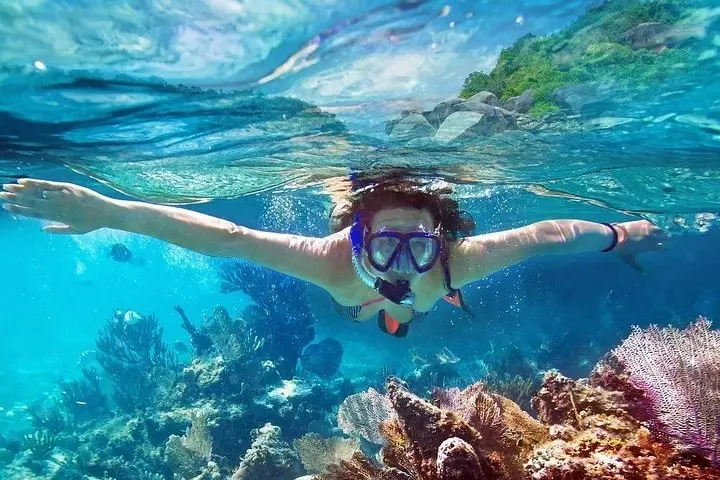
What the day feels like
The sea at first looks like a sheet of glass—pale turquoise that slips off into darker blues where the reef begins. You step into a skiff in Kalpitiya before dawn, the horizon a thin pencil line, and the boatman thumbs the engine so the wake barely ruffles the water. Ten minutes later the shallow tops of living coral appear like islands under glass: brain coral bulging like old city walls, staghorn branching into shadow, and shoals of small, flash-bright fish darting through the latticework. This is Bar Reef Marine Sanctuary, and the two-hour snorkeling trip here is less about a single spectacle than about proximity—how close you can get to a vibrant underwater neighborhood without disturbing it.
Bar Reef sits off Sri Lanka’s northwestern coast, a stitch of reef that cushions the shoreline near Kalpitiya. Geologically it’s a shallow patch reef—coral growth anchored on a limestone base—concentrated in waters often knee- to shoulder-deep at low tide and reaching a few meters at its deeper edges. That intimate profile makes it a prime site for first-time snorkelers and photographers who don’t want to plunge into deep water to find tropical life. History threads through the coral here: local fishermen have worked these shoals for generations, and the area was designated a protected Marine Sanctuary to preserve both reef structure and the livelihoods that depend on it.
Culturally, Kalpitiya is a peninsula of contrasts: Muslim fishing villages where nets fold like silver flags, Hindu kovils and Catholic churches marking a layered history, and a growing surf-and-dive economy. The reef has been central to local conservation conversations—tourism gives an economic reason to protect coral, but it also brings more boats and sunscreen into sensitive zones. That’s why licensed operators emphasize low-impact snorkeling: float, look, and let the reef be. If you want a deeper dive into local expertise, check a local guide listing for the Bar Reef Marine Sanctuary here: <a href="https://app.advcollective.com/local-experts/snorkel-bar-reef-marine-sanctuary-kalpityas-best-shallow-water-coral-encounter">Bar Reef Marine Sanctuary snorkel guides</a>.
On the water the pace is deliberate. The guide briefs you—how to clear your snorkel, use fins without kicking coral, and signal if you need help—then the group slips over the side one at a time. You don’t need strong swimming chops, but you do need composure: keep your body horizontal, let the fins do the work, and let the current move you. Fish will get close enough to examine you; a hawksbill turtle may lumber by, unbothered. Currents and light sculpt the scenery minute by minute: a sunbeam turns a patch of sand into a stage and the tiny clownfish are the performers.
Why book this trip? For sheer accessibility: this is a shallow water coral experience that rewards minimal equipment and offers a high probability of close encounters with reef life. For photographers it’s a living, moving canvas—if you keep low shadows and slow movements, the reef rewards patience. For travelers who want to connect with conservation, a shore-based explanation from guides about coral stressors and responsible tourism brings context to what you see.
Practicalities matter. The tour is short—about two hours—so aim for calm seas by choosing morning departures during the dry season. Use reef-safe sunscreen, wear a rash guard or wetsuit top, and bring a snug mask; a poorly fitting mask ruins the experience faster than anything. Boat operators typically provide snorkel gear but inspect it: clean snorkel tubes and anti-fog-treated lenses are worth requesting. Expect basic comforts—simple boats, shaded areas on deck, and water stored in jerrycans. Cell service will fade once you leave the harbor; camera batteries and a dry bag are essential.
This is not a remote, multi-day expedition. It’s a high-value, bite-sized encounter with coral ecology that can be combined with kitesurfing lessons, lagoon birding, or a slow afternoon at a coastal tea shop. The effect is cumulative: a single snorkel here can change how you think about coastal stewardship, local economies, and the fragile balance of tropical reefs.
If you go, treat the reef like a museum: observe closely, don’t touch the exhibits, and support guides who give back to the community. For a practical jumpstart, read operator listings before you book and look for small group sizes and clear conservation messaging. And when you climb back into the boat, towel off and sit for a few minutes—let the salt and the new images settle. The reef has already started to work on you: patient, unassuming, and full of life.
Trail wisdom
Small choices, better day.
Book a morning slot
Winds are typically lighter and water clearer in the morning, giving you calmer seas and better visibility.
Bring reef-safe sunscreen
Avoid oxybenzone- and octinoxate-based sunscreens to protect coral; wear a UV shirt for extra coverage.
Use a snug mask
A well-fitting mask keeps water out and lets you focus on wildlife rather than clearing your lens.
Float, don't stand
Shallow areas hide fragile coral—if you need to rest, float on your back or return to the boat rather than touching the reef.
Local knowledge
Read the place, not just the route.
Watch for native species including Hawksbill and Green Turtles, Parrotfish and Butterflyfish shoals.
Keep an eye out for wildlife during the transition between areas and habitats. Respect distance guidelines.
Local operators emphasize no-touch policies, limit group sizes, and promote reef-safe sunscreen to reduce coral stress.
Follow the guide's instructions on size limits, ethical handling, and leave-no-trace practices.
Pristine sandbanks near Kalpitiya lagoon for post-snorkel lounging. Small coastal seafood stalls in Kandakuliya for fresh grilled fish
Locally recommended viewpoints and quiet spots known best to local operators.
Bar Reef was declared a marine sanctuary to protect its extensive shallow coral formations and the coastal communities that rely on them.
Maritime roots and regional tradition shape the waterways and working coasts.
Seasonal guide
Four versions of the same landscape.
Spring
Best forCalmer mornings · Good visibility · Fewer tourists
ChallengesOccasional showers · Variable winds
Spring brings steady conditions and improving visibility—still bring a light rain layer for brief squalls.
Summer
Best forWarmer water · Longer daylight · Soft afternoon light for photos
ChallengesStronger afternoon winds · Choppier seas
Summer months can be hot and windier later in the day; book earlier trips to avoid chop.
Fall
Best forStill water windows · Manta and larger animal sightings possible · Lower tourist numbers
ChallengesTransitioning monsoon patterns · Unpredictable seas
Fall can offer excellent snorkeling between seasonal shifts—watch forecasts and choose calm days.
Winter
Best forPeak visibility · Stable seas · Ideal kitesurfing onshore conditions
ChallengesBusy tourism periods · Higher boat traffic
Winter is the optimal season for clear water and steady conditions; plan ahead for availability.
Operator details
What the booking data adds.
Included
- ✓Snorkeling equipment provided
- ✓Boat ride to the coral reefs
Not included
- —Hotel Pick & Drop
- —Gratuties
Good to know
- ✓Public transportation options are available nearby
- ✓Not recommended for travelers with spinal injuries
- ✓Not recommended for pregnant travelers
- ✓Not recommended for travelers with poor cardiovascular health
- ✓Travelers should have a high level of physical fitness
Pack with intention
What to bring.
Good to know
Common questions.
No—this is a shallow water snorkel suitable for confident beginners, but you should be comfortable floating and breathing through a snorkel.
Plan the edges
The details that make the day easier.
Bar Reef is one of Sri Lanka’s largest and most significant reef systems and is protected as a marine sanctuary to conserve its shallow coral gardens and fisheries.
After a snorkel, head to Kalpitiya’s waterfront stalls for freshly grilled fish and coconut sambol, try local arrack or a king coconut, and visit the lagoon markets where fishermen sell the day’s catch.
- Closest airport
- Bandaranaike International Airport (CMB) ~3–4 hour drive; Launch point: Kalpitiya harbor or nearby boat ramps; Cell service: reliable onshore, spotty offshore; Permits: Operators generally handle sanctuary access—book licensed guides.
Bar Reef is ecologically sensitive—use reef-safe sunscreen, avoid touching coral, follow guide instructions, and favor operators who contribute to local conservation.
Explore by topic
Follow the threads.
Keep exploring
Make the story part of the trip.
 Related story
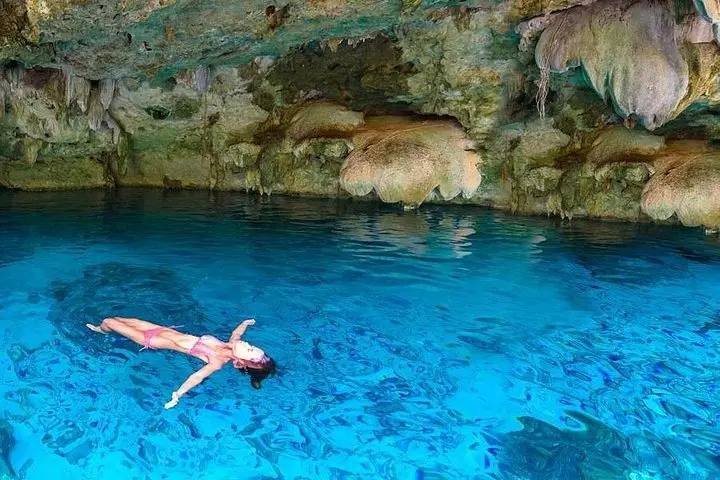
Dive into the Yucatán’s secret freshwater caverns and drift over the shallow reef gardens of Yalku Lagoon—an accessible, half-day snorkel pairing that blends geology, Mayan history, and vivid marine life.
 Related story
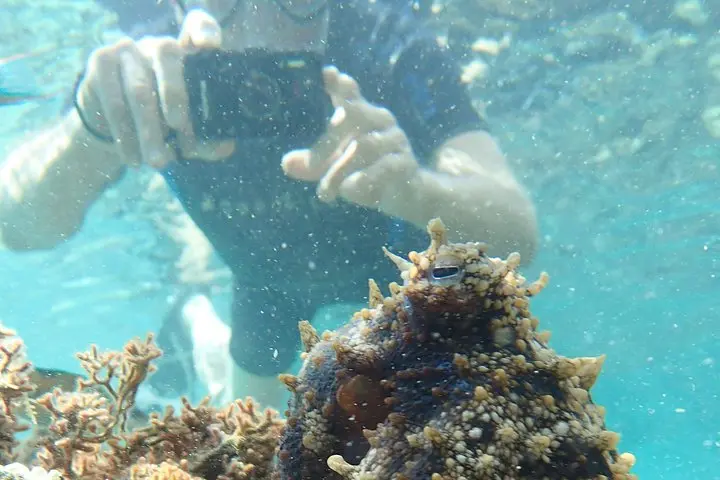
Slip beneath Porto Santo’s sunlit surface to find a mosaic of seagrass meadows, volcanic shelves, and playful schools of fish. This three-hour snorkeling tour pairs small-group access with local stewardship—ideal for travelers who value marine life over crowds.
 Related story
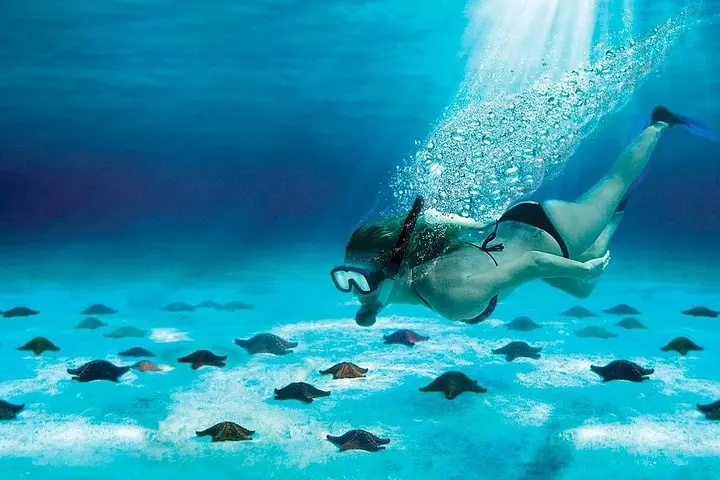
Spend a day on a high-speed boat exploring Cozumel’s famed reefs and the shallow sand flats of El Cielo. This full-day trip offers clear water, abundant marine life, and guided snorkeling at three prime sites—ideal for both first-timers and seasoned reef lovers.