
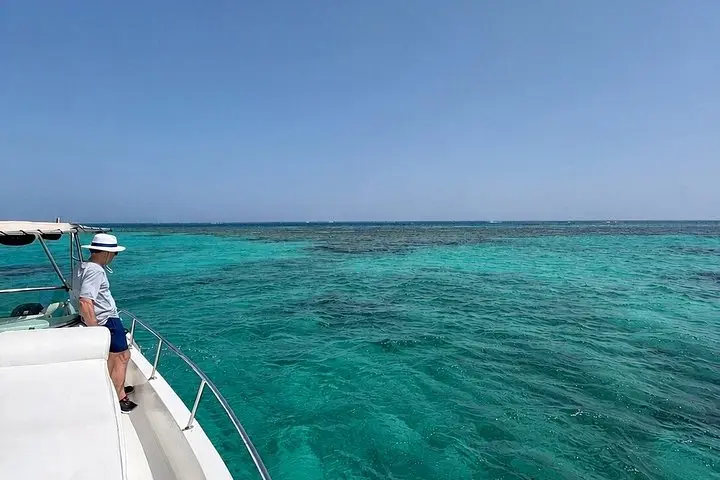
What the day feels like
By midmorning the city’s heat slants off the pavement and the Red Sea’s surface becomes a sheet of glass—only punctured by a wake as your private skiff eases away from a Jeddah marina. For five hours you leave the city’s high-rises and shipping cranes behind and enter a salt-scented, luminous world where coral gardens sit in shallow clarity and the horizon reads like an invitation. This is a private boat trip designed not for speed but for a careful encounter: swimming, snorkeling, and small-group exploration (up to five people) that feels intimate and deliberate.
Geology and history are present in the water itself. The Red Sea is a young ocean, formed as the Arabian and African plates split apart; its long, narrow basin and limited exchange with open ocean make its waters warm and saline and allow thick reefs to build where conditions permit. These reefs have been a waypoint for sailors for millennia—ancient mariners, pilgrims bound for Mecca, and trading dhows all threaded these same currents. Today the patch reefs off Jeddah read like living artifacts: branching staghorn and massive boulder corals, carpeted with colorful fish and occasional lionfish or moray eels.
The cultural backdrop is as immediate as the tide. Jeddah is the commercial and cultural gateway to western Saudi Arabia—an old port city with a cosmopolitan past. Before or after your half-day on the water you can stroll Al-Balad’s coral-stone facades, where wind towers and narrow lanes speak to centuries of trade across the Red Sea. Onboard, your captain may point out the shipping lanes toward the Suez or trace the route of ancient spice caravans; these boats are modern but the sea remembers older passages.
Why choose a private trip? First, control: the itinerary is yours, whether you want extra time at a favored snorkel spot or a relaxed lunch anchored in a sea-scented cove. Second, intimacy—groups of five mean unobstructed views and less pressure on reefs crowded with commercial operators. Third, access: smaller private craft can slip into shallow coral fields that larger tours avoid.
Practicalities matter. The trip runs roughly five hours and is priced from about USD 850 for the private charter; that will vary with season and extras. Expect basic snorkeling gear to be available, but if you prize a well-fitting mask or want to film underwater, bring your own. Shade is minimal on small skiffs: pack sun-protective clothing, reef-safe sunscreen, and a good hat. Water bottles and light snacks are essential—the sea’s glare and movement cause you to sweat even when you’re bobbing in clear water.
Safety is straightforward but non-negotiable. Captains operate to local regulations and understand currents and wind patterns; they’ll brief you on snorkeling protocols and the day’s plan. There’s no alcohol permitted on most local vessels in Saudi waters—respect local laws and customs. Keep a respectful distance from coral; it’s fragile, slow-growing, and increasingly stressed by warming seas. The best operators emphasize conservation: short swims, no-touch rules, and no anchoring on reef heads.
Timing your trip affects everything. Winter (November–February) brings milder air temperatures and calm seas—ideal for visibility and comfort. Spring can produce breezy days that make the ride lively, while summer is intensely hot with rougher water and reduced comfort for sun-sensitive travelers. For photographers, early morning light provides soft faces on the water and fewer crowds; late afternoons can bring pastel skies on the run back to shore.
What you’ll remember is sensory: the shock of warm seawater on your knees as you step off the boat, the way sunlight threads through blue water to illuminate a soldierfish hovering near coral, and the quiet of floating—only your breath and the hush of small waves. On land, the city’s contrasts return quickly: modern waterfront promenades, seafood restaurants where fish is caught the same morning, and a cultural pulse that feels both new and rooted in centuries of maritime exchange.
Book this experience if you want a short, high-impact marine outing without the logistics of a large tour—families, friend groups, and travelers who prize privacy all find this format rewarding. Expect five hours of sea time, a knowledgeable local captain, and the flexibility to shape the day. Bring good footwear for wet boarding, a well-fitting snorkel mask, and a disposition for close-looking rather than high-speed thrills.
The Red Sea can be generous to those who visit carefully. Enter the water softly, follow the captain’s instructions, and leave the reef as you found it. In return, you’ll come away with frames of turquoise coral, a memory of a private sea, and the sense that for a few hours you saw the Red Sea on its own terms—warm, ancient, and stubbornly alive.
Trail wisdom
Small choices, better day.
Bring Your Own Mask
Rental masks are often ill-fitting—bring a well-padded, anti-fog snorkel mask for better visibility and comfort.
Use Reef‑Safe Sunscreen
Choose mineral-based sunscreen and reapply in the shade to protect coral and your skin.
Hydrate Before You Go
Five hours on the water in Saudi heat can dehydrate you—start well hydrated and carry extra water.
Follow No‑Touch Rules
Don’t stand on or touch coral; fins and hands can damage fragile structures permanently.
Local knowledge
Read the place, not just the route.
Watch for native species including Parrotfish, Hawksbill turtle (occasionally).
Keep an eye out for wildlife during the transition between areas and habitats. Respect distance guidelines.
Reef ecosystems here face pressure from warming seas and local development—operators encourage no‑touch snorkeling and use of reef‑safe sunscreens.
Follow the guide's instructions on size limits, ethical handling, and leave-no-trace practices.
Shallow reef patches with high visibility nearshore that are ideal for snorkeling. Coastal mangrove pockets and quieter coves where shorebirds gather
Locally recommended viewpoints and quiet spots known best to local operators.
Jeddah has long been a trading port and gateway for pilgrims—the city’s maritime history is visible in its old port districts and coral‑stone architecture.
Maritime roots and regional tradition shape the waterways and working coasts.
Seasonal guide
Four versions of the same landscape.
Spring
Best forGood visibility · Active marine life · Fewer crowds
ChallengesBreezy days · Occasional sand in the air
Spring offers lively reef activity and comfortable sea temperatures, though winds can pick up and create chop.
Summer
Best forWarmest water · Long daylight hours
ChallengesHigh heat and humidity · Stronger sun exposure
Summer brings hot air temperatures and stronger sun; mornings are best for comfort and visibility.
Fall
Best forCalmer seas · Warm evenings
ChallengesIntermittent wind shifts · Variable water clarity
Autumn balances warm water with easing heat ashore—visibility can be excellent on calm days.
Winter
Best forMild temperatures · Calm seas · Excellent visibility
ChallengesCooler mornings · Higher demand from visitors
Winter is the most comfortable and predictable season for a private charter, with calmer seas and clearer water.
Operator details
What the booking data adds.
Included
- ✓Bottled water
- ✓Snacks
- ✓Guided snorkeling sessions
Not included
- —Personal towels
Good to know
- ✓Public transportation options are available nearby
- ✓Infants are required to sit on an adult’s lap
- ✓Suitable for all physical fitness levels
Pack with intention
What to bring.
Good to know
Common questions.
The private charter is approximately five hours from departure to return.
Plan the edges
The details that make the day easier.
The Red Sea is among the warmest and saltiest sea bodies due to high evaporation and limited exchange with open oceans—conditions that helped support unique reef communities.
After the trip, head to a seafood restaurant along the Jeddah Corniche for grilled fish and local bread, or explore Al‑Balad’s cafés for coffee and dates—these spots connect the marine outing to the city’s coastal food culture.
- Closest airport
- King Abdulaziz International Airport (JED). Typical drive to marina: 30–40 minutes from the airport. Cell service: generally good nearshore, intermittent farther offshore. Permits: No special permits for tourists, but confirm with operator; alcohol is prohibited in Saudi Arabia.
Support operators that practice no‑anchor zones, use mooring buoys, and enforce no‑touch rules; use reef‑safe sunscreen and pack out all trash to reduce impact on sensitive coral habitats.
Explore by topic
Follow the threads.
Keep exploring
Make the story part of the trip.
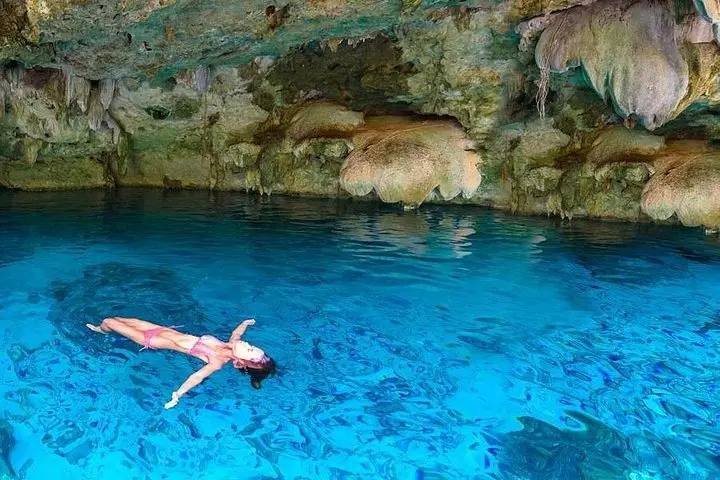 Related story
Dive into the Yucatán’s secret freshwater caverns and drift over the shallow reef gardens of Yalku Lagoon—an accessible, half-day snorkel pairing that blends geology, Mayan history, and vivid marine life.
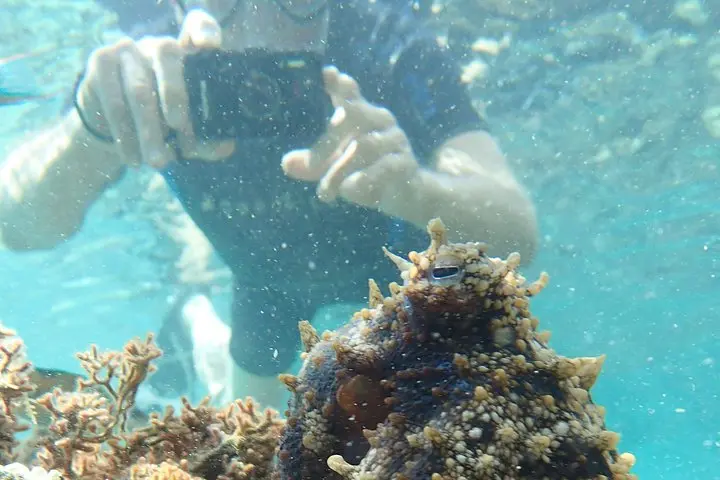 Related story
Slip beneath Porto Santo’s sunlit surface to find a mosaic of seagrass meadows, volcanic shelves, and playful schools of fish. This three-hour snorkeling tour pairs small-group access with local stewardship—ideal for travelers who value marine life over crowds.
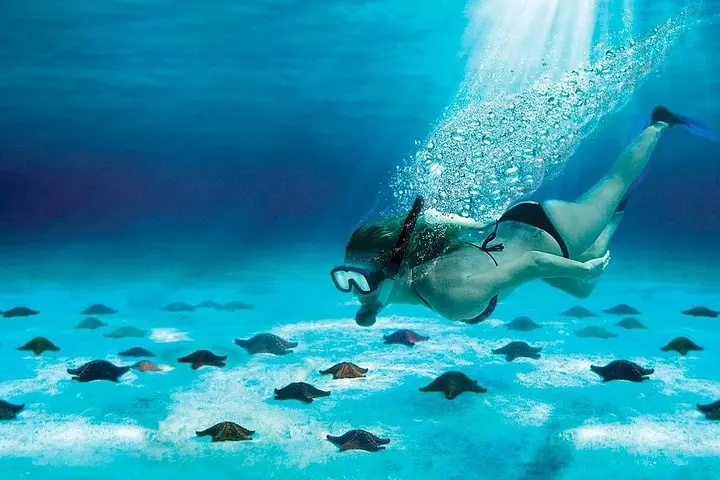 Related story
Spend a day on a high-speed boat exploring Cozumel’s famed reefs and the shallow sand flats of El Cielo. This full-day trip offers clear water, abundant marine life, and guided snorkeling at three prime sites—ideal for both first-timers and seasoned reef lovers.