
What the day feels like
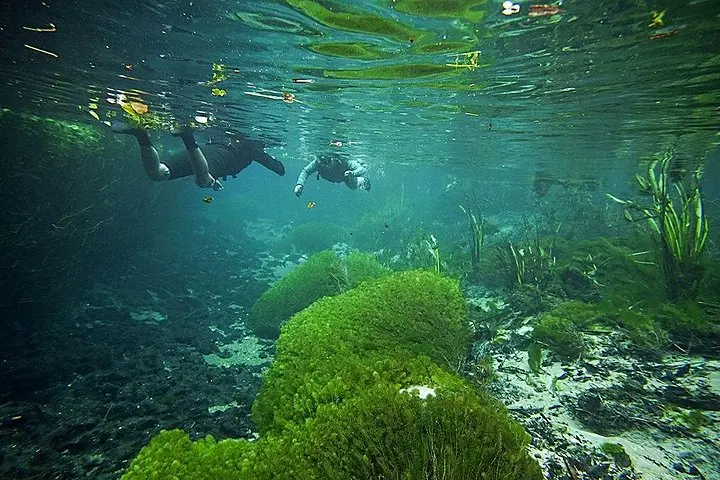
You push off from a tiny pier and the world tilts into a hush. The boat hums away and the river—so impossibly clear it reads like a sheet of blown glass—opens beneath you: broad swathes of submerged grasses sway like slow-motion waves, and schools of metallic fish orbit patches of sunlight. In Bonito, Brazil, the first inhale is always environmental: humid, green, and intimate. This four-hour outing takes you into the spine of that intimacy—on a short boat transfer to Hacienda São Geraldo and then into the gentle bite of the Rio Sucuri, where the current does most of the navigation and you get to watch the river's life unfold.
There is a practical magic to the Sucuri: water filtered through limestone aquifers leaves sediments behind and sends visibility through the roof. You don't so much swim here as drift through a living diorama. Piraputangas, Pacu and Corimbas—local fish species named as confidently as old friends—navigate the vegetation like commuters. The river dares you to slow down; resist the impulse to race and let the current push you forward. For many visitors, this is less about making a splash and more about dissolving into the scene.
Bonito sits in Mato Grosso do Sul, a state that reads like an ecologist's case study. Its karst topography—caves, sinkholes, subterranean channels—gives the landscape a layered history. Indigenous peoples and European settlers both left marks, but the landscape itself has been the loudest author: limestone and water shaping valleys and funneling springs that sustain a high level of aquatic biodiversity. Over recent decades, Bonito's reputation as Brazil's ecotourism capital has grown because local communities have tied conservation and tourism closely together. Small-scale, guided experiences like this snorkeling trip are how the area balances access with protection.
Culturally, Bonito is quietly deliberate. Guides here often come from families that have stewarded the rivers for generations; they are as likely to tell you about fish spawning cycles as they are about the right local lunch to order afterward. The Hacienda São Geraldo landing feels private—more like an old family estate than a tourist complex—so you get a sense of place, not a factory experience.
Practicalities matter: the tour is four hours, includes hotel pickup and drop-off from central Bonito and a 1,300-meter boat ride to the hacienda before you enter the river. Expect a small group, a guide who briefs you on river etiquette, and provided snorkel gear. The current is gentle, so basic swimming comfort is all you need; a steady float and a willingness to keep still will reward you with clear views and curious fish.
If you want to learn more or book directly, this trip is described in depth at the Adventure Collective: <a href="https://app.advcollective.com/local-experts/snorkel-the-crystal-currents-of-rio-sucuri-a-4-hour-bonito-adventure">snorkel the crystal currents of Rio Sucuri</a>. The local guide teams emphasize small groups, careful briefing and the right equipment, all of which add up to memorable underwater sightings without pushing the ecosystem.
Timing is part of the strategy. Southern-hemisphere winter (June–August) brings lower rainfall and crisper visibility, while shoulder seasons can still be stunning but with more cloud cover and slightly higher water movement. Bring reef-safe sunscreen, a snug mask, and a sense of patience; the best encounters happen when you stop trying to chase fish and let them come to you.
On the logistics front, most visitors fly into Campo Grande and make a road transfer to Bonito, though limited flights serve Bonito at times. Once in town, hotel pickups are standard for this tour. Cell service can be intermittent once you move away from the town center; consider offline maps and a printed meeting point. And because conservation is a local priority, expect the guide to ask you to avoid touching vegetation, stepping on the riverbed or feeding fish.
Why go? Snorkeling the Sucuri is sensory clarity and low-impact access rolled into one. It’s ideal for people who like their adventure measured: enough active movement to feel present, not so much that you miss the scenery. Families, couples and solo travelers will all find something here—whether it’s the hush of a submerged meadow or the quiet thrill of spotting a shy Pacu in the weeds.
After the float, you return to Bonito with time to explore town markets, try locally caught fish, or slowly trade the wet suit for a seat at a shaded cafe. The memory that sticks is the river’s patience: give it time, and it will show you whole underwater worlds as if installed for your viewing.
Practical booking note: tours like this typically last about four hours and include equipment and transfers; always confirm what’s included when you reserve. For more on the route, local operators and seasonal tips, visit <a href="https://app.advcollective.com/local-experts/snorkel-the-crystal-currents-of-rio-sucuri-a-4-hour-bonito-adventure">this local-expert guide</a>. Whether you’re seeking wildlife, crisp underwater visibility, or a calm river drift that still feels like an expedition, Rio Sucuri delivers a tidy, unforgettable answer.
Trail wisdom
Small choices, better day.
Use Reef-Safe Sunscreen
Apply biodegradable sunscreen before boarding—chemicals can harm aquatic plants and visibility.
Fit Your Mask Carefully
A snug, leak-free mask keeps the experience comfortable and prevents interruptions on the river.
Float, Don’t Swim
Let the current carry you and keep swimming to a minimum to avoid stirring sediment and scaring fish.
Listen to Your Guide
Local guides know subtle cues about wildlife locations and safety—follow instructions for best sightings.
Local knowledge
Read the place, not just the route.
Watch for native species including Pacu, Piraputangas.
Keep an eye out for wildlife during the transition between areas and habitats. Respect distance guidelines.
Tour operators work closely with local authorities to control visitor numbers and protect riparian vegetation—use reef-safe sunscreen and avoid disturbing the riverbed.
Follow the guide's instructions on size limits, ethical handling, and leave-no-trace practices.
Hacienda São Geraldo landing—a quiet, private river access with good shoreline birding. Early-morning floats—arrive at first light for calmer water and fewer boats
Locally recommended viewpoints and quiet spots known best to local operators.
The Bonito region’s karst landscape and limestone springs shaped how people lived here; the area’s modern ecotourism movement grew as locals shifted from extractive industries to conservation-based economies.
Maritime roots and regional tradition shape the waterways and working coasts.
Seasonal guide
Four versions of the same landscape.
Spring
Best forWildflower-lined banks · Warmer air temps
ChallengesOccasional higher water levels · More cloud cover some days
Spring (Sept–Nov) brings warming weather and lush vegetation—good visibility most days, though rains can change current conditions.
Summer
Best forLively river-edge wildlife · Longer daylight hours
ChallengesHigher humidity and heat · Afternoon showers possible
Brazilian summer (Dec–Feb) is hot and vibrant; mornings are best for calm water and clearer snorkeling.
Fall
Best forLower crowds · Crisp mornings
ChallengesVariable rainfall · Slight changes in water clarity
Autumn (Mar–May) is transitional—still excellent for snorkeling but keep an eye on weather forecasts.
Winter
Best forBest visibility · Dry skies and cool air
ChallengesCooler mornings · Bring an extra layer
Winter (June–Aug) usually offers the clearest water and the sharpest underwater viewing—prime time for photographers.
Operator details
What the booking data adds.
Included
- ✓Hotel pickup and drop-off
- ✓Professional guide
- ✓Suit and mask
- ✓Snorkel equipment
Not included
- —Food and Beverages
- —Government Fees - Environmental Conservation Fee. BRL 15.00 per person
Good to know
- ✓Infants are required to sit on an adult’s lap
- ✓Travelers should have a high level of physical fitness
- ✓This tour is prohibited for children under 4 years old
- ✓The start time of the tour provided is estimated, the exact time will be informed upon booking
- ✓The following information is required when booking: Full name, Date of birth, Gender, Identification document (CPF for Brazilians or passport for foreigners), Country, state, and city of origin, Relevant information (such as allergies, reduced mobility, etc.)
Pack with intention
What to bring.
Good to know
Common questions.
The overall experience is about four hours including transfers and a 1,300-meter boat ride; the float on the river typically lasts around 60–90 minutes depending on group flow and conditions.
Plan the edges
The details that make the day easier.
The clarity of rivers around Bonito—including Rio Sucuri—comes from limestone aquifers that filter water through karst systems, giving some stretches visibility that can exceed 25–30 meters.
After your float, head into downtown Bonito for grilled river fish, local stews and fresh fruit juices—small family-run restaurants serve the best regional dishes. Finish with a cold local beer or mate-style tea while chatting with guides about conservation work.
- Closest major airport
- Campo Grande (CGR); Driving time to Bonito: ~4 hours from Campo Grande; Meeting point: central Bonito hotels (hotel pickup typically included); Cell service: generally good in town, limited at river sites; Permits
- fees
- river access and reserve fees are usually managed by the tour operator—confirm on booking.
This river is fed by fragile karst aquifers—use reef-safe sunscreen, avoid touching vegetation or the riverbed, take all trash with you and support local guide programs that reinvest in conservation.
Explore by topic
Follow the threads.
Keep exploring
Make the story part of the trip.
 Related story
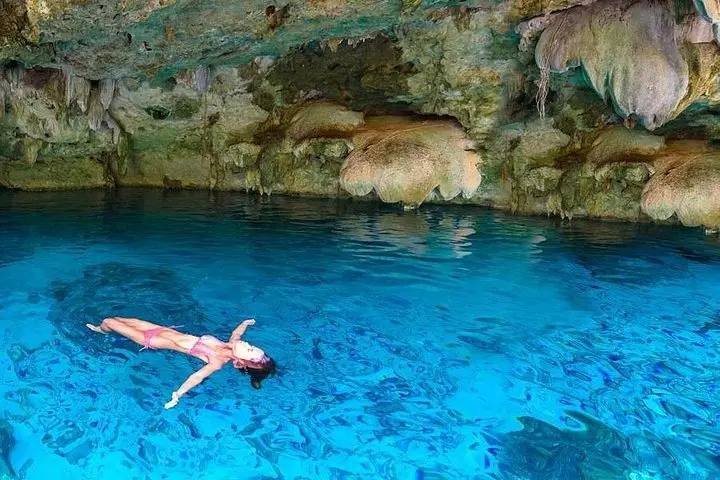
Dive into the Yucatán’s secret freshwater caverns and drift over the shallow reef gardens of Yalku Lagoon—an accessible, half-day snorkel pairing that blends geology, Mayan history, and vivid marine life.
 Related story
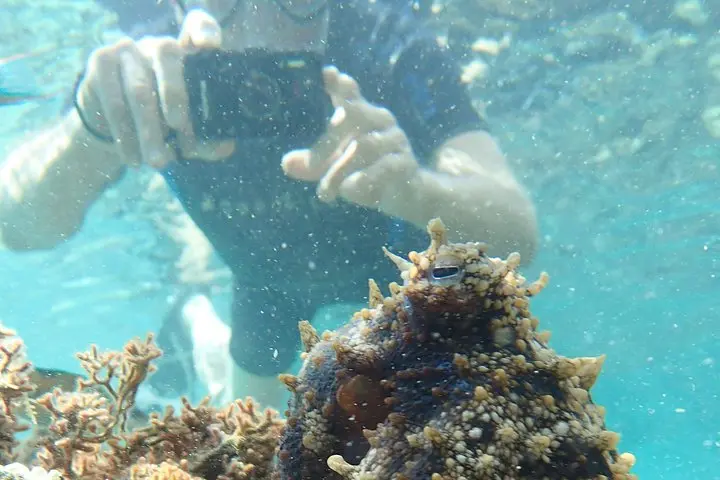
Slip beneath Porto Santo’s sunlit surface to find a mosaic of seagrass meadows, volcanic shelves, and playful schools of fish. This three-hour snorkeling tour pairs small-group access with local stewardship—ideal for travelers who value marine life over crowds.
 Related story
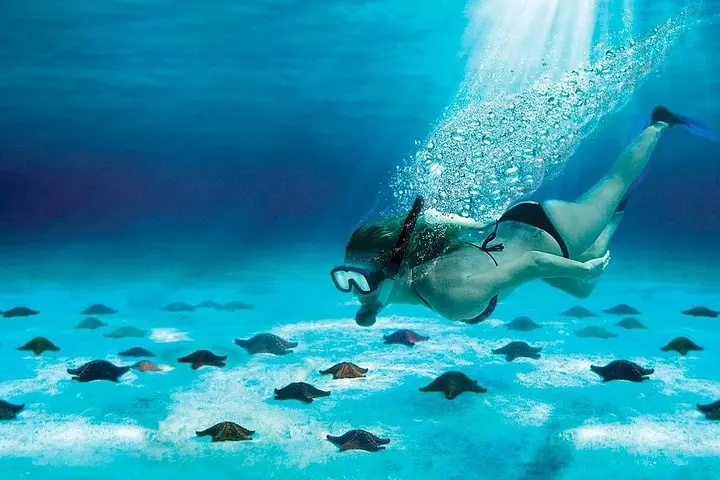
Spend a day on a high-speed boat exploring Cozumel’s famed reefs and the shallow sand flats of El Cielo. This full-day trip offers clear water, abundant marine life, and guided snorkeling at three prime sites—ideal for both first-timers and seasoned reef lovers.