
What the day feels like
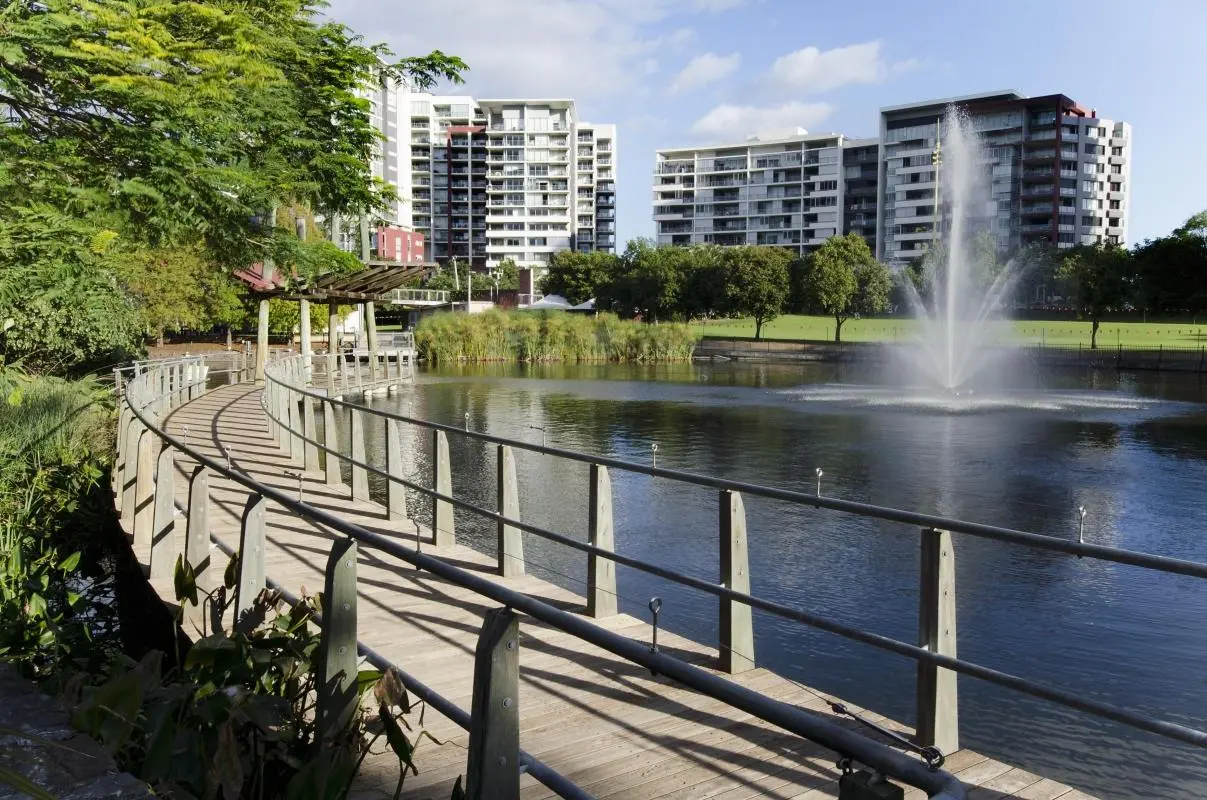
You step off the hum of Brisbane’s streets and into a different tempo—one of rustling leaves, bird calls and a heat that smells faintly of citrus and earth. Roma Street Parkland sits like a secret kept on purpose: a wide, cultivated expanse of subtropical gardens folded into the city’s northern edge, where curving paths drop into fern-filled hollows and open onto terraces of bright, engineered planting. It’s the kind of urban greenroom that begs you to linger, to slow, to look at the city from the perspective of a slow-moving walker rather than a speeding commuter.
The parkland’s story is quietly civic. Once a working railway yard and part of the city’s transport infrastructure, the site was reclaimed and redesigned in the late 20th century as a deliberate piece of urban nature—a demonstration of how a city can turn industrial land into public landscape. The result is less a manicured botanical garden and more a living collage: sweeping lawns, tightly pruned flowerbeds, meandering waterways and dense, shady gullies planted with native and subtropical species. The planting is deliberate; beds are layered to bloom sequentially through the year, and pathways are engineered to reveal views when you need them and hide them when you don’t.
Geology here isn’t dramatic—the country rock of southeast Queensland is folded under gentle hills—but the park uses subtle grade changes to great effect. Paths switchback through terraces, lined with stone and hardwood benches; small dams and channels collect run-off and create pockets of reflective water that attract dragonflies, egrets and the occasional turtle. The life in the park is what gives it personality: rainbow lorikeets cartwheel overhead; brush turkeys patrol the leaf litter with a suspicious air; water dragons sun themselves on the stone edges. The park can feel animated with agency—the trees seem to lean in, the creek dares you to find its hidden glades, the breeze arranges a soundtrack of city and bird.
This is a place designed to be walked. A quick circuit of the central lawns and terraces is an easy 1–2 kilometer loop—level underfoot and generously paved—while deeper exploration into the plant collections and fern gullies lengthens the route into a 3–4 kilometer excursion of graded paths and boardwalks. For newer visitors, a private walking tour is an efficient way to read the park like a book: guides point out horticultural highlights, the purpose behind planting choices and the best microclimates for afternoon shade. For those who want to pair the park with the city, a half-day private tour will stitch Roma Street into a larger Brisbane story—linking the park to riverside walkways, cultural precincts and local food hubs.
If you want perspective, book a short helicopter scenic flight that lifts you above the parkland and the broader sweep of Brisbane. From a glass-doored helicopter the park reads like a green heart at the city’s rim, its curving beds and terraces set against the grid of streets and the braided line of the Brisbane River. Sunset flights, in particular, paint the park and skyline in a discrete palette—leftover daylight on stonework, windows glowing, layered clouds to the west.
Practicalities are refreshingly straightforward. Roma Street Parkland is largely flat and accessible; most routes are compacted gravel or paved paths, and seating is frequent. The climate is subtropical—mornings can be cool in winter and humid in summer—so plan around midday heat if you’re visiting in the summer months. There are public toilets, but food options are limited inside the park itself, so pack water and snacks or plan to cross into the CBD for a longer café stop. The park is free to enter and quiets down as evening deepens, though check the city events calendar—community performances and festivals can transform the space into a lively public venue.
For travelers, Roma Street Parkland is both a destination and a hinge. It’s a green pause between urban activities; a place to learn about Brisbane’s suburban ecology and civic planning; and an easy, restorative stop for families, solo walkers and photographers. Bring comfortable shoes, a hat, a refillable water bottle, and a sense of curiosity. Walk the terraces slowly—the park rewards those who read its patterns rather than rush them.
Why go: For an immediate dose of subtropical variety without leaving the city. For birdwatching and close-up botanical viewing. For a soft, civilized way to experience Brisbane’s climate and community planning. For the juxtaposition of engineered horticulture and untamed pockets of wildlife.
How it suits the activities: Private walking tours pair perfectly with Roma Street’s layered design—guides translate horticultural choices, highlight microhabitats and point out hidden sitting spots. The longer private half-day tours make the park a signature stop on a broader Brisbane introduction. Helicopter flights are a different form of intimacy: from above, you understand the park’s geometry and relationship to the river and mountains beyond.
Timing and prep: Early morning offers bird activity and softer light; late afternoon gives cooler temps and long shadows. Leave midday for indoor museums or a riverside lunch. Wear sturdy walking shoes on mulch and boardwalk sections, carry insect repellent in warmer months, and bring a small field guide app if you’re into birding.
Roma Street Parkland is less a single must-see and more a city-scale experience compressed into green. It invites you to slow down, read the layers, and see Brisbane’s relationship with its subtropical environment in a comfortable, accessible, and surprisingly varied landscape.
Trail wisdom
Small choices, better day.
Start early for birds and cool air
Morning light brings active birdlife and cooler temperatures—arrive before 9am to catch rainbow lorikeets and quieter paths.
Mix paved paths with mulch trails
Wear supportive walking shoes—main loops are paved but side gullies use compacted mulch and boardwalks.
Pack water and insect repellent
There are limited food vendors inside the park; bring a refillable bottle and bug spray for warmer months.
Combine ground and aerial views
If time allows, pair a guided walking tour with a short helicopter flight to understand the park’s layout in context.
Local knowledge
Read the place, not just the route.
Watch for native species including rainbow lorikeets, Australian water dragon.
Keep an eye out for wildlife during the transition between areas and habitats. Respect distance guidelines.
The park follows water-sensitive urban design and seasonal planting strategies to reduce water use; visitors are encouraged to stay on paths and avoid disturbing native fauna.
Follow the guide's instructions on size limits, ethical handling, and leave-no-trace practices.
The fern gullies at the park’s southern edge—shady, cool and less-frequented. Terraced beds near the central lawns for seasonal color changes and close-up plantings
Locally recommended viewpoints and quiet spots known best to local operators.
The site was redevelopment of former railway yards into a public subtropical park in the late 20th century, reflecting Brisbane’s move toward urban green spaces.
Maritime roots and regional tradition shape the waterways and working coasts.
Seasonal guide
Four versions of the same landscape.
Spring
Best forflower displays · photo walks · mild temperatures
Challengesoccasional spring showers · increased pollen
Spring brings a flush of blooms and comfortable days—ideal for strolling and photography, but pack a lightweight rain jacket.
Summer
Best forlush foliage · early-morning birding · long daylight hours
Challengeshigh heat and humidity · afternoon storms · more insects
Summer makes the park luxuriant but hot—plan early starts, stay hydrated and avoid midday heat.
Fall
Best formild weather · long walks · lower insect activity
Challengescooler mornings · shortening daylight
Autumn offers some of the most comfortable weather in Brisbane with vibrant plant textures and fewer bugs.
Winter
Best forclear-air views · crisp walks · quiet pathways
Challengescool mornings · limited shade for sunny-winter warmth
Winter days are cool and pleasant—perfect for extended walks, especially midday when the sun is mild.
Pack with intention
What to bring.
Good to know
Common questions.
No—entry to the parkland is free to the public year-round.
Plan the edges
The details that make the day easier.
Roma Street Parkland occupies former railway yard land that was redeveloped into one of Brisbane’s largest subtropical public gardens in the late 20th century—a deliberate urban reclamation project.
Nearby Brisbane neighborhoods offer a lively café culture and Asian-influenced dining—perfect for post-walk brunch. Weekend markets and pop-up food vendors frequently appear close to park entrances.
- Hours
- Open daily; Cost: Free; Nearest transit: Roma Street Station; Facilities: Toilets, benches; Accessibility: Mostly accessible—some uneven side paths.
Stick to paths, pack out waste, and respect planted areas; consider joining a community volunteer gardening session to support local conservation efforts.
Explore by topic
Follow the threads.
Keep exploring
Make the story part of the trip.
 Related story
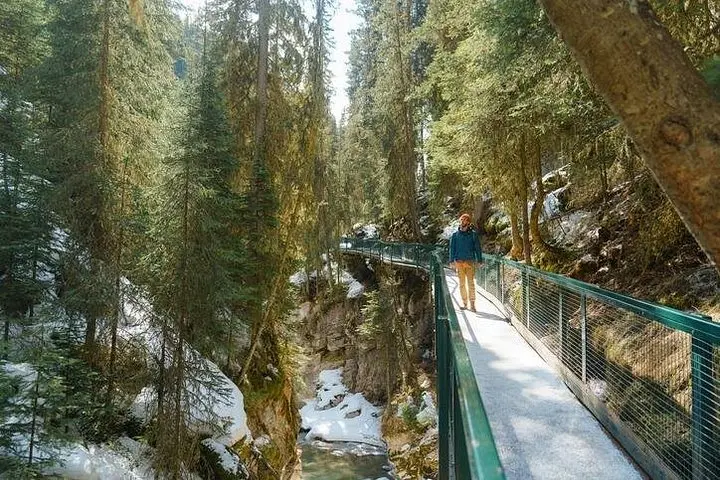
In eight efficient hours, experience the turquoise drama of Lake Louise and the cathedral-like icefalls of Johnston Canyon. This guided shuttle day trip from Banff/Canmore combines easy access, crisp winter scenery, and practical guidance for a high-reward Rockies outing.
 Related story
See Banff’s signature overlooks and hidden lakes in one compact, expertly guided 2.5-hour loop. Perfect for short-stay travelers who want big scenery without the driving.
 Related story
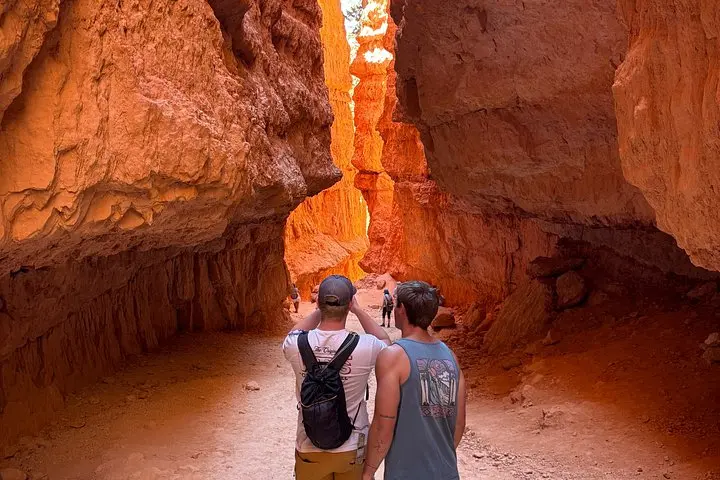
A guided sunrise hike down the Navajo Loop turns Bryce Canyon’s hoodoos from postcard scenery into an intimate geology lesson. Three miles, expert narration, and unforgettable light—this tour is the quickest way to understand how ice, time, and wind carved a city of stone.