
What the day feels like
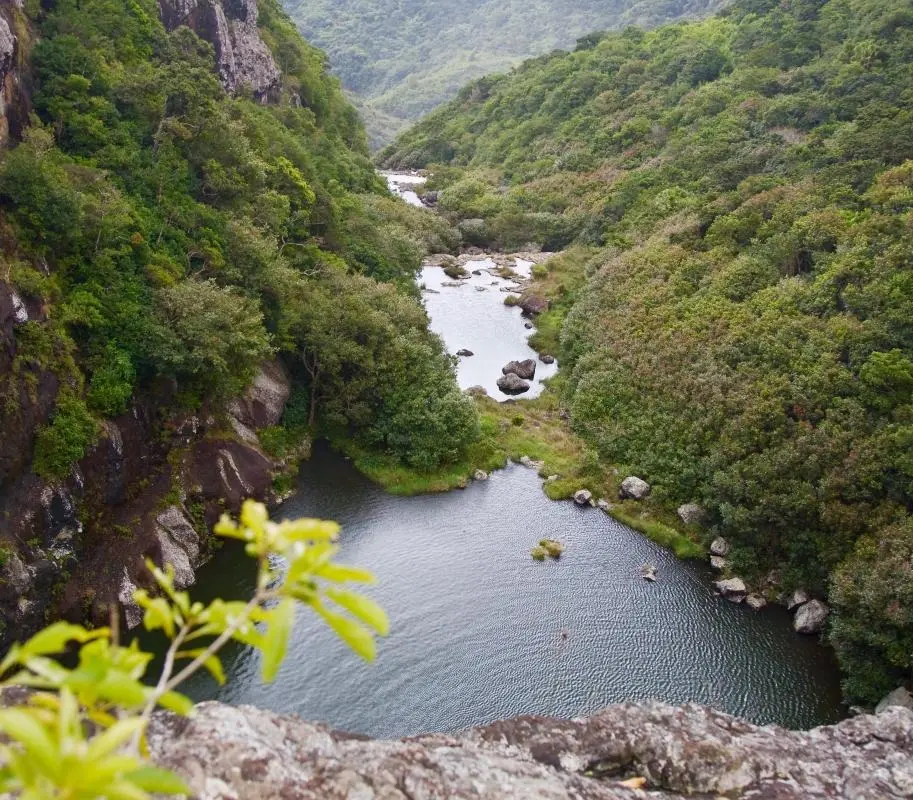
The trail begins as a whisper—thin, cool air moving through ebony trunks, a spray of orchids clinging to mossy branches. Within minutes the noise of the coastal road falls away and the forest takes on a rhythm: birds answering each other across ravines, leaves pattering with the occasional drop from a high canopy. You feel the island rearrange itself here in the southwest, where the Black River District gathers all the island’s wild contradictions: volcanic cliffs, misted valleys, waterfalls that plunge into secret pools and a coastline dramatic enough to stop a taxi driver mid-sentence.
This is Rivière Noire, the patch of southwest Mauritius that holds Black River Gorges National Park and the island’s highest summit, Piton de la Petite Rivière Noire (828 meters). The park is the largest protected native forest on the island, a place where the slopes are still steep enough to make lungs burn and views open like a reward. Hike to the peak and the island tilts beneath you—sugar-white bays fall away toward the Indian Ocean, while inland ridgelines carve out long shadows. Walk a gentler route and you’ll find waterfalls—Chamarel’s plunge and other cascades tucked among ferns—each with a different voice.
Geology here is blunt and immediate: Mauritius is a shield volcano, and the rocks and soils of the Black River District tell that story through jagged basalt ridges and deeply incised river valleys. Where erosion met lava over millions of years, the island’s steep relief formed; today those same slopes funnel fast rainfall into narrow streams and, ultimately, dramatic coastal surf. The dramatic Chamarel coloured earth—a short drive from the park—demonstrates the basalt’s slow chemical breakdown into vivid bands of iron and aluminum oxides, a reminder that the landscape continues to change, quietly and profoundly.
The cultural layer is subtle but present. Creole hamlets and sugarcane fields lap at the park margins; you will smell curry and sugarcane smoke at certain times of day. The district’s human history is threaded through colonial plantations and the mix of peoples who call Mauritius home—Afro-Mauritian, Indo-Mauritian, Creole, Chinese and European influences that inform everything from language to the music you’ll hear in local bars and at evening markets. In the villages around Rivière Noire, traditional sega rhythms still hold court, and plates of rougaille, dholl puri and freshly grilled fish will be waiting when you return from the trails.
Wildlife here is a study in island endemism and conservation: the forest is one of the last refuges for species like the pink pigeon and the Mauritius kestrel, both recovered to varying degrees after dramatic population crashes in the 20th century. You may glimpse the Mauritian flying fox at dusk, a large, ungainly presence silhouetted against the sky as it heads out to feed. Conservation is part of the narrative here—reforestation projects and predator control have helped restore fragments of native forest but the work is ongoing; stick to paths and leave no trace.
Practically speaking, Black River District is an all-season destination, but the hiking is most straightforward in the drier months (May–October) when trails firm up and mosquitoes thin out. Two hikes are essential for any visitor: the summit route to Piton de la Petite Rivière Noire (roughly 6 km roundtrip with about 650–800 m of elevation gain, depending on your chosen trailhead) and a series of shorter gorge and waterfall trails that can be stitched together for 2–4 hour outings. Trails range from well-formed paths to rooty, rocky climbs; expect muddy sections after rain and exposed ridgelines on some routes.
If you plan for a summit, start early—sunrise ascents are common and for good reason. The heat builds quickly and a morning start will offer cooler air and clearer views. Wear sturdy hiking boots with good grip, bring 2–3 liters of water, and pack a light rain shell—the microclimate in the gorges can flip from bright sun to drizzle in an hour. Navigation is straightforward on marked trails, but cell service can be spotty; download a map or bring a paper trail map from the visitor center if possible. For wildlife watching, dawn and dusk are best. Bring binoculars, move quietly, and allow the forest to reveal itself slowly.
Accommodations in Rivière Noire and nearby Le Morne range from guesthouses to small resorts—choose a base near the coast if you want surf and snorkeling after a day of hiking, or stay closer to Chamarel for quicker access to the park’s western entrances. Local guides are available for more technical routes or multi-day explorations into lesser-known valleys; hiring a guide is a good option if you’d like context on endemic plants, current conservation projects, or the best spots for endemic bird sightings.
Rivière Noire answers well to a balanced itinerary: a summit for the sense of scale, a canyon walk for intimacy with water and ferns, and a late afternoon on the coast to watch dolphins and the changing light. The district is not a single attraction but a patchwork of landscapes and experiences—each one practical, tactile, and rewarding in its own way. Whether you come for the trail’s challenge or the hush of native forest, the Black River District asks only that you leave it as you found it: wild, a little mysterious, and very much alive.
Trail wisdom
Small choices, better day.
Start early for the summit
Begin pre-dawn for Piton de la Petite Rivière Noire to avoid mid-day heat and secure clearer views.
Footwear matters
Trails can be rocky and rooty—wear sturdy hiking boots with good ankle support and tread.
Carry sufficient water
Bring at least 2 liters per person for longer hikes; refill opportunities are scarce inside the park.
Be wildlife-wise
Move quietly, keep distance from birds and bats, and avoid feeding wildlife to support conservation efforts.
Local knowledge
Read the place, not just the route.
Watch for native species including Pink pigeon, Mauritian flying fox.
Keep an eye out for wildlife during the transition between areas and habitats. Respect distance guidelines.
Restoration efforts focus on replanting native species and controlling invasive mammals and plants to protect endangered birds and the island’s unique forest ecosystem.
Follow the guide's instructions on size limits, ethical handling, and leave-no-trace practices.
Small, unmarked viewpoints along the park ridgelines that offer vast western ocean views—ask local guides for locations. Chamarel’s rural coffee plantations and roadside stalls selling fresh sugarcane juice and Creole snacks
Locally recommended viewpoints and quiet spots known best to local operators.
The Black River area has long been shaped by volcanic geology and later by colonial-era plantations; the national park was created to preserve remaining native forest fragments.
Maritime roots and regional tradition shape the waterways and working coasts.
Seasonal guide
Four versions of the same landscape.
Spring
Best forWildflowers and birding · Warmer days with cooling evenings
ChallengesOccasional showers · Variable trail conditions after winter rains
Late spring brings warming temperatures and active wildlife; be prepared for sudden showers that grease trails.
Summer
Best forLush forest growth · Waterfall volume is high
ChallengesHeat and higher humidity · Tropical downpours and mosquitoes
Summer is hot and humid with dramatic waterfalls—plan early starts and carry mosquito protection.
Fall
Best forStable weather for hiking · Clearer views from the ridgelines
ChallengesTrails can still hold wet patches from summer storms
Autumn brings more settled weather and good visibility, ideal for longer ridge hikes and summit attempts.
Winter
Best forCool, dry hiking conditions · Less humidity and fewer bugs
ChallengesChilly mornings at altitude · Shorter daylight hours
Mauritius’s dry season (May–October) offers the best hiking conditions—cooler, clearer, and less insect activity.
Pack with intention
What to bring.
Good to know
Common questions.
No general hiking permit is required for day use, but check with the local park office for trail conditions and any guided access requirements for protected zones.
Plan the edges
The details that make the day easier.
Black River Gorges National Park, established in 1994, protects some of Mauritius’s last remaining native forest and has been central to successful recovery programs for endangered species such as the pink pigeon and Mauritius kestrel.
Evenings in Rivière Noire favor relaxed Creole tables—look for grilled fish, dhal and curries; check village markets for fresh pineapple and sugarcane juice, and seek out a live sega performance to hear the island’s rhythms.
- Nearest base
- Rivière Noire village or Le Morne (30–45 min by car to park entrances). Best transport: rental car or guided transfer. Trailheads marked at park entrances; cell service patchy—download maps offline.
Support local conservation by staying on trails, avoiding single-use plastics, and choosing locally guided tours that contribute to habitat restoration and community stewardship.
Explore by topic
Follow the threads.
Keep exploring
Make the story part of the trip.
 Related story
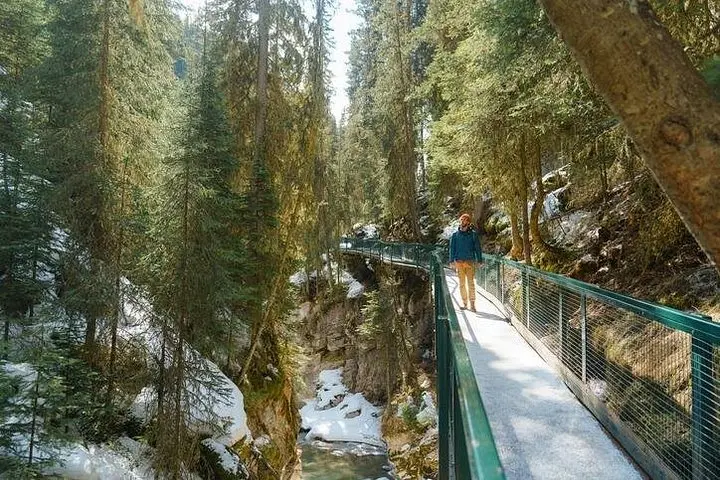
In eight efficient hours, experience the turquoise drama of Lake Louise and the cathedral-like icefalls of Johnston Canyon. This guided shuttle day trip from Banff/Canmore combines easy access, crisp winter scenery, and practical guidance for a high-reward Rockies outing.
 Related story
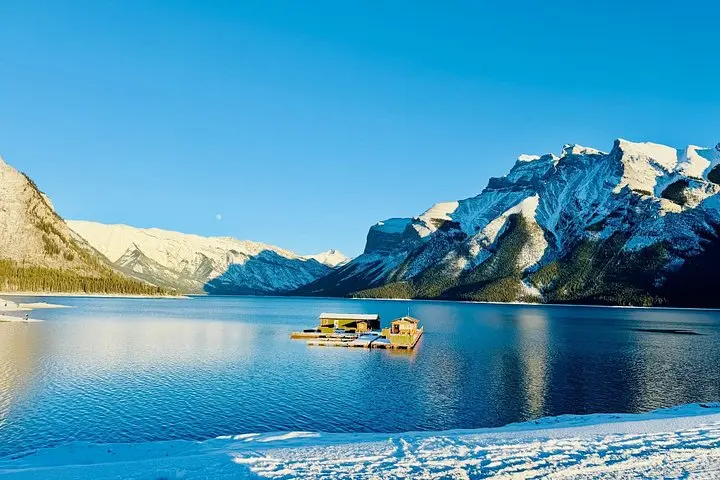
See Banff’s signature overlooks and hidden lakes in one compact, expertly guided 2.5-hour loop. Perfect for short-stay travelers who want big scenery without the driving.
 Related story
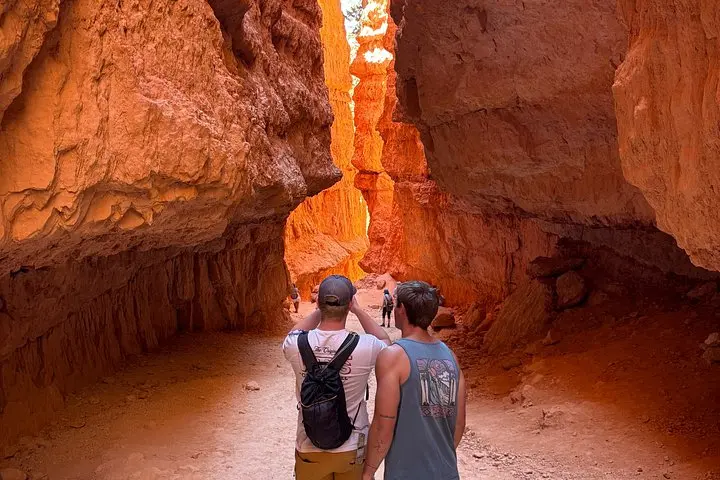
A guided sunrise hike down the Navajo Loop turns Bryce Canyon’s hoodoos from postcard scenery into an intimate geology lesson. Three miles, expert narration, and unforgettable light—this tour is the quickest way to understand how ice, time, and wind carved a city of stone.