
What the day feels like
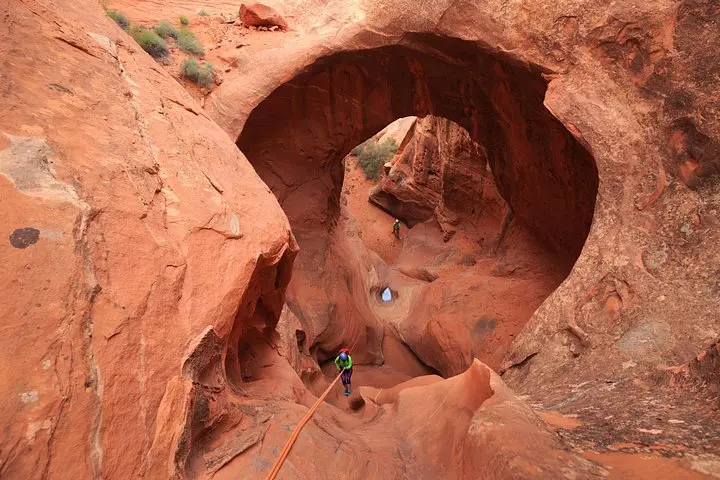
Dawn smolders on the horizon as the van leaves Moab’s sandstone glow behind, trading bikers and coffee lines for the long, empty road toward the Dirty Devil. The desert feels wide awake before you do—raven calls riding thermals, the horizon sharpening into buttes and broken reef. By the time the dirt track ends, the land has gone quiet except for wind slipping across slickrock. Somewhere out there, a canyon mouth waits like a keyhole. You shoulder a pack, step off the rim, and the world narrows—to cool breath, pink light, and the hush of Navajo Sandstone that seems to listen as you move.
This is Robbers Roost country, a labyrinth of slots and drainages cut into the high desert north of Canyonlands National Park. It’s a place that kept secrets long before outlaws used it as a hideout. The rock tells its own stories: ancient dunes compacted into pale sandstone, then carved by snowmelt and flash flood into pour-offs, fluted corridors, and chambers that hold their own weather. One minute you’re hiking across open slickrock with miles of sky on your shoulders; the next you’re swallowed by a hallway of stone that presses in, cool and close, as if the canyon is deciding whether to let you pass.
Canyoneering here isn’t complicated for complication’s sake. It’s movement with purpose—read the rock, thread the anchor, commit to the rappel. Ropes whisper, harnesses click, and the canyon answers with a steady drip of water from shaded seeps. The first drop might be the threshold moment: a clean 30 or 50 feet into a slot where the light turns rose-gold, a room so quiet your boots sound too loud. The rock does not rush you. It nudges. It asks for care and rewards attention.
Your guides—patient, methodical, dialed into the forecast—teach the system as you go. How to lean back and trust the friction. How to keep your weight on your feet. How to read the glint of smoothed stone that says water runs here; this is where floods muscle through, push forward, rearrange the canyon in a single afternoon. Out here, the desert has a hard truth to it. It can turn on a dime, and it never apologizes. That’s part of the pull.
Robbers Roost sits in the kind of vastness that changes your sense of scale. To the west is the San Rafael Swell’s upturned reef, to the south the dirty-green ribbon of the Dirty Devil River, and to the east the serrated highlands of Canyonlands. The “Roost” itself takes its name from Butch Cassidy’s crew, who stashed stolen horses and waited out the law in these mazes. The same geography that confounded posses makes this a canyoneer’s dream: dozens of forked drainages, each with its own personality—twisty narrows, airy scrambles, sandy exits that test your calves on the way out.
The day moves with a canyon’s rhythm—slow, then sudden. A tight squeeze loosens into a sunlit amphitheater where lizards posture on warm stone. You straddle a slanted chute, chimney across a gap, then find a flowing sequence: downclimb, traverse, rappel, walk. The walls glow—and then they dim as a cloud takes the sun hostage. You feel the air thicken; you check the sky. Guides keep an eye on the horizon, where thunderstorms telegraph their intentions. If there’s one rule here it’s respect: for cryptobiotic soil that knits the desert together, for water that carves the land and dictates your schedule, for the heat that will quietly drain you if you let it.
As a day trip, the Roost is exactly what many travelers crave in Moab when they’re ready to go beyond the popular overlooks: a true wilderness outing, hands on the stone, technical enough to feel earned, welcoming enough for athletic first-timers under expert guidance. It’s eight hours of movement and learning—the efficient knots and anchors, the efficient steps across slickrock, the quiet satisfaction of topping out and looking back at the hidden corridor you just decoded.
Practicalities matter here. Hydration is non-negotiable. Footwear with good edges makes the whole day feel steadier. Expect approaches across open desert, shade that comes and goes, and rappels that generally range from 20 to 100 feet depending on the route and conditions. Spring and fall are the sweet spots: cool mornings, polite afternoons, fewer tempests. Summer bakes the flats and stresses your water budget; winter brings ice in the shadows and frigid pools that make you think twice about every splash.
The best part might be the desert’s lingering effect. After the final pull on the rope, you coil the lines and feel the canyon slip back into silence, as if resetting itself and waiting for the next storm to redraw a curve. The drive to Moab becomes a slow reel of red cliffs and garlic-salt alkali flats, a memory bank of small moments: the rasp of rope through your device, the grain of sandstone under your palm, the way the canyon throttled down the day to a pace you can actually feel.
Back in town, it’s easy to see why canyoneering has become part of Moab’s DNA alongside biking and rafting. It asks different things of you—patience, attention, trust—and gives back an intimacy with the landscape that even the biggest views can’t touch. In an era of crowded overlooks, the Roost still knows how to keep a secret. It just lets you borrow it for a day.
Trail wisdom
Small choices, better day.
Hydrate Early and Often
Start drinking water before you leave Moab and carry at least 2–3 liters; the dry air steals moisture faster than you think.
Protect the Crypto
Step on rock or sand only—avoid the dark, lumpy biological soil crust that holds the desert together.
Footwear Matters
Wear sticky-soled approach shoes or well-treaded hikers for secure edging on slickrock and stable footing on sandy exits.
Pack Sun and Wind Defense
A sun hoody, brimmed hat, and light gloves keep you comfortable when the canyon alternates between cool shade and exposed flats.
Local knowledge
Read the place, not just the route.
Watch for native species including Desert bighorn sheep, Collared lizards.
Keep an eye out for wildlife during the transition between areas and habitats. Respect distance guidelines.
Stay off cryptobiotic soil, pack out all trash (including toilet paper), and avoid entering slots if storms threaten—your choices help protect fragile desert systems.
Follow the guide's instructions on size limits, ethical handling, and leave-no-trace practices.
Angel Point Overlook above the Dirty Devil River for big views with minimal crowds. Goblin Valley State Park at sunrise for otherworldly hoodoos before the day warms
Locally recommended viewpoints and quiet spots known best to local operators.
Robbers Roost was a stronghold for Butch Cassidy and the Wild Bunch in the late 1800s, its maze-like canyons perfect for evading lawmen.
Maritime roots and regional tradition shape the waterways and working coasts.
Seasonal guide
Four versions of the same landscape.
Spring
Best forCool temps · Stable weather · Longer daylight
ChallengesLingering snowmelt in potholes · Gusty winds
Arguably the prime season—crisp mornings, manageable highs, and vibrant reflected light in the slots.
Summer
Best forEarly starts · Warm rock for dry rappels
ChallengesExtreme heat · Monsoon-driven flash floods
Start at dawn, carry extra water, and watch monsoon forecasts; retreat if storms threaten upstream.
Fall
Best forMild days · Clear skies · Fewer bugs
ChallengesShortening daylight · Cold pools in shade
Another ideal window with calm weather and golden light—pack a warm layer for late exits.
Winter
Best forEmpty canyons · Cold, crisp air
ChallengesIce on downclimbs · Short days · Frigid water
Feasible with proper gear and experience, but expect icy spots and very cold shade.
Operator details
What the booking data adds.
Included
- ✓Experienced and accomplished guides
- ✓Rappel instruction
- ✓Canyoneering equipment
Not included
- —Gratuities
- —Lunch
- —Bottled water
- —Private transportation
Good to know
- ✓Not recommended for pregnant travelers
- ✓Not recommended for travelers with poor cardiovascular health
- ✓Travelers should have at least a moderate level of physical fitness
- ✓Confirmation received at time of booking
- ✓Minimum of two guests per booking
- ✓You must be age seven or older
- ✓You must weigh between 70 and 250 pounds (32–114 kg)
- ✓Must sign waiver
- ✓Check in 15 minutes prior to scheduled departure time
Pack with intention
What to bring.
Good to know
Common questions.
No. This guided trip is suitable for athletic beginners; your guides teach rappelling and movement skills on site.
Plan the edges
The details that make the day easier.
The Robbers Roost region served as a notorious hideout for Butch Cassidy and the Wild Bunch, who used the maze-like canyons and hidden springs to evade capture in the 1890s.
Back in Moab, celebrate with wood-fired pies at Antica Forma, grab a cold pint at Moab Brewery, or refuel street-side at Quesadilla Mobilla. If you have daylight to spare, stroll the galleries on Main Street—this town blends dirtbag grit with a growing creative scene.
- Closest airports
- Canyonlands Field (CNY, 20 minutes from Moab), Grand Junction (GJT, ~2 hours), Salt Lake City (SLC, ~4 hours). Drive time from Moab to the Robbers Roost area: roughly 1.5–2.5 hours depending on route and road conditions. Cell service: very limited to none once you leave pavement—go offline. Permits: Day-use in the Roost on BLM land typically requires no permit; permits are required for Canyonlands—your guide handles all logistics.
Desert soils are alive—avoid walking on cryptobiotic crust, use designated durable surfaces, and pack out all waste. Flash floods reshape these canyons; respect closures and guide decisions aimed at keeping both visitors and the ecosystem safe.
Explore by topic
Follow the threads.
Keep exploring
Make the story part of the trip.
 Related story
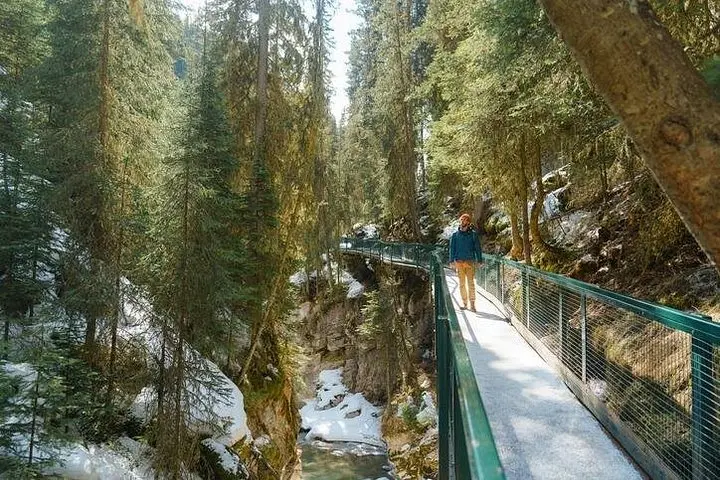
In eight efficient hours, experience the turquoise drama of Lake Louise and the cathedral-like icefalls of Johnston Canyon. This guided shuttle day trip from Banff/Canmore combines easy access, crisp winter scenery, and practical guidance for a high-reward Rockies outing.
 Related story
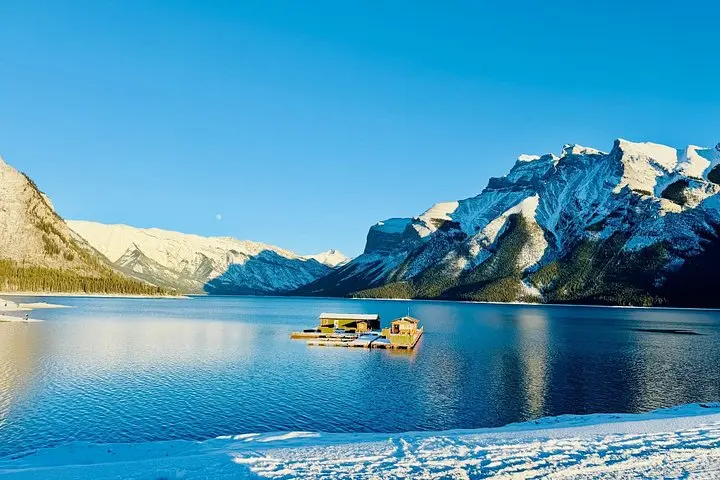
See Banff’s signature overlooks and hidden lakes in one compact, expertly guided 2.5-hour loop. Perfect for short-stay travelers who want big scenery without the driving.
 Related story
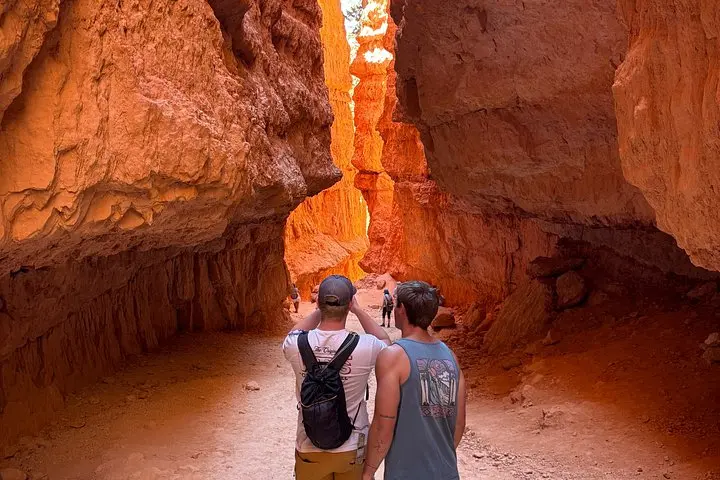
A guided sunrise hike down the Navajo Loop turns Bryce Canyon’s hoodoos from postcard scenery into an intimate geology lesson. Three miles, expert narration, and unforgettable light—this tour is the quickest way to understand how ice, time, and wind carved a city of stone.