
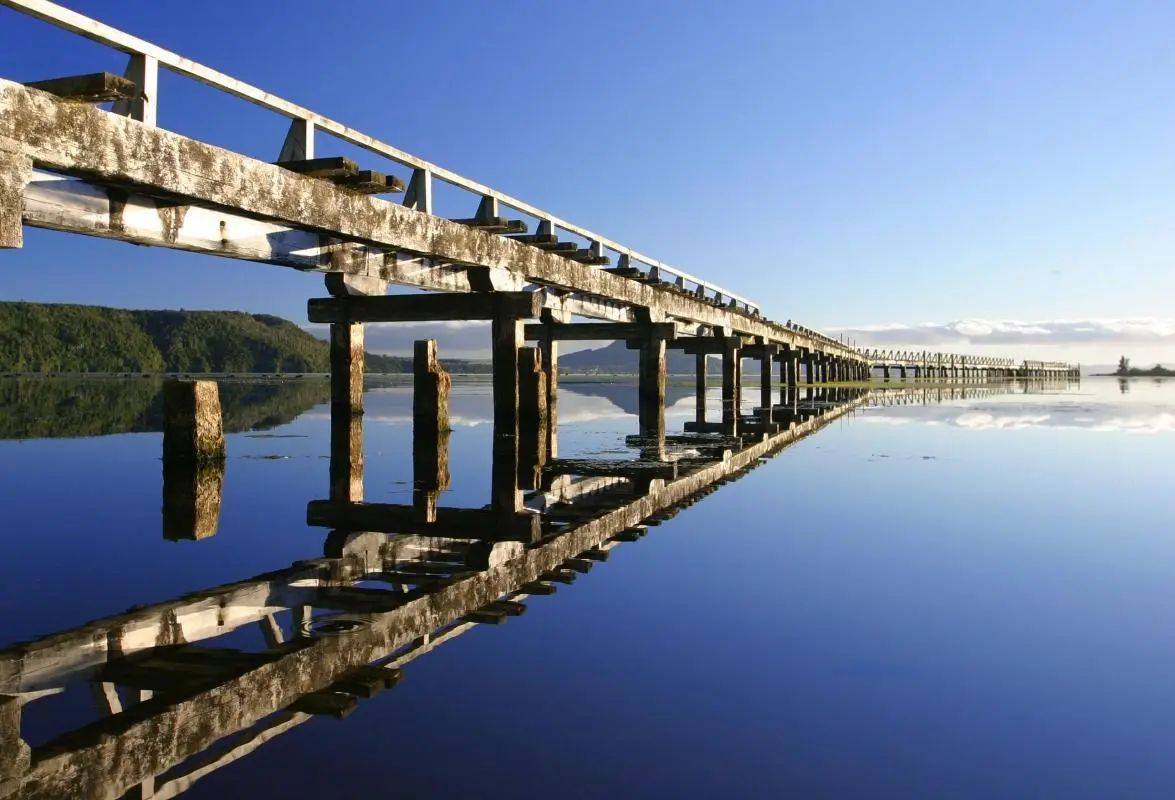
What the day feels like
You hear the lake before you see it. From the western shore, the sound is a long, low sigh—wind rubbing along water the size of a small sea. Step onto the pebbled margin at Taupo and the air takes on a specific clarity: mineral, slightly sweet from the surrounding forest, and always carrying motion. Boats stitch white paths across the surface; beyond them, the silhouette of volcanic peaks holds the horizon like an old friend. Face turned toward Mine Bay, you’re likely to see a white sail or a parasail rising like a bright moth against the sky. This is Lake Taupo: vast, alive, and disarmingly civil.
The lake is New Zealand’s largest freshwater body and it sits inside the caldera of the Taupo Volcano. Its creation is geological theater writ large—the Oruanui eruption and later the Hatepe event reshaped islands and climates. The water’s muted blues and sudden teal eddies are the present-day face of that ancient violence. Maori have long regarded the lake as a living ancestor. Today, that cultural heartbeat is visible and audible: the carved likeness of Ngātoroirangi at Mine Bay—14 meters tall and only reachable by water—stares out over the waves, a modern haka in stone created in the 1970s that anchors contemporary visitors to a much older story.
Lake Taupo is a place for doing as much as for seeing. On a calm morning you can motor past hidden coves on a luxury catamaran, listening to skippers tell the lake’s layered stories—how the Maori used the bays, how honey from local hives tastes of native pollen, how the Waikato River pushes the lake’s sole outflow with nearly theatrical force over Huka Falls. On windy afternoons, glassy sections break into boils of white, and that’s when parasails take to the sky. A 12-minute parasailing flight sends you up as high as 1,000 feet; the world contracts to a neat map—shoreline freckles, the crisp cut of Huka, the rock carving’s stern face. If the mood is for quiet, a classical sailing yacht or a comfortable catamaran offers an appropriate counterweight: gentle heel, canvas snapping, and a slow unspooling of baysides with time to dip a toe in crystal water.
The lake’s personality is in the contrast. Huka Falls is impatient: the Waikato squeezes through a narrow chasm and rushes with a volume that can be measured in hundreds of thousands of liters per second, a constant, irresistible shove downstream. The rock carving is deliberate and watchful—human hands and modern tools forming an ancestral gaze. Between them, walkable shores and boulder-strewn headlands offer easy, meditative exploration.
Practicality is part of the pleasure here. Taupo town is the logical base: compact, friendly, and 3.5–4 hours’ drive from Auckland, making it a feasible day trip on a long schedule but best savored over a couple of days. Book your water-based activities for morning if you want glass-smooth conditions or late afternoon to avoid the strongest thermals. Parasailing operators commonly limit flights by weight and weather; flights last about 12 minutes and often include a ‘sky dip’ option where you can cool off in the lake’s clear water. Sailing trips to Mine Bay and the carved rock typically run 1.5–3 hours—enough time to see the carving up close, learn the lake’s geology from the skipper, and, if weather permits, take a refreshing swim.
For planning, think layers and timing. Summer days (December–February) are long and warm—ideal for swimming, sailing and parasailing—but the sun is fierce and water temperatures remain cool. Spring and autumn bring quieter shores and windier afternoons; winter can be crisp and dramatic, with steam lifting off the lake on early mornings and fewer boats on the water. Book reputable operators that follow Maori cultural protocols and biosecurity rules: Lake Taupo is home to sensitive ecosystems and invasive species concerns, so ensure your boat operator cleans yachts and kayaks and listens to local guidance.
Safety is straightforward: lifejackets are mandatory on all commercial trips; if you intend to jump in from a boat, wear water footwear—the lakebed is shingle and can be unexpectedly sharp. If you rent a small craft, bring a charged phone in a waterproof case, a compass or offline map, and tell someone where you plan to go. The winds pick up in the afternoon, so plan longer crossings early or mid-morning.
Culturally, Taupo has depth beyond its waterline. Local Maori stories tie the lake to ancestors and the land; the rock carvings were carved at Mine Bay in the 1970s and are a modern act of respect and storytelling. Nearby Rotorua’s geothermal theatre and Waitomo’s glowworms are a short drive away, making the lake an ideal node on a broader North Island itinerary that threads geothermal wonders with coastal and alpine highlights.
Why go? Because Lake Taupo is equal parts accessible and elemental. You can feel the heft of the earth under your feet—the lake occupies a volcanic opening whose eruptions shaped the region—but you can also stand on a comfortable sailboat, sip local honey during a short cruise, and watch the world slow. The lake is for people who like their adventures with a practical edge: measurable (12-minute flights, 1.5–3-hour sails), intimate (hidden bays and carved faces), and instructive (geology, Maori history, sustainable tourism). Whether you want to rise up into the open sky, coast along on canvas and wind, or trace the river down to the thunder of Huka Falls, Lake Taupo keeps its promises—vast, clear, and ready for those who come prepared.
Trail wisdom
Small choices, better day.
Book morning cruises for calm water
Winds typically pick up in the afternoon—reserve parasailing or small-boat trips for early hours to get smooth conditions and better photos.
Respect Maori sites
Approach Mine Bay and other cultural sites quietly and follow your skipper’s guidance on photography and behavior.
Bring water shoes
The lakebed is mostly shingle; water shoes protect feet when swimming from boats or exploring the shore.
Check biosecurity rules
Ensure your gear and any rented craft are clean to prevent invasive species like didymo spreading between water bodies.
Local knowledge
Read the place, not just the route.
Watch for native species including Brown trout, Black swan.
Keep an eye out for wildlife during the transition between areas and habitats. Respect distance guidelines.
Boat operators follow biosecurity measures to reduce the spread of invasive aquatic species—cleaning gear before and after lake visits helps protect native ecology.
Follow the guide's instructions on size limits, ethical handling, and leave-no-trace practices.
Orakei Korako Geothermal Park (lesser-visited geothermal terraces nearby). Waipahihi Botanical Reserve shoreline walk for an easy afternoon with lake views
Locally recommended viewpoints and quiet spots known best to local operators.
The lake occupies the caldera of the Taupo Volcano; Maori oral histories and modern archaeological research tie local iwi to the lake and surrounding resources.
Maritime roots and regional tradition shape the waterways and working coasts.
Seasonal guide
Four versions of the same landscape.
Spring
Best forblooming shorelines · fewer crowds · windy sailing practice
Challengesvariable weather · cooler water temperatures
Spring brings longer days and quieter bays—expect brisk mornings, variable winds, and excellent sailing conditions once the thermals kick in.
Summer
Best forswimming · parasailing · full-day cruises
Challengesstrong sun · higher visitor numbers · sporadic afternoon winds
Warmest water and longest daylight make summer ideal for water activities—pack strong sun protection and book ahead during holidays.
Fall
Best forphotography · trails around the lake · calmer crowds
Challengescooler evenings · shorter days
Autumn tones around the bays and fewer boats create great light for photos and reflective sailing; layers are essential.
Winter
Best fordramatic landscapes · steam over the water · quiet exploration
Challengescold water · reduced services · choppy weather
Winter is serene and dramatic—expect cold swims and bracing air; many operators run reduced schedules, so plan ahead.
Pack with intention
What to bring.
Good to know
Common questions.
Most sailing trips range 1.5–3 hours, giving you time to reach Mine Bay, view the carving up close, and enjoy a swim or onboard commentary.
Plan the edges
The details that make the day easier.
Lake Taupo fills the caldera of the Taupo Volcano—the AD 232 Hatepe eruption was one of the most powerful eruptions in the last 2,000 years.
Taupo’s cafes and market stalls trade in fresh trout, artisan honey, and seasonal produce; many operators are locally owned and offer cultural commentary—try a honey tasting or a Maori cultural experience paired with a lake cruise.
- Nearest major city
- Auckland (3.5–4 hr drive). Base: Taupo town for accommodations and operators. Currency: NZD. Cell coverage: good around town, patchy on remote bays. Book high-season activities in advance.
Choose licensed eco-operators, clean your gear between waterways, and follow local cultural guidance when visiting carved sites and bays to help preserve Lake Taupo’s ecosystems and heritage.
Explore by topic
Follow the threads.
Keep exploring
Make the story part of the trip.
 Related story
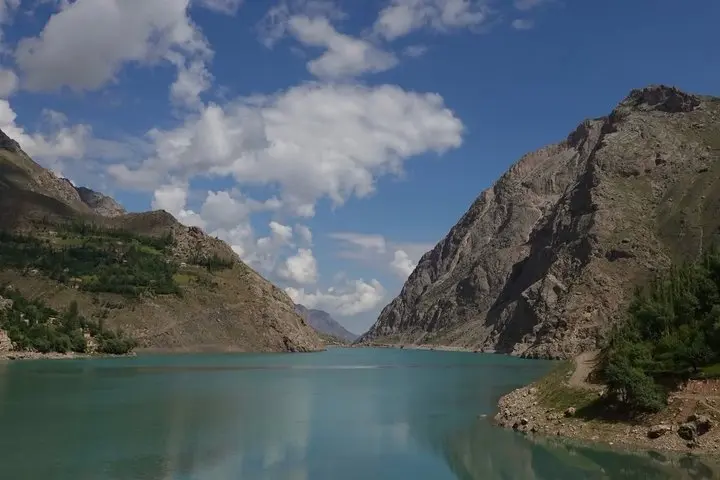
Cross into Tajikistan for a full-day journey from Samarkand to the Seven Lakes (Haftkul). Expect alpine color, short lakeside hikes, and a vivid cultural exchange—ideal for photographers and curious travelers.
 Related story
Compress the classics of Alaskan winter into a single weekend: dog sleds across frozen lakes, a snowmobile backcountry transfer, private cabins and nightly aurora hunts. This is an immersive, comfortable entry into the Iditarod world.
 Related story
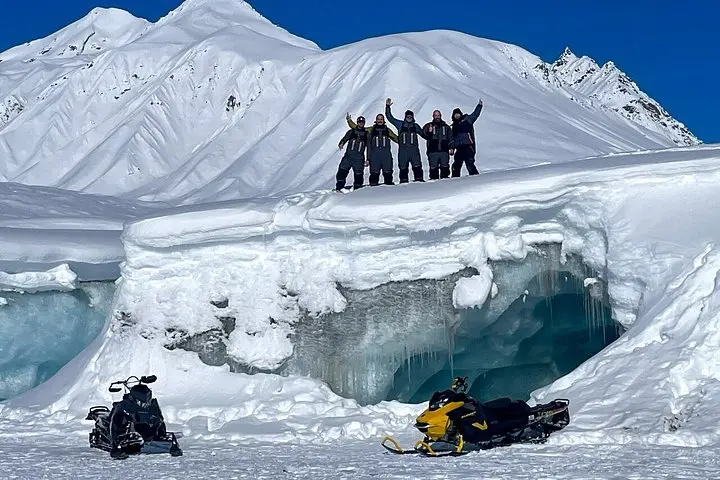
Three days, guided snowmobiles, and a base at Alpine Creek Lodge—this expedition mixes backcountry thrills with lodge-side comforts as you ride toward the Maclaren Glacier and the raw winter of the Denali Highway.