
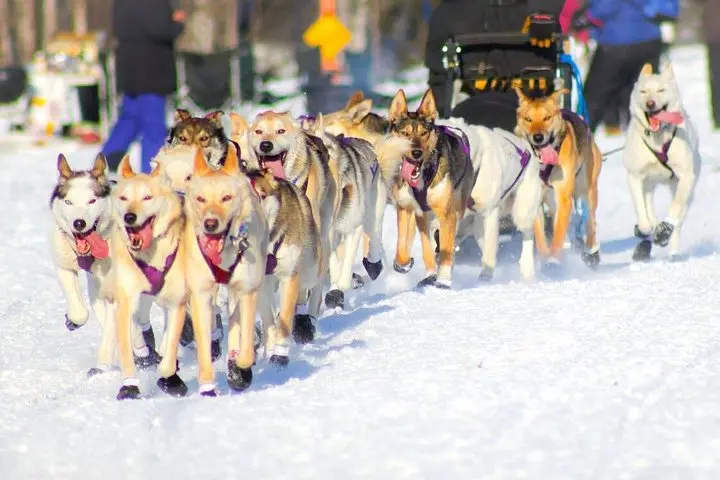
What the day feels like
When the lodge door swings open at dusk and a cold, dry wind brushes the porch, the sky above the Alaska Range cracks open in a bruise of green and violet. You step out, boots crunching on packed snow, and the northern lights perform like a private orchestra — slow curtains, then sudden flares. For three days you will trade the city grid for dog teams, groomed snowmobile tracks and a cadence set by two things the Alaskan interior never forgets: speed and silence.
This is not a race for records; it’s a compact immersion into the Iditarod’s ethos. The 3-day, 2-night itinerary stitches together dog sled runs over frozen lakes and birch-lined trails, a snowmobile transfer into the backcountry and an overnight in private cabins that feel like the opposite of roughing it. You’ll stand at the ceremonial Iditarod start, watch mushers patch gear, and hear the soft language of runners and harnesses. Meals are hearty and included; evenings are for swapping stories by wood stoves and scanning the sky for aurora.
Geology and landscape here are blunt and honest. The interior is a flat, folded expanse of muskeg and spruce that gives way to the serrated silhouette of distant mountains. Rivers in winter are ribbons of mirror beneath snowfields, daring you to imagine the thaw. Under the veneer of tundra and taiga are stories of ice age scouring and glacial melt that left long sweeps of silt and erratics. Trails follow traditional corridors—waterways frozen into highways, ridgelines that once guided native Athabascan people and later fur traders.
Culturally, the tour ties into an American narrative of endurance and community. The Iditarod race itself grew out of a desire to preserve dog mushing as a living culture and to commemorate the 1925 serum run to Nome, when mushers relayed diphtheria antitoxin across treacherous winter terrain. Today, the ceremony, checkpoints and informal hospitality among mushers keep that heritage alive; local guides are custodians of both skill and stories.
Expect the sensory economy of winter: the whisper of runners on packed snow, the sharp, resinous scent of spruce when the wind drops, and the metallic taste of cold air that strips away small complaints. Dogs are characters—focused, affectionate, and work-driven—each with a distinct cadence. Snowmobiles, by contrast, are the pragmatic muscle that moves you quickly between clearings, letting you trade effort for range without losing the feel of wilderness.
Why go? Because this trip compresses high-caliber winter experiences into a manageable weekend: dog mushing on authentic trails, a snowmobile traverse that scratches the surface of Alaska’s backcountry, and two nights under a sky that often stages the northern lights. It’s a recipe for people who want maximum exposure to Alaska’s winter without committing to weeks in the bush.
Practical matters: the program runs in deep winter conditions. Temperatures typically range from single digits below zero to -20°F (-7 to -29°C), depending on storms and elevation. Dress in graded layers: a moisture-wicking base, an insulating mid-layer and an outer shell that blocks wind. Good, insulated boots with solid traction and a warm hat and gloves are non-negotiable. Guides supply sled instruction and safety briefings; no prior mushing experience is required, though a reasonable level of mobility and comfort in cold conditions helps.
Logistics are straightforward: the tour usually stages from the Anchorage/Willow corridor. Expect a 1–2 hour transfer from Anchorage or a shorter drive from Willow. Cabins are private and warm; meals are included and robust—think stews, roasted fish and coffee that’s as necessary as fuel. Know that cellphone service thins out quickly once you head into the backcountry; this is part of the point.
Safety and etiquette matter: listen to your lead guide about approaching kennels, handling dogs and where to stand during launches. Respect the animals’ space and the local terrain rules—avoid snowmachine tracks if asked and yield to dogs when needed. Pack out what you pack in; backcountry protocols are simple but important.
If you’ve wanted to witness an Iditarod start without living in a tent for a week, this is the compromise that still feels like a true Alaskan commitment. It’s for travelers who savor tactile experiences—the shock of cold air when you step into a sled, the rhythm of a team moving in unison, the relief of a warm cabin and the small reverence of standing on a trail where history and modern adventure intersect.
Plan for some flexibility: weather will write your schedule. Bring patience; the payoff is a concentrated slice of winter Alaska with enough comfort to keep the experience joyful rather than punitive. Whether you’re a first-time visitor or a returner chasing better aurora forecasts, the Iditarod 3-day adventure offers something that matters: a real sense of place, active days full of intentional movement and the kind of nights that make you wake early just to check the sky.
Trail wisdom
Small choices, better day.
Layer for changeable cold
Temperatures can swing; use a breathable base, insulating mid layer and windproof outer shell so you can adjust on the sled or during breaks.
Respect the dogs
Approach kennels quietly, follow your guide’s instructions for harnessing, and never feed sled dogs unless directed.
Protect electronics
Cold drains batteries quickly—keep cameras and phones close to your body and bring spare batteries in insulated pockets.
Hydrate and eat
Cold suppresses thirst; drink warm fluids and eat regular, calorie-rich snacks to maintain energy on the trail.
Local knowledge
Read the place, not just the route.
Watch for native species including Moose, Ptarmigan.
Keep an eye out for wildlife during the transition between areas and habitats. Respect distance guidelines.
Operators emphasize kennel welfare and backcountry etiquette—pack out waste, stay on designated routes, and choose operators who follow best practices for wildlife disturbance and fuel use.
Follow the guide's instructions on size limits, ethical handling, and leave-no-trace practices.
A quiet frozen lake near the lodge for idiomatic sunrise runs. A short snowshoe route through spruce forest that reveals animal tracks up close
Locally recommended viewpoints and quiet spots known best to local operators.
The Iditarod commemorates Alaska’s dog-mushing heritage and the lifesaving 1925 serum run to Nome; the competitive race began in 1973 to celebrate that tradition.
Maritime roots and regional tradition shape the waterways and working coasts.
Seasonal guide
Four versions of the same landscape.
Spring
Best forLonger daylight · Persistent snowpack
ChallengesThaw cycles · Variable road conditions
Late winter/early spring offers more daylight and reliable snow for mushing, but warming can create soft snow and slushy trails—plan for changing conditions.
Summer
Best forN/A for this winter-focused trip · N/A
ChallengesNo snow for sledding · Limited winter infrastructure
This experience is winter-specific; the mushing and snowmobile elements require a frozen landscape, so summer is not suitable.
Fall
Best forAurora season begins · Fewer crowds
ChallengesUnreliable snowpack · Shorter days
Early fall can offer aurora sightings but snow depth is often insufficient for sledding—most operators run similar trips only once reliable snow arrives.
Winter
Best forDog sledding · Northern Lights viewing · Snowmobiling
ChallengesExtreme cold · Weather delays
Deep winter is ideal: stable snow, full dog teams and high aurora probability, but come prepared for cold and occasional itinerary changes due to storms.
Operator details
What the booking data adds.
Included
- ✓Amazing view of the race
- ✓2-hour Dog Sledding Adventure
- ✓All gear and equipment included (Snowmobile, snowsuits, gloves, goggles and helmets)
- ✓125-mile snowmobile ride along the Iditarod trail
- ✓Food
- ✓Potential Northern Lights sightings
- ✓Accommodations in our cabins and at the Roadhouse
Not included
- —Face Masks or Neck Gaiters
- —Gratuities
Good to know
- ✓Not recommended for pregnant travelers
- ✓Travelers should have at least a moderate level of physical fitness
- ✓Drivers must be 18 years or older with a valid license.
Pack with intention
What to bring.
Good to know
Common questions.
No—guides provide instruction and supervision for first-time mushers; you’ll learn basics in a controlled setting before heading onto longer runs.
Plan the edges
The details that make the day easier.
The modern Iditarod commemorates the 1925 serum run to Nome and the race’s first official running was held in 1973—covering roughly 1,000 miles from Anchorage to Nome.
After a day on the trail, head to Anchorage for fresh Alaskan seafood and local craft beer—Moose's Tooth and Glacier Brewhouse are reliable post-adventure stops. For a quieter, local meal near Willow, seek wood-fired stews at the lodge or nearby community cafés.
- Closest airport
- Ted Stevens Anchorage International (ANC)
- Nearest staging town
- Willow (1–2 hour drive). Driving distance: ~1–1.5 hours from Anchorage to trail staging. Cell service: Reliable near towns, intermittent in backcountry. Permits: No special permits for day activities; operators handle land-use permissions.
This region’s fragile winter ecology is vulnerable to disturbance—choose operators that prioritize kennel welfare, limit snowmachine noise, and practice Leave No Trace; avoid approaching wildlife and pack out waste.
Explore by topic
Follow the threads.
Keep exploring
Make the story part of the trip.
 Related story
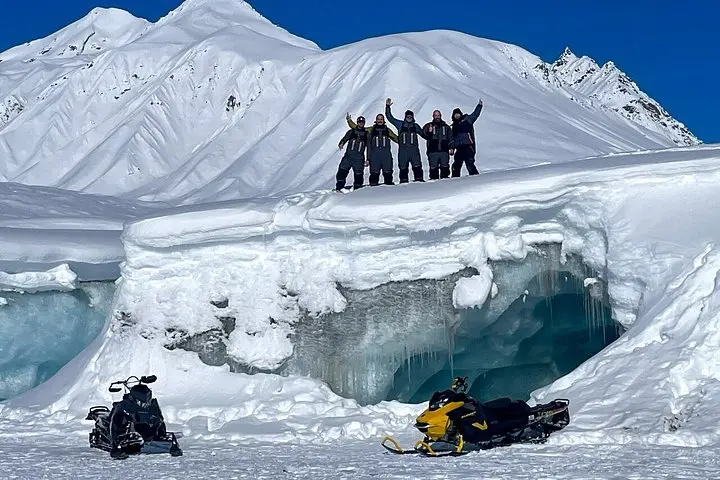
Three days, guided snowmobiles, and a base at Alpine Creek Lodge—this expedition mixes backcountry thrills with lodge-side comforts as you ride toward the Maclaren Glacier and the raw winter of the Denali Highway.
 Related story
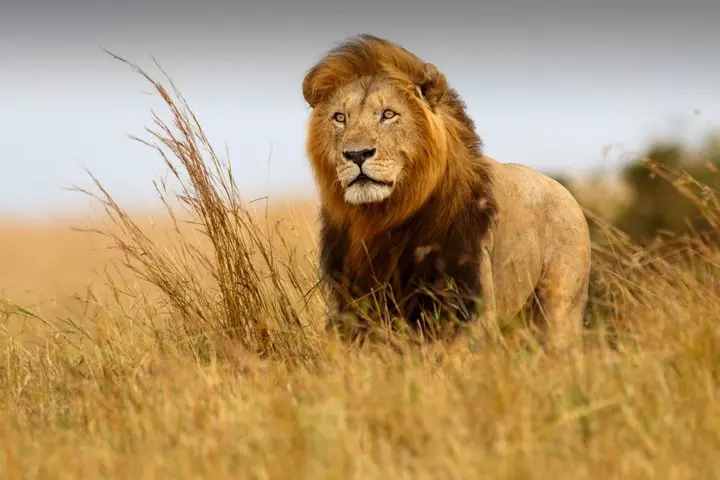
From Robberg’s wind-scoured cliffs to cave chambers and an open 4x4 game drive, this five-day Garden Route loop packs seaside hikes, whale watching and wine into one efficient, well-paced adventure.
 Related story
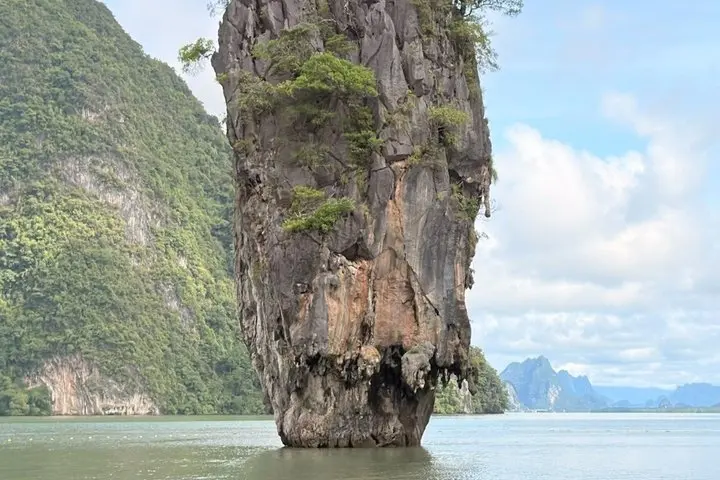
Sail ahead of the crowds on a private longtail through Phang Nga Bay. Sea caves, a floating fishing village, and the iconic rock pillar offer a rich day of geology, culture, and clear-water paddling.