
What the day feels like
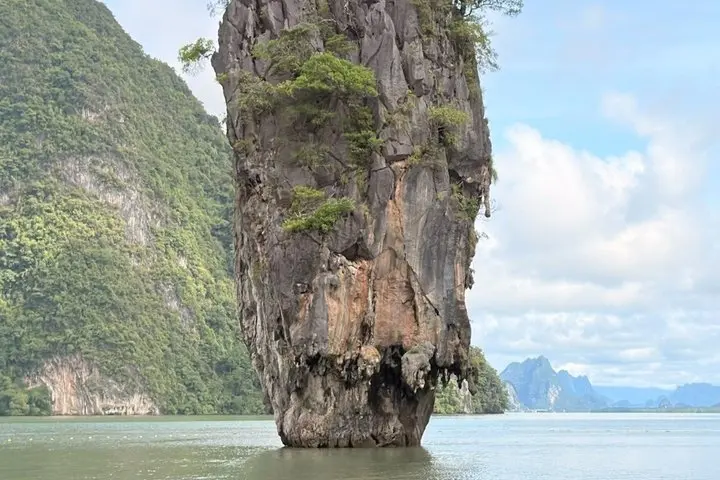
You push off from Khao Lak before the sky hardens into heat. The longtail engine murmurs, then sings; the sea opens into a ribbon of glass—emerald folding into jade—punctuated by those karst towers that loom like stone sentinels. Up close, they stop being postcard props and start behaving like characters: one juts like a stubborn finger, another leans and listens. The captain tips the bow toward a slot in the cliffs and the boat answers, sliding into shadow as limestone reaches for the sun. For seven hours you’ll move through this dramatic archipelago—sea caves, a floating fishing village, and the famous mushroom-shaped stack that made film history—without a coachload of strangers in your wake.
This is Phang Nga Bay’s private day trip: a curated drift through geology, culture, and clear water. The star attraction is Khao Phing Kan and the neighboring rock pillar commonly called James Bond Island (Ko Tapu), the sublime natural stage set from the 1974 film The Man with the Golden Gun. But the trip is more than a selfie stop. It’s a cross-section of the bay’s story: shallow coral platforms turned to chalky towers, centuries of tides carving caves and overhangs, and coastal communities who adapted their homes to the sea, living literally on boats at Koh Panyee.
Geologically, Phang Nga tells a slow-motion drama. The limestone towers began as reefs and seabeds; tectonic lift and relentless rain and waves hollowed their undersides into caverns, leaving pinnacles where once there was plain seabed. The karst scenery is most legible at eye level—when you’re in a kayak or silent canoe and you can read the bands, fossils, and striations up close. The caves aren’t just pretty; many hold spiritual importance. Wat Suwan Khuha, the cave temple near the mainland, shelters a reclining Buddha and marks how local religion folded into the landscape.
Koh Panyee is a cultural counterpoint. Built on stilts by Malay fishermen, the floating village is an improvisation of adaptation: mosques, schools, and seafood shacks above the water, kids running along rickety walkways. For a few baht at a stall you can taste freshly grilled prawns and witness a community that’s sustained itself by the tides. The village also faces real pressures—rising seas, declining fish stocks, and mass tourism—and part of the private tour’s appeal is that it limits impact compared with larger boats crowding the piers.
Practicalities: this is a private longtail experience that lasts roughly seven hours (the trip is a fixed 420 minutes). A typical itinerary includes pickup in Khao Lak, boat transfer into Phang Nga Bay, sea canoeing through hollowed limestone caves at high or low tide depending on schedule, a stroll on Khao Phing Kan, a visit to Koh Panyee, and a stop at a cave temple with the reclining Buddha. Private transfers, a personal guide, and the flexibility to move at your pace are included, and prices start from about USD 139 per person.
For travelers, the magic sits in small choices. Start early to catch the bay without mid-day glare and the busiest day boats. Bring reef-safe sunscreen and a hat; the sun is unrelenting. Wear water shoes with good grip—the wooden docks at Koh Panyee and the stepped rock at Khao Phing Kan can be slippery. If you want the quietest sea-canoy sections, request the earlier tide window; paddling at low tide can expose mudflats and make some passages tighter but often more dramatic.
Safety and etiquette matter. The sea can be calm one hour and choppy the next; basic balance and a little stamina are useful for boarding and the canoe portions. Respect temple rules at Wat Suwan Khuha: modest dress and quiet are expected. On Koh Panyee, buy a snack or a drink if you step onto private walkways—your small purchase helps local families who depend on tourism.
Why book a private version? Because privacy translates to flexibility. Instead of circling the same viewpoints with dozens of others, you pick which caves to paddle, spend extra time photographing the rock pillar from a quieter angle, and linger over lunch without feeling hurried. For families, couples, or small groups, a private boat keeps the pace human-sized and the experience more personal.
If you’re planning, remember a few logistical notes: the longtail boats are traditional and nimble but exposed; bring layers for early-morning breeze and a waterproof pack for your camera. If you’re sensitive to seasickness, sit mid-boat and consider a motion-sickness tablet. The best months are the dry season from November through April; rain and churned seas are likelier during the southwest monsoon.
In the end, the day isn’t about ticking off a movie location; it’s about feeling the bay’s architecture and rhythms. Limestone that dared to be dramatic. Water that tests and cushions you. Communities that learned to live with the tide. The private trip lets you experience all of it at a pace that feels chosen, not scheduled—an island day that still leaves room to be surprised.
Trail wisdom
Small choices, better day.
Bring cash for Koh Panyee
Many small vendors and walkways are local-run and prefer cash; bring small denominations for food and souvenirs.
Wear slip-resistant water shoes
Rocky shores and wooden jetties can be slick—protect your ankles and traction with good water shoes.
Use reef-safe sunscreen
Protect your skin and the bay’s marine life by choosing reef-safe formulas.
Start early for calmer water
Mornings usually offer the quietest sea and the best light for photos—ask for the earliest pickup.
Local knowledge
Read the place, not just the route.
Watch for native species including White-bellied sea eagle, Long-tailed macaque.
Keep an eye out for wildlife during the transition between areas and habitats. Respect distance guidelines.
Phang Nga Bay faces pressure from overtourism and coastal development; choose reef-safe products, avoid single-use plastics, and support local vendors to help sustain communities.
Follow the guide's instructions on size limits, ethical handling, and leave-no-trace practices.
Paddle into the quieter sleeves of the bay at high tide—small coves reveal nesting birds and intricate stalactites. Ask your guide to detour to lesser-visited rock formations near Khao Phing Kan for clean, crowd-free photo angles
Locally recommended viewpoints and quiet spots known best to local operators.
The bay’s dramatic karst towers were once underwater reefs; human communities like Koh Panyee adapted to living on stilts and platforms in response to shallow coastal waters.
Maritime roots and regional tradition shape the waterways and working coasts.
Seasonal guide
Four versions of the same landscape.
Spring
Best forCalmer seas · Clearer light for photos · Wildlife sightings
ChallengesGrowing daytime heat · Occasional brief showers
Late spring (March–May) brings stronger sun and warmer water; mornings are best for paddling before heat builds.
Summer
Best forLush coastlines · Lower visitor volume on some days · Dynamic skies for dramatic photos
ChallengesOccasional monsoon storms · Rougher seas
Summer can be hot and wet—expect intermittent heavy rain and potentially choppy conditions during the southwest monsoon.
Fall
Best forTransitional weather · Less humidity than peak summer · Good for wildlife activity
ChallengesUnpredictable early rains · Some tours curtailed by weather
Autumn balances heat and showers; check forecasts and be ready to shift plans if storms arrive.
Winter
Best forDry, sunny days · Calm seas for kayaking · Ideal visibility for photography
ChallengesHigher visitor numbers in high season · Advance bookings needed
The dry season (Nov–Feb) is the most comfortable for a day on the bay and is the busiest time for tours.
Operator details
What the booking data adds.
Included
- ✓Travel insurance
- ✓Round-trip hotel transfer in Khao Lak area (Air-conditioned vehicle)
- ✓Professional English-speaking tour guide
- ✓Lunch: Authentic local lunch at Koh Panyee (Floating Muslim Village).
- ✓National Park entry fees
- ✓Traditional longtail boat charter & sea canoeing fees
- ✓Bottled drinking water, Soft drink and snack
- ✓Admission & temple entry fees
Good to know
- ✓Wheelchair accessible
- ✓Infants and small children can ride in a pram or stroller
- ✓Public transportation options are available nearby
- ✓Specialized infant seats are available
- ✓Transportation options are wheelchair accessible
- ✓Not recommended for travelers with spinal injuries
- ✓Not recommended for pregnant travelers
- ✓Not recommended for travelers with poor cardiovascular health
- ✓Suitable for all physical fitness levels
Pack with intention
What to bring.
Good to know
Common questions.
The private tour is approximately 420 minutes (7 hours), including transfers, boat time, and stops at islands, caves, and Koh Panyee.
Plan the edges
The details that make the day easier.
James Bond Island’s distinctive limestone stack was catapulted to international fame after appearing in the 1974 film The Man with the Golden Gun.
After the day on the water, head back to Khao Lak for southern Thai seafood—look for family-run restaurants serving grilled fish, massaman curry, and fresh coconut ice cream, or sip a cold local beer while watching the sunset over the Andaman.
- Closest airport
- Phuket International Airport (HKT); Departure
- meeting point
- Khao Lak (transfers usually included); Driving distance from Phuket Airport: ~1–2 hours depending on traffic; Cell service: patchy near islands, download maps beforehand; Permits
- fees
- Ao Phang Nga National Park entrance
The bay is ecologically sensitive—use reef-safe sunscreen, avoid single-use plastics, do not feed wildlife, and support local vendors to keep tourism benefits in local hands.
Explore by topic
Follow the threads.
Keep exploring
Make the story part of the trip.
 Related story
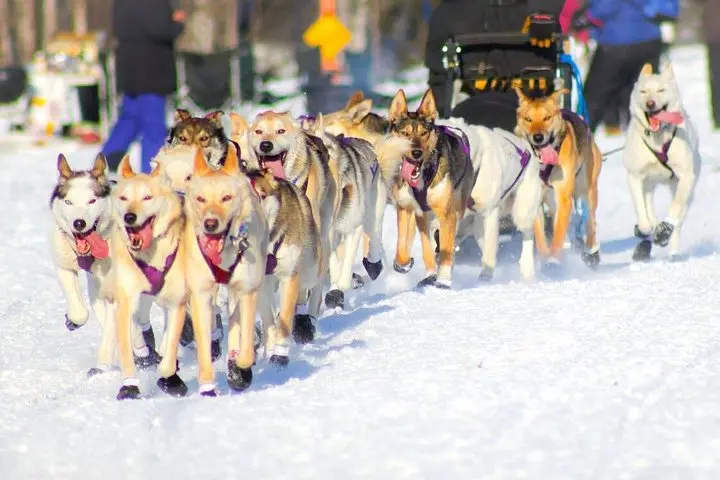
Compress the classics of Alaskan winter into a single weekend: dog sleds across frozen lakes, a snowmobile backcountry transfer, private cabins and nightly aurora hunts. This is an immersive, comfortable entry into the Iditarod world.
 Related story
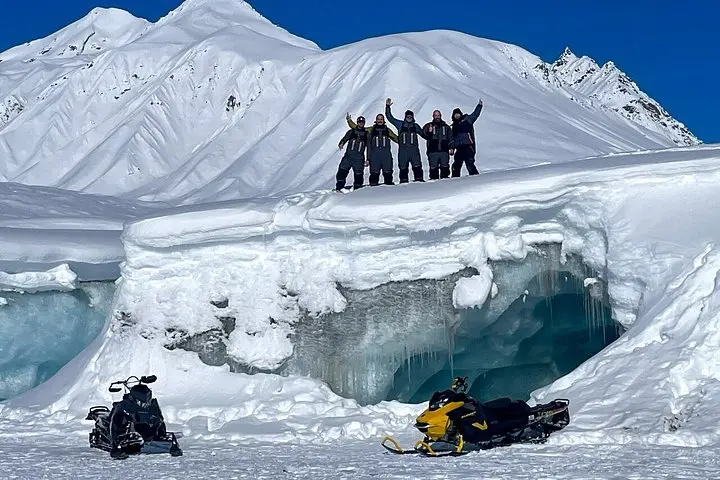
Three days, guided snowmobiles, and a base at Alpine Creek Lodge—this expedition mixes backcountry thrills with lodge-side comforts as you ride toward the Maclaren Glacier and the raw winter of the Denali Highway.
 Related story
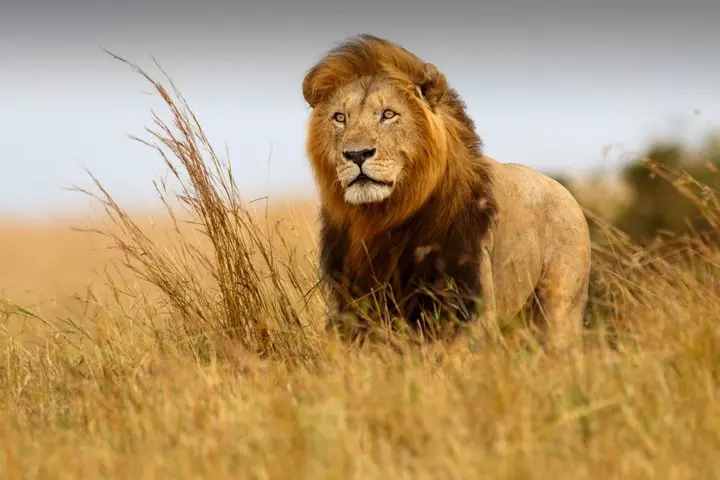
From Robberg’s wind-scoured cliffs to cave chambers and an open 4x4 game drive, this five-day Garden Route loop packs seaside hikes, whale watching and wine into one efficient, well-paced adventure.