
What the day feels like
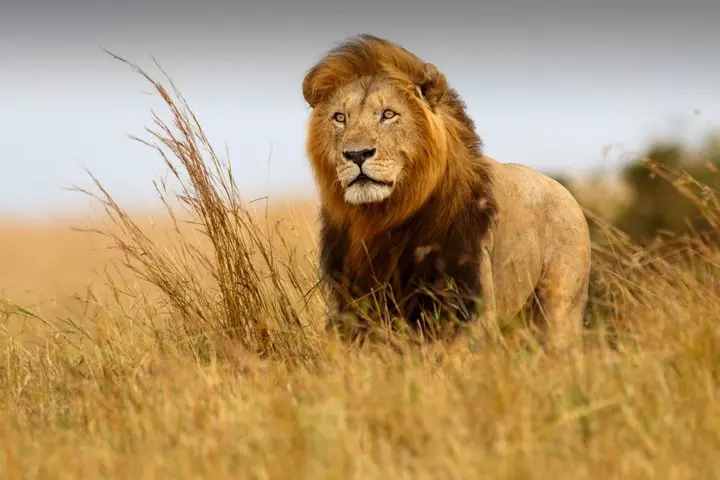
Morning on the Garden Route begins with salt and light. The Atlantic has just handed the coast its first cool breath and the road — a ribbon of two-lane highway stitched through mountain passes and fynbos — unfurls toward a coastline that alternates between wind-scoured cliffs and long, forgiving beaches. By late afternoon you can be on the Robberg Peninsula, lungs full of sea air, watching a band of Cape fur seals bullying the surf below; by the next day you’ll be on an open 4x4 watching impala lift their heads in the scrub.
This five-day circuit is the kind of trip that assembles itself like a postcard and a field guide: Robberg Nature Reserve’s granite spine and maritime heath, the cool dripstone rooms of the Cango Caves, the low-slung estuary towns of Knysna and Plettenberg Bay, and a focused safari at Botlierskop Game Reserve where elephants and white rhinos are part of the cast. It’s a route that moves from ocean to karoo to indigenous forest and back, a compact cross-section of South Africa’s Western Cape.
Geology and history are constant companions here. The Garden Route rides a belt of ancient sandstones and quartzites; the Robberg Peninsula is a remnant of coastline shaped by rising seas and slow erosion, while the Cango Caves—carved into the limestone of the Klein Karoo—feel like a different planet underfoot: cathedral chambers, drips and stalactites that record millennia in calcified layers. Culturally, this stretch bears traces of colonial routes and the R62 wine roads, but the deeper history belongs to the Khoisan peoples, whose place names and rock art remind you that human presence here long predates the tourist map.
The tour is curated for variety. Days alternate between active hikes and gentler cultural or wildlife experiences: an interpreted walk on Robberg (roughly 8–10 km depending on the route), a cave tour in Oudtshoorn (expect a 45–60 minute guided experience), a coastal stop at Cape Agulhas—the continent’s southernmost point—and a full-afternoon open 4x4 game drive at Botlierskop, where conservation-minded private reserves blend hospitality with habitat protection. Along the way you’ll taste wines on the R62, sample oysters in Knysna, and learn why Hermanus is one of the world’s reliable whale-watching towns during winter months.
Why book this as a packaged experience? Logistics are the friction most travelers underestimate: driving the Garden Route involves long stretches of single-carriageway roads, coordinated pickups and timed entries for attractions like Cango Caves and Robberg’s day permits, plus the need to time whale- and game-viewing with seasons. This itinerary bundles the driving, guides, and local know-how so you can hike, watch and sip without the overhead of planning every transfer.
Practical edge: footwear and timing matter. Robberg’s trails are exposed; light trekking boots with sticky soles and a wind shell are useful. Onshore winds can be cold and persistent, particularly in spring and winter, so layers are your friend. On safari, quiet patience unlocks the best sightings—binoculars and a telephoto lens deliver more than speed.
Safety and sustainability are folded into the rhythm of the trip. Many of the reserves on the Garden Route are active conservation partners; guides will brief groups on staying on trails, not feeding wildlife, and minimizing disturbance at sensitive sites like penguin colonies and whale-watching vantage points. The private reserves such as Botlierskop reinvest in ecological management: anti-poaching units, habitat restoration and community outreach programs are often part of the operational model.
For a five-day window, this tour offers an efficient yet textured taste of the Cape’s southern flank. It’s not a deep-dive into any single discipline—this isn’t a multi-day backpacking expedition or an in-depth wine immersion—but it is a practical, invigorating sampler for someone who wants coast and mountain walks, marine life, cave geology, and a responsible taste of safari, all without switching hotels every night.
Plan to arrive to Cape Town the day before departure to absorb jet lag and give yourself a buffer. Bring a camera, a pair of binoculars, and a daypack with water and snacks for the hikes. Expect comfortable hotels rather than camping, a mix of guided walks and free time in towns like Knysna and Plettenberg Bay, and a schedule that balances moving days with moments to sit and watch the sea.
If you want one flawless photo: aim for the Robberg sunset or the morning light over Knysna Heads, when the estuary lights up like a shallow gem. If you want a wildlife moment, slow your breath on the Botlierskop 4x4 and let the animals decide the choreography.
This is a trip that insists on variety over single-mindedness, and that’s its strength. In five days you’ll have walked a peninsula, crawled through cave chambers, glimpsed whales spouting offshore, tasted the region’s wine and oysters, and spent an afternoon with plains animals in scrub and riverine pockets. It’s practical, textured, and paced to keep the adventure feeling like discovery rather than a checklist.
If your travel appetite includes both action and context—hiking and geology, wine and wildlife—this Garden Route loop is a brisk, satisfying way to get to know South Africa’s southern coast on terms that are both scenic and sensible.
Trail wisdom
Small choices, better day.
Start early on Robberg
Morning light is both cooler and kinder for coastal hikes; tides and winds can pick up in the afternoon so aim to finish before late day breezes.
Bring a compact daypack
A 20–30L pack holds water, layers, camera and snacks for hikes and shorter excursions between towns.
Use quiet optics on safari
A pair of binoculars and a 200mm lens will let you observe without disturbing animals; keep voices low during drives.
Book whale watching seasonally
If whales are the priority, plan your trip for August–November and confirm boat or shore-based options in Hermanus.
Local knowledge
Read the place, not just the route.
Watch for native species including Southern right whale, African elephant (on private reserves).
Keep an eye out for wildlife during the transition between areas and habitats. Respect distance guidelines.
Many private reserves on the route support anti-poaching and habitat restoration; visitors are encouraged to choose operators that reinvest in local conservation and communities.
Follow the guide's instructions on size limits, ethical handling, and leave-no-trace practices.
Keurbooms River estuary paddle—quiet birdlife and estuarine scenery. Nature’s Valley lagoon and short walks for solitude and birding
Locally recommended viewpoints and quiet spots known best to local operators.
The R62 and Garden Route corridors trace colonial trade and settler patterns while overlaying older Khoisan place names and cultural landscapes.
Maritime roots and regional tradition shape the waterways and working coasts.
Seasonal guide
Four versions of the same landscape.
Spring
Best forWildflower displays · Mild hiking weather · Early whale sightings
ChallengesUnpredictable winds · Intermittent rain
Spring (Sept–Nov) is arguably the best balance—warmer days, flowering fynbos and increasing whale activity, but layers and wind protection are essential.
Summer
Best forBeach time · Long daylight hours · Paddle and coastal walks
ChallengesBreezy afternoons · Crowded beaches in December–January
Summer brings long, warm days ideal for beaches and Robberg trails, though popular towns can be busy and coastal winds pick up.
Fall
Best forCalmer seas · Clearer skies · Off-season travel
ChallengesCooling evenings · Reduced whale activity
Autumn offers stable weather and fewer crowds; days are still pleasant for hiking and winery visits but evenings cool quickly.
Winter
Best forWhale watching · Green landscapes · Cave exploration
ChallengesRainier days · Windy coastline · Shorter daylight
Winter is prime whale season and dramatic coastal weather—expect choppy seas, warmer layers, and excellent wildlife viewing on land.
Operator details
What the booking data adds.
Included
- ✓Visit Cape Agulhas, Africa's southern-most tip
- ✓Visit Betty's Bay to see the African Penguins
- ✓Experience the World's Longest Wine Route R62
- ✓Hiking at Robberg Nature Reserve
- ✓Wine tasting
- ✓Tour of Cango Caves
- ✓Tour of Knysna Heads and Knysna Quays
- ✓4 Nights hotel/lodge/guesthouse accommodation is included
- ✓Experience the Garden Route
- ✓Tour of Hermanus, Knysna, Plettenberg Bay
- ✓Experience the Whale Coast Route
- ✓Open 4x4 game safari at Botlierskop Game Reserve
Not included
- —Tips
Good to know
- ✓Wheelchair accessible
- ✓Infants are required to sit on an adult’s lap
- ✓Transportation options are wheelchair accessible
- ✓All areas and surfaces are wheelchair accessible
- ✓Suitable for all physical fitness levels
- ✓no restrictions
Pack with intention
What to bring.
Good to know
Common questions.
Major highlights, ground transfers from Cape Town, accommodation, selected meals, guided activities (Robberg hike, Cango Caves visit, Botlierskop open 4x4 safari), and some entrance fees are included—confirm specifics at booking.
Plan the edges
The details that make the day easier.
Cape Agulhas, visited on this route, is the geographic southernmost point of the African continent and the place where the Indian and Atlantic Oceans officially meet.
After a day on the trail, head to Knysna for fresh oysters and a waterfront meal; Plettenberg Bay has a lively craft beer scene and cozy seafood restaurants. Stop at a small R62 cellar door for Chenin Blanc and local hospitality between drives.
- Closest major airport
- Cape Town International (CPT); regional option: George Airport (GRJ). Driving distance: Cape Town to Plettenberg Bay ~480 km (~6 hours). Cell service: generally available in towns, intermittent in reserves. Permits
- fees
- Garden Route National Park access fees and Cango Caves entry fees may apply.
Support operators who invest in local conservation, stay on trails, avoid single-use plastics, and do not feed wildlife—these areas have sensitive marine and terrestrial ecosystems.
Explore by topic
Follow the threads.
Keep exploring
Make the story part of the trip.
 Related story
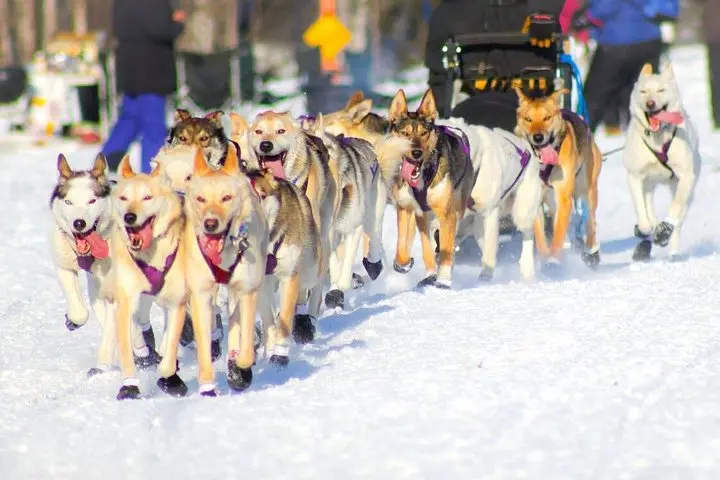
Compress the classics of Alaskan winter into a single weekend: dog sleds across frozen lakes, a snowmobile backcountry transfer, private cabins and nightly aurora hunts. This is an immersive, comfortable entry into the Iditarod world.
 Related story
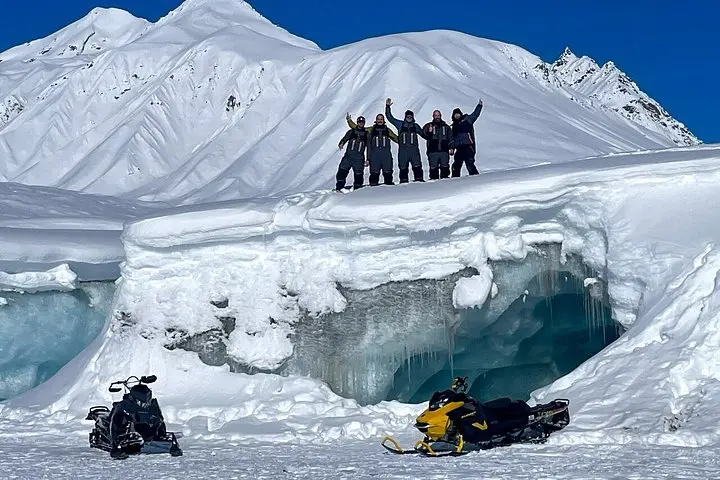
Three days, guided snowmobiles, and a base at Alpine Creek Lodge—this expedition mixes backcountry thrills with lodge-side comforts as you ride toward the Maclaren Glacier and the raw winter of the Denali Highway.
 Related story
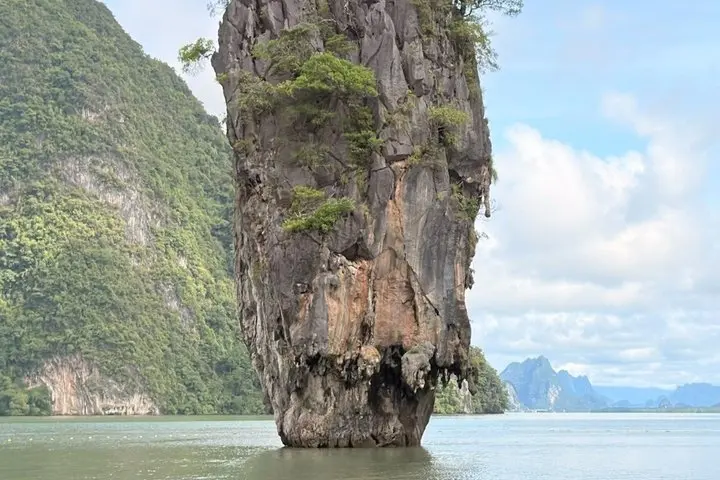
Sail ahead of the crowds on a private longtail through Phang Nga Bay. Sea caves, a floating fishing village, and the iconic rock pillar offer a rich day of geology, culture, and clear-water paddling.