
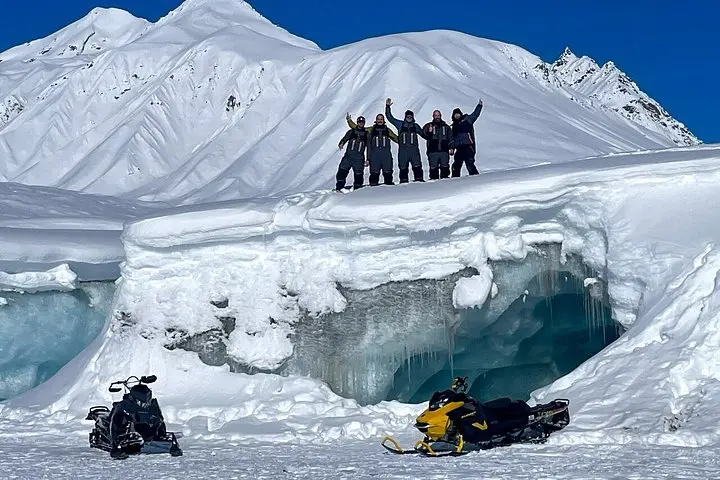
What the day feels like
You wake before dawn to a sky the color of gunmetal and a cold that pins the breath to your teeth. Headlamps bob as a small convoy of riders suits up outside Alpine Creek Lodge, where the only sounds are the crack of frozen spruce and the distant hum of the Alaska Range. The guides hand out helmets and a quick, confident briefing—how to handle throttle, lean into a berm, and what to do if your track finds a tree well—and then the machines cough alive. For the next three days the world narrows to the rumble beneath your legs, the spray of white, and the sharp, clean horizon of Maclaren Glacier ahead.
This is not adrenaline for adrenaline’s sake. The 3 Days Denali Glacier Snowmobile Expedition is an exercise in efficient winter travel through a landscape both brutal and generous. The Denali Highway threads across high tundra and along river-carved valleys, offering wide-open sightlines that put the Alaska Range in cinematic perspective. On clear nights, the aurora curtains the sky, folding greens and violets into the same palette you’ll see on the glacier’s face—bluish ice, lenticular snow, and the pale metallic sheen of distant peaks.
The route traces a sweep of geologic time. Glaciers like Maclaren are the region’s sculptors, grinding rock into valleys and leaving moraines as fingerprints. The highway itself is a human-made line through that glacial history—an unpaved, often remote road that was established to link interior communities and industrial sites, and today is the access corridor into some of the most isolated terrain in central Alaska. Along the way, the cultural threads of interior Alaska are subtle but present: rusted homesteads, subsistence cabins, and the occasional sled-dog team reminding you that winter here is a way of life, not simply a season.
This trip is equal parts access and immersion. Guides from Alpine Creek Lodge steer the logistics: snowmobile basics for beginners, safety around crevasses and ice, and route choices that match skill levels. The lodge becomes basecamp—meals included, warm bunks, and a place to dry gear between runs—so each day can be focused on the ride and the landscape rather than campsite chores.
On the glacier the experience changes tone. Tracks soften into powder fields, and the glacier’s texture shifts from bright crevasses to sculpted seracs. The guide will select lines that let you play in deep snow while keeping an eye on avalanche-prone slopes and hidden crevasses. There is time for small stops: a coffee with a view, a walk to the edge to listen for the glacier’s low, slow groan. It’s a place that rewards stillness as much as speed.
Why do this trip? For one, the sensory clarity—cold air that bites and then clears your head, the tactile engagement of learning to read the trail and machine, and the kind of scenery you only get where glaciation dominates the land. It’s also accessible: no prior snowmobiling experience is required, and the guides tailor routes to rider ability. For travelers who want high-intensity winter adventure without remote-camping self-sufficiency, this is a rare mix of comfort and wilderness.
Practicalities matter. The expedition runs three days and two nights (72 hours total), is priced from around USD 2,995, and is open to riders 18 and older. All gear, meals, and accommodation at Alpine Creek Lodge are included, which simplifies planning and lets you focus on layers, technique, and staying warm. Expect grooming stations and guided lines rather than groomed resort trails; this is backcountry riding on maintained routes.
Safety and preparation can’t be an afterthought. Layers are paramount—think a wicking base, an insulating midlayer, and a windproof, waterproof outer shell. Hand and foot warmth are often the limiting factors; mitts that allow throttle control and insulated boots are essential. Hydration and nutrition are equally critical: cold suppresses thirst, but dehydration undermines both comfort and judgment. Guides will brief riders on avalanche awareness and glacier safety, but a respectful humility before ice and winter weather is the best preparation.
When to go? Mid- to late-winter offers the most reliable snowpack and crisp daylight. Nights are long, and with luck you’ll see the Northern Lights palette sweep overhead. If you chase soft powder and long shadows with manageable temperatures, March is often the sweet spot.
Beyond the riding, this expedition plugs you into a quiet, local economy. Spending evenings at the lodge supports guides and keepers of winter knowledge; eating a hot dinner with a group of strangers-turned-riding-partners is where stories are traded and plans for the next return visit are hatched.
For the traveler who wants an approachable but authentic Alaskan winter adventure, this three-day snowmobile expedition delivers. It strips away the busy-city definition of travel and replaces it with throttle, ice, and a horizon that feels like an invitation. Whether you want the technical satisfaction of learning machine control on varied terrain or the simple thrill of standing at the lip of a glacier with the whole range spread out before you, this trip makes a strong case for winter as the best time to meet Alaska head-on.
Trail wisdom
Small choices, better day.
Layer for variable cold
Bring a moisture-wicking base, a warm midlayer, and a windproof outer shell—temperatures and wind can change quickly on exposed tundra.
Practice throttle control
If you’re new to snowmobiles, spend time with your guide getting comfortable with gradual throttle and leaning technique before fast runs.
Protect extremities
Use insulated boots and thin liner socks plus warm mitts that allow throttle access—cold hands and feet ruin a good ride.
Respect glacier hazards
Stay on guide-selected lines; crevasses and unstable ice must be treated with caution even on calm days.
Local knowledge
Read the place, not just the route.
Watch for native species including Dall sheep, Arctic fox.
Keep an eye out for wildlife during the transition between areas and habitats. Respect distance guidelines.
Respect seasonal wildlife patterns and avoid disturbing shoreline or tundra vegetation; guided groups minimize impact by using established routes.
Follow the guide's instructions on size limits, ethical handling, and leave-no-trace practices.
Small ridge overlooks along the Denali Highway that frame Denali on clear days. A quiet moraine overlook near Maclaren Glacier where the scale of the ice field is most apparent
Locally recommended viewpoints and quiet spots known best to local operators.
The Denali Highway was developed to connect interior communities and access natural resources; today it’s valued for its remote scenic character.
Maritime roots and regional tradition shape the waterways and working coasts.
Seasonal guide
Four versions of the same landscape.
Spring
Best forStable daylight · Early-season powder runs · Aurora viewing late winter into early spring
ChallengesVariable temperatures · Potential warming crusts on snow
Late winter into spring (February–March) often delivers stable snow and longer daylight, but temperatures can swing and surface conditions vary.
Summer
Best forNot applicable for snowmobiling · Scenic access along Denali Highway when open
ChallengesNo snow for snowmobiles · Road closures and muddy conditions
Summer is the wrong season for this trip—Denali Highway becomes a dirt route and the glacier is not rideable by snowmobile.
Fall
Best forScenic preparation trips · Early-season scouting
ChallengesShort daylight · Unpredictable early snowfall
Fall has limited window conditions; prepare for short days and variable weather if traveling shoulder season.
Winter
Best forDeep snowpack · Glacier travel · Northern Lights opportunities
ChallengesExtreme cold nights · Remote access and reliance on guides
Winter is the optimal season—snow-covered access routes and reliable glacier conditions, but expect prolonged cold and dependence on professional support.
Operator details
What the booking data adds.
Included
- ✓Alaskan Breakfast, Lunch and Dinner
- ✓All essential gear and equipment
- ✓A chance to see the Northern Lights
- ✓three-day, two-night snowmobile adventure
Not included
- —Gratuities
Good to know
- ✓Not recommended for pregnant travelers
- ✓Suitable for all physical fitness levels
- ✓Drivers must be 18 years or older and licensed drivers to operate a machine
- ✓12 and up may ride as a passenger and must with a parent or legal guardian.
Pack with intention
What to bring.
Good to know
Common questions.
No—guides provide instruction for beginners and tailor routes to rider skill; basic comfort with throttle and balance helps.
Plan the edges
The details that make the day easier.
Denali National Park and Preserve is home to Denali, North America’s highest peak at 20,310 feet, and the surrounding glaciers are major sculptors of the landscape you ride through.
After a day on the snow, warm up at Alpine Creek Lodge with hot stew and local stories; for a post-trip pint or supplies, head into Cantwell to connect with local outfitters and sample regional fare.
- Closest airport
- Fairbanks (FAI) or Anchorage (ANC); Typical driving distance to trailhead: 2–4 hours from Fairbanks depending on route; Cell service: intermittent to none; Permits
- passes
- No special park permit required for guided trips but check seasonal access advisories.
This itinerary uses established routes to limit vegetation damage—pack out all trash, avoid disturbing wildlife, and follow guides’ instructions to minimize footprint on fragile tundra.
Explore by topic
Follow the threads.
Keep exploring
Make the story part of the trip.
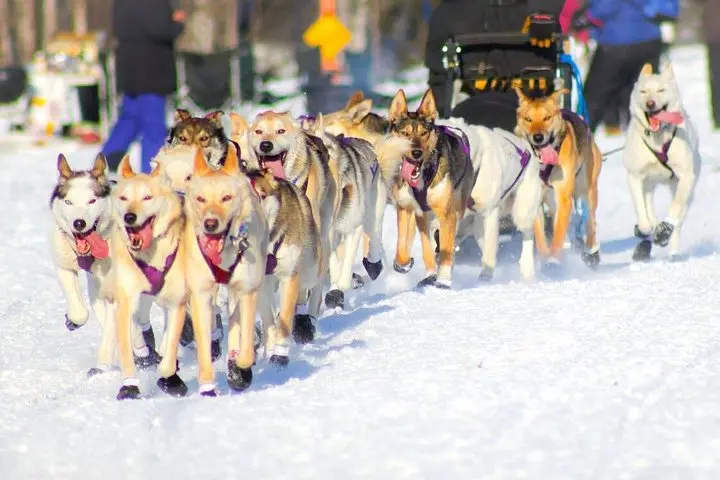 Related story
Compress the classics of Alaskan winter into a single weekend: dog sleds across frozen lakes, a snowmobile backcountry transfer, private cabins and nightly aurora hunts. This is an immersive, comfortable entry into the Iditarod world.
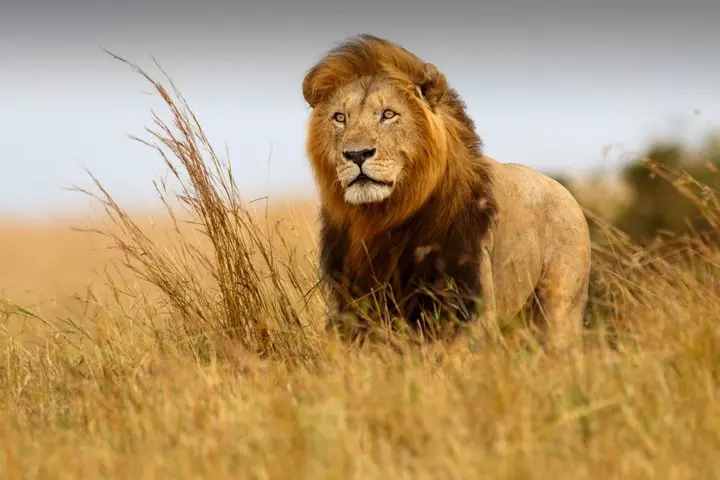 Related story
From Robberg’s wind-scoured cliffs to cave chambers and an open 4x4 game drive, this five-day Garden Route loop packs seaside hikes, whale watching and wine into one efficient, well-paced adventure.
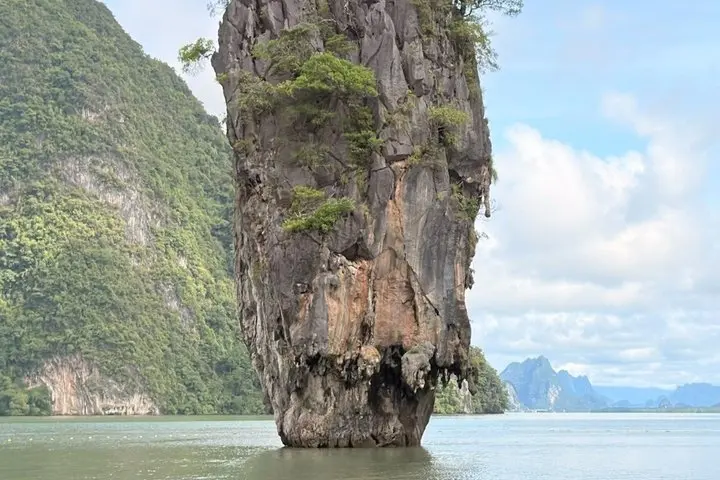 Related story
Sail ahead of the crowds on a private longtail through Phang Nga Bay. Sea caves, a floating fishing village, and the iconic rock pillar offer a rich day of geology, culture, and clear-water paddling.