
What the day feels like
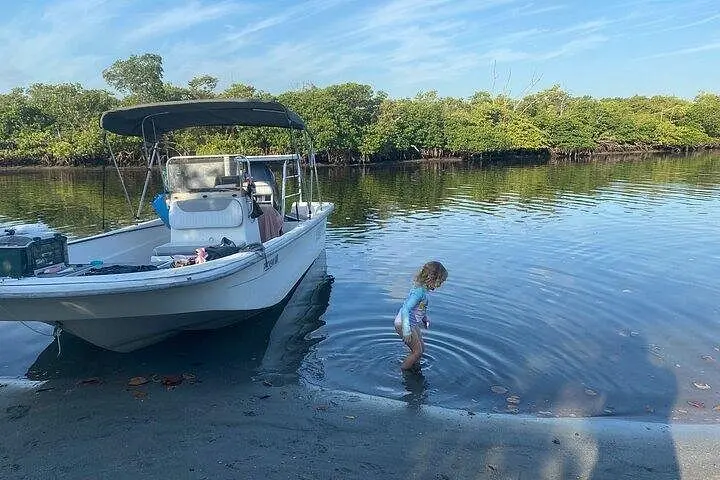
The boat slips away from the marina and the city softens—towering palms and glass facades shrink into a receding soundtrack of horns and distant laughter. Ahead, the Atlantic opens into a wide, bright wash of turquoise; sand and sea conspire to form a low, glimmering island that feels improvised just for your group. You step onto sun-warmed sand surrounded by water that challenges you to wade farther, float more lazily, and trade the city’s schedule for the slow, obliging rhythm of the tide. On a private Fort Lauderdale sandbar excursion, the priorities are simple: lounge, splash, photograph, and repeat. The experience feels effortless because it is—yet the rewards are distinctly Floridian: clear water, crunchy white sand, and an intimacy with the coast that only a short boat ride can deliver. The geology here is straightforward but fascinating. Sandbars are the result of longshore currents and offshore shoals that trap windblown and wave-transported sand. Off Broward County, the interplay between the Gulf Stream’s monthly moods and local tides sculpts temporary islands and shallow flats that appear, grow, and sometimes vanish within seasons. Historically, this stretch of coastline was the domain of the Seminole and earlier indigenous peoples who navigated the intricate network of inlets and barrier islands. Fort Lauderdale’s modern identity—once a quiet shipping and fishing town—evolved into a boating culture so pronounced it earned the region the nickname “Venice of America” for its web of canals. Today, sandbar outings sit somewhere between that maritime heritage and contemporary leisure tourism: a way to savor sun and sea while maintaining low-impact access to coastal habitats. Culture here is casual and social. Families bring coolers and card games, bachelor and bachelorette groups string LED lights and play curated playlists, and small wedding parties use the setting for informal ceremony photos. Operators typically run private charters, which keeps the vibe intimate and gives you control over timing and amenities. Respectful behavior—avoiding trampling seagrass, using reef-safe sunscreen, and keeping the volume manageable—goes a long way toward preserving the fragile ecology of these shallow flats. For practical travelers, a sandbar day is refreshingly low-tech. The Viator offering usually runs about four hours, enough time for an easy departure from a Fort Lauderdale marina, a 20–40 minute transit depending on wind and the chosen sandbar, roughly 90–150 minutes on the sandbar itself, and a relaxed return. Boats vary from center-console skiffs to larger catamarans; private tours mean you’re not squeezed among strangers, and the added flexibility is worth the premium. Expect warm Atlantic water (mid-60s F in winter, high 70s to 80s F in summer), ankle-to-knee-deep wading, and firm sand underfoot. Bring a hat, reef-safe sunscreen, a water-resistant camera or phone with a floating strap, and soft-soled water shoes to guard against hot sand and occasional broken shell. Timing matters. Calm, sunny mornings reduce chop and make for cleaner water; late afternoons tend to flatten the sea and offer flattering light for photographs. Windy days can create stronger currents and scattered sandbars, altering where boats can safely land. For families and casual groups, plan for restroom access before departure—most charters have basic facilities onboard, but extended time on a sandbar means you’ll want to limit surprises. This outing can be surprisingly wildlife-rich: shorebirds hunt the flats, and if you stay quiet you may watch pelicans glide and dolphins thread the wake. Local guides know how to minimize disturbance while pointing out interesting natural features. Cost is variable—this private experience is priced from about $475 for the charter, plus tips and any onboard amenities—so consider group size when booking: the per-person cost drops quickly when shared by a full boat. Why go? Because it’s the easiest, most immediate way to step into South Florida’s coastal intimacy without committing to a long travel day, strenuous hike, or complicated equipment. It’s restorative: a place to cool off, reconnect with the elements, and capture postcard-ready photos without the crowds of a public beach. For those planning the trip, consider booking during the cooler, drier months (late fall through spring) when algae blooms and summer thunderstorms are less likely to interrupt your day. Ask your operator about departure point, restrooms, life-jacket availability, and whether they provide floating mats or coolers. And above all, go with the intention of doing no harm: leave the sandbar as you found it, respect wildlife, and pack out what you pack in. Do it well, and the memory of a sun-dazed few hours on a private sandbar—music low, toes in shallow tide, a cold drink in hand—will carry the kind of simple, salty satisfaction that keeps people coming back to Fort Lauderdale’s waters.
Trail wisdom
Small choices, better day.
Bring Reef-Safe Sunscreen
Protect yourself and nearby marine life by using reef-safe sunscreen and applying it before you board.
Float Smart
Use floating straps on phones and cameras and secure loose items on the sandbar to avoid losing them to the tide.
Plan Around Wind
Check wind forecasts—calm mornings yield clearer water and easier landings; afternoon sea breezes can make wading choppy.
Respect Wildlife and Seagrass
Avoid trampling shallow seagrass beds and keep distance from resting birds and dolphins.
Local knowledge
Read the place, not just the route.
Watch for native species including Dolphins, Brown Pelicans.
Keep an eye out for wildlife during the transition between areas and habitats. Respect distance guidelines.
Operators and visitors are encouraged to use reef-safe products, avoid anchoring on seagrass, and pack out all waste to protect fragile coastal habitats.
Follow the guide's instructions on size limits, ethical handling, and leave-no-trace practices.
Early-morning dolphin sightings along the Intracoastal Waterway. Sunset cocktails at a Las Olas waterfront bar after your trip
Locally recommended viewpoints and quiet spots known best to local operators.
Fort Lauderdale’s canals and boating culture grew out of early 20th-century development; the area’s maritime identity remains central to daily life.
Maritime roots and regional tradition shape the waterways and working coasts.
Seasonal guide
Four versions of the same landscape.
Spring
Best forModerate temperatures · Clear water · Fewer storms
ChallengesOccasional late-season cold fronts · Variable winds
Spring offers warm water and stable conditions—ideal for long afternoons on the sandbar and good visibility for photos.
Summer
Best forWarmest water · Long daylight hours
ChallengesAfternoon thunderstorms · Higher humidity and algae risk
Summer delivers hot water and peak sun but comes with an increased chance of storms and murkier seas after rain.
Fall
Best forOff-peak crowds · Warmer sea temperatures
ChallengesHurricane-season late-season storms · Occasional unsettled seas
Fall can be pleasant and less crowded, but keep an eye on storm advisories during hurricane season.
Winter
Best forDriest weather · Comfortable daytime temps
ChallengesCooler water (mid-60s°F) · Potentially stronger north winds
Winter brings clear skies and dry days—great for comfortable cruising though water is cooler for long swims.
Operator details
What the booking data adds.
Included
- ✓We offer sunscreen , towels , floaties , and a blue tooth sound system
Good to know
- ✓Infants and small children can ride in a pram or stroller
- ✓Service animals allowed
- ✓Infants are required to sit on an adult’s lap
- ✓Suitable for all physical fitness levels
Pack with intention
What to bring.
Good to know
Common questions.
Transit time ranges from about 20 to 40 minutes depending on the sandbar chosen and sea conditions.
Plan the edges
The details that make the day easier.
Fort Lauderdale is nicknamed the 'Venice of America' for its intricate system of navigable waterways and canals, a legacy of early 20th-century development.
After the sandbar, head to Las Olas Boulevard for fresh seafood and waterfront tapas—Coconuts and smaller local spots offer casual dining and craft beers perfect for rinsing off a salty day.
- Closest airport
- Fort Lauderdale-Hollywood Intl (FLL). Typical departure: Fort Lauderdale marina
- Bahia Mar area. Driving from airport
- 10–20 minutes. Cell service: generally good close to shore, may weaken on exposed flats. Permits: none for visitors; follow local rules and operator guidance.
Use reef-safe sunscreen, avoid stepping on seagrass, pack out trash, and follow your captain’s instructions to minimize disturbance to marine life and fragile coastal systems.
Explore by topic
Follow the threads.
Keep exploring
Make the story part of the trip.
 Related story
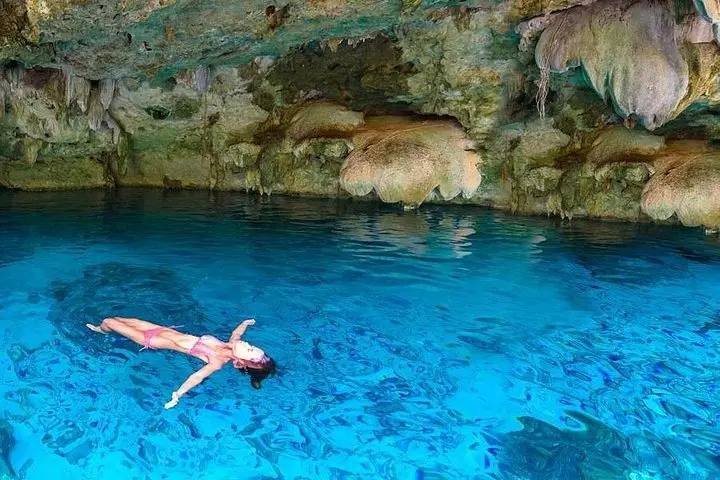
Dive into the Yucatán’s secret freshwater caverns and drift over the shallow reef gardens of Yalku Lagoon—an accessible, half-day snorkel pairing that blends geology, Mayan history, and vivid marine life.
 Related story
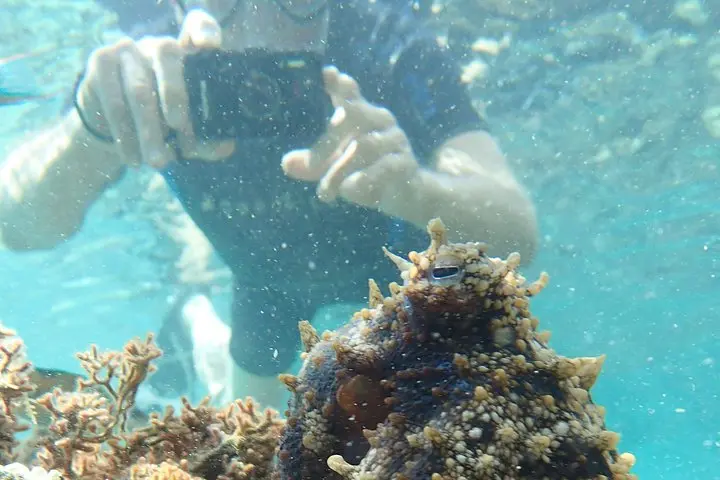
Slip beneath Porto Santo’s sunlit surface to find a mosaic of seagrass meadows, volcanic shelves, and playful schools of fish. This three-hour snorkeling tour pairs small-group access with local stewardship—ideal for travelers who value marine life over crowds.
 Related story
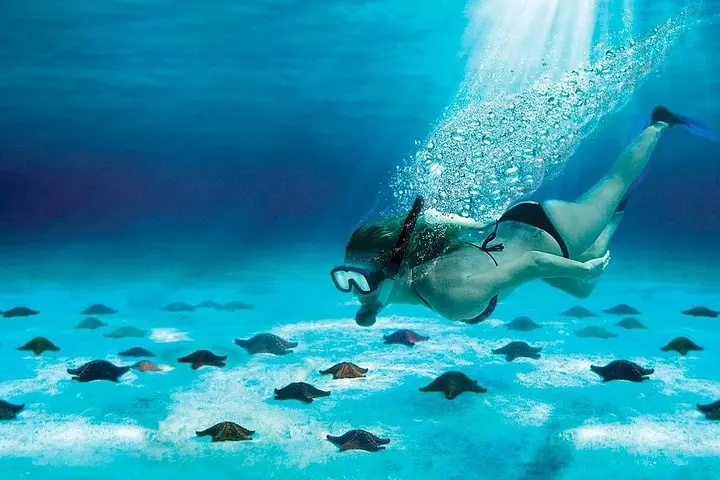
Spend a day on a high-speed boat exploring Cozumel’s famed reefs and the shallow sand flats of El Cielo. This full-day trip offers clear water, abundant marine life, and guided snorkeling at three prime sites—ideal for both first-timers and seasoned reef lovers.