
What the day feels like
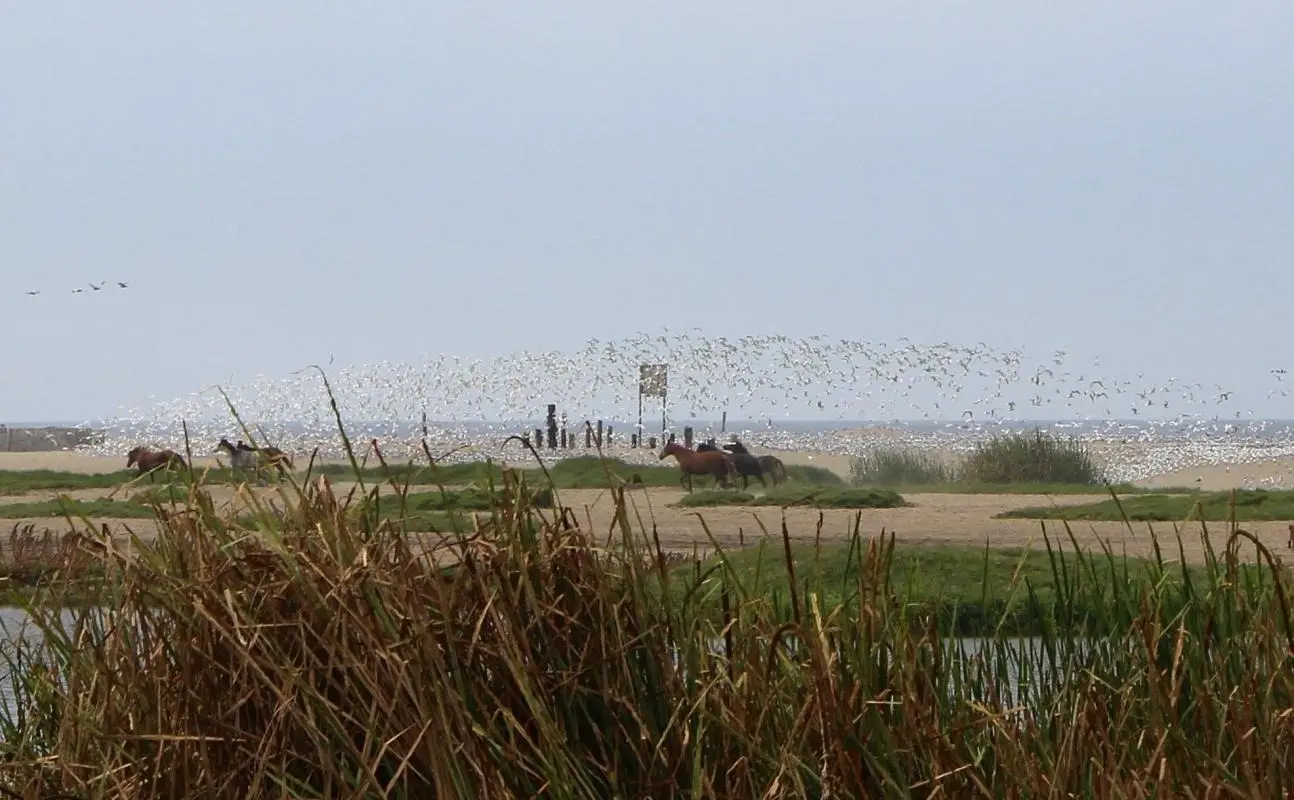
At first light the marsh breathes out a chorus. Reeds tremble like cathedral candles and a soft salt wind rides in from the Pacific, carrying the distant rumble of surf and the sharp, urgent conversations of pelicans. You stand on a raised boardwalk—mud squelching faintly beneath the wooden planks—watching a small flotilla of grebes slice tidy paths through a mirror-still lagoon. It feels impossibly rural until you remember the skyline of Lima is only a short taxi ride away.
Pantanos de Villa is what happens when a city refuses to surrender its last wetlands. Tucked into the southern edge of metropolitan Lima in the Chorrillos district, this wildlife refuge is a ribbon of marshes and shallow lagoons threaded into the Rimac River’s coastal hydrology. It is compact—an urban refuge rather than a sprawling wilderness—but its ecological value is outsized: between 170 and 210 bird species have been recorded here, depending on the season and who’s counting. For birders, naturalists and restless city dwellers, Pantanos de Villa is a confident rebuttal to the idea that ‘wild’ and ‘urban’ are mutually exclusive.
The reserve’s geology is simple and honest: coastal plain, tidal influence, a matrix of freshwater and brackish ponds hemmed by cattails and reedbeds. That simplicity is what makes it so productive—reeds filter sediments and nutrients, lagoons cradle juvenile fish, and the shallow margins become migratory waypoints. The human story is layered on top: colonial-era communities, modern Chorrillos fishermen, and a recent conservation arc that has turned the site into Lima’s last protected wetland area. Tours and citizen-science projects have kept it visible; local nonprofits, mentioned explicitly by tour operators, use proceeds to fund community projects.
A typical visit begins at dawn or late afternoon when birds are most active. Guided walks move at a patient pace: low-slung binoculars, soft-voiced identification, and long pauses to let an avian silhouette clarify itself against a brightening sky. Species you’re likely to notice include Peruvian pelicans cruising low over the lagoons, Andean coots scuttling along vegetated edges, and herons stalking the shallows. In winter and spring, smaller migratory shorebirds appear in transient numbers, linking Lima to distant breeding grounds.
But Pantanos de Villa is not only a birdwatching destination. The refuge functions as a living classroom—tour programs pair natural history with local context, traveling routes that can include Barranco’s colonial lanes, the Bridge of Sighs, and even short stretches that reach the nearby Pacific beaches for a closing vista. For two-wheeled travelers, an urban bike tour that begins in Miraflores and cuts south to the reserve is a popular choice; guides report a roughly 40 km round-trip for experienced riders willing to mix city streets with coastal promenade.
Practicality is woven into the adventure here. Trails are flat and accessible—boardwalks and causeways protect the marsh while offering close vantage points—so you won’t need technical gear or high-end fitness. The terrain, however, can be muddy after rains and insect-heavy in warmer months. That makes the timing of your visit as crucial as your binocular brand.
If you go: plan for an early start. Mornings are cool and the waterbird activity is at its peak; late afternoon is also productive and photogenic because the low-angle light warms the reedbeds. Guided tours range from two-hour birding strolls to half-day excursions that combine the refuge with nearby cultural stops like Pachacamac or Barranco. If you’re cycling, treat the ride as a full-day outing with water, sunscreen and a spare tube. Most organized experiences include transport if you’d rather leave the logistics to a local operator.
Respect and restraint count here. The refuge is compact, and its wildlife tolerates only courteous human attention—stay on paths, speak softly, keep pets away and follow your guide’s lead on photography. On the positive side, your visit often supports local conservation work; some operators pledge profits to community NGOs that fund education and habitat restoration.
Pantanos de Villa is a concise, accessible lesson in urban conservation: a place where the tide and the city negotiate a daily accord, where migratory flocks stagger and recompose, and where a few hours can feel like a small, restorative world away from Lima’s traffic. It’s an invitation that’s as practical as it is poetic—walk slowly, bring good optics, and leave the marsh a little better than you found it.
Trail wisdom
Small choices, better day.
Go at dawn or late afternoon
Bird activity and light quality peak early and late; plan a two-hour visit around sunrise for the best sightings.
Bring binoculars and a field guide
Optics bring distant plumage and behavior into clarity—ask your guide for local ID tips.
Stay on boardwalks
Trails cross fragile marsh; staying on paths protects habitat and keeps you dry.
Combine with Barranco or Pachacamac
Pair the refuge with nearby cultural stops for a full-day perspective of Lima’s natural and human history.
Local knowledge
Read the place, not just the route.
Watch for native species including Peruvian pelican, Andean coot.
Keep an eye out for wildlife during the transition between areas and habitats. Respect distance guidelines.
The refuge faces urban pressure but benefits from local NGOs and tour operators who funnel proceeds into education and habitat maintenance; visitors are asked to minimize disturbance and stay on designated paths.
Follow the guide's instructions on size limits, ethical handling, and leave-no-trace practices.
Sunset viewpoint on the southern boardwalk that frames the Pacific and marsh silhouettes. Short cultural stop at Chorrillos fishing pier—fresh ceviche and active local life after your walk
Locally recommended viewpoints and quiet spots known best to local operators.
Pantanos de Villa is Lima’s last protected coastal wetland, preserved as an urban refuge that links the city to migratory bird routes along the Pacific flyway.
Maritime roots and regional tradition shape the waterways and working coasts.
Seasonal guide
Four versions of the same landscape.
Spring
Best formigratory shorebirds · warm mornings · colorful reed growth
Challengesincreasing insect activity · variable rainfall
Spring (Sept–Nov) brings migratory species and lush vegetation—prime birdwatching with warmer days and active marsh life.
Summer
Best forlonger daylight · combined beach visits · bike tours
Challengescoastal haze (garúa) · strong sun on exposed stretches
Summer offers longer days and good cycling weather, though expect occasional coastal haze and stronger sun near the shore.
Fall
Best forcalmer migratory windows · milder temperatures
Challengespossible wind · fewer breeding displays
Autumn calms the marsh; species lists thin slightly but the light and temperatures are comfortable for walks and photography.
Winter
Best forsea bird concentrations · cooler conditions · off-peak visits
Challengescloudy skies · cool mornings
Winter mornings are cool and overcast but quieter—good for focused birding without peak crowds.
Pack with intention
What to bring.
Good to know
Common questions.
Most guided experiences last 2–4 hours; combine with nearby cultural stops for a half-day or full-day itinerary.
Plan the edges
The details that make the day easier.
Pantanos de Villa hosts over 170 recorded bird species and is the last protected wetland within the Lima metropolitan area.
Chorrillos’ coastal kitchens serve fresh ceviche and fried fish; nearby Barranco offers cafés and street art—book a guide who can link the refuge’s natural history with local culinary and cultural stops.
- Location
- Chorrillos, Lima. Best times: sunrise or late afternoon. Access: short taxi from central Lima or organized bike tours (≈40 km round trip). Entry: often included in guided tours; bring water, binoculars and modest footwear.
Support operators that donate to local conservation groups, stay on designated paths to protect reedbeds, and avoid feeding or chasing wildlife.
Explore by topic
Follow the threads.
Keep exploring
Make the story part of the trip.
 Related story
In eight efficient hours, experience the turquoise drama of Lake Louise and the cathedral-like icefalls of Johnston Canyon. This guided shuttle day trip from Banff/Canmore combines easy access, crisp winter scenery, and practical guidance for a high-reward Rockies outing.
 Related story
See Banff’s signature overlooks and hidden lakes in one compact, expertly guided 2.5-hour loop. Perfect for short-stay travelers who want big scenery without the driving.
 Related story
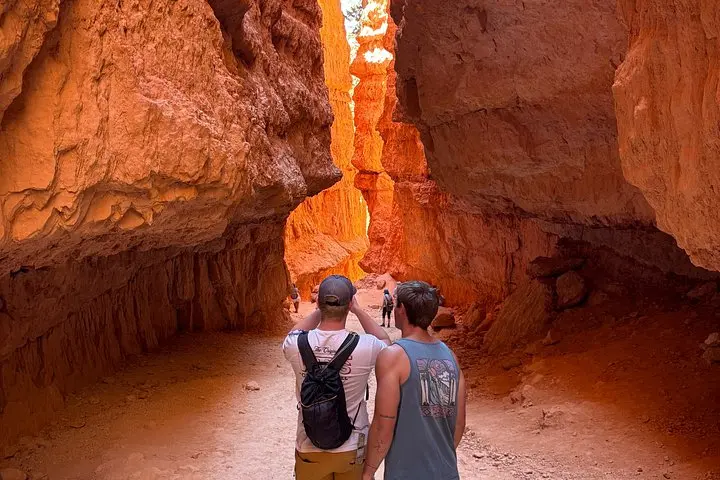
A guided sunrise hike down the Navajo Loop turns Bryce Canyon’s hoodoos from postcard scenery into an intimate geology lesson. Three miles, expert narration, and unforgettable light—this tour is the quickest way to understand how ice, time, and wind carved a city of stone.