
What the day feels like
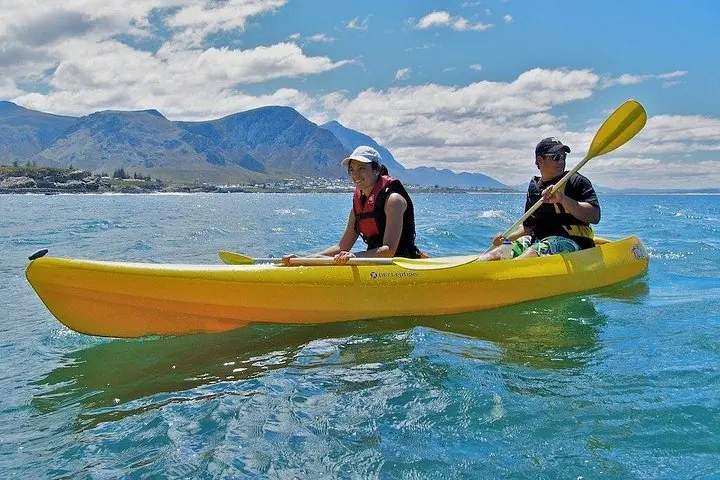
The ocean in front of Hout Bay doesn't simply sit; it moves with intent. On a clear morning the water mirrors Chapman’s Peak like a long, slow breath, then a breeze comes and the bay perks up—whitecaps lacing the surface, gulls arguing overhead, and the harbor boats bobbing as if impatient to point you toward the mouth of the bay. Slip into a sit-on-top kayak here and the shoreline reads like a layered postcard: fishing vessels, weathered stone piers, and the jagged spine of Chapman’s Peak Road cutting into the mountain above. Paddle out far enough and the world narrows to the rhythm of your strokes, the creak of your skirt, and the occasional bark of a Cape fur seal greeting you from a sun-slick rock.
This is not a hair-raising expedition; it’s a measured, ocean-side introduction to one of Cape Town’s most photographed stretches of coast. But the rewards are instant. Close to shore, you’ll skirt the emerald tongues of kelp forests and watch seals haul out on Duiker Island—a flat, wind-polished chunk of rock that hosts one of the region’s densest Cape fur seal colonies. Further along, Chapman’s Peak commands the scene, its folded sandstone history visible in every striated cliff face. Guides who lead these tours know the bay like a book: which coves harbor birds, where swell funnels in, and how to read Cape Town’s notoriously changeable weather.
Hout Bay itself is stitched into maritime history. Once a timber-rich valley (the name comes from “hout,” the Dutch and Afrikaans word for wood), it evolved into a working harbor known for fishing and boatbuilding. The bay’s coastline bears the fingerprints of millions of years of geology—Cape Fold Belt mountains giving way to coastal terraces and steep headlands—a dramatic stage for the ocean to perform on. The bay has long been part of local life: artisanal fishers still land catches here, and the small commercial harbor hums with the practical rhythm of a coastal community.
Culturally, this corner of the Cape Peninsula is a meeting point: town fishermen, weekend families, surfers, and day-visitors converging at the same benches to eat fish and watch rails of pelicans glide wide. The Bay Harbour Market—open most weekends—collects that energy in a compact, colorful way: stalls, music, and the smell of braaied fish. The human story of Hout Bay and Duiker Island is inseparable from the ocean life around it; seals and seabirds are as much residents as any person who earns a living off the water.
Practically speaking, the guided kayak tour is two hours on the water, with private transfers available from central Cape Town. Beginners are welcome—guides provide a short safety briefing, basic paddling instruction, and a route that factors in tides and wind. Expect to cover roughly 4–6 kilometers depending on conditions and your group’s pace; the pace is relaxed, punctuated by stops for wildlife watching and photo ops. Guides will point out marine life (seals, cormorants, occasional dolphins), explain coastal geology, and line you up for approaches to Duiker Island where seals are abundant but protected—no landing, just respectful observation from the sea.
Safety is straightforward but non-negotiable. Ocean conditions can shift rapidly: morning glassiness gives way to afternoon gusts, and a calm bay can suddenly feel larger if a southeaster picks up. Wear a life jacket, listen to your guide, and choose footwear that won’t slip when you re-board from the shore or harbor steps. A short practice session in the harbor gets most novices comfortable with steering and bracing techniques—skills that make the rest of the paddle more enjoyable.
For photographers, the low angle of a kayak is a gift: reflections, seal hair glistening in the sun, and the revealing textures of Chapman’s Peak. Use a short lens for sea-life portraits and a wide lens for the coastline; keep gear dry in a small waterproof bag, and lock your camera to your PFD with a strap to prevent marine mishaps.
If you’re planning a visit, lean into timing. Early morning paddles usually mean calmer seas and softer light; late afternoon offers golden hues on Chapman’s Peak and a quieter harbor as day-trippers leave. Most operators, including the one linked here, provide door-to-door transfers from Cape Town, which removes the stress of driving on steep coastal roads and leaves you free to savor the paddle. For a complete booking and more local info, see this guided option: <a href="https://app.advcollective.com/local-experts/paddle-hout-bay-guided-kayak-tour-from-cape-town-with-seal-encounters">Paddle Hout Bay Guided Kayak Tour</a>.
Why go? Because paddling here is an efficient, tactile way to understand the geography and life of the Cape Peninsula. You will feel the ocean’s temper, meet its most conspicuous mammals at eye level, and find a fresh vantage point on Chapman’s Peak—one that road travelers never see. And because the experience is accessible, it’s a rare outing that accommodates family groups, solo travelers, and experienced paddlers looking for a relaxed coastal run.
Before you go: hydrate, dress in layers, and pack sun protection. Respect marine wildlife—observe, photograph, and don’t feed or approach seals. Finish your day like a local: drop by the Bay Harbour Market or Mariner’s Wharf for fresh fish, and toast the ocean with a local beer or rooibos. The bay will still be there the next morning, patient as ever, willing you to come back and discover another line of shore.
Book with a vetted operator who knows the tides and the regulations, and you’ll get more than a paddle—you’ll get a guided conversation between sea, rock, and human curiosity.
For booking and detailed local guidance, check this link: <a href="https://app.advcollective.com/local-experts/paddle-hout-bay-guided-kayak-tour-from-cape-town-with-seal-encounters">Paddle Hout Bay Guided Kayak Tour</a>.
Trail wisdom
Small choices, better day.
Paddle Timing
Book an early-morning slot for calmer seas and softer light; afternoons can be windier and choppier.
Seal Etiquette
Observe seals from a distance—never attempt to touch or feed them; guides will position kayaks for respectful viewing.
Footwear
Wear secure, closed-toe water shoes that grip wet surfaces when launching or reboarding.
Hydration & Sun
Bring water and high-SPF sunscreen; ocean reflections intensify UV exposure.
Local knowledge
Read the place, not just the route.
Watch for native species including Cape fur seal, African oystercatcher.
Keep an eye out for wildlife during the transition between areas and habitats. Respect distance guidelines.
The marine environment is sensitive—do not approach seal colonies, avoid disturbing foraging birds, and operators follow strict wildlife viewing distances.
Follow the guide's instructions on size limits, ethical handling, and leave-no-trace practices.
Bay Harbour Market (weekends) for local food, crafts, and atmosphere. Chapman’s Peak viewpoints accessible by short drive for sunset views after your paddle
Locally recommended viewpoints and quiet spots known best to local operators.
Hout Bay was an early timber and fishing settlement; Duiker Island has long been used as a haul-out for seals by local fishers.
Maritime roots and regional tradition shape the waterways and working coasts.
Seasonal guide
Four versions of the same landscape.
Spring
Best forWildflowers onshore · Milder winds · Seal pupping season observation
ChallengesOccasional cold fronts · Variable swell
Spring (Sept–Nov) brings mild temperatures and active wildlife; expect variable winds and bring layers.
Summer
Best forCalmer seas (often) · Warm water temps · Long daylight hours
ChallengesBigger tourist crowds · Stronger midday sun
Summer (Dec–Feb) offers the most consistent paddling conditions, but slap on sun protection and book early to avoid crowds.
Fall
Best forStable sea conditions · Clear light for photography · Fewer crowds
ChallengesCooling evenings · Occasional southerly winds
Autumn (Mar–May) gives warm afternoons and calmer seas—great for photography and wildlife viewing.
Winter
Best forDramatic weather scenes · Fewer visitors · Potential for unique light
ChallengesColder water/air · Stronger storms and swells
Winter (Jun–Aug) can be raw and beautiful but is best for experienced paddlers or guided tours that monitor conditions closely.
Operator details
What the booking data adds.
Included
- ✓Professional tour guide/driver
- ✓Private transportation
- ✓Air-conditioned vehicle
- ✓Hotel pickup and drop off
- ✓Kayaking booking
Good to know
- ✓Not recommended for travelers with spinal injuries
- ✓Not recommended for pregnant travelers
- ✓Suitable for all physical fitness levels
Pack with intention
What to bring.
Good to know
Common questions.
Yes—guides provide a safety briefing and basic paddling instruction, and the route is chosen to suit mixed-ability groups.
Plan the edges
The details that make the day easier.
Duiker Island hosts one of the largest Cape fur seal colonies in False Bay; the island’s seals are a frequent attraction for local boat and kayak tours.
After the paddle, grab fresh fish and chips or sushi at Mariner’s Wharf and browse artisanal stalls at the Bay Harbour Market. For a relaxed drink, try a local craft beer at a nearby pub or a rooibos tea at a seaside café.
- Closest airport
- Cape Town International Airport (~30–45 min drive); Driving distance: ~25–35 km depending on route; Cell service: Good in town, intermittent on open water; Permits: No public permits required—operator manages access and safety.
Avoid feeding or approaching wildlife, dispose of any trash properly, and use reef-safe sunscreen to reduce impact on marine ecosystems.
Explore by topic
Follow the threads.
Keep exploring
Make the story part of the trip.
 Related story
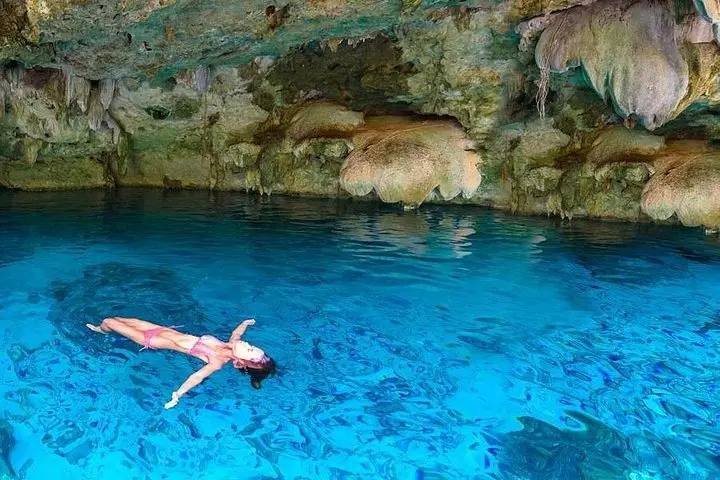
Dive into the Yucatán’s secret freshwater caverns and drift over the shallow reef gardens of Yalku Lagoon—an accessible, half-day snorkel pairing that blends geology, Mayan history, and vivid marine life.
 Related story
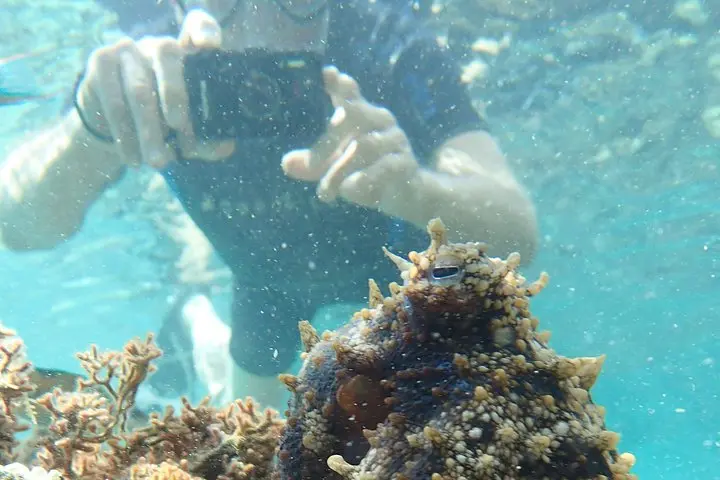
Slip beneath Porto Santo’s sunlit surface to find a mosaic of seagrass meadows, volcanic shelves, and playful schools of fish. This three-hour snorkeling tour pairs small-group access with local stewardship—ideal for travelers who value marine life over crowds.
 Related story
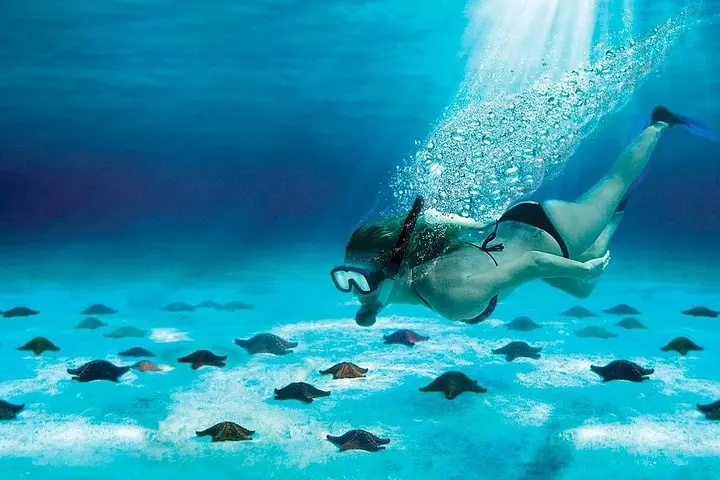
Spend a day on a high-speed boat exploring Cozumel’s famed reefs and the shallow sand flats of El Cielo. This full-day trip offers clear water, abundant marine life, and guided snorkeling at three prime sites—ideal for both first-timers and seasoned reef lovers.