
What the day feels like
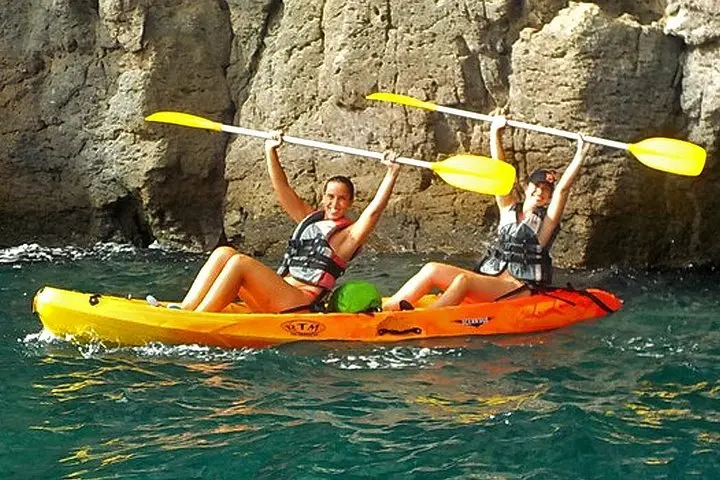
By the time you push away from the shore at Playa de Las Canteras the city’s hum becomes a distant heartbeat and the Atlantic takes the lead. The kayaks here don’t ask for bravado—wide, stable, and low to the water, they carry families as easily as first-timers. In an hour you move from the urban thread of Las Palmas to a coastline of volcanic outcrops, hidden bays and kelp beds that clap at your hull. The sea has its own tempo: a patient push, a teasing swell, the occasional flurry of wind that lifts spray and makes the cliffs look younger.
This is coastal kayaking with few frills and clear pleasures. The route offered by many local operators, including the guided coastal route from Las Palmas, is short enough to suit hesitant beginners and long enough to feel like an escape. Life jackets are provided and the single-hour format is intentionally compact—ideal for families, travelers on a tight timetable, or anyone who wants a taste of the island without committing to a full-day expedition. On calmer days the water is a reflective sheet; on rougher outings currents and wind become actors with their own agenda, nudging novices to learn a bit about edging and leverage before they relax into a cadence.
Gran Canaria is a volcanic island with geological stories layered at the shoreline. Basalt cliffs and tuff formations along the northeastern edge reveal eruptions that shaped the island millions of years ago. From the kayak you can see the seams of those events: darker bands of lava, lighter ash deposits, and pockets where the sea has chewed away the rock to form caves and arches. The interaction between ocean and volcanic rock creates microhabitats—pools and ledges where fish shelter and seabirds nest—and it’s why this coastline rewards patient observation.
Culturally, Las Palmas balances maritime life with a Canary Islands’ rhythm. Fish markets and tapas bars sit a short walk from the water, and the city’s long promenade—lined with cafes and palms—makes it easy to slide from wet to dry. The area around Las Canteras has been central to local fishing and small-boat activity for generations; paddling here is less about conquest and more about participating in a daily relationship between islanders and the sea.
Practical note: the advertised trip is a one-hour guided kayak outing with stable sit-on-top kayaks and provided life jackets. It’s an economical way to sample coastal paddling (rates often start from around USD 11.29), and operators commonly offer instant confirmation and flexible cancellation. Expect groups small enough for personal attention; guides will give a quick safety talk, demonstrate strokes, and pick a route suited to conditions and participant ability.
Why go? Because this hour delivers a concentrated collage of what makes the Canary Islands compelling: volcanic geology seen from sea-level, the chance to spot coastal wildlife, and the absence of technical commitment. Experienced paddlers can use the trip as a warmup or photo-trip; families appreciate the low-risk environment and the short window of exposure for younger kids. For anyone curious about longer sea journeys around Gran Canaria or between the islands, this outing makes an efficient starting point.
If you want to book, local guides commonly list the trip as "Kayak Gran Canaria" or "guided coastal kayaking from Las Palmas"—you can compare providers and read local tips on official pages such as the guided coastal kayaking from Las Palmas listing. Bookings are often instant and many operators allow last-minute seats, but summer and holiday weekends fill fast.
A few pragmatic tips before you go: choose early morning or late afternoon to avoid the strongest sun and ferry traffic; wear reef-safe sunscreen and a hat; strap valuables in a dry bag or leave them on shore; and pay attention to guide briefings on currents and wind. Even an hour on the water rewards attention—watch the way kelp beds bend like signaling flags, notice gulls that treat the rocks like stage sets, and listen to the sound of your paddle folding the sea.
For photographers, the angle from a sit-on-top kayak is low and immersive—bring a wrist-leashed camera or phone, keep lenses protected from spray, and favor wide lenses for cliffs and telephoto for distant seabirds. If the sea is calm, try a slow single-stroke pattern: it steadies the boat and opens a window for clean frames.
This trip won’t replace a multi-day sea kayak expedition, but that’s not the point. It’s designed to introduce you to Gran Canaria’s marine edge with safety, proximity, and a minimum of pomp. For travelers who want a compact, meaningful dose of the Canary coastal experience, paddling from Las Palmas is an hour that lingers longer in memory than its clock time suggests.
Trail wisdom
Small choices, better day.
Time it for calm water
Book early morning or late afternoon to avoid stronger winds and boat traffic.
Wear reef-safe sunscreen
Protect your skin and local marine life—apply waterproof, reef-friendly sunscreen before launch.
Secure your gear
Use a small dry bag for phone and keys; many sit-on-top kayaks have bungee storage for quick access.
Listen to your guide
Briefings cover currents and exit points—follow instructions for a safe, relaxed paddle.
Local knowledge
Read the place, not just the route.
Watch for native species including Common dolphins (occasionally seen offshore), Audouin’s gulls and other coastal seabirds.
Keep an eye out for wildlife during the transition between areas and habitats. Respect distance guidelines.
Respect marine habitats by using reef-safe sunscreen, avoiding contact with underwater plants, and packing out all trash.
Follow the guide's instructions on size limits, ethical handling, and leave-no-trace practices.
The rocky pocket beaches west of Las Canteras for tide-pool exploration. Small seafood bars along the promenade where fishermen sell fresh catches in the afternoon
Locally recommended viewpoints and quiet spots known best to local operators.
Las Palmas has a long maritime tradition; its port and beaches have been central to local fishing and trade for centuries.
Maritime roots and regional tradition shape the waterways and working coasts.
Seasonal guide
Four versions of the same landscape.
Spring
Best forMild water temperatures · Calmer winds · Wildflower viewing from shore
ChallengesOccasional north swell · Variable weather
Spring offers mild seas and pleasant air temps—good for families and photographers seeking softer light.
Summer
Best forWarm water swims · Long daylight hours · Consistent guided schedules
ChallengesHigher visitor numbers · Stronger sun exposure
Summer brings steady schedules and warmer water but take extra sun protection and book ahead on busy days.
Fall
Best forStable sea conditions · Fewer crowds · Good visibility for snorkeling
ChallengesOccasional swells from Atlantic storms
Autumn keeps warm water and often calmer seas—ideal for wildlife spotting and clear horizons.
Winter
Best forDramatic skies and light · Less crowded beaches · Potential for larger swells
ChallengesCooler air and water · More variable sea state
Winter can be dramatic and beautiful but check conditions—guides may alter routes for safety.
Operator details
What the booking data adds.
Included
- ✓Insurances
- ✓Swim West
- ✓All Fees and Taxes
Good to know
- ✓Public transportation options are available nearby
- ✓Not recommended for travelers with spinal injuries
- ✓Suitable for all physical fitness levels
Pack with intention
What to bring.
Good to know
Common questions.
No—this trip is designed for beginners; guides provide instruction and stable sit-on-top kayaks are used.
Plan the edges
The details that make the day easier.
Playa de Las Canteras is consistently ranked among Spain’s top urban beaches and acts as a natural breakwater for much of Las Palmas’ waterfront.
After your paddle, head to the promenade near Las Canteras for fresh pescado (grilled fish), try local papas arrugadas with mojo sauce, and sip a cold Canarian beer at a seaside terrace—Vegueta and the beachfront bars balance maritime atmosphere with island flavors.
- Closest airport
- Gran Canaria Airport (LPA); Driving distance to Las Palmas waterfront: ~25 km
- 20–30 minutes; Cell service
- Generally good around Las Canteras; Permits: None required for standard guided trips.
This coastal area supports sensitive marine habitats—use reef-safe sunscreen, avoid touching kelp beds and rockweed, and take any trash back to shore.
Explore by topic
Follow the threads.
Keep exploring
Make the story part of the trip.
 Related story
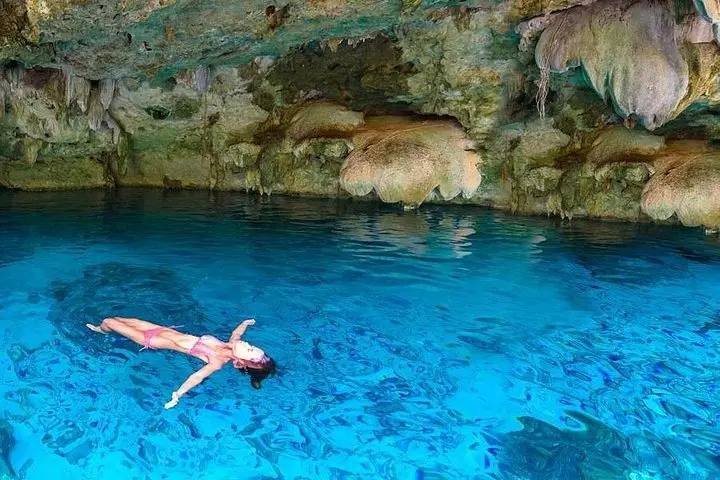
Dive into the Yucatán’s secret freshwater caverns and drift over the shallow reef gardens of Yalku Lagoon—an accessible, half-day snorkel pairing that blends geology, Mayan history, and vivid marine life.
 Related story
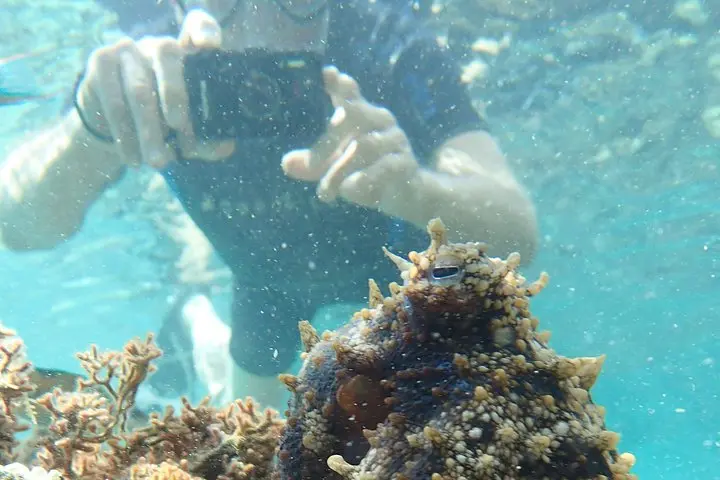
Slip beneath Porto Santo’s sunlit surface to find a mosaic of seagrass meadows, volcanic shelves, and playful schools of fish. This three-hour snorkeling tour pairs small-group access with local stewardship—ideal for travelers who value marine life over crowds.
 Related story
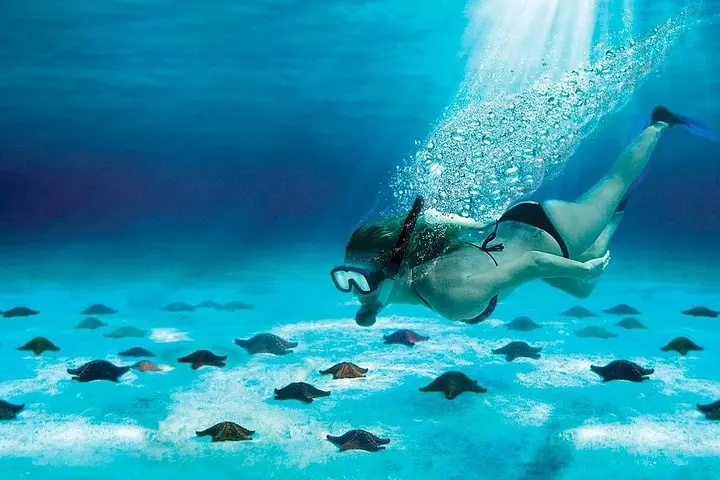
Spend a day on a high-speed boat exploring Cozumel’s famed reefs and the shallow sand flats of El Cielo. This full-day trip offers clear water, abundant marine life, and guided snorkeling at three prime sites—ideal for both first-timers and seasoned reef lovers.