
What the day feels like
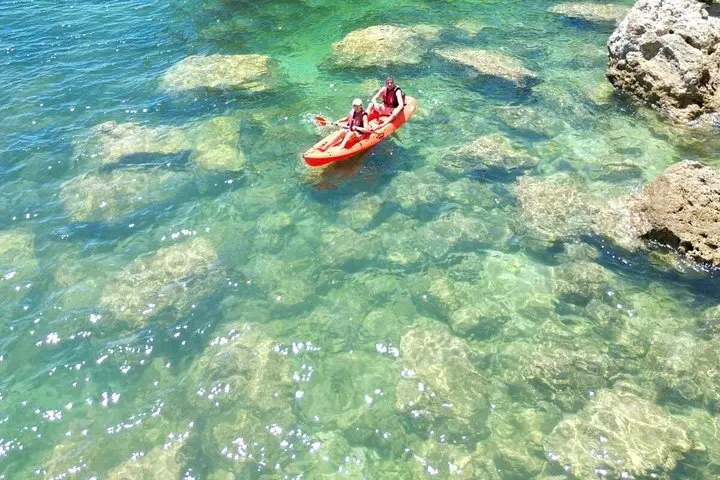
The beach announces itself slowly: a sliver of white sand below a cliff, waves whispering into a pocket of calm water that looks painted. You launch a bright kayak and the world tightens to the rhythm of your paddle. Salt spray cools the back of your neck, and a guide—born locally and fluent in the language of tides—points to a seam in the limestone cliffs where sunlight pours into a natural chamber. For two hours you’ll move through water so clear you can read the contours of the seabed, skirt caves and arches, and feel the coast of the Algarve doing what it has done for millenia—shaping itself by wind and wave.
This is not a crowded boat queue at a famous viewpoint. It’s a small-group tour that leaves from a sheltered, lesser-known beach near Benagil and shows why the Algarve is as much a sea story as it is a sun story. Local guides prioritize slow travel: they steer clear of sensitive habitats, time approaches with the tides, and narrate the place’s geology and maritime history between quiet strokes. Dolphins and seabirds appear as punctuation marks—brief, shy interruptions to steady paddling.
Geologically the Algarve coastline is a patchwork of Miocene limestone cliffs carved by centuries of Atlantic swell. The result is what you see from the water—fissures, caves, natural skylights and sea arches. Benagil’s famous cave (the Algar de Benagil) is one dramatic example of this erosive work: a collapsed dome with a skylight that frames the sky. Culturally, these cliffs once sheltered a string of fishing communities whose livelihoods still tie to the sea; the local cuisine and seafaring stories you’ll hear after the paddle are vivid reminders that this coastline has always been worked and revered.
If the word "secret" implies exclusivity, note that local guides are careful to make that phrase mean low impact rather than restriction. Routes are planned to avoid nesting sites and seagrass meadows; your guide will explain when to slow down, where to disembark, and why certain alcoves are off-limits. That stewardship is part of the charm: paddling here is an intimate lesson in responsible travel.
Practical realities are simple. The outing lasts about two hours, priced from roughly USD 39.50, and is rated highly by previous travelers. You won’t need advanced sea skills—most guests are rookies—but you should be comfortable in a sit-on-top kayak, able to paddle for stretches without frequent breaks, and willing to follow the guide’s safety brief. Tides and wind set the agenda: mornings and late afternoons are often glassier; midday can build onshore breeze. Bring reef-safe sunscreen, a hat, a dry bag, and a camera you don’t mind getting a little spray on. Water shoes will make exits from slippery rock easier.
Why book this vs. a crowded cave cruise? The pace. A small kayak group lets the coast dictate tempo. Guides linger in worthwhile spots—watching a gull’s slow rotation in a cliff shadow, scanning for a distant dorsal fin—rather than keeping to a schedule. Expect small interpretive moments: how the limestone layers reveal changes in sea level, or how local fishermen historically navigated these coves. If you want the full experience, pair the paddle with a local meal afterward—grilled fish, a cataplana, and a glass of vinho verde feel earned after salt and sun.
Safety and timing matter. If conditions are rough, guides will reroute or reschedule; never force the sea. Ask about group size and guide-to-paddler ratio before booking; smaller groups mean more storytelling and fewer wake-bounced moments. Photographers should know that backlighting inside caves is dramatic but can require quick lens changes; keep gear in a waterproof case and expect to walk a short stretch to access certain viewpoints.
This particular trip is built around community knowledge—the locals who know which bays hold schools of fish at dawn, where seabirds roost, and when the current makes a passage tricky. Booking includes a short orientation on conservation: why we use reef-safe products, why we don’t enter delicate groves of seagrass, and why you should leave the coastline as you found it.
If you want a focused day out on the water that’s equal parts natural theater and practical adventure, this is a smart pick. It’s approachable for families with school-age kids who can paddle for 45–60 minutes at a time, and satisfying for seasoned adventurers who want a low-effort, high-reward coastal read of the Algarve’s geology and ecology. For specific trip options and to book a guided sea kayak outing from a hidden Algarve beach that emphasizes local knowledge and low impact, check this kayak experience with a local guide at <a href='https://app.advcollective.com/local-experts/kayak-the-benagil-caves-guided-sea-kayaking-from-a-hidden-algarve-beach'>Benagil guided sea kayaking</a>.
Bottom line: it’s a short trip that opens the coastline. Two hours is enough to feel the sea’s motion and to learn a place’s story without tiring. You return sandier, quieter, and with a clearer sense of why the Algarve’s cliffs insist you keep looking out to sea.
Trail wisdom
Small choices, better day.
Check the tide window
Tides dictate access to caves and safety—book morning or late afternoon for calmer water and better light.
Wear water shoes
Rocky entry points and slippery sand make closed-toe water shoes a smart choice for shore exits and brief walks.
Use reef-safe sunscreen
Protect the marine environment with mineral-based sunscreen to avoid damaging seagrass and coral.
Bring a small dry bag
A 5–10L dry bag keeps phone, keys, and snacks safe from spray and accidental capsizes.
Local knowledge
Read the place, not just the route.
Watch for native species including Common dolphin, Audouin's gull.
Keep an eye out for wildlife during the transition between areas and habitats. Respect distance guidelines.
Guides route tours to avoid seagrass meadows and nesting areas; visitors are asked to use reef-safe sunscreen and carry out all trash.
Follow the guide's instructions on size limits, ethical handling, and leave-no-trace practices.
A narrow sea arch that’s best viewed from a low-slung kayak at high tide. A tiny cave inlet where local fishermen dry nets and tell stories
Locally recommended viewpoints and quiet spots known best to local operators.
The Algarve’s coast was historically a string of small fishing settlements; many cliffs and caves sheltered boats and supplied stone for local construction.
Maritime roots and regional tradition shape the waterways and working coasts.
Seasonal guide
Four versions of the same landscape.
Spring
Best forMigratory bird watching · Milder water temperatures
ChallengesChangeable winds · Occasional rain showers
Spring brings fewer crowds and active birdlife; water is cooler but paddling conditions are often calm early and late in the day.
Summer
Best forWarm water swims · Long daylight hours
ChallengesHigher tourist density · Stronger midday sun
Summer is ideal for confident paddlers seeking warmth and visibility, but book early to avoid crowds and start early to beat heat.
Fall
Best forCalm seas after summer · Warmer ocean temperatures than spring
ChallengesShortening days · Occasional storms late season
Autumn combines steady sea conditions and lower visitor numbers—September and October are sweet spots for paddling.
Winter
Best forDramatic coastal weather · Solitude
ChallengesCooler water and air · Higher swell and stronger winds
Winter offers dramatic skies and near-empty beaches but expect rougher water and dress for colder temperatures.
Operator details
What the booking data adds.
Included
- ✓Kayak
- ✓Life jacket
- ✓Waterproof bag
Good to know
- ✓Service animals allowed
- ✓Public transportation options are available nearby
- ✓Not recommended for travelers with spinal injuries
- ✓Not recommended for pregnant travelers
- ✓Not recommended for travelers with poor cardiovascular health
- ✓Suitable for all physical fitness levels
- ✓Not recommended for people with problems in the lower or upper limbs.
Pack with intention
What to bring.
Good to know
Common questions.
No—most guests are beginners; guides provide instruction, safety gear, and a short paddling lesson before launch.
Plan the edges
The details that make the day easier.
The Algar de Benagil is a sea cave formed by millions of years of wave erosion in limestone; its collapsed roof creates the cave’s famous skylight.
After your paddle, head into nearby Carvoeiro or Ferragudo for grilled sardines or a cataplana (seafood stew). Try a small local vinho verde or a cold Sagres at a terrace bar while you watch the sunset.
- Closest airport
- Faro Airport (FAO) — ~45–60 minute drive; Meeting point: a small hidden beach near Benagil (exact location provided after booking); Driving distance from Faro: ~60 km; Cell service: usually good in towns, patchy along cliffs; Permits: none required, but follow guide instructions and local conservation rules.
This region relies on healthy seagrass beds and nesting shorelines—use reef-safe sunscreen, avoid touching marine life, and pack out all litter. Guides intentionally avoid sensitive zones to reduce disturbance.
Explore by topic
Follow the threads.
Keep exploring
Make the story part of the trip.
 Related story
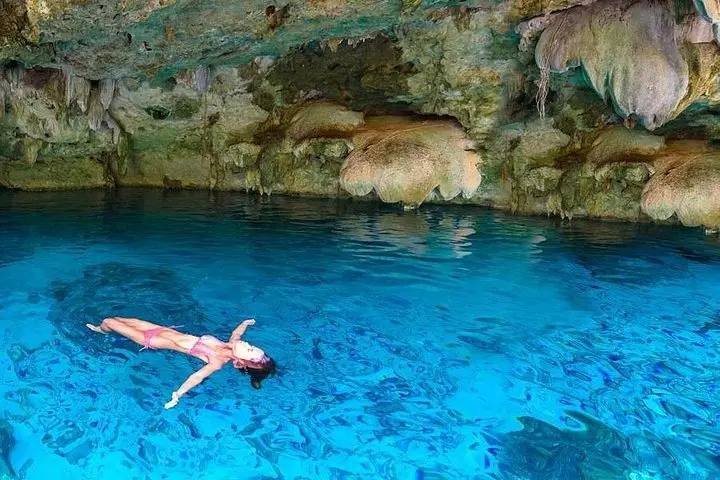
Dive into the Yucatán’s secret freshwater caverns and drift over the shallow reef gardens of Yalku Lagoon—an accessible, half-day snorkel pairing that blends geology, Mayan history, and vivid marine life.
 Related story
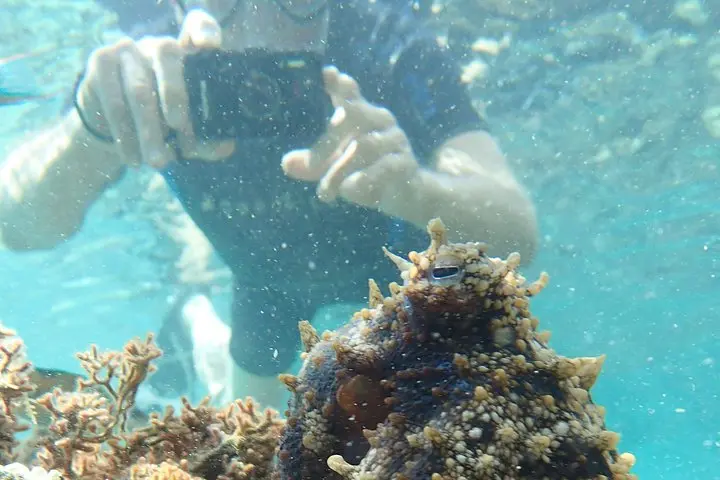
Slip beneath Porto Santo’s sunlit surface to find a mosaic of seagrass meadows, volcanic shelves, and playful schools of fish. This three-hour snorkeling tour pairs small-group access with local stewardship—ideal for travelers who value marine life over crowds.
 Related story
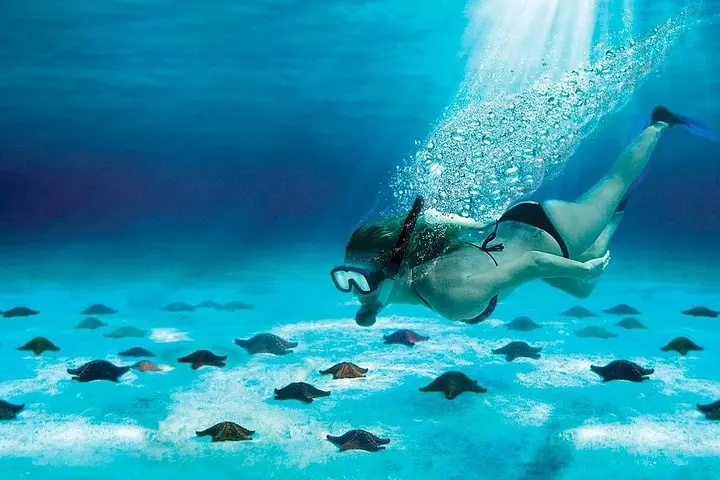
Spend a day on a high-speed boat exploring Cozumel’s famed reefs and the shallow sand flats of El Cielo. This full-day trip offers clear water, abundant marine life, and guided snorkeling at three prime sites—ideal for both first-timers and seasoned reef lovers.