
What the day feels like
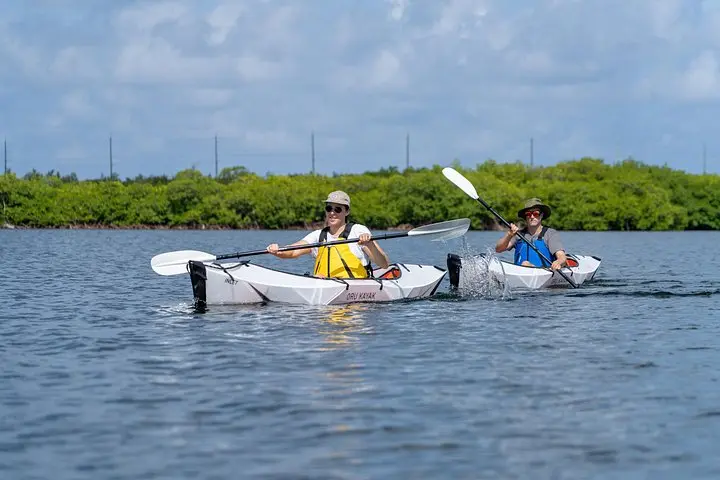
The morning begins with a wet, salt-sweet hush. You step off the dock of the Cayman Islands Yacht Club into sun-warmed water and slide into a kayak whose belly is clear as a window. The glass beneath the hull turns the sea into a living diorama: bright parrotfish nibbling at coral skeletons, juvenile snappers darting through root tangles, and the lattice of mangrove roots that anchor this coastline like the ribs of the island itself. For the next two hours you move slowly, the paddle stroking in a steady metronome, while the guide points out stories written in leaves and tides.
This is less about sweating toward a summit than about slowing down enough to read an ecosystem. Grand Cayman’s mangrove maze is both nursery and storm buffer, a place where geology, sea, and human history cross paths. The island sits on an ancient limestone platform; its shoreline is edged by mangroves that trap sediment and build land inch by inch. For centuries, these thickets sustained local fishermen and protected settlements from surge; today they are living classrooms. The glass-bottom kayak reveals the submarine half of that classroom, making coral fragments and crustaceans as visible as the birds that hop above.
Culturally, the mangroves are woven into Caymanian life. Traditional fishing techniques were adapted to the shallow flats and channels that fringe George Town, and foods like conch, kingfish, and breadfruit reflect the blending of Caribbean and British maritime cultures. Modern conservation efforts in the Caymans balance tourism with protection; small guided trips like this one, with one guide per six paddlers, aim to educate as much as entertain. Guides explain everything from the reproductive cycles of reef fish to why mangroves are first responders in hurricane seasons.
The geology is simple and generous: low limestone berms rise from sea level and reef flats lie just beyond the mangrove fringe. Paddling here feels intimate because the water is shallow; you are eye level with juvenile fish and the exposed prop roots that make this place a nursery. The route, launched directly from the yacht club, threads channels that are often shielded from wind and swell, which is why glass-bottom kayaks shine here. They magnify the reef world without requiring snorkeling gear. In two hours you’ll cover roughly three miles round trip, stopping to peer through the hull, listen for bird calls, and learn how local ecology supports the island’s tourism and fisheries.
Practicalities matter. The tour runs about 120 minutes, price starting from USD 129, and groups top out at six guests per guide to keep the experience interactive. You’ll get a personal flotation device and a quick orientation on paddling and kayak handling. Expect flat water conditions but bring reef-safe sunscreen and a hat: the Caribbean sun is efficient. Shoes that stay on when wet and a light, quick-dry shirt will make paddling more comfortable. If you want to photograph the clear belly of the boat or the fish below, a small waterproof camera, or a phone in a waterproof case, will capture the color and movement.
Why book this instead of a snorkeling trip? The appeal is threefold: accessibility, intimacy, and interpretation. You don’t need to be a strong swimmer to enjoy the views, small group sizes keep the impact low, and guides often layer in history and natural science in a way that connects what you see to why it matters for the island’s future. If you prefer a slow, tactile encounter with marine life rather than a surfacing snapshot, paddling a glass-bottom kayak through mangroves is quietly revelatory.
Timing your trip makes a difference. Mornings are cooler, calmer, and better for spotting wildlife; afternoons can offer dramatic light but higher winds. Peak tourist season is December through April when the weather is driest; book early, as small-group tours often sell out. If you’re visiting during summer, expect warmer temperatures and more afternoon squalls—still swim-friendly, but plan for sun protection and insect repellent.
Safety and sustainability are built into the route. Guides emphasize minimal disturbance: stay in the kayak, don’t touch corals, and use reef-safe sunscreen. The mangroves are fragile, and the best trips are those that leave no trace while fostering appreciation and stewardship. For travelers who want to extend the day, the Cayman Islands offer easy follow-ups: a stroll on Seven Mile Beach, a conch fritter at a local roadside stand, or a visit to a village craft market for handcrafted souvenirs.
If you are planning this as your first paddling excursion, expect gentle learning curves and big rewards. Bring basic sun protection, a dry bag for essentials, and a sense of curiosity. For repeat visitors, the real draw is watching the ecosystem change: different seasons bring different shorebirds and fish, and small-group guides can point out individual trees and tidal patterns you’ll miss on a crowded boat.
This is an experience that balances wonder with practical learning—an invitation to see both the surface and the hidden infrastructure of island life. If you want a concise, low-impact way to read the reef’s story without putting on a mask, a glass-bottom kayak through Grand Cayman’s mangroves is a clear window into what keeps this island afloat.
Book the tour or learn more about routes and availability at this local experts page: <a href='https://app.advcollective.com/local-experts/glass-bottom-kayak-tour-grand-cayman-mangrove-wildlife-culture'>glass-bottom kayak tour in Grand Cayman</a>. For itineraries, seasonal wildlife, and booking tips, the guide on that page is a useful companion before you paddle.
Trail wisdom
Small choices, better day.
Arrive Early
Mornings have calmer water and cooler temperatures; aim to arrive 30 minutes before launch for prep and orientation.
Use Reef-Safe Sunscreen
Apply reef-safe sunscreen before arrival to protect coral and marine life; carry a small lip balm with SPF.
Bring a Dry Bag
A small dry bag keeps phone, keys, and personal items safe and lets you photograph without worry.
Stay Seated Over Roots
When near mangrove roots, remain seated and let your guide position the kayak to avoid damaging roots or disturbing wildlife.
Local knowledge
Read the place, not just the route.
Watch for native species including Parrotfish, Mangrove crabs.
Keep an eye out for wildlife during the transition between areas and habitats. Respect distance guidelines.
Tours emphasize low-impact practices: no-touch policies, reef-safe sunscreen recommendations, and keeping groups small to reduce disturbance.
Follow the guide's instructions on size limits, ethical handling, and leave-no-trace practices.
Paddle a quieter side channel near the yacht club at low tide for closer reef views. Stop at a small sandbar exposed at lower tides where juvenile fish congregate
Locally recommended viewpoints and quiet spots known best to local operators.
Mangroves have long protected Cayman settlements and supported artisanal fisheries; the coastline’s formation is largely limestone-driven.
Maritime roots and regional tradition shape the waterways and working coasts.
Seasonal guide
Four versions of the same landscape.
Spring
Best forCalm mornings · Migratory birds · Comfortable temperatures
ChallengesOccasional showers · Increasing visitor numbers
Spring offers mild weather and excellent birdwatching as migratory species pass through; book ahead on weekends.
Summer
Best forWarm water · Abundant juvenile fish · Fewer crowds
ChallengesHigher humidity · Afternoon thunderstorms · More insects
Summer’s warm seas make marine life active but plan for brief squalls and bring insect repellent.
Fall
Best forStable sea temperatures · Good visibility · Lower rates
ChallengesHurricane season tail risks · Unpredictable weather
Early fall can be a sweet spot for visibility and fewer tourists, but keep an eye on seasonal weather alerts.
Winter
Best forDry conditions · Peak visibility · Comfortable air temps
ChallengesHigher tourism demand · Cooler mornings
Winter is peak season with excellent paddling conditions; book early to secure small-group spots.
Operator details
What the booking data adds.
Included
- ✓Glass-Bottom Kayak
- ✓Paddle
- ✓Adult Life Jacket
Not included
- —Child Life Jackets
Good to know
- ✓Not recommended for travelers with spinal injuries
- ✓Travelers should have at least a moderate level of physical fitness
Pack with intention
What to bring.
Good to know
Common questions.
No, this tour is suitable for non-swimmers; everyone is provided a personal flotation device and paddling stays in shallow, calm channels.
Plan the edges
The details that make the day easier.
Grand Cayman’s mangrove forests serve as crucial nurseries for many reef species and help protect shorelines by trapping sediment and reducing erosion.
After your paddle, head to George Town for Cayman staples: try a conch fritter or fish tacos and a cold local beer. For a more local scene, seek out the weekly fish fry or a bakery serving fresh cassava cake and rum cake.
- Closest airport
- Owen Roberts International Airport (GCM)
- Launch
- Cayman Islands Yacht Club, George Town
- Driving distance from airport
- ~10–20 minutes
- Cell service
- Good near shore, limited inside dense mangrove channels
- Permits
- None typically required for recreational tours
This tour operates in sensitive mangrove habitat; please use reef-safe sunscreen, avoid touching corals and roots, and pack out any trash to help preserve nursery habitat for reef species.
Explore by topic
Follow the threads.
Keep exploring
Make the story part of the trip.
 Related story
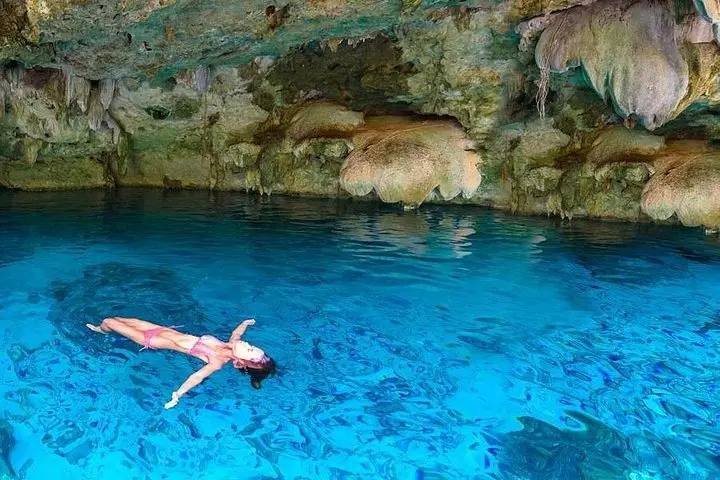
Dive into the Yucatán’s secret freshwater caverns and drift over the shallow reef gardens of Yalku Lagoon—an accessible, half-day snorkel pairing that blends geology, Mayan history, and vivid marine life.
 Related story
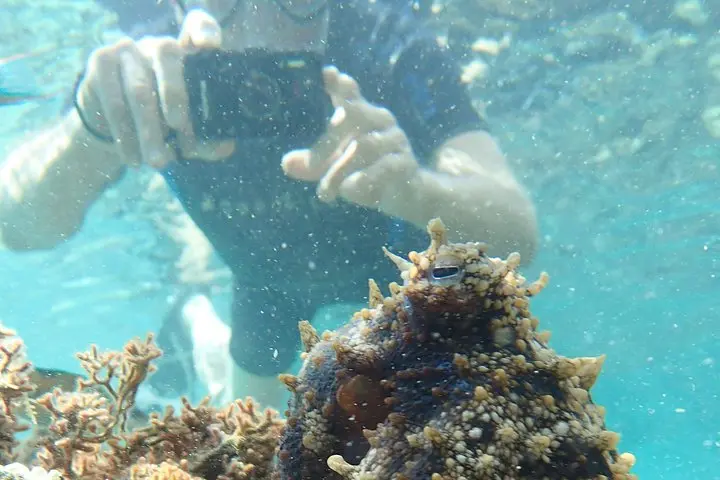
Slip beneath Porto Santo’s sunlit surface to find a mosaic of seagrass meadows, volcanic shelves, and playful schools of fish. This three-hour snorkeling tour pairs small-group access with local stewardship—ideal for travelers who value marine life over crowds.
 Related story
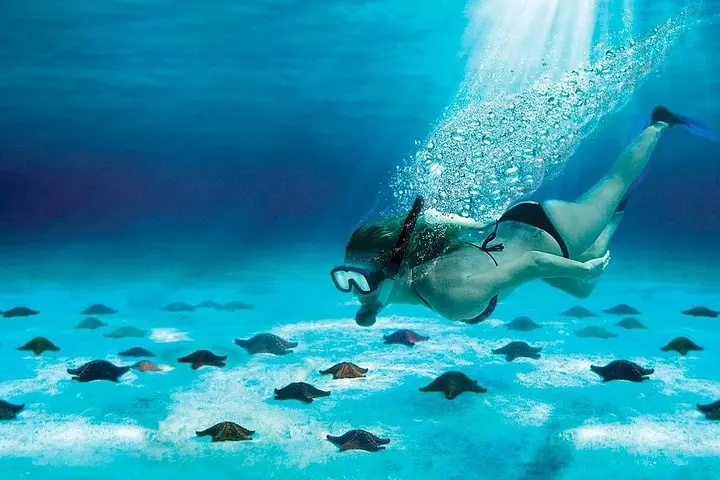
Spend a day on a high-speed boat exploring Cozumel’s famed reefs and the shallow sand flats of El Cielo. This full-day trip offers clear water, abundant marine life, and guided snorkeling at three prime sites—ideal for both first-timers and seasoned reef lovers.