
What the day feels like
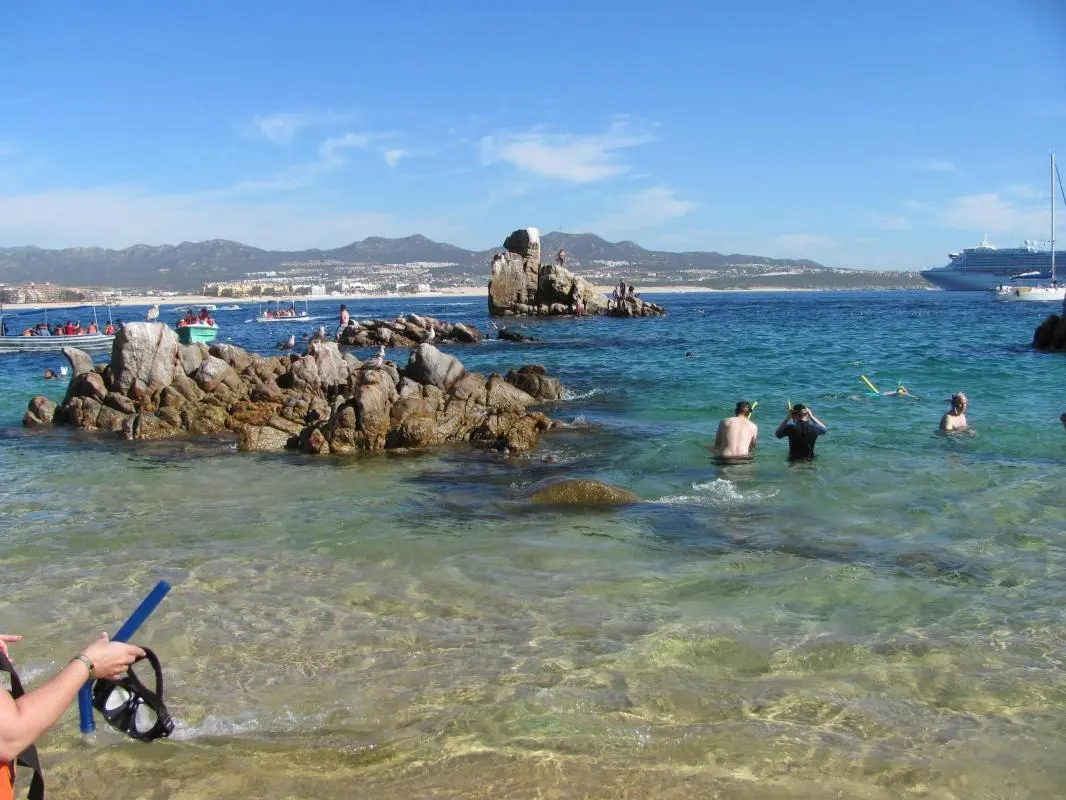
The morning the boat pulls away from the marina, the city of Cabo San Lucas shrinks into a band of red roofs and palm trees, and the Pacific becomes a wide, deliberative blue. Pelican Rock rises from that blue like a sentry—two jagged outcrops bracketing a channel where currents polish the water into glass. From a distance the rock looks stubborn and still; up close it hums with motion. Brown pelicans loaf on ledges, terns streak overhead, and beneath the surface a forest of kelp and schools of angelfish flicker through columns of sunlight.
Reaching Pelican Rock is half the pleasure. Most visitors leave from the bustling marina—skippers know the currents and the shallow reefs—and it’s a quick run of 10–20 minutes to the rock itself, depending on sea state. Popular with morning and afternoon snorkel runs, the site offers clear water, abundant fish life and dramatic underwater topography: rocky outcrops, swim-throughs, and patches of sandy bottom that make it ideal for first-time snorkelers and seasoned mask-and-fins types alike.
Geology and oceanography are part of the scene. Pelican Rock is a granitic remnant poking up from the Sea of Cortez side of Land’s End, a testament to tectonic forces and relentless wave action. Over centuries the ocean has carved crevices and ledges that channel fish and create sheltered pools. The confluence of currents here brings nutrients that feed the kelp forests and attract predators, so you’ll often find schools of jacks, rays cruising the shallows, and occasionally a curious sea lion popping in to inspect humans bobbing in the swell.
Culturally this corner of Baja California Sur is all about the sea. Cabo’s fishing and maritime traditions are visible in the small pangas that still launch before dawn, in the fishermen repairing nets beneath the shadow of luxury yachts, and in the string of seafood stands lining the lower marina. Pelican Rock sits in that mix: a natural landmark, a nursery for marine life, and an easy-access reminder that the best parts of Cabo are still about water.
If you go: most operators sell a combo of boat transfer and guided snorkel, often paired with a glass-bottom option for non-swimmers. A typical outing is 2–4 hours total: 20–30 minutes boat ride each way and 30–90 minutes in the water depending on wind and tide. Depths around the rock vary; expect 6–30 feet near the reef—shallow enough for clear viewing, deep enough to feel like an ocean encounter. Currents can be mild to moderate, so operators time trips for calmer windows and will brief you on flotation and hand signals.
Practicality matters here. Sun is fierce—reef-safe sunscreen and a sunshirt are mandatory if you hope to stay comfortable. Footwear on the boat should be non-marking and secure; the deck gets slippery. For snorkelers: a snug mask makes the difference between delight and frustration, and a reef-safe floatation vest lets you relax and watch the reef without tiring. If you’re trying to see the most life, plan trips for early morning when fish are active and boat traffic lightest.
Safety and stewardship go hand in hand. The site is heavily visited; be deliberate about not touching coral or stepping on the seabed—kelp and sponges are living structures, and every footprint damages habitat. Choose operators who brief guests on marine etiquette, provide personal flotation devices, and emphasize short, respectful interactions with wildlife. If you’re visiting in whale season (late December–April), ask about combined whale-watch + snorkel itineraries: it’s possible to have two very different marine spectacles in one day.
Beyond the swim, Pelican Rock is a photographic subject. From a low angle it becomes a silhouette against the horizon; underwater, light shafts break through kelp and give a cathedral-like feel to the reef. If you crave solitude, seek the late-afternoon trips or private charters that skirt the busiest windows.
Pelican Rock is not a grueling trek or a technical dive. It’s an invitation to reconnect with a marine world that remains startlingly accessible. You come for the birds and the fish, and you leave with the tidy rewards of being in the water: cool salt on your lips, sand between your toes, and a clearer sense of why Baja’s coastline keeps calling people back.
Whether you’re a confident snorkeler, a family that wants a calm float, or a traveler who prefers to watch the reef through a glass-bottom hull, Pelican Rock is one of Cabo’s most democratic natural stages—equal parts spectacle, classroom, and marine refuge.
Why travelers should go: it’s close, richly biodiverse, easy to configure into half-day plans, and it pairs well with other Land’s End sights. Bring modest expectations—this is not a remote wilderness but a concentrated, vibrant piece of ocean that rewards attention and low-impact behavior. Come prepared, and the rock will give you a simple, honest adventure that tastes of salt and sun.
Trail wisdom
Small choices, better day.
Go early for calm seas
Morning trips usually mean clearer water, fewer boats, and more active marine life.
Use reef-safe sunscreen
Apply a reef-safe, mineral sunscreen before boarding—chemical sunscreens damage coral and kelp.
Secure your gear
Bring a snug mask and tie-downs for cameras; loose gear can be lost overboard or damage habitat.
Floatation is freedom
If you tire easily, use a snorkel vest—most operators provide them and they let you enjoy the reef without strain.
Local knowledge
Read the place, not just the route.
Watch for native species including Brown pelican, California sea lion.
Keep an eye out for wildlife during the transition between areas and habitats. Respect distance guidelines.
Choose operators who use reef-safe sunscreen policies and avoid anchoring on reefs; local groups work to monitor marine habitat health and reduce single-use plastics.
Follow the guide's instructions on size limits, ethical handling, and leave-no-trace practices.
Pangas that run early-morning birding tours around Land's End. Small seafood stands along the marina serving fresh ceviche and smoked fish
Locally recommended viewpoints and quiet spots known best to local operators.
Pelican Rock is part of the Land’s End formations that have long guided fishermen and navigators along the southern tip of the Baja Peninsula.
Maritime roots and regional tradition shape the waterways and working coasts.
Seasonal guide
Four versions of the same landscape.
Spring
Best forClear water · Whale watching (late season overlap)
ChallengesOccasional wind · Higher visitor numbers around holidays
Spring brings warming water and active marine life; expect clearer visibility but possibly busier days as spring break and holiday travel increases.
Summer
Best forWarm water · Family-friendly swims
ChallengesHigher temperatures · Potential for afternoon winds and short rain
Summer offers warm, inviting water and long daylight, but plan around midday heat and brief tropical showers.
Fall
Best forCalmer seas after hurricane season · Good visibility
ChallengesHurricane season tails off in early fall · Variable conditions
Fall can be a sweet spot—fewer crowds post-summer with improving sea conditions—though early fall remains within regional storm risk windows.
Winter
Best forWhale watching · Cooler temps · Clear mornings
ChallengesCooler water temperatures · Busier tourist season
Winter is peak whale season and generally dry; water is cooler but sightings of whales and pods of dolphins make it special.
Pack with intention
What to bring.
Good to know
Common questions.
Most visitors take a short boat or panga from the Cabo San Lucas marina; many operators include transfers in guided snorkel or glass-bottom boat tours.
Plan the edges
The details that make the day easier.
Pelican Rock is named for the brown pelicans that roost on its ledges and is one of several prominent sea stacks in the Land’s End area near Cabo’s iconic El Arco formation.
Local fishermen sell fresh fish and ceviche at small stands near the marina; pair a snorkel trip with a late lunch of grilled fish tacos and a cold agua fresca to taste the Baja coastline.
- Duration
- 2–4 hours | Access: boat from Cabo San Lucas marina | Fitness: basic swimming | Cost: varies by operator; many include gear and transfers.
Support operators who brief guests on no-touch policies, provide reef-safe sunscreen, and use mooring buoys rather than anchors to protect benthic habitats.
Explore by topic
Follow the threads.
Keep exploring
Make the story part of the trip.
 Related story
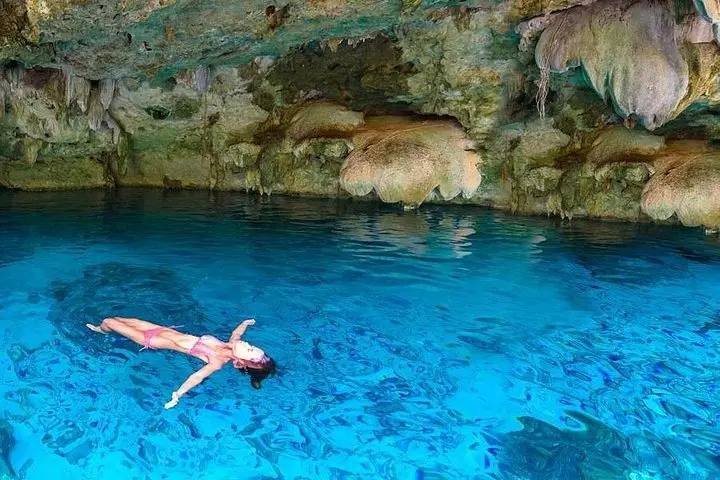
Dive into the Yucatán’s secret freshwater caverns and drift over the shallow reef gardens of Yalku Lagoon—an accessible, half-day snorkel pairing that blends geology, Mayan history, and vivid marine life.
 Related story
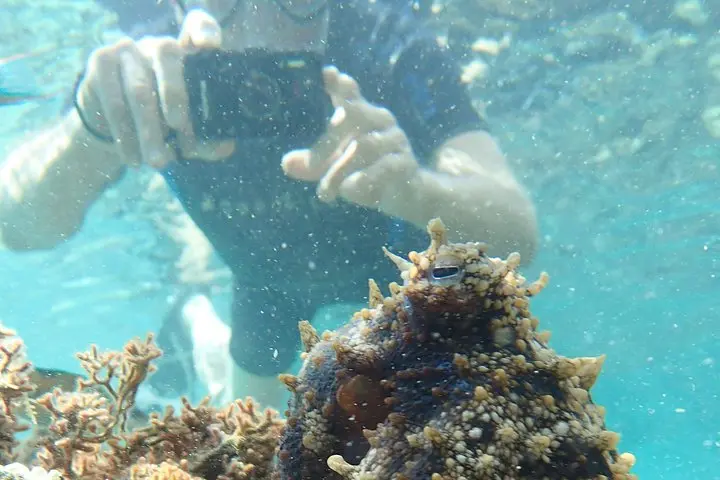
Slip beneath Porto Santo’s sunlit surface to find a mosaic of seagrass meadows, volcanic shelves, and playful schools of fish. This three-hour snorkeling tour pairs small-group access with local stewardship—ideal for travelers who value marine life over crowds.
 Related story
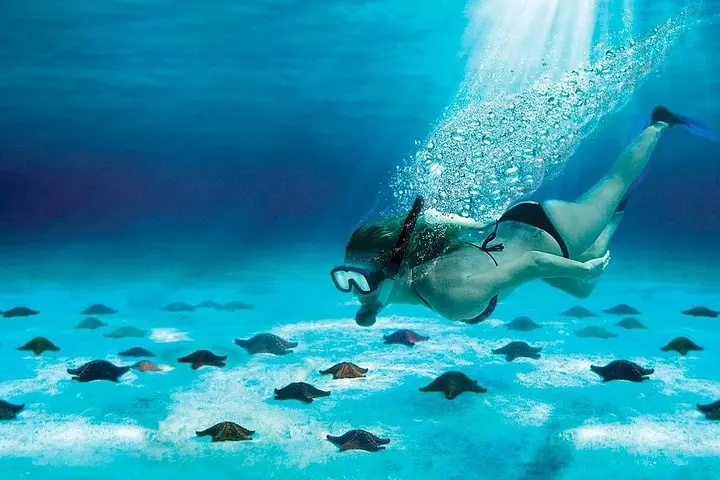
Spend a day on a high-speed boat exploring Cozumel’s famed reefs and the shallow sand flats of El Cielo. This full-day trip offers clear water, abundant marine life, and guided snorkeling at three prime sites—ideal for both first-timers and seasoned reef lovers.