
What the day feels like
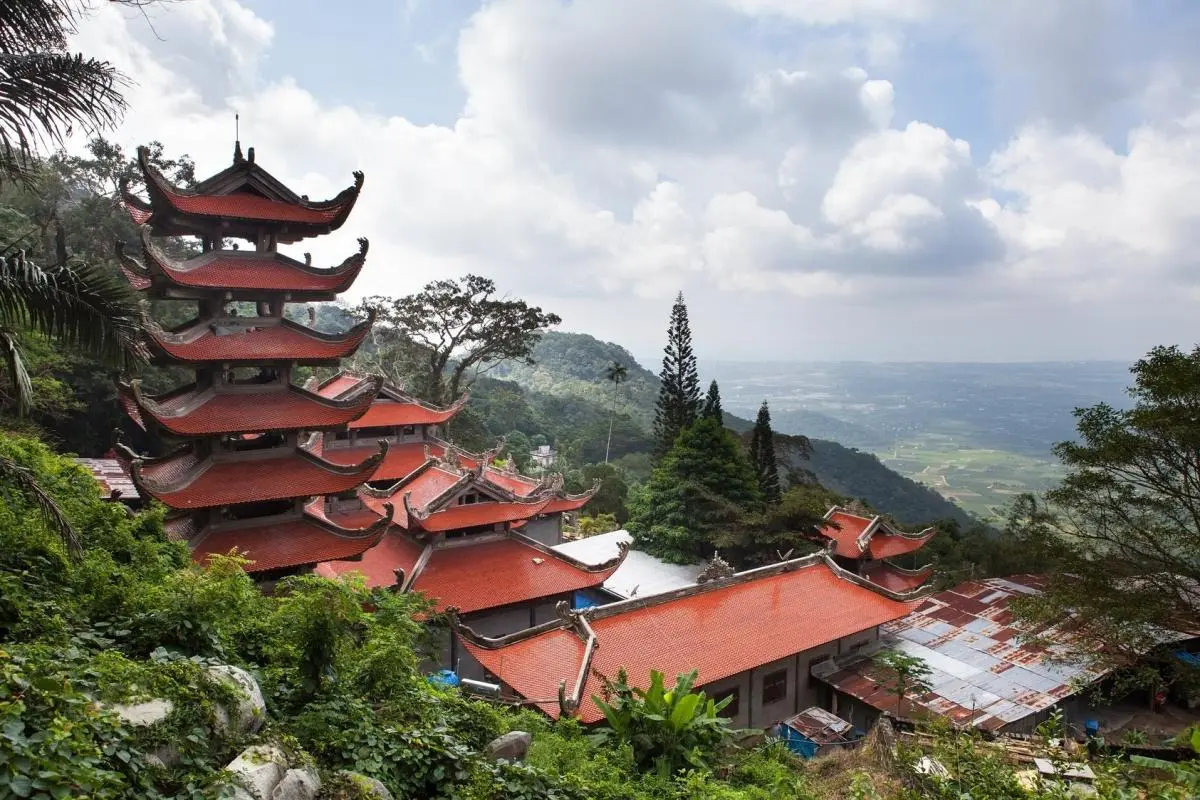
The morning sun slants through a stand of scrubby casuarinas, lighting dust motes that drift like small planets. From the base of Ta Cu Mountain the air tastes faintly of salt and dragon fruit — a reminder that this jungle-capped ridge sits an easy drive from the fishing harbor and sandy beaches of Phan Thiet. You climb a stairway carved into slope and stone, or you step into the cable car and watch the rice paddies shrink into a patchwork of green. Above, the sleeping Buddha waits: a long, sun-warmed figure of stone and gilt that seems as if it might roll down the mountainside if you so much as breathe wrong.
Ta Cu Mountain is both pilgrimage and picnic, a compact mountain escape that folds temple history, a rewarding hike, and a view onto Binh Thuan’s semi-arid coastline into a half-day people can realistically fit between the tides. It’s not a lofty Himalayan summit; it’s a place of contrasts — coastal winds that dare your jacket to keep up, a mossy pagoda that guards century-old wood carvings, and the modern convenience of a cable car that carries you across forest canopy as if you were moving through a green sea.
The mountain’s geology is simple to read: a ridge of weathered volcanic rock and lateritic soils that, over centuries, collected the sparse but determined canopy of tropical dry forest. That vegetation gives Ta Cu character — the trees move like a crowd whispering as you pass — and it also shelters wildlife, from sunbathing lizards to noisy bulbuls and the occasional long-tailed macaque. Cultural layers sit on top: Linh Son Truong Tho Pagoda, built in the 19th century, anchors the site spiritually; the reclining Buddha (one of the largest in Vietnam, at roughly 49 meters long) draws both devout Buddhists and travelers looking for the photo that will make their friends squint with envy.
Locals have woven the mountain into their daily life. From Phan Thiet and Mui Ne, fishermen still land paper-thin silver fish and pile ice against the midday heat; in backyard plots, dragon fruit — bright, sculptural, and almost neon in the afternoon sun — hangs from cactus-like vines. Tours that pair Ta Cu with Poshanu Cham Tower and a dragon fruit farm are popular because they tell a region-wide story: Cham architecture and history, the labor of the sea, the horticulture that has defined Binh Thuan’s agricultural economy, and the mountain that watches them all.
Practical note: Ta Cu is tailor-made for the half-day adventurer. Whether you prefer to climb from the base (a steady ascent of roughly 1,000 steps to the pagoda and Buddha — expect 40–60 minutes for most fit walkers) or take the 10–15 minute cable car, the payoff is the same: sweeping coastal panoramas, a cool temple courtyard, and a Buddha whose scale reframes you. The summit sits at around 649 meters; trails are compact, mostly stone steps and packed earth, with short stretches of exposed root and occasional slick stone after rain.
Things to keep in mind. Heat and sun are the mountain’s work partners; plan an early morning visit to avoid the midday oven. Respect temple etiquette — remove shoes on inner terraces, keep voices low near altars, and be mindful of monks’ space. If you do the stairs, shoes with decent grip and a water bottle will make the difference between a last-note-of-triumph and an overcaffeinated scramble. Wildlife may approach the trails; cameras are fine, but feeding is not.
How visitors typically stitch a day: a dawn pickup from Mui Ne, a 45–60 minute drive to Phan Thiet’s harbor (a dynamic spectacle of boats, nets, and low-slung cranes), a short stop at Poshanu Cham Tower to see the burnt-orange tufa and remnants of ancient Cham sculpture, then up to Ta Cu for the cable car or steps and the reclining Buddha. Finish with a visit to a nearby dragon fruit farm for a tractor ride through the vines, a tasting, and a quick primer on how this cactus-like plant became one of Vietnam’s signature exports.
For hikers who want a little more, the dense patches of forest and ridge trails beyond the main pagoda invite short explorations; for those who want convenience, the cable car is efficient and scenic (and popular during high season). Guides and private tours allow you to compress the experience into a tight half-day while adding local context — who tended the pagoda, how the dragon fruit trade transformed the coast, and where the best local seafood is sold when you get back down.
Ta Cu is not a remote wilderness; it’s a lived-in mountain with temples, a cable car, vendors selling cooled fruit, and a sense of humor about its role as both a sacred site and a photo destination. Approach it with curiosity and some common sense — go early, hydrate, and leave room in your schedule to linger at the top where wind and view work together to make time feel thin.
If you’re plotting a trip: combine Ta Cu with Phan Thiet’s harbor life and a dragon fruit farm visit to get a rounded impression of the region—its sea, soil, and spirit. The mountain’s compact scale makes it an accessible mountain day for families, solo travelers, and anyone who wants a walk with a view that rewards without demanding an overnight bag.
Trail wisdom
Small choices, better day.
Start at first light
Visit early (before 9 a.m.) to avoid heat, crowds, and the strongest sun on the exposed sections of the trail.
Cable car or stairs — choose your energy
If short on time or hiking companions, take the cable car for a 10–15 minute canopy ride; if you want a workout and closer views, the stairs are roughly 1,000 steps and take 40–60 minutes.
Temple etiquette
Remove shoes in inner temple spaces, keep quiet near altars, and dress modestly out of respect for worshippers.
Hydrate and grip
Bring at least 1 liter of water and shoes with good traction — stone steps can be slippery after rain.
Local knowledge
Read the place, not just the route.
Watch for native species including Long-tailed macaque, Tropical bulbuls and kingfisher species.
Keep an eye out for wildlife during the transition between areas and habitats. Respect distance guidelines.
Visitor traffic is concentrated; stick to paths, avoid feeding wildlife, and carry out any trash to protect the fragile dry-forest understory.
Follow the guide's instructions on size limits, ethical handling, and leave-no-trace practices.
Tractor rides and quieter paths at nearby dragon fruit farms — great for photography away from tour stops.. Hidden vantage points along the lesser-used ridge trail that look back to Phan Thiet harbor at sunset.
Locally recommended viewpoints and quiet spots known best to local operators.
Linh Son Truong Tho Pagoda dates to the 19th century and the site has long been a regional spiritual center; the reclining Buddha was installed in the 20th century as a modern focal point.
Maritime roots and regional tradition shape the waterways and working coasts.
Seasonal guide
Four versions of the same landscape.
Spring
Best forcooler morning hikes · flowering trees · fewer tourists
Challengessporadic rain showers · muggy afternoons
Spring brings moderate temperatures and blooming undergrowth, making early hikes pleasant though showers can appear abruptly.
Summer
Best forlush forest canopy · long daylight hours · combining beach time
Challengeshigh heat and humidity · occasional heavy tropical downpours
Summer fills the forest with life but bring sun and sudden storms — mornings are best for outdoor plans.
Fall
Best forclear coastal views · comfortable temperatures · dragon fruit harvest visits
Challengestourist season pickup · hot midday sun
Autumn’s drier air sharpens the panoramas and pairs well with visits to local farms at harvest time.
Winter
Best fordry, cool weather · best visibility · peak sightseeing conditions
Challengeshigher visitor numbers · cooler early mornings
Winter (the dry season) offers the most reliable weather and clean views; arrive early to beat crowds.
Pack with intention
What to bring.
Good to know
Common questions.
The cable car ascent takes about 10–15 minutes from the valley terminal to near the pagoda area.
Plan the edges
The details that make the day easier.
The reclining Buddha at Ta Cu is approximately 49 meters long, making it one of the largest reclining Buddha statues in Vietnam.
From spicy seafood sold at Phan Thiet’s harbor to the surreal rows of dragon fruit farms, the region blends Cham history with coastal fishing culture and modern agribusiness — try grilled squid at the harbor and taste dragon fruit fresh from the vine.
Respect temple spaces, avoid single-use plastics on trails, and support local vendors and farms that practice responsible water use for dragon fruit cultivation.
Explore by topic
Follow the threads.
Keep exploring
Make the story part of the trip.
 Related story
Dive into the Yucatán’s secret freshwater caverns and drift over the shallow reef gardens of Yalku Lagoon—an accessible, half-day snorkel pairing that blends geology, Mayan history, and vivid marine life.
 Related story
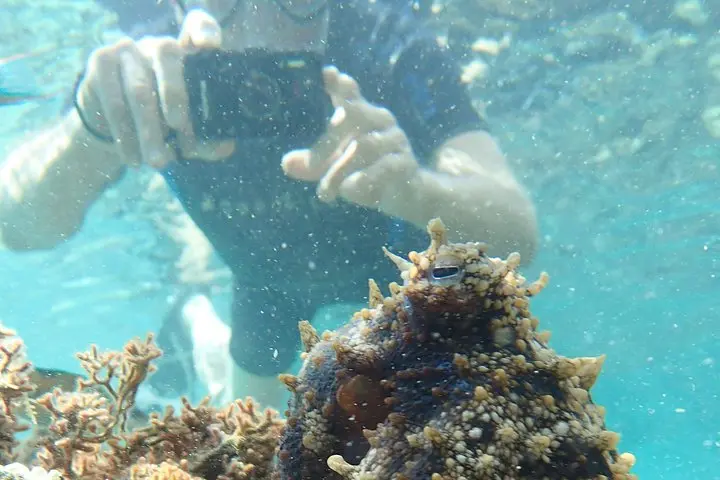
Slip beneath Porto Santo’s sunlit surface to find a mosaic of seagrass meadows, volcanic shelves, and playful schools of fish. This three-hour snorkeling tour pairs small-group access with local stewardship—ideal for travelers who value marine life over crowds.
 Related story
Spend a day on a high-speed boat exploring Cozumel’s famed reefs and the shallow sand flats of El Cielo. This full-day trip offers clear water, abundant marine life, and guided snorkeling at three prime sites—ideal for both first-timers and seasoned reef lovers.