

What the day feels like
The island wakes in shades of silver—olive leaves catching first light, the Adriatic breathing onto limestone shores. In the cool of morning, engines cough to life on the edge of Vis town, and the island seems to grin. Vis has always dared travelers to push a little farther. Today, it does it with a throttle. The Adrenaline Quad Safari Tour starts simply: a safety check, a quick briefing, and a moment to feel the machine settle under you. The quad hums, eager. You roll out in a small, staggered line, following a local guide who knows this maze of dry-stone walls and old military roads like family history. The pavement folds into crushed limestone, then into pale dust that lifts behind you and hangs, soft and gritty, like a flag of intent. The island’s interior is a quilt of vineyards, fig groves, and Mediterranean maquis. Vugava grapes nap on terraces pinned in place by generations of hands. Wind presses the rosemary low. Karst ridges rise and fall like a slow pulse. You learn the rhythm the way you learn a new language: by listening and reacting. The quad asks you to lean into corners, to ease the throttle on loose gravel, to respect the surprising bite of a washed-out rut. It rewards you with momentum and a rolling sense of freedom. Vis carries its past close to the surface. Once a strategic military outpost—closed to foreigners for decades under Yugoslavia—the island is crisscrossed with old roads and tunnels, relics that have become arteries for modern exploration. Your guide points out an unassuming hillside, then leads the line to a stop where the earth opens into a shadowed, concrete throat: a former artillery position, now a lookout with a view fit for a general. The channel between Vis and Hvar is a quicksilver strip; somewhere out there, in 1866, the Austrian and Italian fleets clashed in the Battle of Vis (Lissa), a sea fight that rewrote naval doctrine. The island remembers even when the water does not. Back on the move, the track narrows between stacked stone. Goats watch from rubble mounds like jury members. The quad’s low growl shakes olives from daydreams, and you thread past a hamlet where shutters blink open. You keep it courteous—idling through village lanes while laundry flaps a lazy no above you. Beyond the houses, the route tilts toward the sea. Suddenly, the landscape breaks apart at the edge of Stiniva’s high limestone walls. From the rim, the cove is a secret cupped in white rock, an hourglass opening to a slit of bluer-than-possible water. The wind climbs the cliffs and leans hard into your shoulders, insisting you look a little longer. Nature on Vis doesn’t just sit still—it prods, it teases, it pushes. A gull rides a thermal and laughs. You laugh back. The terrain shifts again as the route swings west toward Komiža’s hinterland, where thyme perfumes the air and the road sketches long S-curves across sunlit slopes. It is easy riding here—wider tracks and forgiving soil—so the guide opens the pace a touch, and the group finds flow. There’s a practical pleasure in this: the cadence of throttle, the gentle braking into corners, the way the quad steadies your line while the island slides by in textured detail. Olive drupes glisten. A kestrel kites above a ridge, scanning for movement. The Adriatic says don’t forget me, throwing a flash of light through a gap in the hills. By the second hour, your hands and brain are tuned to the machine. Small climbs feel like invitations; descents, like exhale. The guide regroups at a viewpoint to share local lore: how Vis’ isolation preserved old stonework and local varietals; how fishermen from Komiža read the winds bora and jugo like scripture; how summer brings waves of swimmers to Biševo’s Blue Cave while inland paths stay serene. The tour’s genius lies in its balance—just enough adrenaline to make your heart beat faster, just enough stops to let your senses catch up. Practicalities here matter, and the team keeps you squared away: water breaks, route checks, reminders to keep distance in dust. You’ll finish where you began, salt on your lips, shoes chalked white, and a map of the island’s bones sketched somewhere in your memory. The quads settle into silence, engines ticking cool. Vis looks the same, but you see it differently: not just the postcard of coves and cut-stone quays, but the inland spine, the tracks that thread communities, the history that peeks from every hillside. If you’re considering the Adrenaline Quad Safari Tour, know this: it’s less about speed and more about connection. The island has its own tempo. When you ride, you keep time with it—feeling the geology under your tires, catching the story in the stops, and letting the Adriatic set your horizon. It’s the kind of adventure that leaves you energized and grounded, dusty and grinning, already plotting the next turn.
Trail wisdom
Small choices, better day.
Dress for dust and sun
Closed-toe shoes, long sleeves, and sunglasses or goggles keep limestone grit and Mediterranean sun at bay.
Mind the marbles
Limestone gravel can roll under tires—brake early and keep a gentle throttle through loose corners.
Space out in the line
Maintain a safe following distance for visibility and reaction time, especially on blind turns and in dusty stretches.
Slow through villages
Idle speed near homes and fields; it’s courteous, safer, and helps reduce dust for locals and crops.
Local knowledge
Read the place, not just the route.
Watch for native species including Common kestrel, Hermann’s tortoise.
Keep an eye out for wildlife during the transition between areas and habitats. Respect distance guidelines.
Stay on established tracks to protect fragile karst flora and stonework; idle through villages and minimize dust near crops. Pack out all trash—there’s limited waste infrastructure inland.
Follow the guide's instructions on size limits, ethical handling, and leave-no-trace practices.
Hum viewpoint above Komiža for sunset panoramas of the open Adriatic. Parja/old military tunnel lookouts tucked into the island’s karst hills
Locally recommended viewpoints and quiet spots known best to local operators.
Vis was closed to foreign visitors for decades as a Yugoslav military base, preserving its traditional stone villages and rural roads. The island also witnessed the pivotal 1866 Battle of Vis (Lissa) between Austrian and Italian fleets.
Maritime roots and regional tradition shape the waterways and working coasts.
Seasonal guide
Four versions of the same landscape.
Spring
Best forWildflowers · Cooler riding temps
ChallengesOccasional rain showers · Windy bora days
Green hills, blooming maquis, and mild temperatures; pack a light layer for wind and quick showers.
Summer
Best forDry trails · Long daylight
ChallengesHigh heat and UV · Busy ferry schedules
Expect hot, dusty conditions and intense sun; aim for morning or late-afternoon start times.
Fall
Best forGrape harvest vibes · Warm seas for post-ride swim
ChallengesShorter days · Occasional jugo winds
Shoulder season calm with lingering warmth; ideal for balanced riding and quieter roads.
Winter
Best forEmpty trails · Soft light for photography
ChallengesRain and slick limestone · Limited tour schedules
Cool, damp days and potential closures; when conditions align, it’s peaceful and beautifully moody.
Operator details
What the booking data adds.
Included
- ✓All Fees and Taxes
Not included
- —Wine tasting is optional
Good to know
- ✓Public transportation options are available nearby
- ✓Not recommended for travelers with poor cardiovascular health
- ✓Suitable for all physical fitness levels
Pack with intention
What to bring.
Good to know
Common questions.
No—first-timers are welcome. The guide provides a safety briefing and starts on easier terrain before progressing to more varied tracks.
Plan the edges
The details that make the day easier.
Vis Island was off-limits to foreign visitors until 1989 due to its role as a Yugoslav military base, which helped preserve its traditional landscape and rural roads.
After your ride, drift to Komiža for grilled fish at a seaside konoba or head back to Vis town for a garden dinner at Villa Kaliopa. Wine lovers should book a tasting at Lipanović Winery—its cellar sits inside a former military tunnel, a uniquely Vis blend of history and terroir.
- Closest airport
- Split (SPU). Ferries
- catamarans
- Jadrolinija from Split to Vis town (approx. 2–2.5 hours). Meeting point: On Vis Island (details provided upon booking). Driving: Most tours depart within 5–10 minutes of Vis town. Cell service: Generally good, with occasional dead zones inland. Permits: No trail permits required; a valid driver’s license is typically needed to operate a quad.
Limestone soils are easily eroded—ride only on established tracks, keep speeds down near homes and wildlife, and avoid skidding. Refill water bottles in town, skip single-use plastics, and respect the quiet that makes Vis special.
Explore by topic
Follow the threads.
Keep exploring
Make the story part of the trip.
 Related story
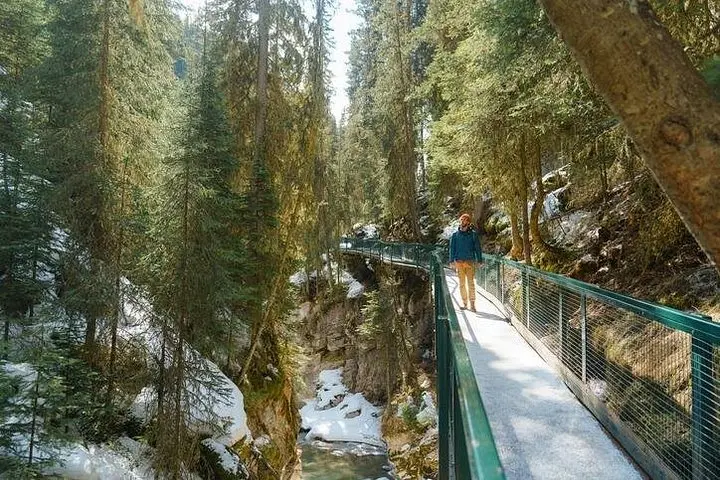
In eight efficient hours, experience the turquoise drama of Lake Louise and the cathedral-like icefalls of Johnston Canyon. This guided shuttle day trip from Banff/Canmore combines easy access, crisp winter scenery, and practical guidance for a high-reward Rockies outing.
 Related story
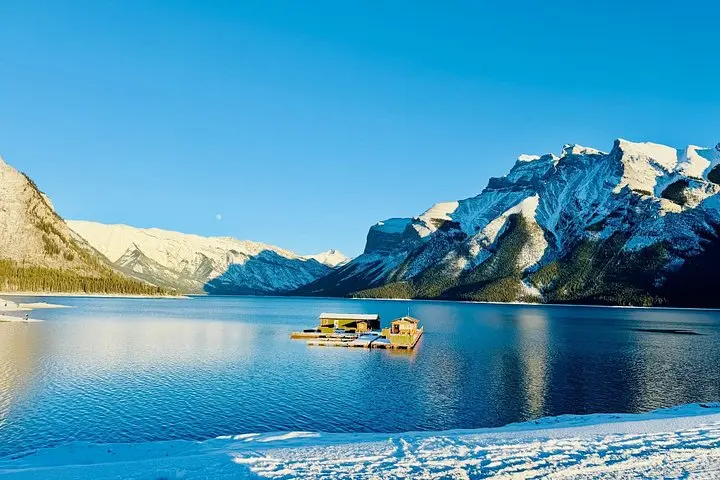
See Banff’s signature overlooks and hidden lakes in one compact, expertly guided 2.5-hour loop. Perfect for short-stay travelers who want big scenery without the driving.
 Related story
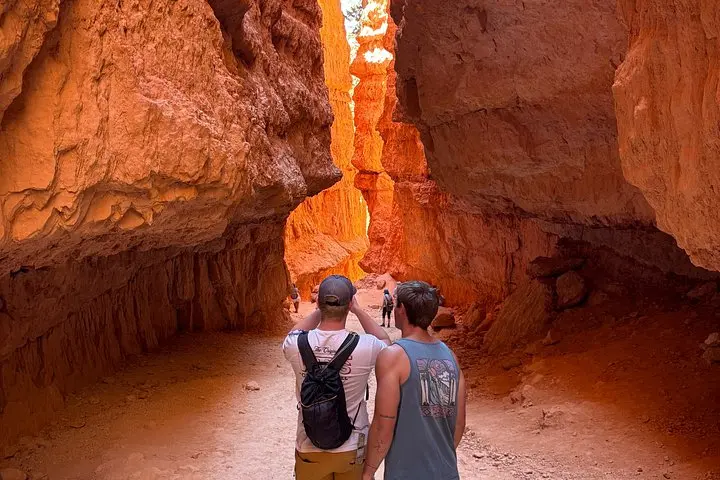
A guided sunrise hike down the Navajo Loop turns Bryce Canyon’s hoodoos from postcard scenery into an intimate geology lesson. Three miles, expert narration, and unforgettable light—this tour is the quickest way to understand how ice, time, and wind carved a city of stone.