
What the day feels like
The day begins with the city still blinking awake: the glass facades of Brickell throw back a pearly sunrise while the smell of strong coffee and frying plantains slips out from Little Havana. You pile into a van with other travelers, backpacks full of sunscreen and curiosity, and the driver steers south. Within an hour the skyline compresses into mangrove silhouettes and the air takes on a different voice—damp, warm, threaded with the scent of wet peat. That change in atmosphere is the promise of the Everglades: a slow, saline-breathing landscape that both soothes and demands attention.
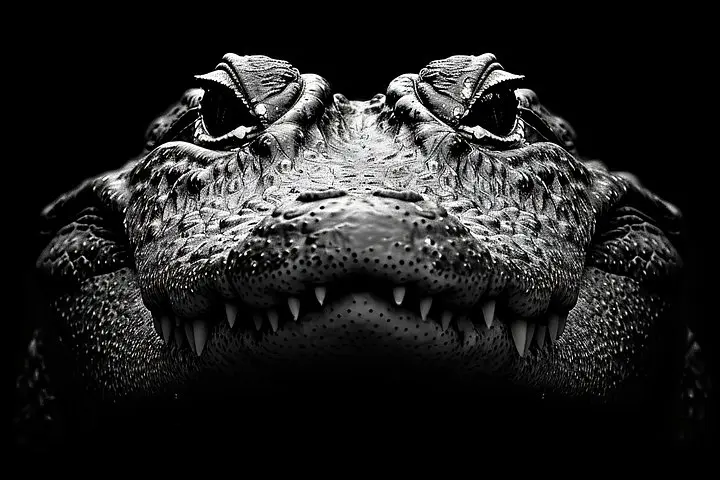
An airboat ride is where the tour sheds its urban skin. The motor lifts the craft like a mechanical wind, and the marsh becomes a stage. Tall sawgrass bristles to either side like an audience waiting for a performer; a dark-eyed alligator surfaces and regards you with primitive calm. The boat pilot throttles back, and you feel the Everglades’ enormous patience. Water is the main actor here—pushing, pooling, routing—enough to carve a national park out of subtropical lowlands and to make Miami’s geography legible if you’re willing to look.
That conversation between city and swamp is what makes this combo compelling. Miami is a newer American city—its story a layered one of Indigenous peoples, Spanish colonists, Cuban and Caribbean migrations, and 20th-century boomtown reinvention. The Everglades are older in a geological sense: porous limestone and the slow, erosive work of water created a flat, peat-and-marl plain. In the 20th century the region became the site of intense development pressure, drainage projects, and later conservation fights led by figures like Marjory Stoneman Douglas, who famously called the Everglades a “river of grass.” That phrasing still matters: the park is a living watershed that feeds Florida’s coasts and, in subtle ways, Miami itself.
Culturally the day tour gives you two different Floridas. In Wynwood you step into an organized riot of murals where graffiti artists made a gallery out of warehouses; in Little Havana you sip cafecito and feel how Cuban rhythms reshape everyday life. In the Everglades you trade painted brick for the biodiversity of wading birds, turtles, and gators. These contrasts are not tidy opposites but coexisting facets—urban culture and wild hydrology braided together, like mangrove roots and concrete foundations.
Practicalities you’ll want to know: the full experience runs about eight hours from Miami, with a price starting around $145. Expect an early pickup or meeting point in central Miami, then a 40–60 minute transfer to the Everglades portion. The airboat component is the day’s adrenaline; it’s short but intense—loud, fast, and with long sightlines for wildlife viewing. The city portion moves at the opposite tempo: guided stops in neighborhoods like South Beach, Bayside Marketplace, Wynwood, and Little Havana, each with photo opportunities and short, curated walks.
Terrain and fitness are forgiving. You’ll mostly be getting on and off a van, boarding an airboat, and pacing short walking segments. Bring breathable layers, closed-toe shoes for brief boardwalk hikes or uneven ground, and insect repellent—the Everglades can be brisk with bugs in the wet season. Also bring binoculars or use your phone’s zoom for bird and gator watching; keep both hands free to steady yourself when the airboat spins or when you’re navigating curbs in the city.
Timing matters. The dry season (roughly December–April) is the best window for clearer skies, lower mosquito pressure, and easier wildlife spotting because animals concentrate at remaining waterholes. Summer’s heat and humidity bring mosquitoes and afternoon storms but produce lush plant growth and nesting activity for some bird species. If photography is a priority, aim for golden-hour light in Miami’s neighborhoods and the softer late-morning sun out in the Everglades.
Sustainability and respect: the Everglades is vulnerable—water management, invasive species, and habitat loss are real issues. Don’t feed or approach wildlife. Stay on designated areas when you disembark. In the city, support small, locally owned restaurants (Little Havana’s ventanitas for a quick cafecito are a good example) rather than global chains; it keeps money where the culture lives.
Why book this as a combo rather than two separate outings? It’s a practical choice for travelers with one day: you get the thrill of natural spectacle without missing Miami’s aesthetic and cultural highlights. For photographers, the contrast is a gift—vivid street murals and powder-sand beaches paired with the muted palette of sawgrass and reflective waterways. For families, the mix of high-energy airboat time and gentle cultural stops keeps most attention spans engaged.
Final logistics and tips: confirm pickup details the night before, dress in layers because the coastal breeze can be cool early, and waterproof your camera or phone for the boat ride. If you want a quieter experience, travel in shoulder season mornings. And remember: Miami’s energy and the Everglades’ patience are both contagious—this day tour lets you drink deeply of both.
On balance, the Everglades Adventure and Miami City Tour is less about conquering a single place and more about calibrating to two different ones within a single day—a city that pulses with heat and color, and a marsh that moves with water’s patient logic. For the traveler who wants variety without logistics fatigue, it’s an efficient and emotionally resonant choice.
Trail wisdom
Small choices, better day.
Bring bug protection
Apply EPA-approved insect repellent before boarding—mosquitoes are most active in warmer months and near marshes.
Dress in breathable layers
Mornings in the city can be cool while the Everglades heats up—light layers and quick-dry fabrics are ideal.
Protect your electronics
Use a wrist strap or small drybag for phones/cameras on the airboat; spray and wind are common.
Keep a respectful distance
Do not feed or approach wildlife—guides will point out good viewing spots that are safe and legal.
Local knowledge
Read the place, not just the route.
Watch for native species including American alligator, Great blue heron.
Keep an eye out for wildlife during the transition between areas and habitats. Respect distance guidelines.
The Everglades is a UNESCO World Heritage Site and faces threats from water diversion and invasive species; visitors should avoid feeding wildlife and stay on designated paths.
Follow the guide's instructions on size limits, ethical handling, and leave-no-trace practices.
Grab a cafecito from a ventanita in Little Havana for an authentic taste.. Stop briefly at a Wynwood alley to find local street artists and small galleries off the main blocks.
Locally recommended viewpoints and quiet spots known best to local operators.
The Everglades were described by Marjory Stoneman Douglas as a 'river of grass'—her conservation writing helped shift public perception and policy in the 20th century.
Maritime roots and regional tradition shape the waterways and working coasts.
Seasonal guide
Four versions of the same landscape.
Spring
Best forBirdwatching · Mild temperatures · Fewer crowds than peak winter
ChallengesOccasional storms late season · Migratory species may be transient
Spring offers comfortable temperatures and strong bird activity, but be prepared for sporadic rain showers.
Summer
Best forLush landscapes · Active wildlife · Long daylight hours
ChallengesHigh heat and humidity · Frequent afternoon thunderstorms · More mosquitoes
Summer is dramatic and verdant; plan early starts, carry hydration, and expect storms in the afternoon.
Fall
Best forWarmer waterbird activity · Fewer tourists than winter · Color transitions in urban foliage
ChallengesHurricane season tail risk through November · Variable conditions
Fall balances warm days and thinning crowds, but keep an eye on tropical weather forecasts.
Winter
Best forDry conditions · Comfortable temps · Excellent wildlife viewing
ChallengesHigher tourist volume · Cooler mornings
Winter is the optimal time for clear skies and wildlife visibility, though tours can book up—reserve in advance.
Operator details
What the booking data adds.
Included
- ✓Bottled water
- ✓Air-conditioned vehicle
Not included
- —Everglades National Park USD 100.00 per Adult (Non-U.S. Residents Only)
Good to know
- ✓Infants and small children can ride in a pram or stroller
- ✓Service animals allowed
- ✓Public transportation options are available nearby
- ✓Travelers should have at least a moderate level of physical fitness
Pack with intention
What to bring.
Good to know
Common questions.
The full experience runs about eight hours, including transfers between Miami and the Everglades, an airboat ride, and guided neighborhood stops.
Plan the edges
The details that make the day easier.
Everglades National Park is a UNESCO World Heritage Site, a Wetland of International Importance, and an International Biosphere Reserve.
After the tour, head to Little Havana for authentic Cuban sandwiches and strong coffee, then stroll Wynwood for craft breweries and iconic murals—both neighborhoods pair well with the day’s contrasts.
- Closest airport
- Miami International Airport (MIA). Typical driving time to Everglades pickup: 40–60 minutes from downtown. Cell service: reliable in Miami, patchy in the Everglades. Permits: none required for this guided tour.
This tour enters a sensitive watershed—avoid feeding wildlife, dispose of trash properly, and follow guide instructions to limit disturbance to habitats.
Explore by topic
Follow the threads.
Keep exploring
Make the story part of the trip.
 Related story
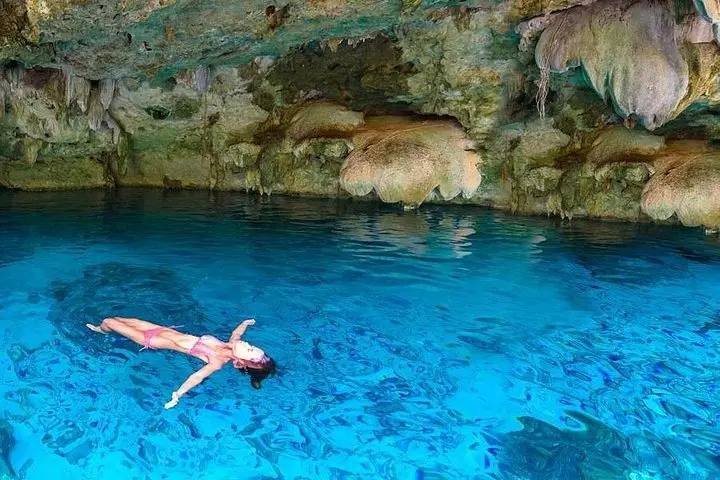
Dive into the Yucatán’s secret freshwater caverns and drift over the shallow reef gardens of Yalku Lagoon—an accessible, half-day snorkel pairing that blends geology, Mayan history, and vivid marine life.
 Related story
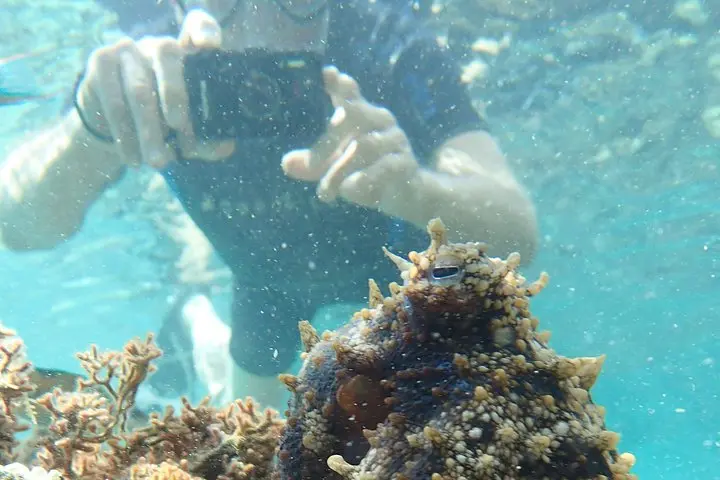
Slip beneath Porto Santo’s sunlit surface to find a mosaic of seagrass meadows, volcanic shelves, and playful schools of fish. This three-hour snorkeling tour pairs small-group access with local stewardship—ideal for travelers who value marine life over crowds.
 Related story
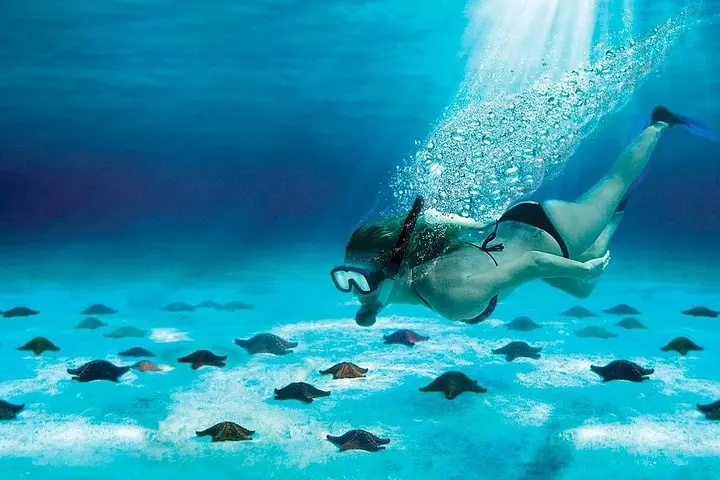
Spend a day on a high-speed boat exploring Cozumel’s famed reefs and the shallow sand flats of El Cielo. This full-day trip offers clear water, abundant marine life, and guided snorkeling at three prime sites—ideal for both first-timers and seasoned reef lovers.