
What the day feels like
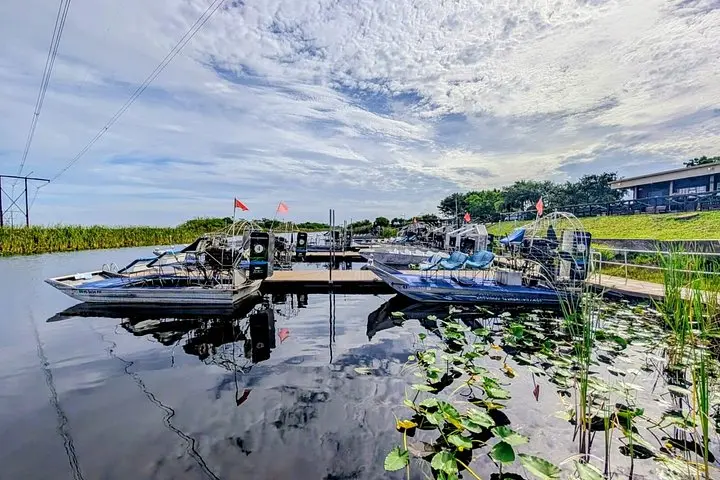
You leave Miami’s glass and concrete behind and, within an hour, the skyline unravels into a flat, green ocean. Sawgrass reaches like a hesitant hand across the horizon, wind combing it into ripples that look for all the world like prairie waves. The airboat waits—an open, low-slung machine that feels less like a boat and more like a promise: to push you forward and to keep the land moving under your feet.
This is roofless airboating in the Everglades, the kind of morning that compresses geography and history into a single, loud, wet hour. The ride on the 40-minute tour is kinetic—propeller hiss, water spray that dares your camera lens, and the captain’s practiced arcs as the hull skims shallow channels carved through the famous River of Grass. You’ll see islands of dead trees, herons pivoting like weather vanes, turtles sunning on old cypress stumps and, if you’re lucky, the slow, bronze shape of an alligator easing through a ribbon of water. The ecosystem feels watchful; the Everglades is not a backdrop but an active participant, nudging you along, testing how quickly you can read its signals.
The phrase 'River of Grass' came from Marjory Stoneman Douglas, and the name is apt: this is not a river hemmed by banks but a shallow, sheet-flow wetland whose geology and hydrology shape everything. Limestone and karst underlay the sawgrass, creating sinkholes and dark, spring-fed sloughs. The Everglades’ slow-moving water originally ran clear from Lake Okeechobee to Florida Bay, and that same current still divides habitats and species here—wading birds from wading places, alligators from crocodiles at the park’s southern edge.
Human stories are layered in, too. The Seminole and Miccosukee people have lived in and adapted to these wetlands for centuries; modern conservationists fought a long battle in the 20th century to protect what remained of this fragile subtropical mosaic. Today, guided airboat tours like this one exist in the tension between access and conservation: they give visitors a kinetic way to experience the Everglades while funneling traffic into controlled corridors and educational exhibits. After the ride, the on-site animal area and reptile presentations ground the drama you just witnessed in biology and stewardship—why certain species matter, and what threats the landscape faces, from urban runoff to invasive pythons.
Why go on a roofless airboat instead of a quieter kayak? Because it’s immediate and social: a communal, weathered bench, ear protection handed out, a captain who points and narrates as you fling across the marsh. It’s also practical for a half-day escape from Miami. Most departures include shared hotel pickup from Miami Beach and downtown, so you don't need a car. The total excursion runs about four hours—time enough for the ride, the exhibit, and the return drive without feeling rushed.
For photographers, the Everglades rewards patience and a fast shutter speed. Motion sets the scene; birds blur into streaks when you track too slowly, while a gator resting on a mud bank becomes a portrait when framed against reflective water. For families, the exhibit's hands-on demonstrations help children go from awe to understanding; for solo travelers and birders, the open cockpit gives a good vantage for spotting marsh hens, anhingas and roseate spoonbills.
Practicalities are simple but worth noting. Ear protection is provided—airboat props are loud and sustained. The ride is exposed to sun and spray, so wear sun protection, sunglasses, and a light, quick-dry layer. The path along the marsh is shallow and wet, so waterproof footwear or sandals that can get damp are sensible. If you’re prone to motion sickness, take precautions—capsize is unlikely, but the boat’s turns are sharp.
Beyond the ride, the area’s meaning arrives in small ways: the pungent, sweet smell of drying sawgrass in the sun; a child spotting the first alligator and naming it correctly; the captain lowering the throttle and letting the marsh fill the silence. The day ends with Miami back on the horizon, but something of the Everglades—its scale, its insistence—stays with you. It’s a half-day that realigns your sense of pace and returns you to the city a little quieter, more attentive to the wind and water.
If you go, treat this as both an adventure and an introduction. Listen to the naturalists, ask about the local conservation efforts, and carry a curious respect for a landscape that is deceptively delicate. The Everglades will take you in its current, quite literally, but it will also show you how people and place are bound together here—history, geology, and daily stewardship wrapped into a wide, green river that keeps moving.
Trail wisdom
Small choices, better day.
Bring sun protection
The ride is exposed—wear sunscreen, a brimmed hat, and polarized sunglasses to reduce glare from the water.
Protect your ears
Propeller noise is loud; use the provided ear protection or bring foam earplugs for added comfort.
Secure electronics
Spray and sudden turns can jostle cameras—use a wrist strap or dry bag and a quick-clean lens cloth.
Stay a respectful distance
Observe wildlife from the boat and follow your guide’s instructions; feeding or disturbing animals harms both them and the habitat.
Local knowledge
Read the place, not just the route.
Watch for native species including American alligator, Roseate spoonbill.
Keep an eye out for wildlife during the transition between areas and habitats. Respect distance guidelines.
The Everglades faces threats from water diversion, pollution and invasive species; responsible tours limit disturbance and funnel visitors through managed corridors.
Follow the guide's instructions on size limits, ethical handling, and leave-no-trace practices.
Visit the on-site reptile exhibit for close-up learning about local species. Ask captains about nearby freshwater sloughs where bird activity concentrates
Locally recommended viewpoints and quiet spots known best to local operators.
Marjory Stoneman Douglas popularized the term 'River of Grass' in 1947; her writing helped galvanize conservation efforts for the Everglades.
Maritime roots and regional tradition shape the waterways and working coasts.
Seasonal guide
Four versions of the same landscape.
Spring
Best forMigratory birds · Comfortable daytime temps · Good visibility for photography
ChallengesOccasional heavy rains late spring · High insect activity
Spring balances migrating shorebirds and warm, comfortable days but watch for sudden showers and more mosquitoes as the season progresses.
Summer
Best forLush wetland growth · Juvenile wildlife sightings · Low visitor crowds
ChallengesHot, humid conditions · Afternoon thunderstorms · More insects
Summer is green and alive but hot; early-morning departures are best to avoid heat and storms.
Fall
Best forCooling temperatures · Fewer storms · Good wildlife activity
ChallengesVariable weather as dry season approaches · Potential for lingering humidity
Fall sees the marsh begin to dry and cool, improving wildlife visibility and reducing insect pressure toward late season.
Winter
Best forDry-season clarity · Comfortable touring temps · Peak birdwatching
ChallengesHigher visitor numbers on holidays · Cool mornings
Winter—Florida's dry season—is the optimal time for clear skies, lower humidity and reliable wildlife sightings, though tours can fill up.
Operator details
What the booking data adds.
Included
- ✓On-route commentary
- ✓Bottled water
- ✓Air-conditioned vehicle
- ✓Shared hotel pickup & drop-off
Not included
- —Gratuities
Good to know
- ✓Infants and small children can ride in a pram or stroller
- ✓Service animals allowed
- ✓Public transportation options are available nearby
- ✓Infants are required to sit on an adult’s lap
- ✓Suitable for all physical fitness levels
- ✓Shared experience and shared transportation. Airboat rides and alligator shows are conducted in English. On-route commentary available in English / Spanish / German. Extended courtesy stops outside the free pickup zones may be possible; small supplement fee may apply. Downtown Miami area pickup time - 7:45am. Miami Beach area pickup time - 8:00am
Pack with intention
What to bring.
Good to know
Common questions.
The airboat segment lasts about 40 minutes; the full excursion with transfers and on-site exhibits is roughly four hours.
Plan the edges
The details that make the day easier.
Marjory Stoneman Douglas coined the phrase 'River of Grass' in her 1947 book, helping shift public perception and conservation efforts toward the Everglades.
After the tour, head back through Homestead or into Miami for Cuban coffee in Little Havana, fresh seafood in Coconut Grove, or craft breweries in Wynwood—pair the wild wetland morning with a relaxed Miami evening.
- Closest airport
- Miami International Airport (MIA); Typical drive from Miami Beach: 45–70 minutes depending on traffic; Cell service: intermittent in the marsh—expect limited coverage on the ride; Permits: None required for the tour, but respect park signage if visiting public lands.
This area is sensitive to water-quality changes and invasive species; stick to guided routes, avoid feeding wildlife and pack out all trash to support long-term conservation.
Explore by topic
Follow the threads.
Keep exploring
Make the story part of the trip.
 Related story
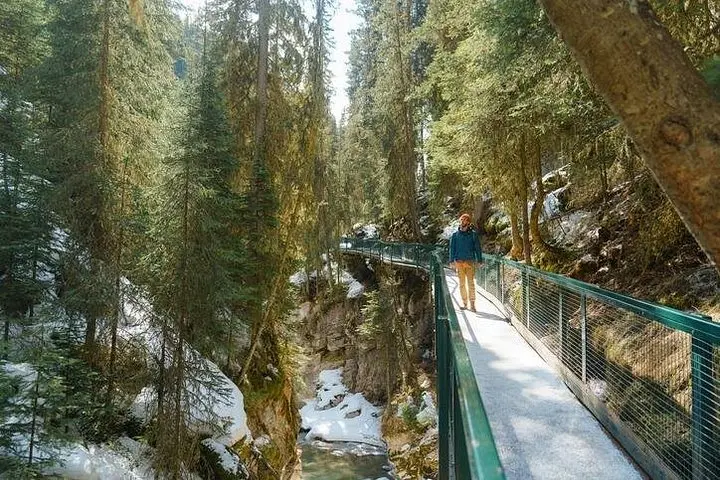
In eight efficient hours, experience the turquoise drama of Lake Louise and the cathedral-like icefalls of Johnston Canyon. This guided shuttle day trip from Banff/Canmore combines easy access, crisp winter scenery, and practical guidance for a high-reward Rockies outing.
 Related story
See Banff’s signature overlooks and hidden lakes in one compact, expertly guided 2.5-hour loop. Perfect for short-stay travelers who want big scenery without the driving.
 Related story
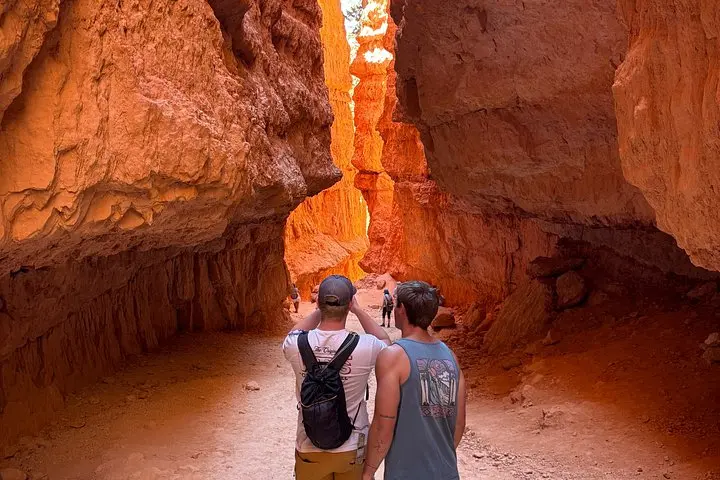
A guided sunrise hike down the Navajo Loop turns Bryce Canyon’s hoodoos from postcard scenery into an intimate geology lesson. Three miles, expert narration, and unforgettable light—this tour is the quickest way to understand how ice, time, and wind carved a city of stone.