
What the day feels like
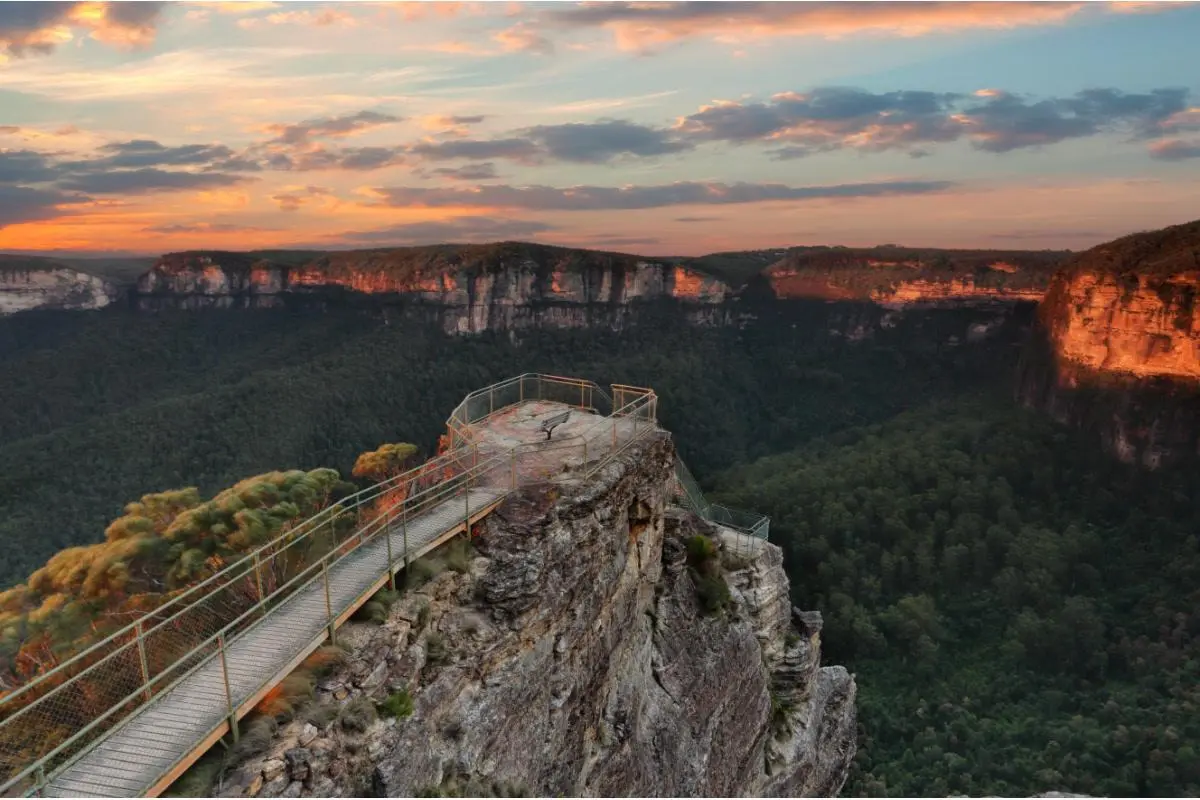
The trail begins as a promise—pine-scented, understated, a steady rhythm of boot and root that prepares you for the revelation to come. With each switchback the trees thin and the world opens: the Lysefjord, a deep ribbon of dark water, threads between steep, glacier-polished walls, and ahead the ledge known as Pulpit Rock Lookout squats like a natural stage. Step onto it and the fjord draws you in; stand at the brink and the air seems almost to dare you to lean forward.
Pulpit Rock Lookout—often called Preikestolen in Norwegian—is one of those places where geology, weather and human appetite for perspective align. The flat-topped cliff rises roughly 604 meters (1,982 feet) above Lysefjord, carved free by ancient glaciers that gouged the fjord and left behind the dramatic precipice visitors now queue to view. The trail that leads there is a compact education in Norway’s rugged coastal topography: exposed bedrock smoothed by ice, scattered heather, and pockets of resilient forest clinging to thin soil. From the cliff, the fjord’s tight shoulders and distant peaks read like a relief map.
The site has become more than a scenic photo stop. For locals the plateau has a quiet, almost ceremonial quality—an ancient threshold between sea and high country. In summer, the trail hums with international visitors and Norwegians escaping the city; in the shoulder seasons, it rewards solitude and low winter light. The rhythm of the site is weather-dependent: wind and clouds can turn the outlook from postcard calm to real alpine drama within minutes. That volatility is part of the draw—nature here feels alive and opinionated.
If you’re planning the hike, know what you’re getting into. The classic route is roughly 8 kilometers roundtrip with about 350 meters of elevation gain and typically takes 3–5 hours depending on pace and stops. The terrain alternates between well-worn rock slabs, timber boardwalk sections, and short scree patches. It’s straightforward but physical: expect a steady uphill and a few sections where your footing needs attention. Trail markers are clear and the ascent is frequent enough that you won’t need technical navigation gear, but good boots and steady legs make a far more enjoyable experience.
Timing matters. Early mornings in high season mean clearer parking, quieter trails and golden light on the fjord; late afternoons can be equally beautiful but busier. The weather can shift fast—clear skies can collapse into low cloud and spray, and the cliffs get raw with wind. For photographers, light in the two hours after sunrise or before sunset gives the most cinematic fjord colors, while midday provides wide-angle clarity but harsher shadows.
Practicalities are one of this trail’s strengths. The trailhead is accessible by road from Stavanger (about a 45–60 minute drive), and in summer regional buses and shuttle services run to the main parking areas. Day hikers generally plan on a comfortable pair of waterproof hiking shoes, layered clothing and enough water for the day—there are no services once you leave the trailhead. Respect the edges: the cliff is admired responsibly, but it’s not a place for unstable poses or loose-pack antics. Follow local signage, and if conditions deteriorate, turn back rather than pressing on for a photo.
The cultural side of a visit to Pulpit Rock Lookout is subtle but worth noting. Stavanger is a compact, livable city with a working harbor, excellent seafood and a friendly outdoor culture—the city’s festival calendar and small-museum scene make it a logical base for a multi-day fjord itinerary. Nearby activities that pair well with the Pulpit Rock hike include Lysefjord boat tours (a lower, aquatic perspective that shows just how vertical the fjord sides are) and the Flørli stair climb if you want a more isolated, adrenalized leg workout.
On conservation: the popularity of Pulpit Rock has put pressure on the trails. Erosion from heavy foot traffic and litter are managed by a mix of local stewardship and visitor awareness campaigns—stick to marked paths, pack out trash, and consider traveling by shuttle or bus to reduce parking demand. Small behaviors keep the cliffs natural and the trail enjoyable for everyone.
Who is this hike for? Casual hikers in decent shape will find the route rewarding; families with older kids are common, and seasoned backpackers will appreciate the quick, visceral payoff of the summit. It’s not a technical climb, but it does demand attention—good footwear, respect for changing weather, and basic navigation sense will take you a long way. For photographers and outdoor writers it’s a short, intense study of light and scale; for the average visitor it’s a day you’ll remember for years.
Practical tips before you go: arrive early or late to avoid crowds; bring a windproof layer even on warm days; use a wide-angle lens for the fjord and a mid-telephoto for compression shots; carry snacks and a full water bottle; and allow time on the plateau to absorb the view rather than racing for a single selfie. Above all, approach the edge with respect—the most memorable images are often the ones where the scene feels intact and natural rather than staged.
Pulpit Rock Lookout is that rare destination that delivers both a grounding hike and a cinematic reward. It’s a place where the fjord meets the sky, where a flat square of rock becomes a stage for weather and human reflection. Whether you go for the photo, the personal test, or simply to feel small against an ancient landscape, it’s an efficient and honest adventure that leaves you wanting to see more of Norway’s coast—preferably before the light dies on the fjord.
Trail wisdom
Small choices, better day.
Start at dawn
Arrive early to avoid crowds and catch golden light on the fjord.
Wear grippy boots
Expect exposed rock slabs and short scree—sturdy footwear improves footing and comfort.
Carry windproof layers
Weather on the plateau can be drastically colder and windier than at the trailhead.
Respect the edge
Stay back from the cliff in high winds and avoid risky photos; safety first.
Local knowledge
Read the place, not just the route.
Watch for native species including White-tailed sea eagles, Mountain goats and seabirds.
Keep an eye out for wildlife during the transition between areas and habitats. Respect distance guidelines.
Heavy visitation has caused trail erosion; stay on marked paths, pack out waste, and consider shuttle transport to reduce local parking pressure.
Follow the guide's instructions on size limits, ethical handling, and leave-no-trace practices.
Lysefjord boat tours for a low-angle perspective of the cliffs. Flørli’s 4,444 wooden steps for a quieter, vertical challenge
Locally recommended viewpoints and quiet spots known best to local operators.
The cliff and fjord are products of glacial sculpting; the region has long been part of coastal farming and fishing communities in Rogaland.
Maritime roots and regional tradition shape the waterways and working coasts.
Seasonal guide
Four versions of the same landscape.
Spring
Best forEarly wildflower displays · Lower crowds · Cool, crisp hiking
ChallengesSnow patches on higher sections · Unpredictable weather
Spring brings melting snow and vivid greens; trail conditions can be variable—check local reports.
Summer
Best forStable weather · Long daylight hours · Boat-fjord combos
ChallengesPeak crowds · Full parking lots
Summer is ideal for clear vistas and easy logistics but expect more people—book transport or go early.
Fall
Best forAutumn colors · Crisp light for photos · Fewer visitors
ChallengesShorter daylight · Wind and sudden rain
Fall offers dramatic light and fewer crowds; dress for quickly changing conditions.
Winter
Best forSnow-covered drama · Solitude · Low-angle winter light
ChallengesIcy rock and slippery paths · Limited services
Winter transforms the cliff into a stark tableau—only attempt with winter gear and experience.
Pack with intention
What to bring.
Good to know
Common questions.
The classic route is roughly 8 km roundtrip with about 350 m of elevation gain; most hikers take 3–5 hours depending on pace and stops.
Plan the edges
The details that make the day easier.
Pulpit Rock (Preikestolen) stands approximately 604 meters above the surface of Lysefjord, a height formed by glacial carving during the last Ice Age.
Stavanger’s harbor-side bistros and fresh seafood pair naturally with a fjord day—try local cod or smoked salmon and a slice of brunost (Norwegian brown cheese) for a true taste of the region.
- Distance
- ~8 km roundtrip; Elevation gain: ~350 m; Time: 3–5 hours; Access: 45–60 min drive from Stavanger; Facilities: limited—plan supplies and weatherproof layers.
Stick to established trails, carry out all trash, avoid flying drones over crowded viewpoints, and consider supporting local guides or shuttle services to minimize parking and road pressure.
Explore by topic
Follow the threads.
Keep exploring
Make the story part of the trip.
 Related story
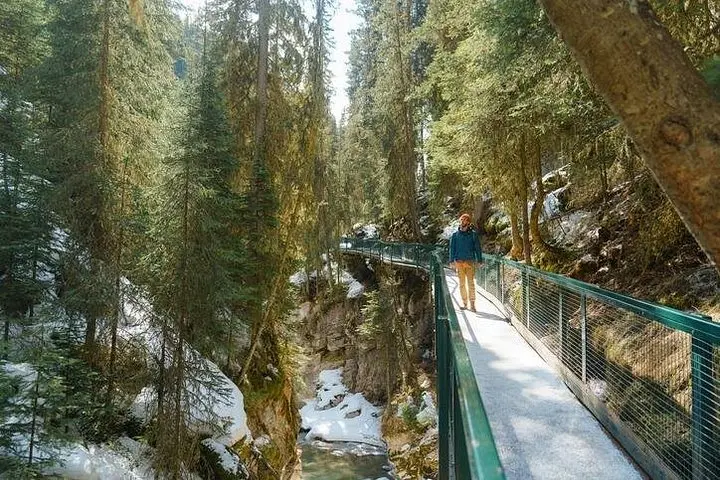
In eight efficient hours, experience the turquoise drama of Lake Louise and the cathedral-like icefalls of Johnston Canyon. This guided shuttle day trip from Banff/Canmore combines easy access, crisp winter scenery, and practical guidance for a high-reward Rockies outing.
 Related story
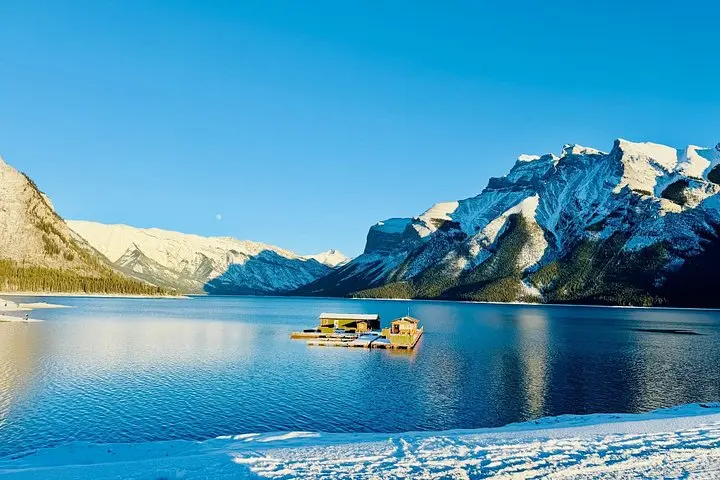
See Banff’s signature overlooks and hidden lakes in one compact, expertly guided 2.5-hour loop. Perfect for short-stay travelers who want big scenery without the driving.
 Related story
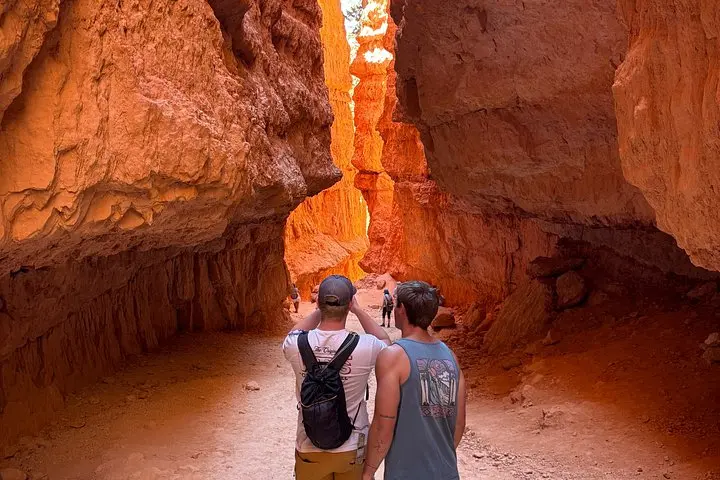
A guided sunrise hike down the Navajo Loop turns Bryce Canyon’s hoodoos from postcard scenery into an intimate geology lesson. Three miles, expert narration, and unforgettable light—this tour is the quickest way to understand how ice, time, and wind carved a city of stone.