
What the day feels like
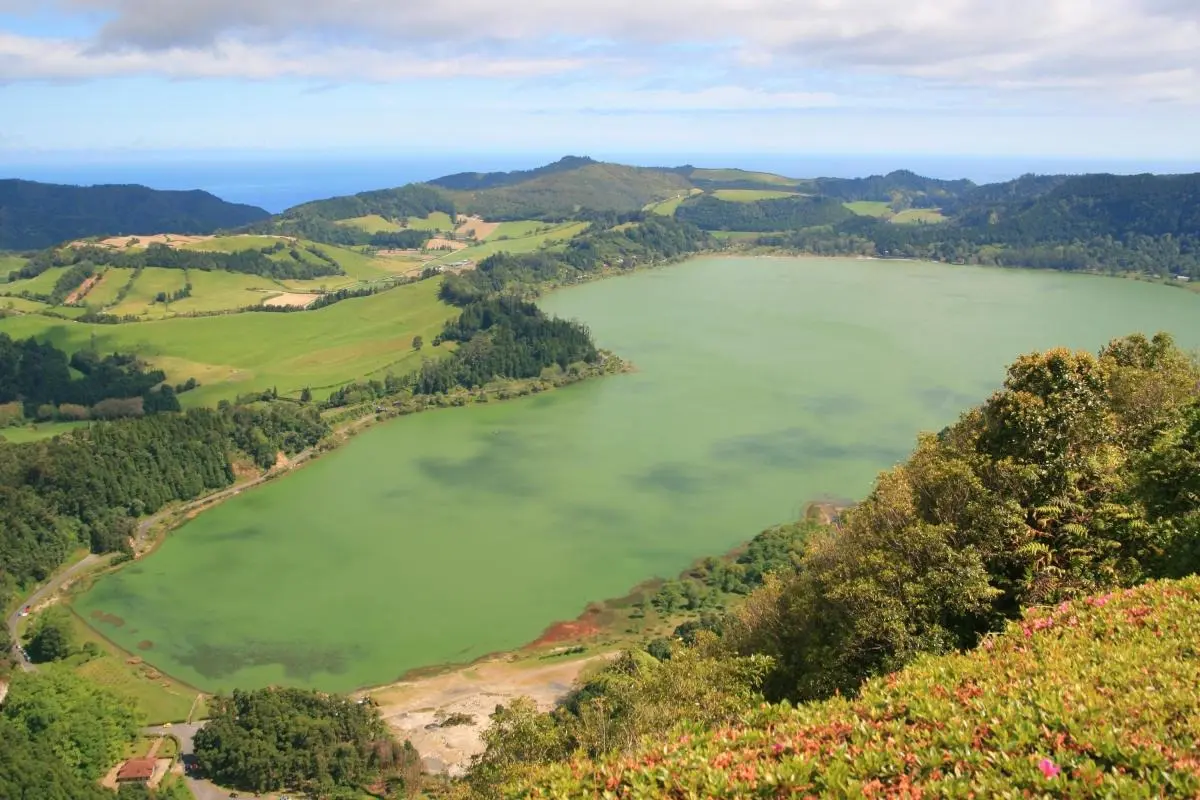
A soft mist lifts off the mirror of Lagoa das Furnas as you step out of the rental car and into a valley that still feels like the Earth is breathing. The lake sits in the hollow of an ancient volcanic caldera on São Miguel island, its shoreline threaded with walking paths, fumaroles that hiss like distant heaters, and clusters of hydrangeas that bloom with absurd confidence. It’s one of those rare places where geology and everyday life collide: restaurants bury pots of stew in steaming vents and locals still time their laundry around the clouds of mineral-scented vapor.
Walk the lakeside loop and you’ll understand why Furnas is equal parts science lesson and small-town spa. A three-kilometer, mostly level circuit winds the shore—past shallow hot springs bubbling up through peat, through stands of laurel and exotic plantings—before opening to viewpoints that look back across the valley to the rim of the caldera. Hike just a little higher to Pico do Ferro for the best perspective: the lake looks like a dark eye cradled among rolling fields and old stone houses. On clear days you can see how the valley’s slopes were carved by eruptions and softened by centuries of rain.
That visible geology is what has shaped Furnas’ culture. Since at least the 16th century villagers have used the heat trapped beneath these slopes to cook, bathe, and heal. The famous cozido das Furnas—beef, pork, chicken, sausages, and root vegetables—still gets lowered into steel cauldrons and buried in the steaming ground for several hours. It tastes like a slow Sunday, rich and uncomplicated, and it’s something you’ll want to time into your visit. The Terra Nostra botanical garden, a short walk from the lake, marries that volcanic warmth with Victorian sensibilities: a 35–40ºC iron-rich thermal pool sits in a landscaped, fern-shadowed basin, an invitation you’ll be hard-pressed to refuse on a cool Azorean morning.
The human touches around the lake are as telling as the geology. The Gorreana tea plantations, which cluster on the slopes beyond Furnas, are among Europe’s oldest tea producers—an unlikely but logical crop on these fog-washed hills. Local bakers still make bolo lêvedo (a soft, round bread) and queijadas (cheese tarts) in tiny shops, and there’s a practical warmth to the way the town organizes itself around the geothermal technology that underpins daily life.
If you want a different kind of motion, rent an e-bike and take it easy around the valley: many operators run 10–15 km circuits that stop at the lake, the fumaroles, the chapel of Nossa Senhora das Vitórias, and Pico dos Milhos viewpoint. For something quieter and deeper, try a guided forest-bath experience on the softer trails—there’s an attentiveness here to the therapeutic properties of steam, water and moss that feels like a permission slip to slow down.
Practicalities matter in Furnas. The lakeside walking loop is accessible to most people: expect 2–3 hours if you combine the walk with viewpoint detours and a mid-morning stop for coffee. There’s modest elevation if you climb to the ridge (bring shoes with good grip for damp stone), and the ground around the fumaroles can be slick and hot—obey posted signs and don’t step inside roped-off areas. If you plan to bathe in public thermal pools, check opening hours and book in advance for prime times; the Poça da Dona Beija spring is popular in the evening.
Timing is about trade-offs. Early morning brings glass-smooth reflections and a fog that lingers in the caldera; late afternoon (golden hour) coats the hydrangeas in a particular softness that makes photographs worth the effort. Rain occasionally threads in off the Atlantic—waterproof layers and quick-dry clothing will keep you mobile—and the island’s climate means even summer evenings can feel cool in the valley.
For travelers, the big wins are simple: a gentle hike or e-bike circuit that suits mixed abilities; intimate encounters with geothermal activity that you won’t find in many other places in Europe; and the satisfaction of eating a dish literally slow-cooked by the Earth. Add in a soak in an iron-rich thermal pool and a stop at a working tea plantation, and you’ve built a day that balances movement, culture and rest.
How to prepare: bring sturdy waterproof shoes for muddy, uneven paths; a lightweight waterproof jacket; insect repellent for shaded trails; and cash for small vendors. If you’re sensitive to strong mineral smells, bring a small travel towel and plan pool dips earlier in the day. Lastly, respect the place: these caldeiras are fragile, and the community depends on thoughtful tourism to keep Furnas both a living town and a natural wonder.
Furnas Lake is not a single-moment spectacle but an open-ended invitation: to follow steam where it leads, to eat something that tastes of place, to slow the clock and deal in slow food and slow walks. It’s a destination that rewards curiosity, and it asks for a little patience in return—the kind that fills a thermal pool and warms you from the inside out.
Trail wisdom
Small choices, better day.
Watch the steam and heed signs
Fumarole fields can be unstable and hot—stay on marked paths and never cross ropes to get closer.
Book thermal pools in advance
Popular springs like Poça da Dona Beija can sell out in high season—reserve evening slots early.
Layer for changeable weather
Valley mornings are cool and damp; bring a light waterproof and a warm mid-layer for viewpoints.
Time your cozido meal
Cozido is cooked in the ground for hours—ask restaurants when it’s ready and reserve if you want to eat it.
Local knowledge
Read the place, not just the route.
Watch for native species including Azores bullfinch (an endemic bird found in laurel forests), Common kingfisher near streams and calm lakeshore in calm weather.
Keep an eye out for wildlife during the transition between areas and habitats. Respect distance guidelines.
The caldera and its flora are sensitive; stick to trails, avoid collecting plants, and support local conservation through park fees and responsible tour operators.
Follow the guide's instructions on size limits, ethical handling, and leave-no-trace practices.
Pico dos Milhos viewpoint for sunrise vistas over the valley. A small, lesser-visited fumarole field east of the lake where locals harvest steam for cooking
Locally recommended viewpoints and quiet spots known best to local operators.
Furnas’ settlement grew around geothermal springs—locals have used the heat for bathing and cooking since at least the 16th century.
Maritime roots and regional tradition shape the waterways and working coasts.
Seasonal guide
Four versions of the same landscape.
Spring
Best forHydrangea blooms · Mild hikes · Tea plantation visits
ChallengesUnpredictable rain · Muddy trails
Spring brings lush green slopes and full hydrangeas; trails can be wet but the valley is at its most verdant.
Summer
Best forLong daylight for e-bikes · Outdoor dining · Evening soaks
ChallengesHigher visitor numbers · Cool evenings
Summer offers the most stable weather and long days—arrive early to avoid crowds at pools and viewpoints.
Fall
Best forPhotography · Quieter trails · Cozido season
ChallengesMore rain and wind · Shorter daylight
Fall softens the light and thins the crowds; expect occasional wet weather and invigorating air.
Winter
Best forThermal pools · Storm-watching · Low-season rates
ChallengesCooler temps and strong winds · Some services reduced
Winters are cool and wet—perfect for steaming baths but bring solid rain gear and plan indoor options.
Pack with intention
What to bring.
Good to know
Common questions.
The shore circuit is roughly 3 km and takes about 1–1.5 hours at a relaxed pace; include viewpoint detours and plan 2–3 hours for a fuller visit.
Plan the edges
The details that make the day easier.
The Gorreana Tea Factory on São Miguel has been producing tea since 1883 and is one of Europe’s oldest continuously operating tea plantations.
Culinary life in Furnas revolves around geothermal heat: taste cozido, try bolo lêvedo and queijadas, and sip locally grown tea at Gorreana—shops and small restaurants favor seasonal, simple ingredients.
- Getting there
- 45–50 min drive from Ponta Delgada. Main activities: lakeside walk (3 km), thermal pool soaks, cozido tasting, tea plantation visits. Currency: Euro. Accessibility: lakeside paths are mostly flat; ridge viewpoints require steps.
Support local guides and operators, stay on marked trails to protect geothermal features and endemic plants, and avoid single-use plastics—small actions help keep Furnas a living place.
Explore by topic
Follow the threads.
Keep exploring
Make the story part of the trip.
 Related story
Step beyond Canal Street and into a dense, sensory world where food, language, and history overlap. This is Chinatown: compact, storied, and urgently alive. Learn how to move through it like a neighbor — and why every corner tells a story.
 Related story
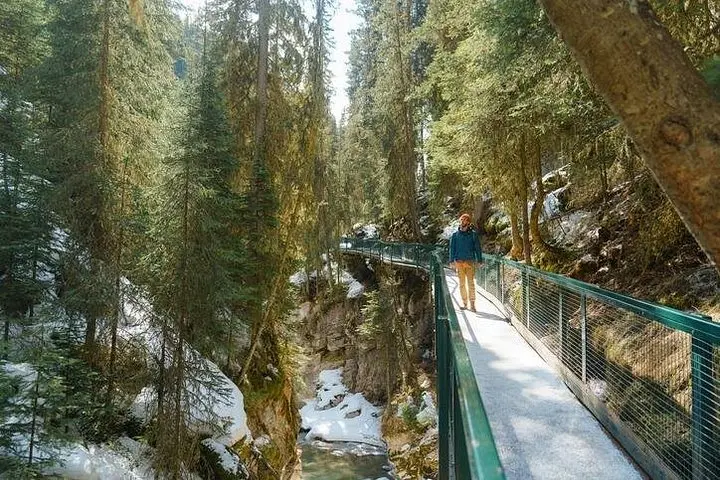
In eight efficient hours, experience the turquoise drama of Lake Louise and the cathedral-like icefalls of Johnston Canyon. This guided shuttle day trip from Banff/Canmore combines easy access, crisp winter scenery, and practical guidance for a high-reward Rockies outing.
 Related story
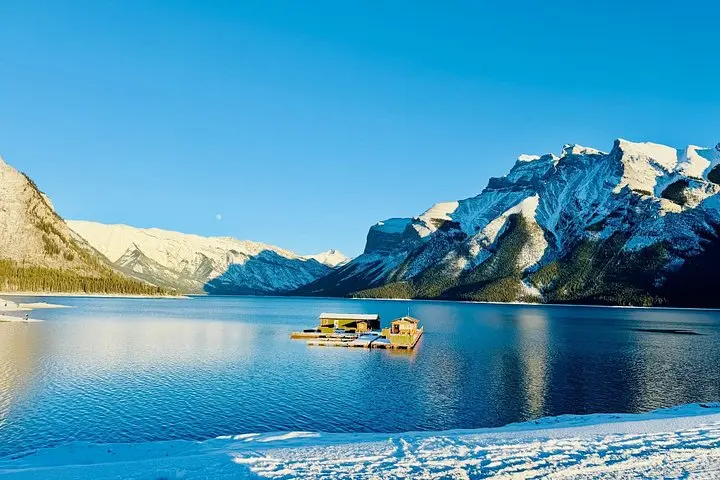
See Banff’s signature overlooks and hidden lakes in one compact, expertly guided 2.5-hour loop. Perfect for short-stay travelers who want big scenery without the driving.