
What the day feels like
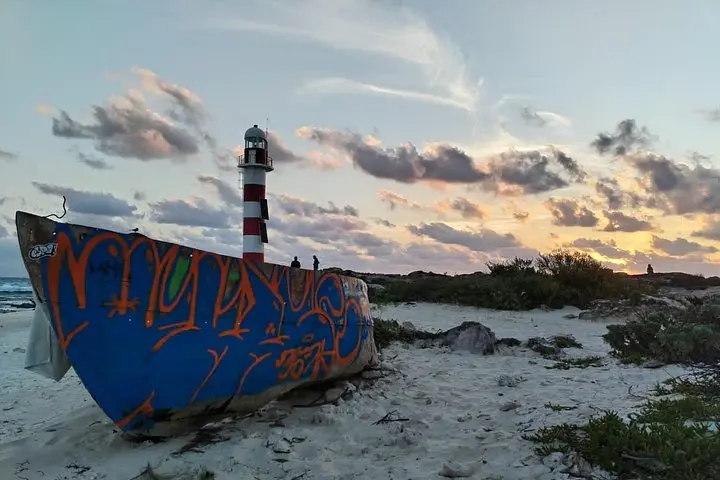
Dawn leans in early over Punta Cancún, and the Caribbean makes its case in a hundred shades of blue. The lighthouse—Faro de Punta Cancún—stands on the rock like an old friend who knows the morning by heart. Waves shoulder into the reef and hiss back, daring you to step closer. Pelicans patrol the wind. Sand squeaks underfoot as the Hotel Zone wakes in a slow ripple of light. This is not the Cancun of nightclub neon or all-inclusive buffets. It’s a simpler ritual: a sunrise walk to the island’s high edge, a brush with Maya history, and later, a plunge into the cool clarity of cenotes where the peninsula’s hidden rivers breathe.
Day one starts at the tip of the Hotel Zone. From the paved promenades and beach approaches near Punta Cancún, it’s an easy shoreline stroll toward the lighthouse—about one to two miles round-trip, depending on where you begin. The path blends sand, paving stones, and occasional rock, with almost no elevation gain, but the sun arrives fast and unapologetic. Keep moving. The sea keeps pace, steady and insistent, throwing spray against the limestone ledges that built this island. To the south, the skeletal remains of Yamil Lu’um—a small Maya watchpost perched above the surf—remind you that these waters have always been watched, guarded, and understood.
Your guide pulls from local lore as the city stretches awake: how Cancún rose deliberately from sandbar and mangrove in the 1970s, a planned resort that grew into a cosmopolitan beachhead. But it’s the older story that resonates here—the coral limestone beneath your feet, once part of an ancient reef, dissolved over millennia by rain and time to carve the Yucatán’s honeycomb of sinkholes and caves. This chemistry writes the next chapter of the trip.
Day two leaves the coast and heads south to the Ruta de los Cenotes near Puerto Morelos, where jungle presses close and the air hums with cicadas. Cenotes Kin-Ha Eco-Park is a break in the greenery: wooden platforms, shaded palapas, a hum of excitement as swimmers size up the water. Two cenotes anchor the experience—one open to the sky, the other a cavern where cool shadows keep their own calendar. Life jackets are issued, and the first step off the platform is a commitment; the water holds you, clear as glass and deeply blue. The cenote decides the pace: it invites, it cools, it steadies your breathing. In the cavern, stalactites sharpen the acoustics; voices tap the limestone and return softer.
This is the Yucatán’s true circulatory system. There are no surface rivers here. The aquifer moves underground, a connected web that once provided lifeblood to Maya communities and, at times, demanded reverence. Many cenotes are still sacred places; swimming is welcome, but mindful swimming is better. Rinse off lotions, respect the water clarity, tread lightly on wooden stairs and limestone edges.
Back at the surface, adventure options stack up: zip lines skimming the canopy, ATVs buzzing along sandy tracks. Both are optional add-ons at Kin-Ha, but they pull at different parts of your curiosity. Do you want to fly, or do you want to trace the ground’s pulse? Either way, the jungle keeps its own score. Breezes shift. Clouds build and break. And when it’s time for the final circuit of the day, the tour swings you back toward town for a shopping pause—perhaps Mercado 28 for handcrafted textiles and silver, perhaps La Isla’s boardwalk boutiques for a breezier, modern spin. Haggle gently, pay in pesos when you can, and keep an eye out for artisan cooperatives that stamp their work with names and stories.
If the coast is Cancun’s headline, these two days fill in the footnotes: sunrise solitude at the Faro; the archaeological whisper of Yamil Lu’um; the subterranean quiet of a cenote that doesn’t need to be loud to be extraordinary. Practicalities matter here. Start before the heat finds you. Wear water shoes; limestone and dock planks don’t suffer bare feet kindly. Bring a dry bag for phones and a small towel—cenotes are generous with water, less so with places to keep things dry. And don’t underestimate the sun. Even when clouds parade through, UV sneaks in off the water like a local with a spare key.
Between stops, the region’s bigger story floats into view. Offshore, the Mesoamerican Barrier Reef—the second-largest barrier reef in the world—tempers the surf, protects the shore, and feeds an entire coastal economy. On land, the cenote route reveals the karst geology that made this peninsula both habitable and sacred. Every activity here brushes against that geology: the walk along coral rock, the plunge into cool freshwater, the ziplines threading between limestone sinkholes. It’s the same stone in different moods.
By the time the sun dips, Cancun returns to its familiar glitter. But the lighthouse stays, steady in your rearview, and the cenotes keeps their own time under the jungle. When you carry both—salt on skin, the cenote’s cool stillness in your bones—you get a version of Cancun that’s refreshingly clear: coastal at dawn, jungle by noon, and, at day’s end, the simple pleasure of a market snack and a salty breeze. No theatrics required.
Why go now? Cooler winter months steady the heat, sargassum is less likely to crowd the shoreline, and the cenote water holds at a refreshing mid-70s Fahrenheit year-round. Go early. Go curious. Let the lighthouse point the way, and let the cenotes remind you that the peninsula’s heart beats underground.
Trail wisdom
Small choices, better day.
Catch the lighthouse at first light
Start 30–45 minutes before sunrise for cooler temps, fewer crowds, and the best color on the water.
Wear water shoes at the cenotes
Limestone steps and wooden platforms can be slick—grippy footwear adds confidence and protects your feet.
Go reef-safe and rinse ahead
Shower before swimming and use biodegradable sunscreen to protect the fragile cenote ecosystem.
Bring small bills in pesos
Cash makes locker rentals, tips, and small market purchases quicker and often cheaper than cards.
Local knowledge
Read the place, not just the route.
Watch for native species including Magnificent frigatebirds riding thermals, Iguanas sunning on limestone walls.
Keep an eye out for wildlife during the transition between areas and habitats. Respect distance guidelines.
Cenotes are windows into the Yucatán’s connected aquifer—use reef-safe products, rinse before swimming, and avoid touching stalactites or wildlife.
Follow the guide's instructions on size limits, ethical handling, and leave-no-trace practices.
Yamil Lu’um ruins near km 12—small but atmospheric with sweeping coastal views. El Mirador at Playa Delfines—a quick stop for panoramic photos and the Cancun sign
Locally recommended viewpoints and quiet spots known best to local operators.
Cancún was developed as a planned resort in the early 1970s, but Maya communities have lived on and traded through this coast for centuries; small coastal ruins like Yamil Lu’um likely helped monitor seafaring routes.
Maritime roots and regional tradition shape the waterways and working coasts.
Seasonal guide
Four versions of the same landscape.
Spring
Best forBalanced temps · Early-morning lighthouse walks
ChallengesRising humidity · Possible sargassum on beaches
Spring brings warm mornings and lively seas. Expect growing humidity and occasional seaweed on windward beaches.
Summer
Best forWarm water · Long daylight
ChallengesIntense heat · Afternoon storms and mosquitoes
Plan cenotes for mid-day heat relief and schedule the lighthouse walk at sunrise. Storms are brief but strong.
Fall
Best forLower crowds · Lush jungle
ChallengesHurricane season peaks Sep–Oct · Variable sea conditions
Tropical systems can disrupt plans; keep flexibility. The cenotes remain reliably clear and cool.
Winter
Best forDry weather · Clear water visibility
ChallengesOccasional cool north winds (nortes) · Popular holiday crowds
The most comfortable season for walking and exploring, with crisp mornings and calmer seas.
Pack with intention
What to bring.
Good to know
Common questions.
Life jackets are typically provided and required; basic comfort in the water is helpful, and guides are on hand at entry points.
Plan the edges
The details that make the day easier.
The Yucatán Peninsula has virtually no surface rivers—its freshwater flows through underground limestone caves and cenotes, many of which connect to one of the world’s longest underwater cave systems.
After the cenotes, detour to Puerto Morelos for ceviche at El Merkadito on the beach. Back in Cancun, try cochinita pibil tacos at Taquería Coapenitos downtown or a seaside plate at El Fish Fritanga. Save room for a street-side marquesita—crispy crepe with Nutella and edam cheese—on the way back to the hotel.
- Closest airport
- Cancún International (CUN). Lighthouse trailhead: Punta Cancún, 10–20 minutes by car from most Hotel Zone stays. Drive to Cenotes Kin-Ha: ~45–60 minutes via Highway 307 and the Ruta de los Cenotes. Cell service: Good in Cancun, spotty in the jungle. Permits: Entry fees and life jackets handled on-site; no special permits required for the walk.
Cenotes are part of a fragile karst aquifer—avoid chemical sunscreens and bug sprays before swimming, pack out all trash, and stay on established platforms and paths to reduce erosion.
Explore by topic
Follow the threads.
Keep exploring
Make the story part of the trip.
 Related story
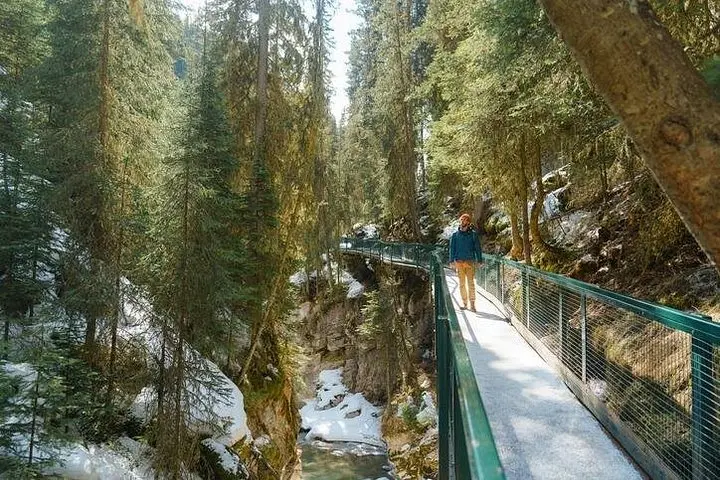
In eight efficient hours, experience the turquoise drama of Lake Louise and the cathedral-like icefalls of Johnston Canyon. This guided shuttle day trip from Banff/Canmore combines easy access, crisp winter scenery, and practical guidance for a high-reward Rockies outing.
 Related story
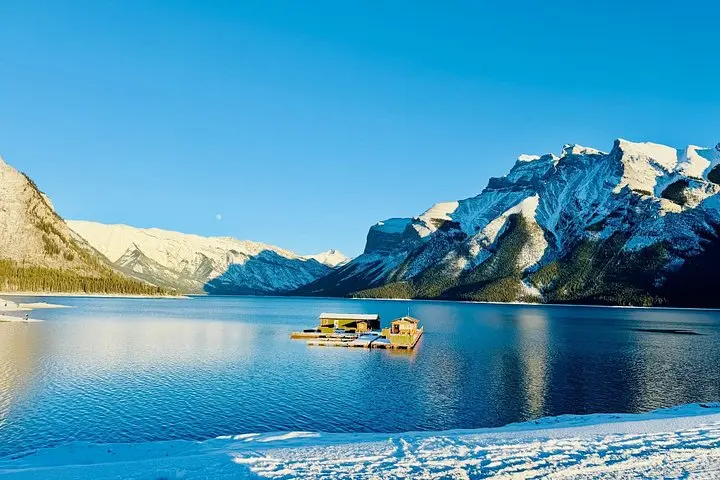
See Banff’s signature overlooks and hidden lakes in one compact, expertly guided 2.5-hour loop. Perfect for short-stay travelers who want big scenery without the driving.
 Related story
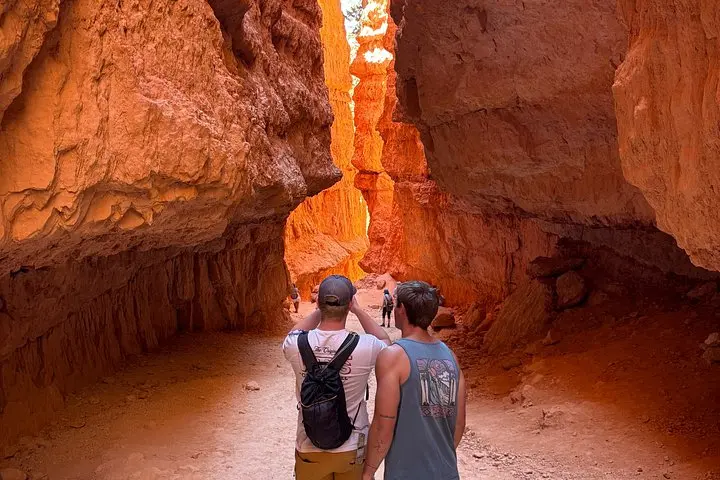
A guided sunrise hike down the Navajo Loop turns Bryce Canyon’s hoodoos from postcard scenery into an intimate geology lesson. Three miles, expert narration, and unforgettable light—this tour is the quickest way to understand how ice, time, and wind carved a city of stone.