
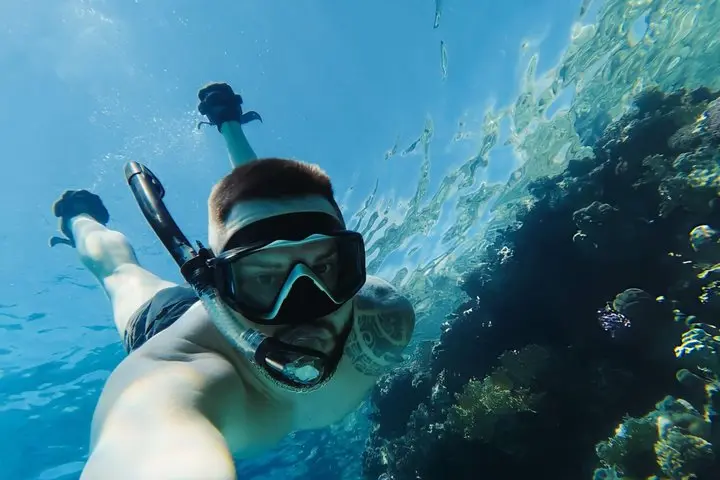
What the day feels like
You feel the engine ease, the harbor receding, and then the sea takes over its own rhythm. The boat slides into a band of blue that changes every minute—cobalt, turquoise, bottle green—until a string of low, sandy islands appears on the horizon like punctuation in an endless paragraph. On a clear morning from Hurghada, this is your permission to slow down: three islands, a few good snorkeling stops, a seafood lunch and a full day of uncomplicated sea time.
The itinerary is simple but carefully calibrated. Most full-day departures spend roughly eight hours moving between New Amwaj Island, Magawish Island and the so-called Maldives Island, breaking the day into swims, beach time and two dedicated snorkeling sessions. There is an efficiency to the order: the captain reads wind and current, places the boat where the reef is healthiest and gives people time to breathe between dives into blue water. Onboard, a hot seafood-and-chicken lunch appears—grilled fish, rice, baked potatoes, fresh salads and seasonal fruit—served under a shaded canopy while music hums and phones vanish into pockets.
Geology gives this region its palette. The Red Sea is a young rift, a narrow corridor of saltwater created by the same tectonic forces that split continents. That rifting created steep reef walls and isolated shoals, and the coral gardens that fringe these islands are both fragile and prolific. Historically, Hurghada itself is a story of transformation; once a modest fishing village on Egypt's Red Sea coast, it has become a global gateway for divers and day-trippers while still retaining a working maritime culture. Local fishing boats and the newer safari-style vessels coexist—one tradition harvesting from the sea, the other inviting visitors to witness it.
There is an immediacy to the island experience. Sand underfoot is warm; the water dares you with its clarity. Snorkeling here is approachable—reefs are shallow in places and teeming with parrotfish, butterflyfish and clownfish. The operator supplies basic snorkeling gear, but bringing a personal mask ensures a better seal and clearer photos. Expect schools of colorful fish and wide swaths of coral; patch reefs and bommies create natural swim routes that feel like underwater trails.
Practicalities matter: this is a full-day outing of about eight hours (480 minutes), with time split between cruising, island stops and snorkeling. The trip price starts attractively low and scales with extras; the most cost-effective options typically include transport from Hurghada hotels, lunch, snorkel gear and bottled water. For many travelers this is an ideal half-escape—close enough to town to remain convenient, far enough from shore to feel like a real day at sea.
Timing is everything. Mornings bring calmer seas and better visibility; by late afternoon wind can pick up and the water becomes more choppy. If you want glassy conditions for underwater photography, aim for an early departure and request the calmer anchorages from your captain. Sun protection is not optional: the Egyptian sun is relentless and reflection off the water doubles exposure.
On the cultural side, keep a sense of curiosity and respect. The Red Sea coast is a working environment for fishermen and boatbuilders. Bring local currency for small purchases onshore—some islands host vendors selling cold drinks or hand-made trinkets—and tip liberally for good service. If you want to extend the day ashore, Hurghada's Marina district offers fresh-grilled seafood and waterfront cafes where you can swap stories and rinse off salt and sand.
For travelers who want a balanced day: this trip is family-friendly but mindful of motion sickness for first-time boaters; it’s sociable (shared tables at lunch) and low on technical requirement—no scuba certification required. The operator's instant confirmation and included pick-up make logistics painless, and the mix of action and relaxation suits both novice snorkelers and people who want plush, low-effort maritime time.
If the sea calls to you, this is a tidy way to answer. For a deeper dive into timing, local tips and what to bring, check out this detailed trip page for bookings and local guidance: <a href="https://app.advcollective.com/local-experts/orange-bay-island-day-trip-from-hurghada-snorkeling-beaches-water-sports">Hurghada 3-island boat trip</a>. It’s the kind of day that doesn’t try to exhaust the ocean; it invites you to step into it—one reef, one beach, one perfect lunch at a time.
Trail wisdom
Small choices, better day.
Book Early, Sit Forward
Reserve a forward-side seat for the cleanest views and quickest access to the ladder at swim stops.
Bring Reef-Safe Sunscreen
Regular sunscreens damage coral; choose mineral-based, oil-free formulas and reapply judiciously.
Pack a Light Dry Bag
Store valuables and a spare towel—wet phones and wallets are the day’s most common casualties.
Prepare for Motion
If you get seasick, take a preventative med an hour before departure and sit in the middle of the boat near the waterline.
Local knowledge
Read the place, not just the route.
Watch for native species including Parrotfish, Clownfish and assorted reef butterflyfish.
Keep an eye out for wildlife during the transition between areas and habitats. Respect distance guidelines.
Coral reefs here are fragile; choose reef-friendly operators, avoid touching coral and use biodegradable sunscreen to reduce chemical stress to reefs.
Follow the guide's instructions on size limits, ethical handling, and leave-no-trace practices.
Early-morning anchors where reef fish are most active. Small sand spits on the leeward side of Maldives Island for private picnicking
Locally recommended viewpoints and quiet spots known best to local operators.
Hurghada evolved from a fishing village into a major Red Sea resort; islands nearby were historically used as seasonal fishing and navigation landmarks.
Maritime roots and regional tradition shape the waterways and working coasts.
Seasonal guide
Four versions of the same landscape.
Spring
Best forCalm seas · Great visibility · Mild temperatures
ChallengesOccasional wind · Busy holiday weekends
Spring offers pleasant air and water temps with excellent visibility for snorkelers and comfortable deck time.
Summer
Best forWarmest sea temperatures · Long daylight hours · Vibrant marine activity
ChallengesHigh heat · Stronger midday sun · Occasional choppier seas
Summer gives warm water and abundant marine life but demands rigorous sun protection and early starts to avoid peak heat.
Fall
Best forBalanced temperatures · Cleaner water after summer storms · Less crowded beaches
ChallengesVariable winds · Shorter days late in season
Fall is often the sweet spot—warm water and thinning crowds make for comfortable full days on the islands.
Winter
Best forCooler air temperatures · Lower humidity · Quieter excursions
ChallengesCooler water temps · Occasional northerly winds
Winter is quieter and cooler; bring a light wetsuit if you plan long snorkeling sessions.
Operator details
What the booking data adds.
Included
- ✓Maldives White Island
- ✓Fruits
- ✓Magawish Island
- ✓Use of Snorkelling equipment
- ✓Snacks & Drinks
- ✓Lunch: Sea Food, Chicken, Fish, Rice, 6+ Salads and More!
- ✓Soft Drinks, Water, Coffee and Tea
- ✓Hotel Pick up & Drop off
- ✓New Amwaj Island Visit
- ✓Snorkeling Stop
Not included
- —Transfer from (El Gouna , Makadi , Sahl Hasheesh) Hotels extra charge €5 per person.
- —Transfer from (Safaga , Soma Bay) Hotels extra charge €10 per person.
- —Governmental Fees: 10 EUR
Good to know
- ✓Wheelchair accessible
- ✓Infants and small children can ride in a pram or stroller
- ✓Public transportation options are available nearby
- ✓Specialized infant seats are available
- ✓Transportation options are wheelchair accessible
- ✓Suitable for all physical fitness levels
Pack with intention
What to bring.
Good to know
Common questions.
The full-day cruise is about eight hours (480 minutes) including transfers, island stops and snorkeling sessions.
Plan the edges
The details that make the day easier.
The Red Sea supports more than 1,200 species of fish and has a high level of endemism; roughly 10 percent of its reef species are found nowhere else.
After the boat, head to Hurghada Marina for grilled fish and mezze, or explore El Dahar for local Egyptian street food and karkadeh (hibiscus tea). Pick a waterfront cafe to watch the sunset and dry salt from your skin over a cold drink.
- Closest airport
- Hurghada International Airport (HRG). Typical driving time from central Hurghada hotels: 15–30 minutes. Cell service: reliable near shore, patchy while offshore. Permits: none required for day trips; operator handles marine regulations and safe anchoring.
This area has delicate coral habitats—don’t touch or stand on reefs, use reef-safe sunscreen, and pack out all trash. Choose operators committed to low-impact anchoring and local conservation programs.
Explore by topic
Follow the threads.
Keep exploring
Make the story part of the trip.
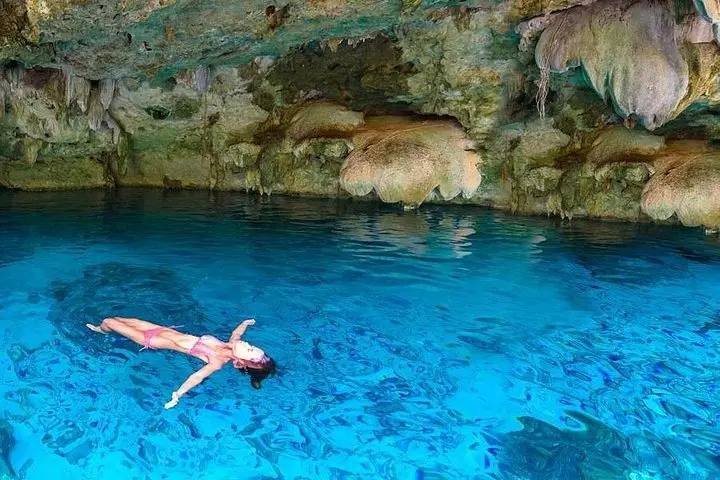 Related story
Dive into the Yucatán’s secret freshwater caverns and drift over the shallow reef gardens of Yalku Lagoon—an accessible, half-day snorkel pairing that blends geology, Mayan history, and vivid marine life.
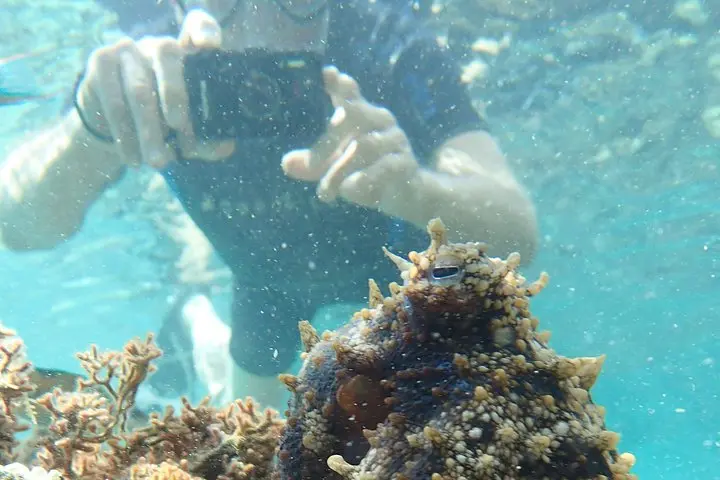 Related story
Slip beneath Porto Santo’s sunlit surface to find a mosaic of seagrass meadows, volcanic shelves, and playful schools of fish. This three-hour snorkeling tour pairs small-group access with local stewardship—ideal for travelers who value marine life over crowds.
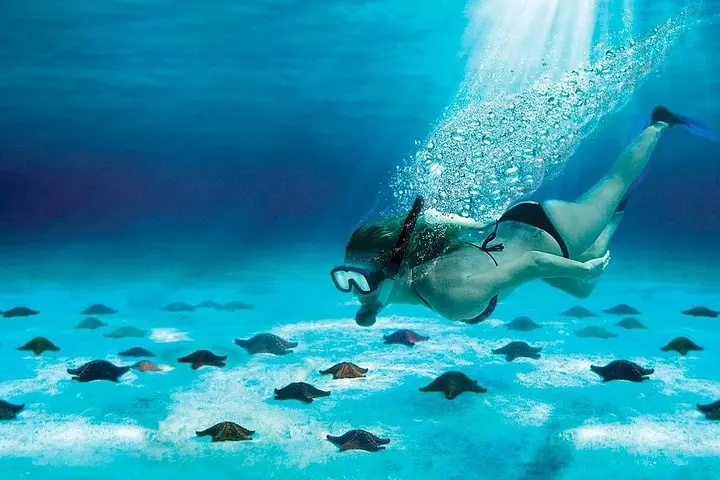 Related story
Spend a day on a high-speed boat exploring Cozumel’s famed reefs and the shallow sand flats of El Cielo. This full-day trip offers clear water, abundant marine life, and guided snorkeling at three prime sites—ideal for both first-timers and seasoned reef lovers.