
What the day feels like
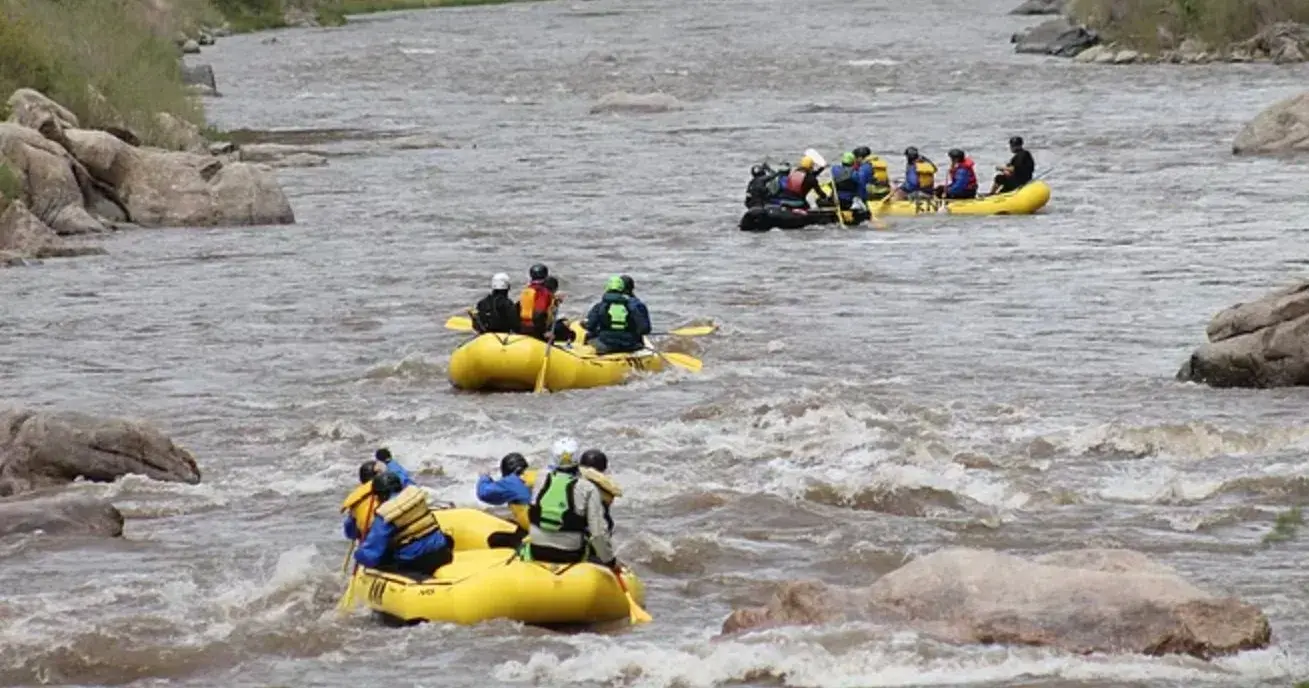
Sun slices into the canyon one facet at a time, a slow reveal across slabs of polished granite. You stand on the bank of the Arkansas River, life jacket snug, paddle cool under your palm. Upstream, the river clears its throat against a rib of stone and surges forward, daring you to keep pace. Guides call the rhythm—forward two, hold—and the raft slides into the current. Bighorn Sheep Canyon wastes no time introducing you to its mood: playful, fast, and strong-willed, with standing waves that box and feint and then grin as they let you through.
This full-day run stitches together two of Colorado’s most iconic river sections: Bighorn Sheep Canyon and the Royal Gorge. It’s eight hours of moving water, canyon light, and the steady drum of whitewater under a high desert sky. The first push—about 10 miles from Pinnacle Rock to Parkdale—sets the tone. Class III rapids stack up like dominoes, each with a personality. The Arkansas nudges you into the meat of the wave train, slaps the tubes, and sweeps you into calm pools where the Sangre de Cristo foothills tilt toward the horizon. Somewhere between the splash and the glide, you settle into the cadence of paddle strokes and canyon echoes.
On shore at Parkdale, a custom fajita lunch unlocks the afternoon. Tortillas steam, peppers hiss on the griddle, and your muscles reset for the main event. The river narrows, granite shoulders closing in as you enter the Royal Gorge, a geologic story written in verticals. For millions of years, the Arkansas River has cut through uplifted Precambrian rock—hard, stubborn stone that forced the water to sharpen and persist. The result: a slot of a canyon with 1,100-foot walls and the nation’s highest suspension bridge vaulting the rim, a 1929 feat of engineering that still startles the eyes. When you slide beneath it, the bridge seems to watch, a sentinel as the current surges beneath you.
The history here is as layered as the rock. Ute people moved the season’s beats through this valley long before rail and road arrived. In the late 1870s, the Royal Gorge War pitted two rail giants against each other for the right-of-way in this narrow throat of stone, a battle ultimately won by the Denver & Rio Grande. The elegant Hanging Bridge—bolted to a single rock abutment where there’s barely room for track—still clings to the walls, a reminder that ingenuity often has to negotiate with geology.
Wildlife still writes its own daily script. Bighorn sheep navigate ledges with quiet confidence; golden eagles circle thermals as the afternoon warms; canyon wrens pour out their descending song. You move through their living room as a respectful guest. The river approves of your restraint and rewards it with clean lines through the tongue of a rapid.
For a full-day adventure that blends adrenaline with scenery, it’s hard to beat this stretch of the Arkansas. It’s also approachable. While you’ll paddle through a sequence of Class III features (and feel the river’s strength in the Gorge), you’re in the hands of seasoned guides who keep the team tight, the commands clear, and the timeline dialed. Minimum age is 16, and you meet promptly at 8:00 a.m. in Buena Vista for check-in and shuttle. A minimum of five guests is required to book; once your raft is set, the river takes care of the rest.
Expect about three hours on the water in the morning and a similar run after lunch, with the shuttle and transitions rounding out the day. Water temps are snowmelt-cold in spring and early summer—refreshing in July, bracing in May—so synthetic layers win. Quick-dry shorts, a sun hoody, and secure water shoes make the day comfortable. Bring sunglasses with a retainer, sunscreen, and a towel and dry clothes for the ride back.
If you want to study the route and get a feel for the flow, connect with trusted local experts who know this water intimately. Start with this guide to Bighorn Sheep Canyon and Royal Gorge rafting from Buena Vista and beyond: https://app.advcollective.com/local-experts/bighorn-sheep-canyon-royal-gorge-rafting-buena-vista. You’ll find insights on seasonal levels, what first-timers can expect, and how the canyon’s character shifts as flows rise and fall. Planning a trip in peak season? Bookmark the same resource for up-to-date, on-the-ground advice and a quick primer on the differences between the morning’s friendly wave trains and the Gorge’s tighter, punchier moves.
The Arkansas is a teacher. It nudges the raft back on line when your angle drifts and insists that you paddle together. It asks for attention, then rewards it—an eddy to regroup, a glassy chute to slice, a view that stops conversation as the Royal Gorge Bridge casts its thin arc across the sky. By the day’s end, you’ve read a chapter or two of river language and learned how the canyon conducts a group of strangers into a team. You step off the raft sun-dusted, a little salty at the edges, already replaying the turn-in at the top of a favorite rapid.
Practical details matter, too. This route’s sweet spot is late spring through summer; May and June are big and lively, while July and August smooth out into dependable flows and warmer water. Shoulder season days—September into early October—often deliver quiet banks, crisp air, and clear light. Cell service fades fast once you’re in the canyon, so finalize logistics before rolling out. Your outfitter provides helmets, PFDs, and river gear; you bring energy, curiosity, and a willingness to paddle in sync.
When it’s all said and done, the Arkansas pushes on without you, headed east, carving one more millimeter from those granite walls. The river moved you for a day. Tomorrow, it will do what it has always done—lean into the stone and keep going. You’ll feel that pull when you’re back in town, and it might just draw you here again.
More planning intel and local advice: https://app.advcollective.com/local-experts/bighorn-sheep-canyon-royal-gorge-rafting-buena-vista
Trail wisdom
Small choices, better day.
Dial in your layers
Synthetic tops and quick-dry shorts beat cotton every time—add a light fleece or neoprene layer in spring when snowmelt keeps water temps cold.
Lock down your eyewear
Use a retainer strap for sunglasses and skip loose hats—waves in the Gorge have a way of collecting souvenirs.
Hydrate before you launch
Drink water before you hit the raft and carry a bottle; dry air and sun at altitude sneak up fast.
Listen for clean lines
Your guide’s commands keep the raft precise—forward, back, and high-side are your vocabulary for the day.
Local knowledge
Read the place, not just the route.
Watch for native species including Rocky Mountain bighorn sheep, Peregrine falcons.
Keep an eye out for wildlife during the transition between areas and habitats. Respect distance guidelines.
This corridor is part of the Arkansas Headwaters Recreation Area—pack out everything, avoid trampling riparian plants, and follow Clean, Drain, Dry protocols to prevent aquatic invasive species.
Follow the guide's instructions on size limits, ethical handling, and leave-no-trace practices.
Hanging Bridge viewpoint from the Royal Gorge Route Railroad. Skyline Drive above Cañon City for a quick ridge-top cruise
Locally recommended viewpoints and quiet spots known best to local operators.
The late-1870s Royal Gorge War between rival railroads decided the narrow canyon’s right-of-way; the solution included the innovative Hanging Bridge pinned to a single rock wall.
Maritime roots and regional tradition shape the waterways and working coasts.
Seasonal guide
Four versions of the same landscape.
Spring
Best forHigh flows · Cooler temps
ChallengesCold water · Stronger hydraulics
May–June bring lively snowmelt and crisp mornings. Expect punchier hits in the Gorge and dress warmer.
Summer
Best forStable flows · Warm weather
ChallengesMidday heat · Crowds on weekends
July–August are prime for first-timers with consistent levels and warm air. Start early and protect from sun.
Fall
Best forFewer crowds · Golden light
ChallengesLower flows · Cooler mornings
September offers quieter banks and clear water. Technical lines are more precise; bring an extra layer.
Winter
Best forSolitude from the rim · Bridge views
ChallengesLimited outfitter operations · Cold conditions
Commercial rafting typically pauses; enjoy scenic overlooks instead and plan your river day for spring or summer.
Pack with intention
What to bring.
Good to know
Common questions.
No. This guided trip is suitable for adventurous first-timers who can swim and follow paddle commands.
Plan the edges
The details that make the day easier.
The Royal Gorge Bridge, completed in 1929, spans 955 feet above the Arkansas River and was the world’s highest suspension bridge for over 70 years.
After your run, head to Cañon City for tacos and a pint at World’s End Brewing or pizza at Pizza Madness. Back in Buena Vista, Eddyline Brewery fires excellent post-river pies and local ales. If you’ve got time, stroll the Arkansas Riverwalk near Cañon City for an easy cooldown and bird watching.
- Closest airports
- Colorado Springs (COS ~1.5 hours to Cañon City), Denver (DEN ~2.5 hours). Meet at 515 US-24, Buena Vista at 8:00 a.m.; outfitter provides shuttle to river put-in and takeout near Cañon City. Drive time BV to Parkdale
You’re rafting a heavily used section of the Arkansas within the Arkansas Headwaters Recreation Area—pack out trash, use provided restrooms at access points, and give wildlife wide berth. Rinse and dry river shoes and gear after your trip to curb the spread of invasive species.
Explore by topic
Follow the threads.
Keep exploring
Make the story part of the trip.
 Related story
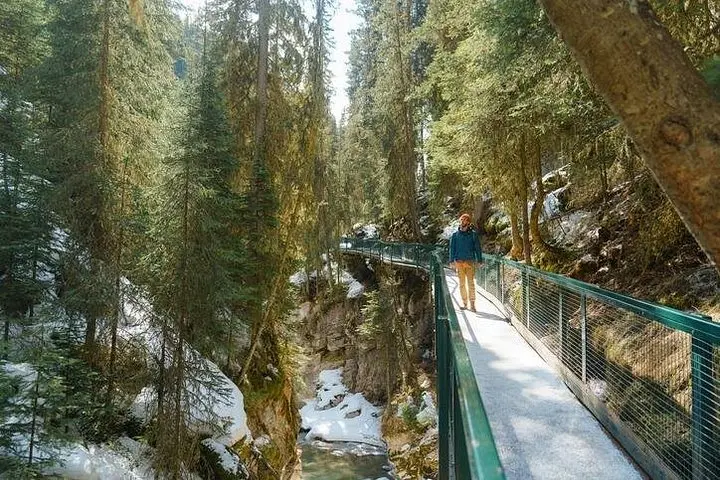
In eight efficient hours, experience the turquoise drama of Lake Louise and the cathedral-like icefalls of Johnston Canyon. This guided shuttle day trip from Banff/Canmore combines easy access, crisp winter scenery, and practical guidance for a high-reward Rockies outing.
 Related story
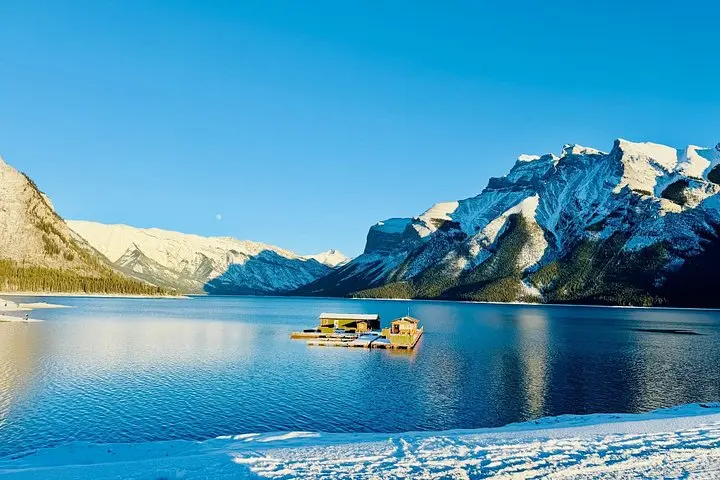
See Banff’s signature overlooks and hidden lakes in one compact, expertly guided 2.5-hour loop. Perfect for short-stay travelers who want big scenery without the driving.
 Related story
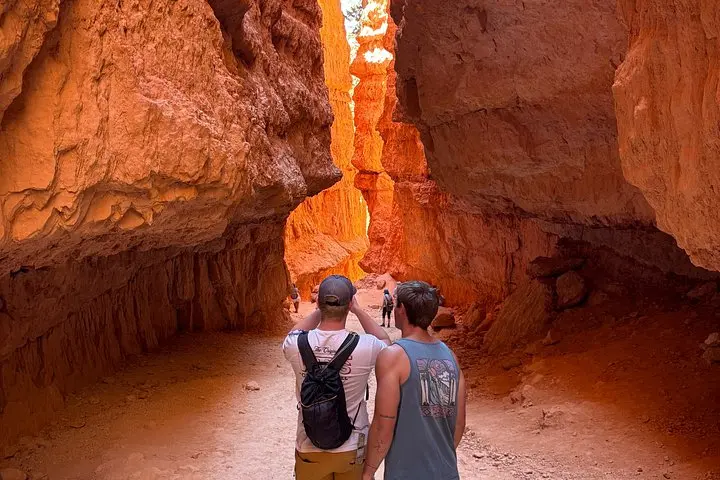
A guided sunrise hike down the Navajo Loop turns Bryce Canyon’s hoodoos from postcard scenery into an intimate geology lesson. Three miles, expert narration, and unforgettable light—this tour is the quickest way to understand how ice, time, and wind carved a city of stone.