
What the day feels like
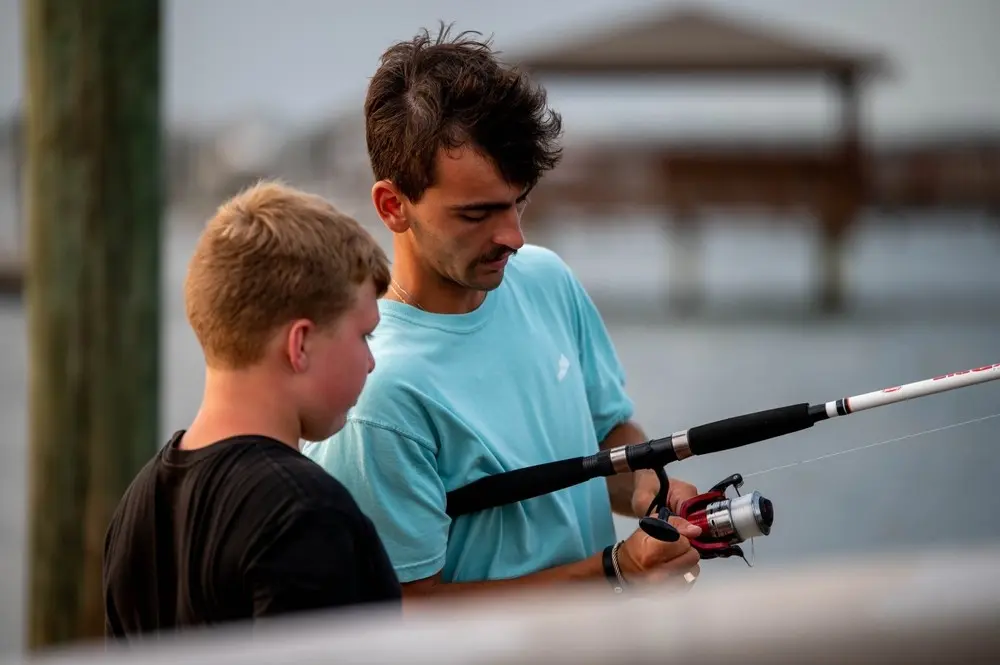
The marsh wakes slowly, yawning out a tide that smells of salt and pluff mud while spartina grass combs the breeze like green piano strings. The 21-foot Parker noses off the dock and into Broad Creek, its hull a quiet heartbeat against the morning. Great egrets patrol the edges. A dolphin surfaces, exhales, and vanishes as if winking you into the day. The captain nudges the throttle, and the creek unfurls—a sinuous water road into the Lowcountry’s working soul. Here, the tide calls the shots. It dares you to read its moods, to find the seams where baitfish funnel and predators wait. That’s the game with Island Head Inshore Fishing: slip into the marsh, listen to the water, and match wits with redfish, speckled trout, flounder, and even small sharks that cruise these tea-colored channels. It’s accessible, exciting, and surprisingly intimate—an adventure where your casting distance matters more than any measure of bravado.
On an Island Head charter, you step into a focused version of the Lowcountry. The gear is ready, rigs dialed, and the hunt begins within minutes of leaving the dock. One moment you’re drifting past oyster mounds that climb like knuckles from the mud; the next, you’re easing into a flat where redfish tail like copper coins turning in shallow water. The current has personality here. It pushes, it whispers, it argues, and then it opens a door—a slick line along a grass edge, a ruffle of nervous bait ticked by speckled trout. The trick is to cast ahead of where the current wants to take your lure. Let the flow do the work while you keep the line tight and the rod ready.
Hilton Head’s estuary network is a living machine. Twice a day, tides flush the marsh, feeding everything from blue crabs to porpoising dolphins. That nutrient-rich churn drives a year-round fishery. In cool months, redfish school on the flats and cluster around structure; in spring, trout slide back onto points and creek mouths; summer brings life to every channel—sharks patrolling, ladyfish aerobatics, and flounder ambushes along the edges. Fall is the sweet spot for many anglers, when bait is abundant and the water turns gin-clear after summer’s bloom. Regardless of season, Island Head adapts. Whether you book a short three-hour primer or stretch into a six- or eight-hour push, the crew sizes up the tides and picks a program: popping corks over oysters, jig heads crawling the bottom, live bait slipping under the grass. No experience is necessary, just a willingness to learn and a good pair of polarized sunglasses.
Beyond the fish, the story here is layered. Hilton Head sits within the Gullah-Geechee Cultural Heritage Corridor—a mosaic of history, language, and traditions shaped by West African descendants who stewarded this coast long before resorts reframed the shoreline. The marsh you glide across is as much a cultural landmark as a natural one. Its creeks once ferried rice, oysters, and story. Today, the same waters give you a front-row seat to bottlenose dolphins practicing strand-feeding, a hunting technique unique to the Lowcountry where they work together to push fish onto exposed banks. Keep your camera ready; the marsh likes to perform without notice.
Geology writes the rules here too. Barrier islands, fickle sandbars, and those vast, breathing marshes create habitat complexity that keeps anglers guessing in the best way. Oyster rakes filter the water and build their own fortresses—fish magnets at every stage of the tide. Spartina glows blonde in late afternoon, and as the sun drops, the world seems to inhale, settling into a twilight calm that makes a speck’s topwater strike feel like a firecracker in your hands.
Part of the charm of an Island Head charter is the clean, practical ease of it: rods, reels, tackle, bait, ice, waters, and all licenses are included. Fish are cleaned and bagged if regulations allow and you want to take dinner home. The team brings regional savvy and a measured approach—quick to celebrate your first cast, but equally ready to talk conservation and the importance of releasing overslot fish to keep the fishery strong. It’s a balanced experience: a primer for newcomers, refined enough for old hands chasing a personal-best red.
To time your trip well, think like a tide chart. Early mornings beat summer heat and boat traffic; late afternoons can be magic when the wind lays down. Fall and early winter bring excellent clarity and cooperative fish; spring sees strong trout action around moving water; summer shines for family trips and mixed-bag fun. However you slice it, choosing a charter length that matches your goals—three to four hours for a family introduction, five to six for a focused session—is smart. For more details or to reserve a spot, tap into the local expertise at Island Head via this guide to <a href="https://app.advcollective.com/local-experts/inshore-fishing-island-head-broad-creek">Island Head Inshore Fishing</a>. You’ll find a helpful overview of <a href="https://app.advcollective.com/local-experts/inshore-fishing-island-head-broad-creek">inshore fishing on Hilton Head</a> and what to expect.
What stands out most is the rhythm. The day breathes with the water’s lift. Currents shoulder through oyster breaks; bait showers on the surface; a cork hesitates, then disappears. The rod bends and chatter from the marsh quiets into concentration. You lift, the line sings, and a redfish thumps back in honest disagreement. Here, in the wide Lowcountry light, you are part of the argument—the tide making its case, the fish pushing back, and you answering with a cast. And that’s the real reason to go: not to conquer a place, but to join it, for a morning or an afternoon, and come away with a story that smells faintly of salt and victory.
If you’re ready to chase tails on Broad Creek, let the Island Head crew put you on the bite. They know when the current coyly holds back and when it shouts. Bring your sun sense, your curiosity, and your patience. The marsh will do the rest. Start planning here with <a href="https://app.advcollective.com/local-experts/inshore-fishing-island-head-broad-creek">Island Head Inshore Fishing</a>.
Trail wisdom
Small choices, better day.
Fish the Tide, Not the Clock
Ask your captain which tide phase will be best for your targets—moving water often means better action than slack.
Polarized Sunglasses Matter
They cut glare so you can spot oyster edges, bait flickers, and tailing reds. Amber or copper lenses work well over tannin-stained water.
Cast Ahead of the Drift
Place your lure where the current is taking it, not where it is. Let the tide carry your presentation naturally.
Mind the Oyster Rakes
Oysters are fish magnets—and lure eaters. Lift the rod tip and keep steady pressure to avoid cut-offs on shell edges.
Local knowledge
Read the place, not just the route.
Watch for native species including Bottlenose dolphins, Osprey and great egret.
Keep an eye out for wildlife during the transition between areas and habitats. Respect distance guidelines.
Practice selective harvest and release overslot fish to sustain the fishery. Avoid stepping on oyster rakes and pack out all trash to protect sensitive marsh habitats.
Follow the guide's instructions on size limits, ethical handling, and leave-no-trace practices.
Pinckney Island National Wildlife Refuge trails for a post-trip stretch and birding session. A quick idle to a mid-tide oyster point where dolphins often strand-feed—ask your captain if conditions are right
Locally recommended viewpoints and quiet spots known best to local operators.
Hilton Head lies within the Gullah-Geechee Cultural Heritage Corridor, reflecting deep Lowcountry traditions tied to tidal marshes and barrier islands.
Maritime roots and regional tradition shape the waterways and working coasts.
Seasonal guide
Four versions of the same landscape.
Spring
Best forSpeckled trout on moving water · Redfish along grass edges
ChallengesVariable weather fronts · Pollen and spring winds
Active, transitional fishing with trout returning to creek mouths and reds cruising flats. Mornings and late afternoons are productive.
Summer
Best forFamily-friendly mixed-bag action · Shark fishing in warmer creeks
ChallengesHeat and humidity · Afternoon thunderstorms
Abundant life in the marsh with steady action. Plan early starts or sunset trips to beat heat and boat traffic.
Fall
Best forClear water sight-fishing for reds · Trout along oyster points
ChallengesStrong tidal swings · Occasional northeaster winds
Prime inshore season with bait-rich creeks and crisp mornings. Clarity improves and fish feed aggressively.
Winter
Best forSchooling redfish on sunny flats · Quiet, low-traffic days
ChallengesCold fronts pushing fish deeper · Shorter daylight windows
A stealthy, rewarding time to hunt big schools of reds. Midday warmth often delivers the best bite.
Pack with intention
What to bring.
Good to know
Common questions.
No. All required licenses are covered under the charter, so you can step aboard and fish immediately.
Plan the edges
The details that make the day easier.
Bottlenose dolphins in the Hilton Head area are known for strand-feeding—cooperatively pushing fish onto mudflats—a rare behavior observed in only a few places worldwide.
After you dock, grab a waterside table at Hudson’s Seafood House on the Docks or Skull Creek Boathouse for just-caught platters and sunset views. For a casual craft beer, swing by Hilton Head Brewing Company. On Tuesdays, the Shelter Cove Farmers Market showcases local shrimp, produce, and Gullah-inspired treats.
- Closest airport
- Hilton Head Island Airport (HHH), ~15 minutes; Savannah
These saltmarsh estuaries are nurseries for countless species. Use circle hooks when appropriate, handle fish with wet hands, release overslot reds quickly, and keep wakes low near oyster rakes and shorebirds.
Explore by topic
Follow the threads.
Keep exploring
Make the story part of the trip.
 Related story
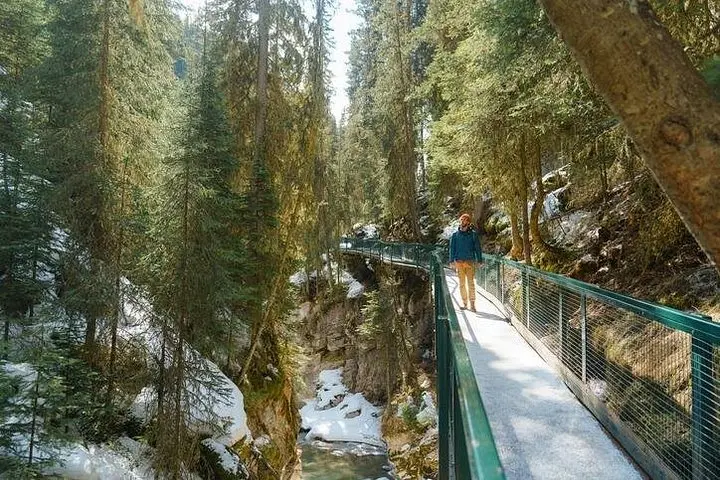
In eight efficient hours, experience the turquoise drama of Lake Louise and the cathedral-like icefalls of Johnston Canyon. This guided shuttle day trip from Banff/Canmore combines easy access, crisp winter scenery, and practical guidance for a high-reward Rockies outing.
 Related story
See Banff’s signature overlooks and hidden lakes in one compact, expertly guided 2.5-hour loop. Perfect for short-stay travelers who want big scenery without the driving.
 Related story
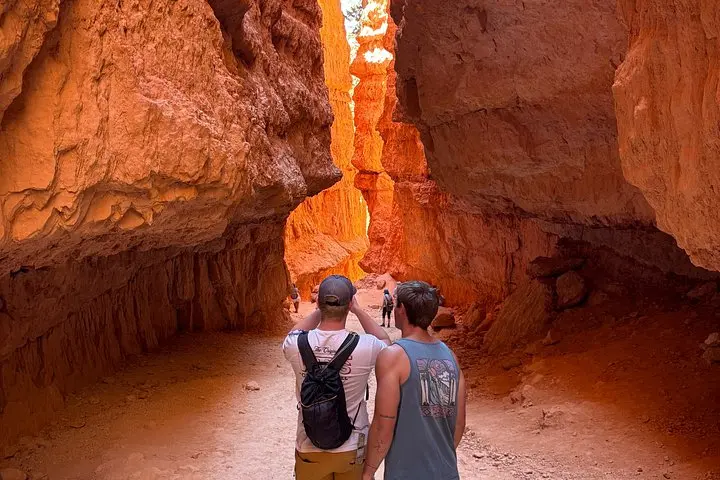
A guided sunrise hike down the Navajo Loop turns Bryce Canyon’s hoodoos from postcard scenery into an intimate geology lesson. Three miles, expert narration, and unforgettable light—this tour is the quickest way to understand how ice, time, and wind carved a city of stone.