
What the day feels like
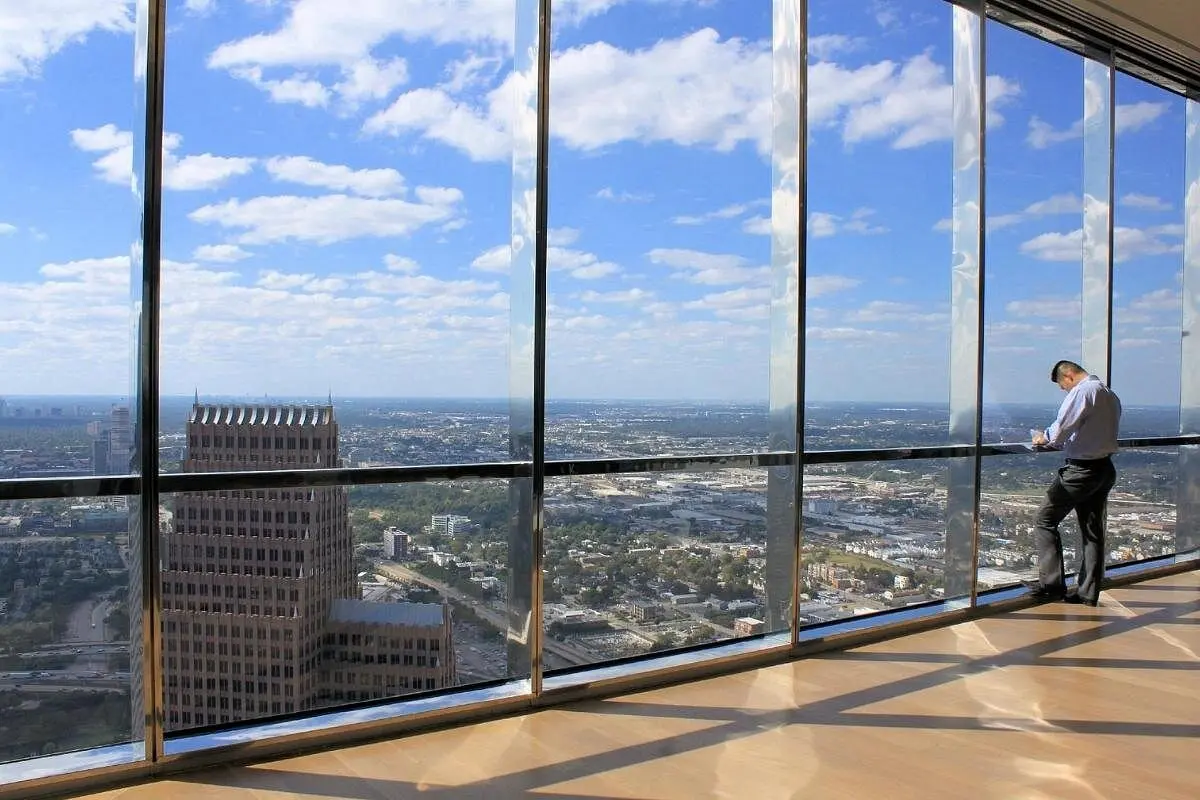
You don't expect skyscrapers to have reflections that ripple, but from a kayak on Buffalo Bayou the JP Morgan Chase Tower seems to shimmer like a mirage. Paddle strokes push you forward and the glass face of Texas' tallest building tilts and fractures into light. On one side, concrete and corporate logos stack into a skyline; on the other, willows hang low and turtles browse the bank. This juxtaposition—steel and swamp, boardroom and bayou—is the real draw of downtown Houston: a living city that insists you look at it from more than one angle.
Begin the story at Allen's Landing, where the city was first traded into being. Guides launch you from a small, leafy slip beneath the shadow of the stadium and the tower, and within minutes the soundscape shifts. Honking traffic softens into bird calls. Your guide points out the JP Morgan Chase Tower—75 stories and 1,002 feet of mirrored facade—the visual anchor of a downtown that was built and rebuilt around waterways, rail lines, and oil money. The paddle down Buffalo Bayou is as much an ecology lesson as it is a skyline tour: erosion scars the banks, invasive plants choke native sedges, and the bayou—once the city's highway—still carries the memory of Houston's beginnings.
If the tower is the city’s vertical punctuation, the downtown tunnels are its secret grammar. Spend an afternoon on an air-conditioned tunnel tour and you slide under Houston like a mole, past banks and murals, through a subterranean city that connects office towers, theaters, and restaurants. The tunnels are practical: they keep workers out of the August heat. They are also uncanny—an alternate downtown where holiday decorations can feel like set dressing and where you may stumble upon a hidden mural or a vintage car tucked into a glass atrium.
Culture here is layered. The food tour that threads through Market Square Park to the tunnels is proof: a single morning can serve Mexico City-style antojitos, Korean barbecue, Italian-American desserts, and Vietnamese bánh mì—Houston’s immigrant neighborhoods have folded into downtown’s plate the way oil shaped its skyline. Guides point to buildings, tell stories of boom-and-bust cycles, and explain how the bayou's floodplain dictated where and how the city could grow. Architecture is a shorthand for history: Art Deco banks, modernist slabs, and the reflective modernism of the JP Morgan Chase Tower all trace the city's shifting ambitions.
Geologically the city sits on a coastal plain—flat and porous—so 'elevation' on these trips is less about switchbacks and more about timing. Your challenge isn't slope so much as weather and timing: a sunset paddle transforms the skyline into a warm, golden silhouette while an August midday tunnel tour spares you humidity. Seasonality matters: the bayou runs fuller in wet months, making some sections swifter, while cooler months mean more comfortable paddling and clearer air.
Practicalities: the most common kayak trip is a two-hour skyline tour that covers several miles of Buffalo Bayou with minimal technical demand—no portages, no rapids, just steady paddling and some low bridges to navigate. Sunset tours run similarly timed but shift the experience: the city softens, lights pop on, and the tower moves from object to landmark. Tunnel tours are walking experiences—plan for roughly 60–90 minutes of level walking through air-conditioned passages and multiple building entries; a food-and-tunnel combination can take two to three hours with seated tastings.
Gear and comfort are straightforward: closed-toe water shoes for the kayak, sunscreen and a hat for midday starts, a light jacket for evening paddles, and a comfortable pair of walking shoes for the tunnels. Guides provide life jackets, basic paddling instruction, and local context—ask them about flood-control projects, the bayou restoration efforts, and where locals actually eat.
Safety and etiquette are simple city rules applied outdoors: wear a life jacket on the water, leave no trace on the banks, and be mindful of private property along the bayou. On the tunnels, follow your guide's direction and stay within public walkways—some sections lead into private lobbies. Finally, if you want a quiet experience, book a weekday morning paddle; for atmosphere, book a sunset trip or a weekend food tour when the city hums.
Why do this? Because seeing the JP Morgan Chase Tower from a distance is architecture appreciation; seeing it from a kayak is perspective. It forces you to reconcile Houston's contradictions—industrial might and ecological urgency, globalized cuisine and Texan infrastructure—while giving you a series of travel-size adventures: a paddle under the skyline, a walk beneath the city, and a meal that maps demographic history.
If you leave with anything, let it be an appreciation for a city that always looks different depending on where you stand. The tower is tall and immovable, but the way you meet it—by water, by tunnel, by table—changes everything.
Trail wisdom
Small choices, better day.
Book a sunset slot
Golden hour transforms the skyline—reserve a sunset kayak tour to see the JP Morgan Chase Tower silhouette and city lights come alive.
Bring a dry bag
Keep your phone, keys, and a light jacket in a small dry bag when paddling; launches are easy but splashes happen.
Stay cool in tunnels
Summer tunnel tours are air‑conditioned—wear layers so you’re comfortable moving between cool underground spaces and hot street level.
Respect the banks
Do not trespass onto private property along Buffalo Bayou and avoid leaving litter on sensitive shoreline habitats.
Local knowledge
Read the place, not just the route.
Watch for native species including great blue heron, river otter (occasional, more likely in quieter stretches).
Keep an eye out for wildlife during the transition between areas and habitats. Respect distance guidelines.
Local groups run restoration projects on Buffalo Bayou to stabilize banks, remove invasive species, and improve habitat—support responsible operators who follow Leave No Trace principles.
Follow the guide's instructions on size limits, ethical handling, and leave-no-trace practices.
Allen's Landing—the original port and a quiet launch point with historic markers. Small mural corridors along the bayou near downtown that reveal Houston's street-art scene
Locally recommended viewpoints and quiet spots known best to local operators.
Houston grew up around Buffalo Bayou and Allen's Landing; the bayou’s role as a transportation artery shaped downtown's earliest architecture and commerce.
Maritime roots and regional tradition shape the waterways and working coasts.
Seasonal guide
Four versions of the same landscape.
Spring
Best forMild paddles · Birdwatching · Blooming riverside foliage
ChallengesVariable rains · Occasional higher water levels
Spring brings comfortable temperatures and green banks but watch for post‑rain runoff which can make the bayou swifter and murkier.
Summer
Best forEvening sunset tours · Tunnel exploration · Late-night dining
ChallengesHigh heat and humidity · Frequent afternoon storms
Summer is best for tunnel and food tours to avoid heat, and for sunset paddles—plan for late starts to dodge midday heat and storms.
Fall
Best forClear skies · Comfortable paddling · Food festivals
ChallengesShorter daylight hours · Occasional cool fronts
Fall offers some of the clearest air and most comfortable paddling conditions—ideal for photographers and longer outings.
Winter
Best forCrisp skyline views · Less crowded tours · Urban walks
ChallengesCooler water temperatures · Chilly evenings
Winters are mild but brisk; a daytime paddle offers clear visibility of the tower while tunnels and indoor food tours remain comfortable options.
Pack with intention
What to bring.
Good to know
Common questions.
Most skyline kayak tours last about two hours and cover a few miles of Buffalo Bayou at a relaxed pace.
Plan the edges
The details that make the day easier.
JPMorgan Chase Tower in Houston is the tallest building in Texas at 1,002 feet and 75 stories (completed 1982).
Downtown Houston is a crossroads of cuisines—expect Tex‑Mex, Vietnamese, and Mexican City flavors within a few blocks; Market Square Park and nearby Midtown offer great post-tour dining options.
- Where
- Allen's Landing & downtown launch points. When: Tours run year-round; sunset slots fill fast. Cost: Varies by operator and package. Accessibility: Tunnels are mostly level; kayaks require basic mobility for entry
Choose operators who follow bayou restoration guidelines, pack out trash, and avoid disturbing shoreline vegetation; support local conservation groups working on Buffalo Bayou resilience.
Explore by topic
Follow the threads.
Keep exploring
Make the story part of the trip.
 Related story
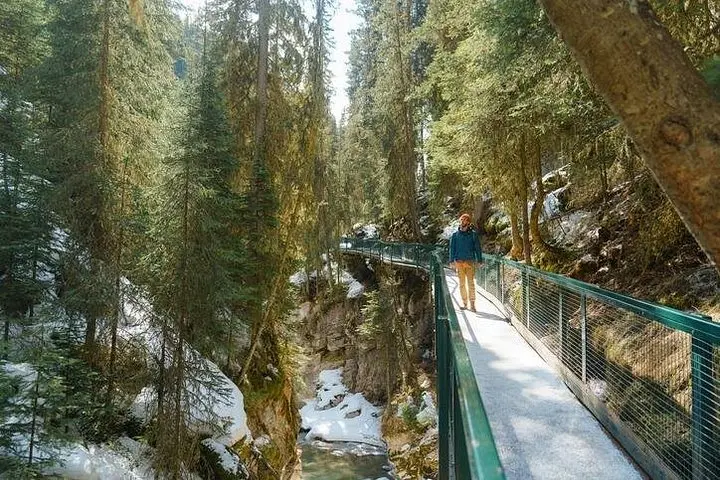
In eight efficient hours, experience the turquoise drama of Lake Louise and the cathedral-like icefalls of Johnston Canyon. This guided shuttle day trip from Banff/Canmore combines easy access, crisp winter scenery, and practical guidance for a high-reward Rockies outing.
 Related story
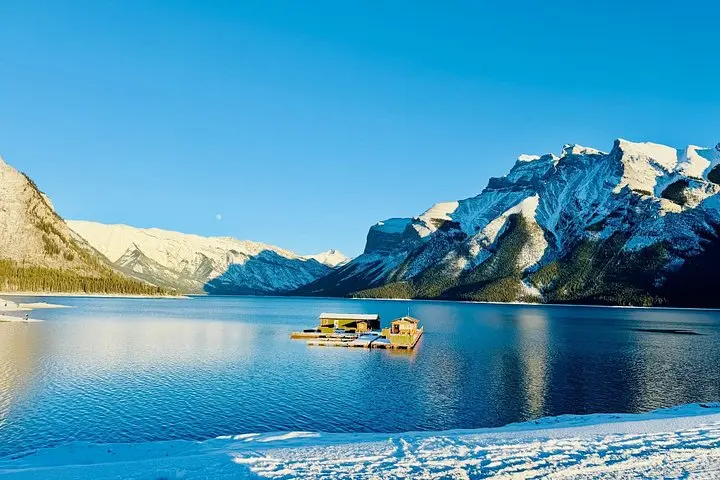
See Banff’s signature overlooks and hidden lakes in one compact, expertly guided 2.5-hour loop. Perfect for short-stay travelers who want big scenery without the driving.
 Related story
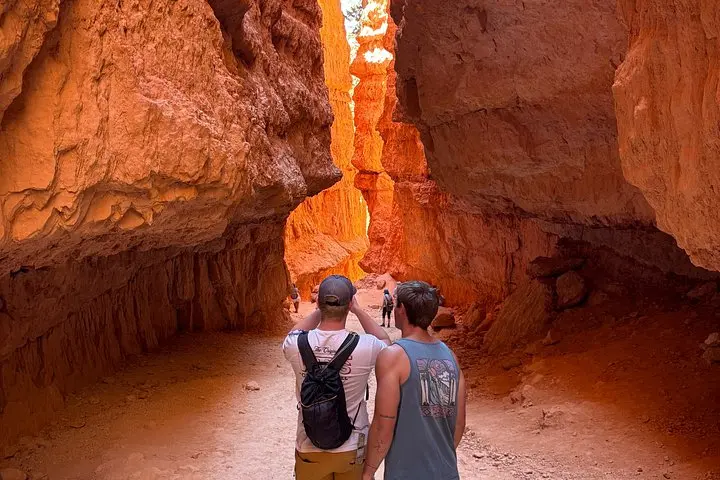
A guided sunrise hike down the Navajo Loop turns Bryce Canyon’s hoodoos from postcard scenery into an intimate geology lesson. Three miles, expert narration, and unforgettable light—this tour is the quickest way to understand how ice, time, and wind carved a city of stone.