
What the day feels like
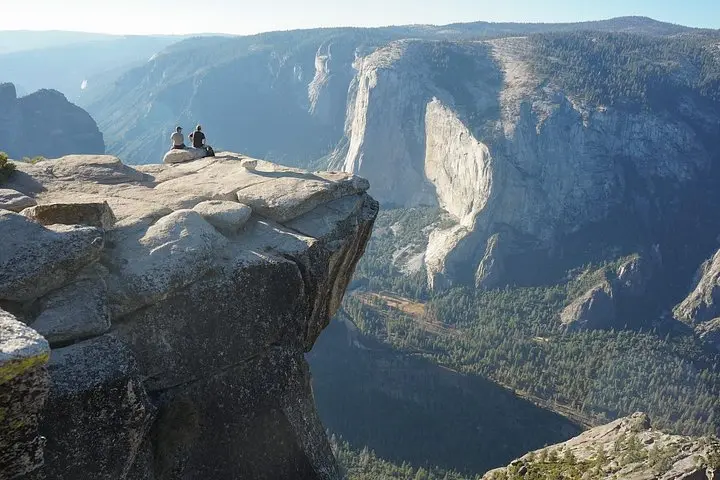
You step out of the shade and the valley opens like a held breath. Granite walls tilt up on either side—El Capitan’s clean face to the left, the knife-edge silhouette of Half Dome in the distance—while the air carries the constant, distant percussion of water finding its way downhill. For three hours, a guide leads you along what feels less like a trail and more like a timeline: striated rock that remembers ice, sequoias that remember fire, and stories of people who fought to protect this place. This is the pace of The Evolution of Yosemite 3-Hour Story Walk, an immersive naturalist hike that stitches geology, indigenous history, and conservation into a walk you can complete before lunch and still have the afternoon for more wandering.<a href="https://app.advcollective.com/local-experts/evolution-of-yosemite-3-hour-naturalist-hiking-tour">The Evolution of Yosemite 3-Hour Story Walk</a> doesn’t invent drama—the landscape provides it—but the guide gives you the script: how glaciers gouged the valley, how the Ahwahnechee lived here for millennia, how early conservationists like John Muir framed a national conversation that still echoes. Expect lively explanation and measured silence in equal parts: moments of storytelling are followed by long looks at galvanizing features—granite domes smoothing toward the sky, cliffs streaked with ancient lichen, waterfalls that change mood with the seasons.
Geology here reads like a primer on planetary patience. Yosemite Valley was carved by glaciers over hundreds of thousands of years; the polished surfaces and U-shaped hollows are evidence of ice’s slow, abrasive hand. The valley’s granite—the same rock that draws climbers from around the world to El Capitan and Half Dome—was born from molten intrusions and later exposed by uplift and erosion. Your guide will point out erratics and moraines and use simple metaphors to make these deep-time processes feel immediate. The trail also cuts through stories of human geography: the Ahwahnechee people who called the valley home, early European explorers, and the political battles that led to Yosemite’s protection and ultimately the creation of the National Park Service.
The walk is intimate by design. Instead of a daylong slog, this is a compressed, interpretive experience: three hours of paced hiking with frequent stops for explanation, questions, and photos. It’s an ideal primer for first-time visitors—those who want context before setting off on longer routes like the Mist Trail or Glacier Point hikes—or for repeat visitors who want a deeper story behind familiar sights. Guides weave cultural history into the landscape: how place names came to be, the seasonal movements and uses of local plants and animals, and the conservation battles that shaped park policy. Because the tour is interpretive and guided, it’s also a lower-impact way to experience sensitive areas: you learn what to look at, and what to leave alone.
Practicality sits beside poetry on this walk. It’s three hours long, falls into the moderate category, and moves on well-maintained valley trails with some uneven footing. You’ll want sturdy footwear, a water reservoir or bottles, and layers—Yosemite’s microclimates can swing from cool shade to blazing sun in the span of a mile. Timing matters: spring and early summer bring full-flowing waterfalls and the loudest season for streams; later in summer, the falls thin and the valley’s colors shift toward a warmer palette. Small-group sizes make for a more personalized experience, and with instant confirmation and frequent sellouts, booking ahead is recommended—especially on holiday weekends and peak spring bloom.
How to make the day better: arrive early and park or shuttle to the trailhead to avoid midday crowds; bring snacks and a camera with a wide-angle lens (the valley rewards scale shots); and let the guide lead—there’s a reason they stop in particular places to talk. After the walk, consider extending your curiosity at nearby natural sites or cultural points: visit Mariposa Grove’s giant sequoias, or explore Yosemite Valley Visitor Center exhibits for deeper context about the park’s flora, fauna, and stewardship.
This tour is both an introduction and an invitation. It asks you to notice—how water shapes, how people remember, how small acts of protection ripple out—and then it gives you the vocabulary to tell those stories later. For travelers who want the emotional charge of Yosemite without the logistical friction of long routes, the <a href="https://app.advcollective.com/local-experts/evolution-of-yosemite-3-hour-naturalist-hiking-tour">naturalist hiking tour</a> is an efficient, enriching way to spend a morning and leave feeling like you’ve carried off a real sense of place.
If you come prepared—solid shoes, layered clothing, water, and curiosity—you’ll leave with a clearer idea of why Yosemite matters, both in rock and in history. Guides will point you toward next steps on your own: longer hikes, photography vantage points, and quieter trails where the valley’s deeper rhythms are easier to hear. The walk is short but intentional; it’s a way to move through the park that treats each viewpoint as a lesson and each step as part of a larger, living story.
Trail wisdom
Small choices, better day.
Start early to beat crowds
Morning light softens the granite and trailheads are less busy—arrive 30–45 minutes before the scheduled departure.
Hydrate and carry snacks
Bring at least 1–2 liters of water and a light snack; the three-hour tour includes stops but not a full meal.
Dress in layers
Valley shade can be cool while exposed sections heat up; a light shell and base layer keep you comfortable.
Respect wildlife and plants
Observe animals from a distance, stay on designated trails, and don’t pick plants or approach sequoias’ root zones.
Local knowledge
Read the place, not just the route.
Watch for native species including Mule deer, Steller’s jay.
Keep an eye out for wildlife during the transition between areas and habitats. Respect distance guidelines.
Stay on established trails, pack out all trash, and follow park rules—these tours help minimize impact by keeping groups to designated routes and educating visitors about preservation.
Follow the guide's instructions on size limits, ethical handling, and leave-no-trace practices.
Wawona’s historic area and quieter meadow walks. Short detour to Cook’s Meadow for unobstructed views of Half Dome
Locally recommended viewpoints and quiet spots known best to local operators.
Yosemite’s protection owes much to early advocates like John Muir and the stewardship efforts that led to Yosemite becoming a national park in 1890.
Maritime roots and regional tradition shape the waterways and working coasts.
Seasonal guide
Four versions of the same landscape.
Spring
Best forWaterfalls at peak flow · Wildflower displays · Mild hiking temperatures
ChallengesMud on lower trails · Variable snowmelt runoff levels
Spring delivers roaring waterfalls and fresh growth; expect wetter trails and dynamic stream crossings.
Summer
Best forWarm, stable weather · Longer daylight for post-hike exploration · Easy access to higher trails
ChallengesCrowds and limited parking · Reduced waterfall flows late in season
Summer is predictable and warm but busy—arrive early to avoid the largest crowds.
Fall
Best forCrisp air and shifting colors · Fewer visitors · Clear light for photography
ChallengesCooling temperatures, especially in mornings · Shorter daylight hours
Fall offers quieter trails and great light; be prepared for cool mornings and brisk evenings.
Winter
Best forSnow-dusted vistas · Quieter trails and a different valley mood
ChallengesPossible road or trail closures · Cold temperatures and icy patches
Winter can be spectacular but unpredictable—check road conditions and dress warmly with traction-inclined footwear.
Operator details
What the booking data adds.
Included
- ✓Vehicle reservation permit
- ✓Kids scavenger hunt (upon request)
- ✓Expert local guide
- ✓Trekking Poles
Not included
- —Food and drinks
- —Hotel pickup/drop-off
- —Park Entrance Fees - $35 (per vehicle)
- —Additional National Park Entrance Fee (Non-U.S. Residents Only) USD 100.00 per person
Good to know
- ✓Not recommended for travelers with spinal injuries
- ✓Not recommended for pregnant travelers
- ✓Not recommended for travelers with poor cardiovascular health
- ✓Travelers should have at least a moderate level of physical fitness
- ✓The estimated step count for this tour is 6283
- ✓This tour is not wheelchair accessible
- ✓Please Note: National Park fees may apply for international visitors. If applicable, this fee is collected in-destination and not at the time of booking.
Pack with intention
What to bring.
Good to know
Common questions.
The tour lasts approximately three hours and is rated moderate—expect uneven trail sections and several short stops for interpretation.
Plan the edges
The details that make the day easier.
Mariposa Grove, part of Yosemite, contains over 500 mature giant sequoias, some of which are among the oldest living organisms on Earth.
After the walk, head to the Ahwahnee Dining Room for a sit-down meal or grab sandwiches and coffee at Degnan’s Deli. For a relaxed beer or local conversation, check out eateries and tasting rooms in nearby Mariposa or the small café at Yosemite Valley Lodge for quick refuel.
- Closest major airports
- Fresno Yosemite International (FAT) ~85–95 miles (1.5–2 hours) or San Francisco Intl (SFO) ~170–200 miles; Driving from Yosemite Village to common trailheads is short—many are within 10–20 minutes; Cell service in Yosemite Valley is patchy—plan offline; Park entrance fee required, no extra permit for this guided tour but check operator rules.
This tour emphasizes Leave No Trace practices—stay on marked trails, pack out waste, and avoid disturbing shoreline or root zones around sequoias to protect fragile ecosystems.
Explore by topic
Follow the threads.
Keep exploring
Make the story part of the trip.
 Related story
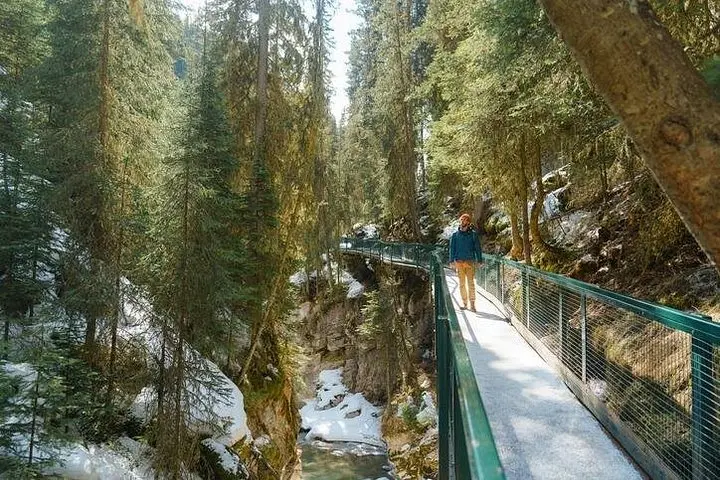
In eight efficient hours, experience the turquoise drama of Lake Louise and the cathedral-like icefalls of Johnston Canyon. This guided shuttle day trip from Banff/Canmore combines easy access, crisp winter scenery, and practical guidance for a high-reward Rockies outing.
 Related story
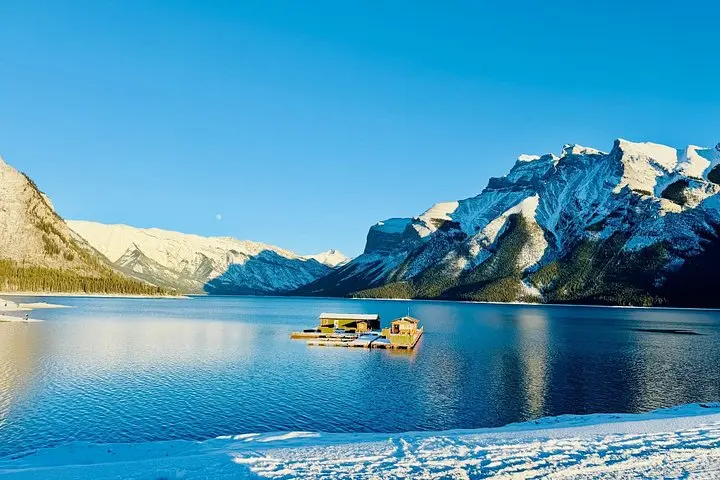
See Banff’s signature overlooks and hidden lakes in one compact, expertly guided 2.5-hour loop. Perfect for short-stay travelers who want big scenery without the driving.
 Related story
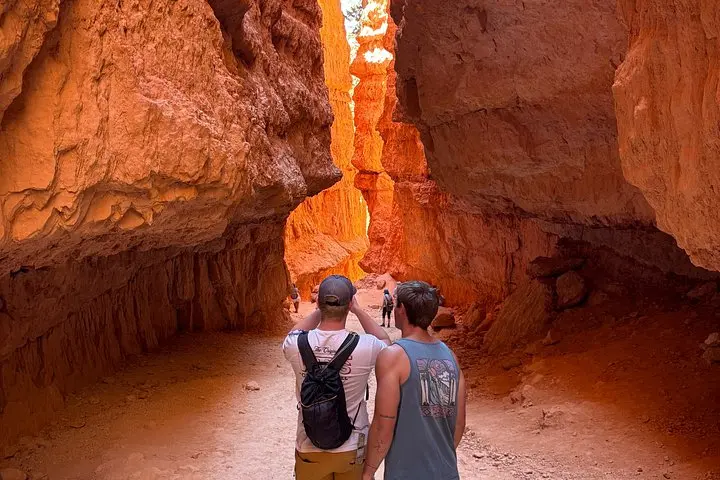
A guided sunrise hike down the Navajo Loop turns Bryce Canyon’s hoodoos from postcard scenery into an intimate geology lesson. Three miles, expert narration, and unforgettable light—this tour is the quickest way to understand how ice, time, and wind carved a city of stone.