
What the day feels like
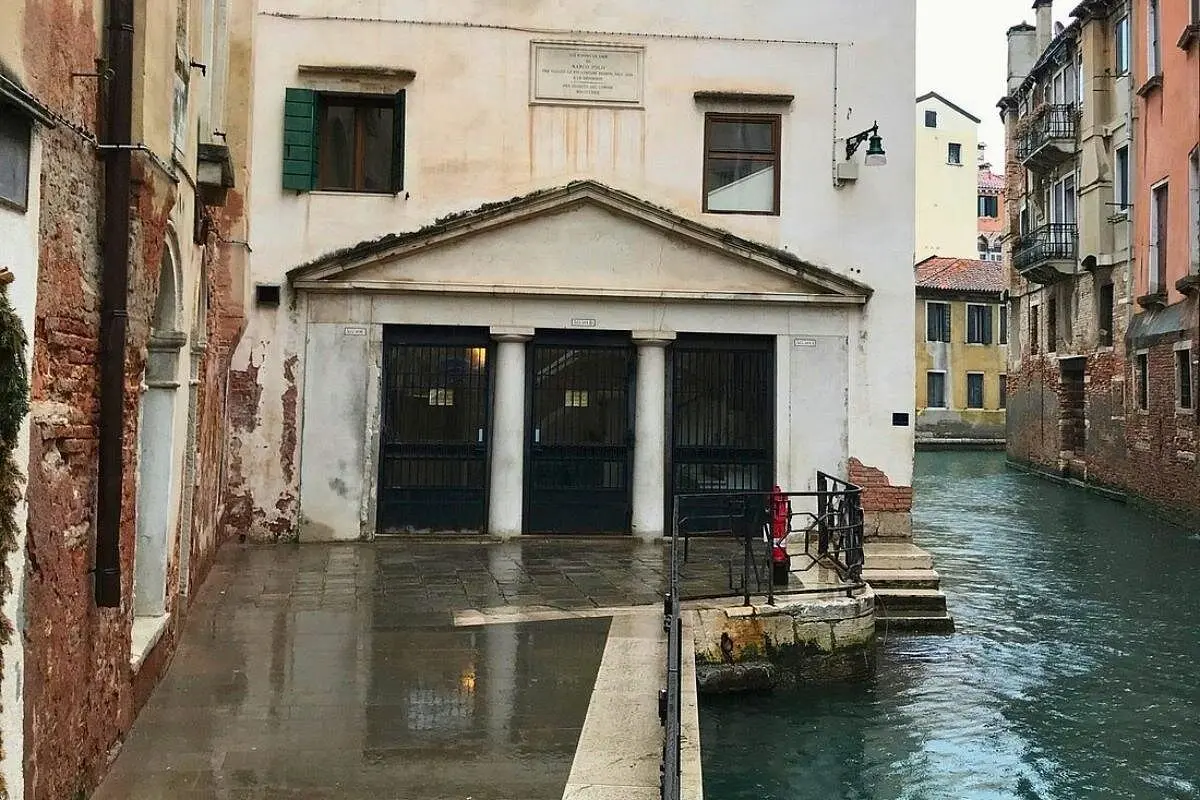
The narrow alleyway smells faintly of salt and frying fish; gondoliers' calls bounce off brickwork that leans toward the canal like an old friend. A single patch of sunlight finds the faded facade of a modest palazzo, its stone doorway threaded with the echoes of centuries. This is Marco Polo’s House (Casa di Marco Polo), a small, quietly declared landmark in Venice where the city’s medieval commerce and far-reaching curiosity meet in a single doorway. The house itself is not a blockbuster museum. It is a fragment — a gesture toward a life that launched European imaginations across the Asian steppe and into empires. Standing there, you feel the tug between myth and place, and that tension is precisely the draw.
Marco Polo was a product of Venice’s mercantile daring. Born in 1254 into a family of merchants, he travelled to the court of Kublai Khan and spent years of his life as an envoy across Asia. His account, known as Il Milione or The Travels of Marco Polo, arrived back in Europe and read like a map of other worlds: spices, silks, inventions, and customs that read as both exotic and urgently useful. Venice, a city born of mud, water, and trade routes, sent him into those routes and then held him up as proof that small republics could shape global stories.
That the house you visit today might not be the exact rooms where Marco Polo slept is part of the narrative. Historians dispute the provenance of many sites attached to famous explorers. What remains useful — and honest — is the way the house anchors a wider story: Venice’s role as a crossroads, the logistics of medieval travel, and the ways narratives of discovery shaped modern Europe. Around the corner, canals dare you to follow them; market stalls tempt you with fresh catch and bitter cicchetti; upward, the city’s rooftop silhouettes trace the same skyline that would have greeted the Polos as they returned with oddities under swaddled cloth.
Geology and urban engineering are part of the backdrop here: Venice sits on a lagoon of tidal flat and silt. Wooden piles driven into the muddy substrate support the city’s foundations, and those piles, submerged and preserved from rot, are the literal bedrock beneath the stones you walk on. It’s an unglamorous fact, but it makes the romance of travel tangible: these are cities literally built to connect.
Culturally, the Casa di Marco Polo is a microcosm of Venetian identity. The city celebrates maritime trade, guild histories, and a stubborn, practical approach to preservation. The house is usually a brief stop on walking tours of the Rialto area — a physical bookmark in itineraries that include the fish market at dawn, the Rialto Bridge at golden hour, and small museums tucked into quiet sestieri. Local guides often lean into the contested history of the house as a way to talk about how stories—accurate or embroidered—become a part of civic identity.
Practically: visiting the house is an exercise in slow, deliberate travel. Expect to spend 30–60 minutes lingering at the site and longer if you join a guided tour that frames the Polo family’s commercial networks or sketches the city’s relationship with the East. The house pairs naturally with a morning at the Rialto Market — arrive early if you want to watch the market wake up — or an afternoon route that includes the small museums and artisan workshops of adjacent neighborhoods.
Acqua alta is an essential consideration. Seasonal high tides can flood streets and, occasionally, low-lying indoor spaces. Venetians are used to adapting: bring waterproof shoes or foldable galoshes in the cooler months, and check local tide forecasts before you go. The city’s water-management projects have reduced but not eliminated these events.
If you are a traveler who wants context as much as a photo, hire a guide for a short history-focused walk that includes the Casa di Marco Polo, the Rialto markets, and a stop at a nearby library or archival center. Guides can turn architectural details into stories of trade routes and explain material culture — why certain goods were valuable, how Venetian merchants documented trade, and how the city’s layout reflects centuries of mercantile logistics.
For photographers, the narrow alleys and reflective canals make for intimate compositions: aim for early morning or late afternoon light, and use a fast lens for interior shots to avoid flash and to capture the patina of age. Sound matters here, too — the creak of boats, the slap of water against stone — which is why many travelers say the place resonates more than it photographs.
This isn't a place for adrenaline or long tramps; it is a place for context, curiosity, and the slow pleasure of connecting objects, texts, and spaces. You will leave with a clearer sense of how Venice sent people like Polo out into the world and how the stories they returned with reframed a continent’s sense of distance and possibility. And if you sit quietly by the doorway long enough, the city will supply a sense of continuity — of trade, transformation, and the ways small places keep large stories alive.
When you plan the visit: layer your day. Pair the house with market time, a short vaporetto (water bus) ride along the Grand Canal, and a stop for cicchetti and wine at a tiny bacaro. Move with the light and the tide, keep your expectations modest, and bring curiosity. That’s the Venetian way of seeing — and the best way to meet Marco Polo here: not as a single man frozen in stone, but as a starting point for a much larger conversation about movement, trade, and the long reach of a city that learned to float.
Trail wisdom
Small choices, better day.
Check tide forecasts
Acqua alta (high tides) can flood walkways and low entrances; bring foldable galoshes or waterproof shoes during autumn and winter.
Combine with Rialto Market
Visit the house alongside an early-morning trip to the Rialto fish market to see Venice’s commercial heart in action.
Wear quiet, grippy shoes
Streets and thresholds can be uneven and slick; sturdy, comfortable footwear helps you move between sites without interruption.
Book a short guided walk
A local guide can untangle contested history and bring artifacts and trade routes to life in 45–90 minutes.
Local knowledge
Read the place, not just the route.
Watch for native species including Mediterranean gull, grey heron.
Keep an eye out for wildlife during the transition between areas and habitats. Respect distance guidelines.
Venice faces overtourism and tidal challenges; support local businesses, use public transport (vaporetto), and avoid single-use plastics to reduce impact.
Follow the guide's instructions on size limits, ethical handling, and leave-no-trace practices.
Rialto Fish Market at dawn for raw local energy. Libreria Acqua Alta — a photogenic, eccentric bookshop near the canal
Locally recommended viewpoints and quiet spots known best to local operators.
Marco Polo (1254–1324) was a Venetian merchant and explorer whose accounts of Asia appeared in Il Milione and influenced European knowledge of the East.
Maritime roots and regional tradition shape the waterways and working coasts.
Seasonal guide
Four versions of the same landscape.
Spring
Best formild weather · fewer crowds · photography at golden hour
Challengesoccasional rain · busy Easter period
Spring offers comfortable temperatures and blooming canalside window boxes — ideal for exploring the house and nearby markets with smaller crowds.
Summer
Best forlonger daylight · late-night dining · vaporetto routes
Challengesheat and humidity · peak tourism crowds
Summer is lively with extended hours and street life, but expect crowds and higher prices; visit early or late to avoid midday crush.
Fall
Best forcultural season openings · photography · cooler strolls
Challengesincreased risk of acqua alta · shortening daylight
Autumn has crisp light and fewer tourists; be prepared for occasional high tides and carry a light rain layer.
Winter
Best forquieter streets · lower prices · intimate interiors
Challengescold, damp conditions · higher chance of acqua alta
Winter is low season for visitors, offering stillness and better opportunities for thoughtful visits, but bring warm, waterproof layers.
Pack with intention
What to bring.
Good to know
Common questions.
The house is traditionally associated with Marco Polo, but historians debate the exact provenance; it functions as a cultural marker tying Venice to his legacy rather than a conclusively proven residence.
Plan the edges
The details that make the day easier.
Venice is built on millions of wooden piles driven into the lagoon; submerged in oxygen-poor silt, these piles have survived for centuries and form the city’s literal foundations.
Sip a spritz at a tiny bacaro, sample cicchetti like sarde in saor, and listen for Venetian dialect as you weave between artisans who still craft masks and glass.
- Know-before-you-go
- modest visit time (30–60 minutes), limited accessibility due to historic fabric, combine with Rialto for a half-day plan, check tide forecasts for acqua alta, bring waterproof shoes.
Support small, local businesses, use public water transport instead of taxis when possible, avoid single-use plastics, and respect restricted conservation areas to help preserve Venice’s fragile heritage.
Explore by topic
Follow the threads.
Keep exploring
Make the story part of the trip.
 Related story
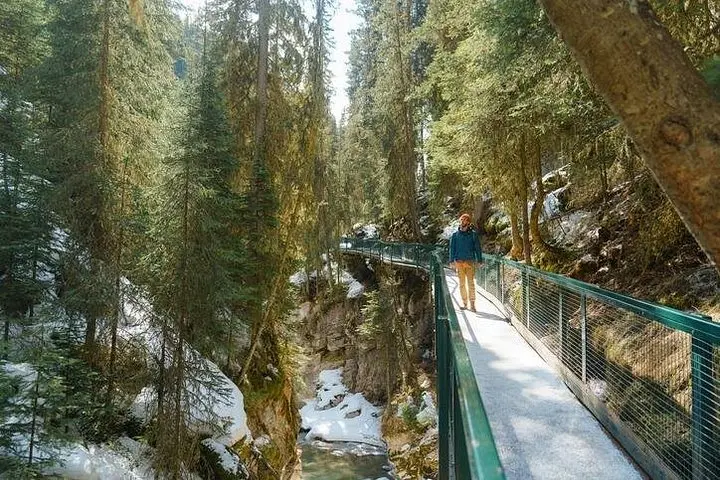
In eight efficient hours, experience the turquoise drama of Lake Louise and the cathedral-like icefalls of Johnston Canyon. This guided shuttle day trip from Banff/Canmore combines easy access, crisp winter scenery, and practical guidance for a high-reward Rockies outing.
 Related story
See Banff’s signature overlooks and hidden lakes in one compact, expertly guided 2.5-hour loop. Perfect for short-stay travelers who want big scenery without the driving.
 Related story
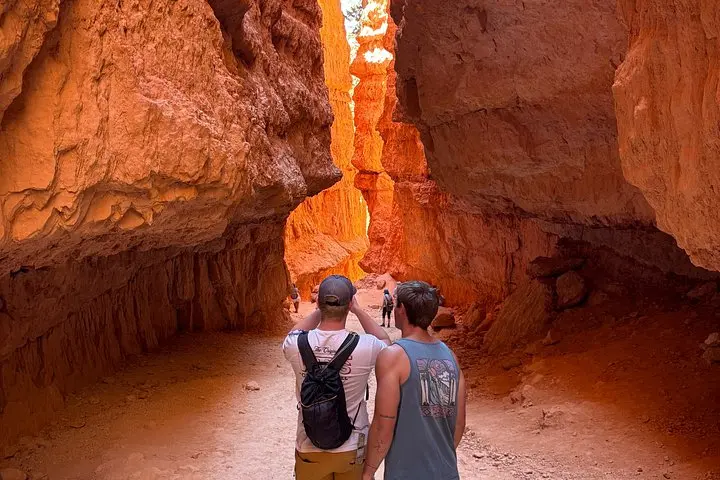
A guided sunrise hike down the Navajo Loop turns Bryce Canyon’s hoodoos from postcard scenery into an intimate geology lesson. Three miles, expert narration, and unforgettable light—this tour is the quickest way to understand how ice, time, and wind carved a city of stone.