
What the day feels like
You set out before dawn when the valley is a sliver of silver. Mist clings to cedar trunks and the wooden torii at trailheads look like doors left ajar into another century. The path underfoot is a composite of compacted earth, river-polished stone, and sections of old cobble where sandals and straw cloaks once kept pace with worshippers. Something about the rhythm of your steps—one, two, breath—feels older than you are. The Kumano Kodo is not a single trail so much as a network: a thousand-year-old web of pilgrimage routes threading the Kii Peninsula, connecting shrines, hot springs and mountain hamlets where time is measured in tea pots and prayer stamps.
Few places in Japan let mountain and ritual sit so close together. The Nakahechi route, the most commonly walked segment today, was the road of emperors and aristocrats who traveled from Kyoto to the Triple Shrines of Kumano. You pass small oji shrines—satellite wayside shrines that mark progress—each one a minor punctuation of paper offerings, incense smoke and weathered wooden plaques. Forest here has a personality: cedars lean like patient elders, streams laugh their way downhill and the moss has a stubborn, ornate beauty that resists being photographed properly.
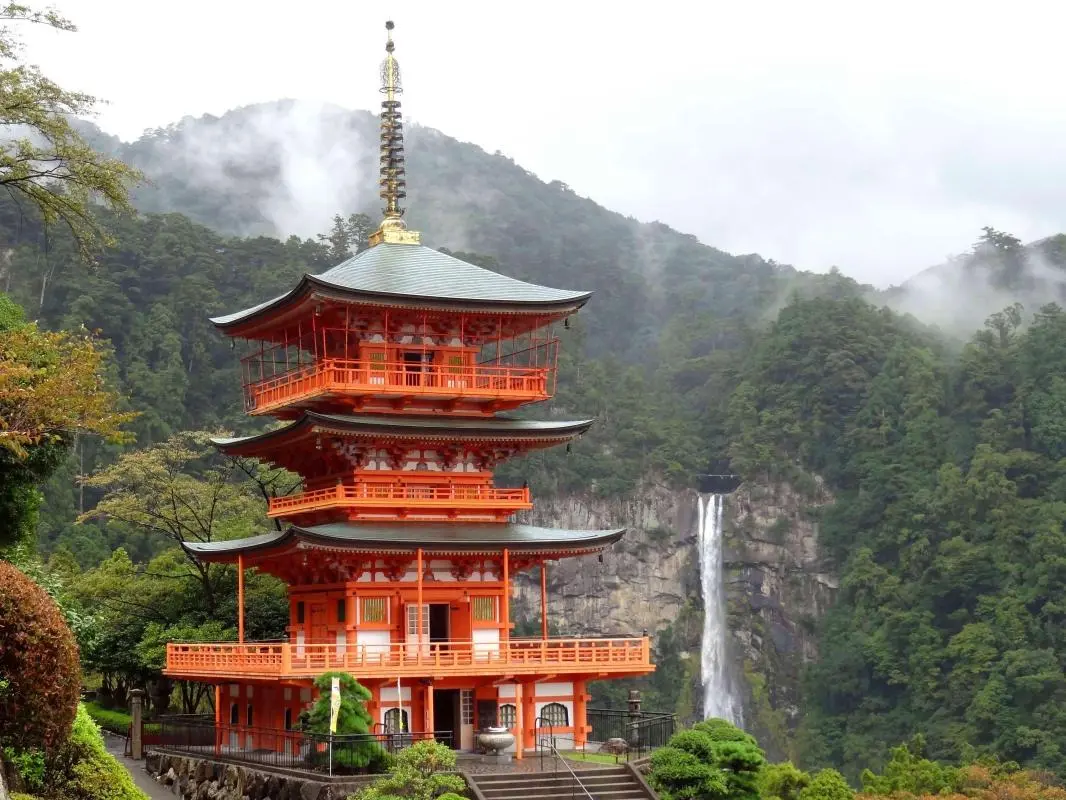
Geology tells a parallel story. The Kii Peninsula's ancient granite and schist have been carved by rivers and time into steep valleys and sudden waterfalls. Nachi Falls, accessible from branches of the Kumano network, is a mandatory scene-stealer—water gushing like a white ribbon down a volcanic spine, framed by the vermilion sanctum of Nachi Taisha. The landscape forces humility; switchbacks climb and descend through secondary-growth woods, and many of the original stone steps still bear the grooves worn by centuries of sandals.
Culturally, Kumano worship is a syncretic affair. For more than a millennium Shinto and Buddhist practices blended here; mountains were treated as living kami and temples and shrines layered their rituals. Today’s pilgrims might be serious practitioners, weekend hikers, or travelers seeking quiet. The trail is porous to all of them. Local inns—ryokan and minshuku—serve seafood from nearby seas, rice, and steaming nights in onsen. You're reminded that pilgrimage is equally about restoration as it is about resolve.
There are many ways to experience Kumano Kodo. A full-day private trip with a licensed English-speaking guide is an efficient way to sample the trail’s principal features without committing to a multi-day itinerary. Starting at Kumano Hongu Taisha, guided half- and full-day walks let you absorb shrine rituals, sample hidden waterfalls and walk preserved sections of the Nakahechi. For a deeper rhythm, two- or three-day walking tours from Osaka include transfers, an overnight, and time to sleep with the valley’s silence in your ears. Guides can customize the experience—choosing steeper, quieter passages for seasoned hikers or gentler stretches threaded through hamlets for those wanting cultural stops and hot springs.
Practicalities matter here. A single day on the Nakahechi can range from a mellow 6–8 kilometer walk through hamlet and shrine to a hinged 15–20 kilometer day over mountain passes. Trails are well-marked but can be steep, muddy in the rainy season, and deceptively tiring: expect packs to feel heavier up steep stone steps. Luggage forwarding services are common and inexpensive; it's worth sending a larger bag to your next night’s inn so you walk light.
What to bring: reliable footwear with good grip, a waterproof layer (typhoons and sudden mountain showers are seasonal realities), and cash—small villages often prefer it. Respectful behavior at shrines is simple: a bow, quiet voice, and a few coins if you choose to make an offering. Onsen etiquette matters too—wash before entering and keep tattoos in mind, as some public baths restrict them.
If you’re planning a first visit, consider fall for crisp air and a palette of maples, or late spring for cool, fragrant paths and azalea blooms. Summers are lush but humid and can bring typhoon weather; winter shrinks the crowds but can close some lowland services. Whatever season you pick, treat the route like a sequence of small discoveries: a quaint tea house, a shrine’s wooden plaque, a sudden viewpoint where the ocean appears unexpectedly after hours of woodland.
Kumano Kodo is more than steps on a map. It’s a place where geology, faith and community converge—an invitation to move at foot-speed and to be reshaped by the simple act of walking. Whether you take a curated private tour or pace yourself over several days with luggage forwarding and a night in an onsen town, the trail rewards patience: the world simplifies to breath, steps and the soft, insistent life of the forest.
For planners: choose a route length that matches your fitness, book accommodations in advance during high season, and bring a guide if you want context—many guides bring the trail to life with stories about the shrines, the old emperors, and the tiny rituals that stitch this landscape together. In the end, the Kumano Kodo isn’t a checklist. It’s a practice—and the best souvenir you take home is a slightly different pace of life.
Trail wisdom
Small choices, better day.
Pack light — forward luggage
Use the local luggage forwarding (takuhaibin) service so you can walk with a daypack; many tours and ryokan will help arrange it.
Footwear and traction
Wear sturdy hiking shoes with good grip—the trail alternates between slick stone steps and muddy singletrack.
Cash on hand
Bring cash for shrine donations, small shops, and some ryokan—ATMs can be scarce in remote villages.
Onsen etiquette
Shower thoroughly before entering baths, and check tattoo policies ahead of time at public onsens.
Local knowledge
Read the place, not just the route.
Watch for native species including Sika deer, Japanese macaque (macaque sightings are possible in higher or less-trafficked areas).
Keep an eye out for wildlife during the transition between areas and habitats. Respect distance guidelines.
Designated as part of the UNESCO 'Sacred Sites and Pilgrimage Routes in the Kii Mountain Range', local communities maintain trails, control signage and promote sustainable tourism to protect the fragile mountain ecosystem.
Follow the guide's instructions on size limits, ethical handling, and leave-no-trace practices.
Yunomine Onsen – a tiny historic hot-spring village with communal baths and a centuries-old ritual bath beside the river. Hosshinmon-oji and other small Oji shrines — often overlooked waypoints that reveal local pilgrimage practices
Locally recommended viewpoints and quiet spots known best to local operators.
For over a thousand years the Kumano Kodo carried emperors, aristocrats and commoners from Kyoto to the three grand shrines of Kumano; the routes reflect a long history of Shinto-Buddhist syncretism.
Maritime roots and regional tradition shape the waterways and working coasts.
Seasonal guide
Four versions of the same landscape.
Spring
Best forCool walking conditions · Wildflowers and fresh greenery
ChallengesOccasional rain · Mud on steeper sections
Late spring is mild with fresh vegetation and fewer crowds, but bring a lightweight rain shell for sudden showers.
Summer
Best forLush forest scenery · Access to coastal seafood
ChallengesHigh heat and humidity · Typhoon season (late summer)
Summer delivers dense forests and vibrant life; avoid the hottest months or plan early starts and hydrating breaks.
Fall
Best forAutumn foliage · Crisp, clear hiking days
ChallengesHigher accommodation demand · Cooler nights
Autumn is ideal for color and comfortable hiking; book ryokan early and layer for cold mornings.
Winter
Best forSolitude on quieter trails · Clear vistas on cold days
ChallengesLimited services in remote towns · Some trail sections icy or closed
Winter offers quiet trails and a crispness to the air, but check local closures and be prepared for cold conditions.
Pack with intention
What to bring.
Good to know
Common questions.
No—many sections are well-marked and suitable for independent walkers, but a licensed guide adds cultural context, local stories and logistical ease, especially on multi-day itineraries.
Plan the edges
The details that make the day easier.
The Kumano Kodo routes were inscribed in 2004 as part of the UNESCO World Heritage Site 'Sacred Sites and Pilgrimage Routes in the Kii Mountain Range.'
Kumano is a place of slow rituals—pilgrims collect shrine stamps (goshuin) in notebooks, ryokan serve multi-course kaiseki dinners featuring local fish, and communal onsens are central to evening conversation. Respectful curiosity rewards genuine interactions with innkeepers and shrine caretakers.
- Nearest hub
- Tanabe. Getting there: train or bus from Osaka; many tours provide transfers. Accommodations: ryokan
- minshuku in Yunomine, Tanabe, Nachi. Essentials
- cash, rain gear, luggage forwarding.
Stick to marked trails, avoid single-use plastics, support local businesses for lodging and meals, and consider hiring licensed local guides who contribute directly to trail maintenance and cultural preservation.
Explore by topic
Follow the threads.
Keep exploring
Make the story part of the trip.
 Related story
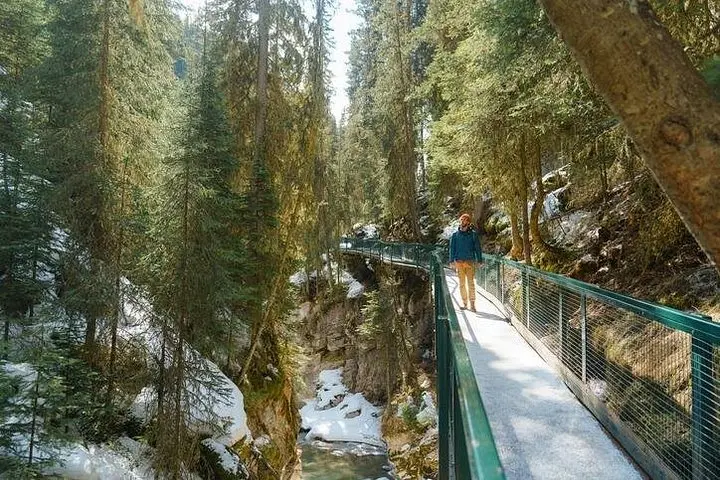
In eight efficient hours, experience the turquoise drama of Lake Louise and the cathedral-like icefalls of Johnston Canyon. This guided shuttle day trip from Banff/Canmore combines easy access, crisp winter scenery, and practical guidance for a high-reward Rockies outing.
 Related story
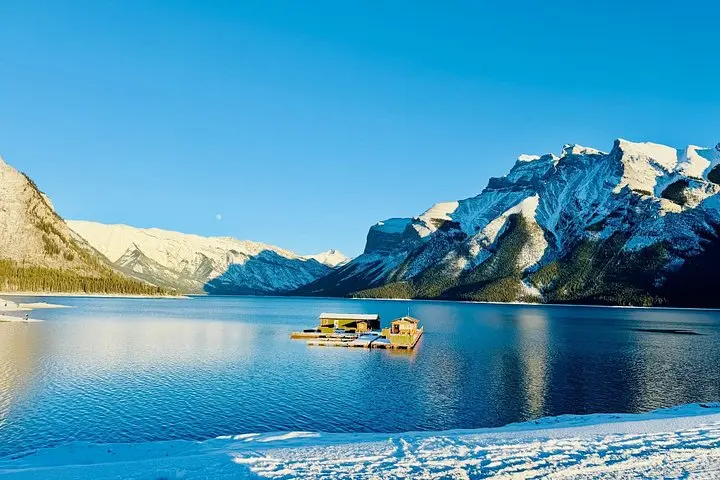
See Banff’s signature overlooks and hidden lakes in one compact, expertly guided 2.5-hour loop. Perfect for short-stay travelers who want big scenery without the driving.
 Related story
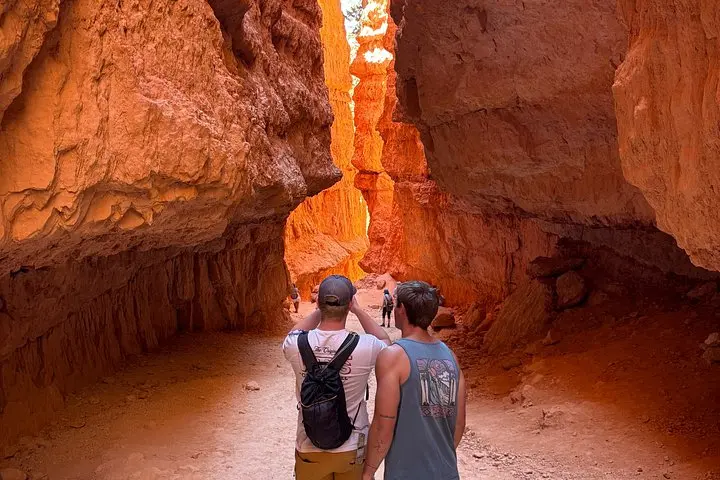
A guided sunrise hike down the Navajo Loop turns Bryce Canyon’s hoodoos from postcard scenery into an intimate geology lesson. Three miles, expert narration, and unforgettable light—this tour is the quickest way to understand how ice, time, and wind carved a city of stone.