
What the day feels like
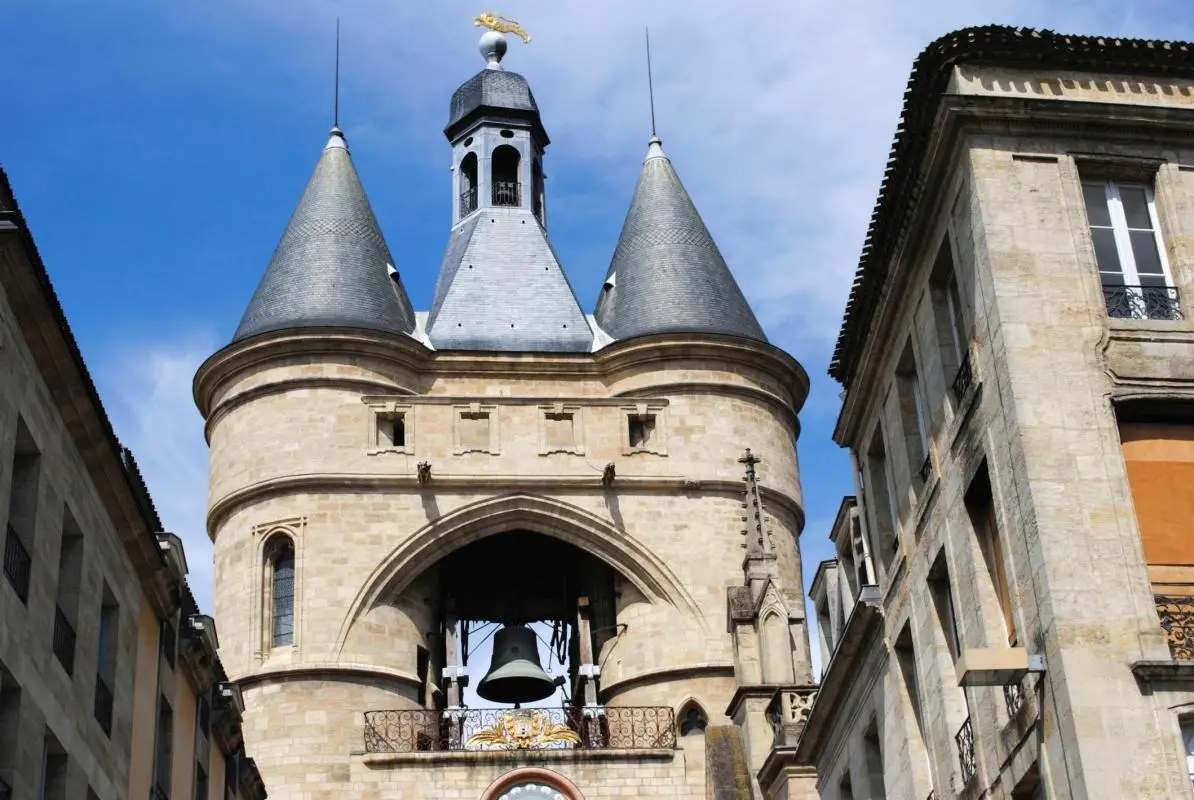
You hear it before you see it. A low, sonorous tone folds across the quay, threading between cafes, ricocheting off limestone façades and pulling you down a narrow street where the past still leans close. The Grosse Cloche sits astride that lane like a guardian—a twin-towered 15th-century gateway crowned by an enormous bell that once marked hours, celebrations and alarms. It is both a hinge and a lens: step through and you’re in a compact city of honey-colored stone, shuttered windows and the constant pulse of the Garonne. That first chime is an invitation and a warning; the city is awake, and it has stories to tell.
The belfry of the Grosse Cloche is more than ornament. Built into an old defensive gate, it once housed magistrates and even a small prison. The bell’s name has changed in records, but the structure remains one of Bordeaux’s most enduring medieval survivors and a rare example of a civic belfry still breathing life into an urban neighborhood. Looking up at its pointed arches and gilded clock face, you can imagine merchant carts, wine barrels and the long trade lineage that made Bordeaux a global port.
Geology is part of that record. Bordeaux’s façades and pavements owe their tone to local limestone, sedimentary stone deposited long before the city rose—stone that softens in the rain and warms in the sun. That warm stone frames the Grosse Cloche and the Place de la Bourse downstream; it is the palette that wine tints and café terraces animate. The Garonne, patient and wide, writes its own story on the quay—high tides advance like a slow breath and, historically, carried barrels from the city to the ocean.
Bordeaux’s contemporary culture is inseparable from these layers. Around the Grosse Cloche, artisans, cafés and small wine shops hum with a modern rhythm that honors the old. Local tours—walking and wheeled—translate the city’s dense past into conversational steps. For photographers, the Polaroid-led photo rally turns the medieval grid into a creative playground; for the romantics, a night ride in a Citroën 2CV through the old town refracts light off the Place de la Bourse; for food lovers, afternoon and evening food-and-wine tours transform cobblestones into a tasting menu.
The trip you plan depends on how you want to experience the bell’s song. A brisk walking tour will explain the Grosse Cloche’s judicial role and point out small carved details: the papal symbols, the city arms, the skeleton of an old defense. The “Explore Bordeaux in 60 minutes with a Local” or the “Best Intro to Bordeaux in 2 hours with a Local” are compact ways to ground yourself in history and pick up where to eat a proper canelé. If you like motion, the “Bordeaux bike tour ‘The Best of Bordeaux’” is a 13 km loop that puts the Grosse Cloche into a larger urban ride, cool breezes off the river included.
If you prefer stories with a soundtrack, book the “Private City Tour of Bordeaux in a Citroën 2CV.” There’s an old-world thrill to a convertible roof, the driver dropping local anecdotes as you pass the belfry and the Pont de Pierre. Note: each 2CV takes three people (plus driver), so it’s intimate by design. For slow, sensory indulgence, join a food-and-wine tour—these stop for foie gras, cheeses and caramelized canelés, offering a gustatory map of the region that pairs beautifully with the architecture.
Timing is tactical. The Grosse Cloche is especially magnetic at dawn, when the city exhales and stone surfaces carry dew; the “Bordeaux Awakens Private Sunrise Serenity Morning Tour” does exactly that, leading to quiet quays and a café with fresh pastry. Conversely, the “Midnight Bordeaux History, Legends and Photography Tour” reroutes the city into atmosphere and shadows, when legends about the gate and its darker uses are more resonant.
Practicalities are refreshingly simple. The Grosse Cloche sits in the historic core, an easy walk from the Place de la Bourse and other central squares. Most guided experiences—walking tours, food tours, bikes and 2CV rides—operate within a 1–4 hour window, so you can layer a morning tour with an afternoon vineyard escape or a dusk tasting. Book in advance for small-group or private options; the best guides limit numbers to keep the pace personal and to ensure visits to small shops and family-run wineries.
Wear comfortable shoes. The streets are cobblestone and often uneven. Pack a light rain layer in shoulder seasons; Bordeaux weather changes fast near the river. If your camera is part of the plan, bring a compact prime and a wide-angle for tight streets, plus neutral-density filters for riverside long exposures at sunset.
Seeing the Grosse Cloche isn’t a checklist—it’s a hinge moment. Walk under its arch, time your visit to hear the bell, and let a local guide place the scaffolding: why the bell mattered, how trade made Bordeaux, and how a medieval gateway still shapes modern rhythms. Whether you’re sipping Bordeaux red nearby, riding a breezy 2CV under its shadow or capturing the last light with a Polaroid in hand, this bell keeps the city’s pulse audible. It asks not only to be observed, but to be listened to—an urban instrument with an old voice, reminding you that the best travel is a balance of curiosity, context and a well-timed arrival.
Trail wisdom
Small choices, better day.
Book small-group tours early
Popular walking and 2CV tours limit group size; reserve in advance for sunrise or evening slots.
Watch your step
Cobblestone streets are historic and uneven—sturdy closed-toe shoes reduce twisted ankles.
Stay hydrated
If you combine walking with tasting tours, keep a reusable water bottle to pace alcohol and sun exposure.
Time it for light
Golden hour and blue hour transform the Grosse Cloche’s stone—plan photo stops around sunrise or sunset.
Local knowledge
Read the place, not just the route.
Watch for native species including pigeons, grey heron along the Garonne.
Keep an eye out for wildlife during the transition between areas and habitats. Respect distance guidelines.
Many local guides prioritize small, family-run producers and low-impact transport options—supporting walking and cycling tours keeps visits low-footprint.
Follow the guide's instructions on size limits, ethical handling, and leave-no-trace practices.
Rue Saint-James alleys with independent artisans. A small courtyard wine bar behind Place Saint-Projet
Locally recommended viewpoints and quiet spots known best to local operators.
The Grosse Cloche is a 15th-century civic belfry and former city gate; it once doubled as a magistrate's seat and held a small prison.
Maritime roots and regional tradition shape the waterways and working coasts.
Seasonal guide
Four versions of the same landscape.
Spring
Best formild walking tours · early-morning photography · outdoor tastings
Challengessporadic showers · cool mornings
Spring brings mild temperatures and blooming terraces; expect occasional rain and crisp mornings ideal for sunrise tours.
Summer
Best forevening 2CV rides · river views · longer bike tours
Challengesheat waves · crowds
Summer is lively with outdoor dining and longer daylight—plan morning activities and reserve tours to avoid midday heat.
Fall
Best forvineyard gravel rides · harvest-themed tastings · photography
Challengesshorter days · rainy intervals
Autumn pairs comfortably with vineyard excursions and wine-themed tours as the region settles into harvest season.
Winter
Best forquiet museums and indoor tastings · atmospheric evening walks · off-season deals
Challengescold, damp weather · reduced outdoor services
Winter is quieter; tours still run but bring layers and expect more indoor-focused tastings and shorter outdoor windows.
Pack with intention
What to bring.
Good to know
Common questions.
Public interior access is limited; guided tours and special heritage events occasionally include interior visits—check local listings and tour descriptions.
Plan the edges
The details that make the day easier.
The Grosse Cloche dates to the 15th century and is one of Bordeaux’s oldest surviving civic belfries, originally part of the city’s defensive gate system.
Pair a visit with a canelé tasting and a glass of Bordeaux clarets; explore nearby family-run wine shops in the Chartrons district and finish at a riverside café for regional oysters and local stories.
- Location
- Historic center of Bordeaux. Nearest transit: central tram lines and major walking routes. Accessibility: cobbles and steps; some tours adaptable for reduced mobility—confirm when booking. Booking: reserve small-group or private tours in advance.
Choose walking, bike or small-vehicle tours and support local producers; many tour operators emphasize family vineyards and low-impact transport to keep tourism sustainable.
Explore by topic
Follow the threads.
Keep exploring
Make the story part of the trip.
 Related story
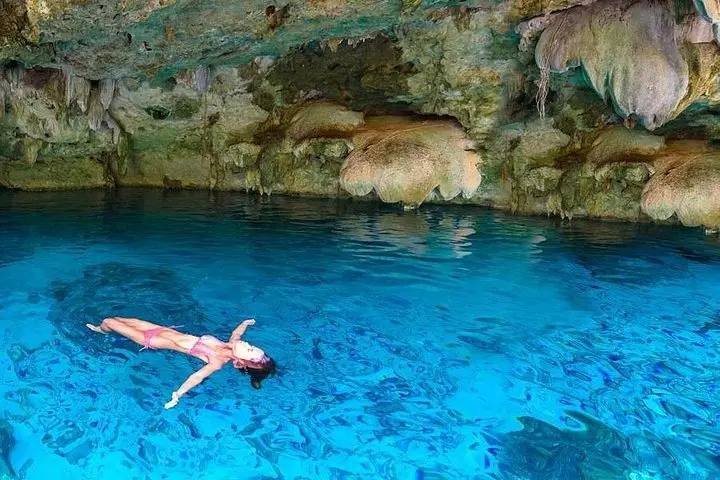
Dive into the Yucatán’s secret freshwater caverns and drift over the shallow reef gardens of Yalku Lagoon—an accessible, half-day snorkel pairing that blends geology, Mayan history, and vivid marine life.
 Related story
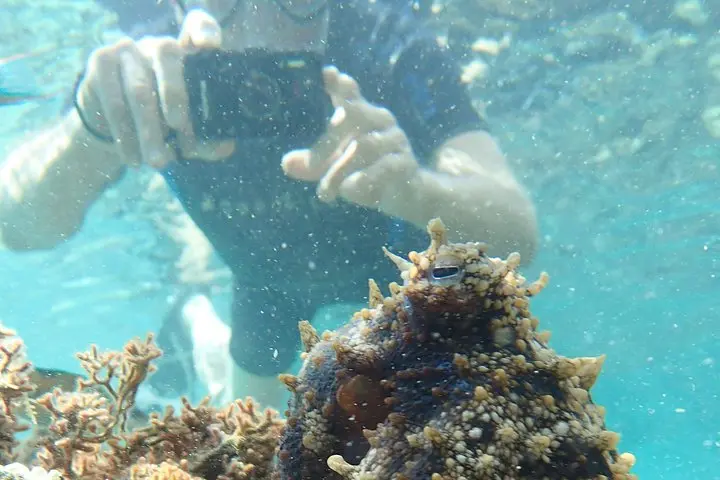
Slip beneath Porto Santo’s sunlit surface to find a mosaic of seagrass meadows, volcanic shelves, and playful schools of fish. This three-hour snorkeling tour pairs small-group access with local stewardship—ideal for travelers who value marine life over crowds.
 Related story
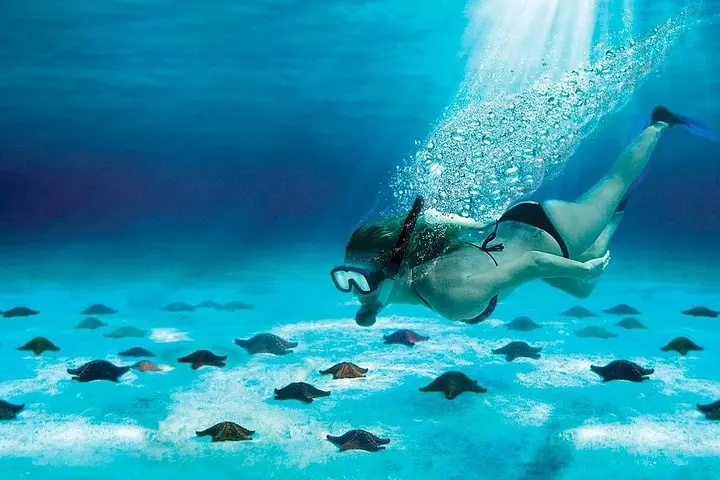
Spend a day on a high-speed boat exploring Cozumel’s famed reefs and the shallow sand flats of El Cielo. This full-day trip offers clear water, abundant marine life, and guided snorkeling at three prime sites—ideal for both first-timers and seasoned reef lovers.