
What the day feels like
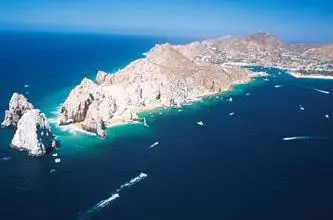
The boat slips away from the marina with a soft, practiced shove. Below the hull the water turns from hotel-blue to a deep, tannic green; above, granite spires carved by wind and wave stitch the horizon. This is the Bay of Cabo San Lucas—an intimate theater where the Sea of Cortez and the Pacific argue and then reconcile, where sun sets like a deliberate curtain call and migratory giants travel across the stage. On a private catamaran the small things become immediate: the scent of salt on a breeze, the click of sunscreen bottles, the slap of small waves against the hull. A guide points to a distant notch of stone—El Arco—where surfers of geology have worn an opening through ancient rock. The captain slows. Sea lions bark from a sun-washed haul-out; a day of boats and light and human stories begins to feel like a kind of permission.
Cabo's bay is a compact lesson in coastal geology and human reinvention. The dramatic rock formations at Land's End are remnants of intrusive igneous bodies—dense, wind-sanded granite that the Pacific and the Sea of Cortez continue to shape. Historically this was a string of fishing camps; over the last century the point swelled first into a sportfishing mecca—billfish and marlin draws still—and then into the tourist hub it is today. Old San José del Cabo, with its colonial plaza and quiet galleries, provides the cultural counterpoint to the marina's gleaming fleet. The bay itself is a living classroom of ecosystems: kelp and reef patches near Pelican Rock host colorful reef fish and sustained snorkelable neighborhoods, while winter months see humpbacks and gray whales passing offshore.
What makes this place ideal for short, memorable ocean adventures is its variety. You can book a two- to two-and-a-half-hour private cruise and have an itinerary tailored to your group—snorkel at Pelican Rock, drift near Lover’s Beach, or anchor for a private swim at a semi-secluded cove. For photographers and romantics, a sunset sail on a luxury catamaran condenses Cabo's palette into an hour-and-a-half of incandescent sky, with provisions and an open bar smoothing the edges. From December through April, whale-watching sails turn the bay into a theater of lunge-feeding and dramatic blows; locally run private yachts and small-group sails offer close encounters with a sustainability-minded captain who knows when to admire and when to give the animals space.
The practical side is refreshingly straightforward. Most popular trips are short—2–3 hours—and depart in the mid-afternoon for sunset or earlier for snorkeling and whale-watching windows. Pelican Rock, a recurring stop on many itineraries, is good for first-time snorkelers: visibility is often excellent and currents manageable inside the bay. Lovers Beach and its neighboring Divorce Beach offer stark contrast—calmer Sea of Cortez on one side, pounding Pacific surf on the other—so listen to crew instructions when swimming or landing from tender boats. Private charters vary in scale from intimate 5–6 passenger boats to larger 20-person catamarans; choosing between them comes down to how private you want the experience and whether you prioritize space for lounging or a livelier party atmosphere.
Safety and etiquette are part of the experience. Use reef-safe sunscreen, avoid touching marine life, and heed your captain's directions—especially near the Arch and the sea lion colony, where boat traffic and curious animals require clear boundaries. If you are prone to seasickness, take preventive medication an hour before departure; afternoon and sunset sails often run with gentler swells, but the Pacific side of Land's End can throw more chop. Book sunset sails in advance during high season; spaces fill quickly and a small difference in schedule can mean missing the golden hour.
For planning: aim for late winter or early spring if you want whales without crowds—March often hits the sweet spot of weather and whale activity. Summer and fall bring warmer water ideal for snorkeling but can be windier on the Pacific side; monsoon-related storms are possible in late summer. Local guides can create half-day combos that include a quick drive through the Tourist Corridor and a stop at San José's historic district if you want land and sea in a single afternoon.
Beyond the logistics, what makes the Bay of Cabo San Lucas compelling is how accessible its drama is. In a single outing you can watch marine mammals breach, drift over coral gardens, stand on a tidy beach only reachable by boat, and watch the sun dissolve behind an iconic rock formation. The best trips are the ones that blend a clear plan with room for surprise: a captain who knows where the whales were that morning, a snorkeling stop at Pelican Rock when visibility is prime, or an anchor at a near-empty cove where the white sand makes a good picnic and the water begs you to float. For travelers who want something more than a postcard—those who want the sensory specifics, the practical cues, and a plan that leaves room for wonder—the bay delivers repeatedly, and simply.
Trail wisdom
Small choices, better day.
Book sunset sails early
Sunset cruises fill fast in high season—reserve at least 2–3 days ahead or prebook online to secure the best departure times.
Bring reef-safe sunscreen
Protect skin and the marine environment by using reef-safe sunscreen; the bay has sensitive reef areas near Pelican Rock.
Prep for seasickness
If you’re prone to motion sickness, take preventative medication an hour before departure—shorter afternoon sails are generally calmer.
Listen to crew around wildlife
Keep a respectful distance from sea lions and whales; crew will maneuver for good viewing without disturbing animals.
Local knowledge
Read the place, not just the route.
Watch for native species including Humpback whale, California sea lion.
Keep an eye out for wildlife during the transition between areas and habitats. Respect distance guidelines.
Local operators follow guidelines for responsible whale-watching and discourage wildlife feeding; reef-safe products and no-touch policies help protect fragile ecosystems.
Follow the guide's instructions on size limits, ethical handling, and leave-no-trace practices.
Snorkel patches around Pelican Rock for diverse reef fish. Semi-private beaches reached only by private charter for quieter picnics and swimming
Locally recommended viewpoints and quiet spots known best to local operators.
Cabo grew from fishing camps and sportfishing lodges into a major tourist port; Los Cabos still preserves its fishing heritage alongside modern resorts.
Maritime roots and regional tradition shape the waterways and working coasts.
Seasonal guide
Four versions of the same landscape.
Spring
Best forwhale watching · mild weather · clear snorkel conditions
Challengesbusy high-season crowds · higher prices
Spring—especially March—is prime for migrating whales and comfortable weather; book early for sunset and private charters.
Summer
Best forwarm water snorkeling · long daylight hours
Challengesoccasional wind and afternoon storms · heat onshore
Summer brings warm, clear water good for reefs, though Pacific swells and brief storms can affect sea conditions.
Fall
Best forfewer crowds · good value deals
Challengeshurricane season tail risk · variable ocean conditions
Fall offers quieter marinas and lower prices but keep an eye on seasonal weather advisories in September and October.
Winter
Best forstable sailing conditions · whale migrations begin
Challengescooler mornings · higher demand for whale tours
Winter launches the whale season and delivers mild temperatures—ideal for crisp, clear sky sunsets and ocean wildlife viewing.
Pack with intention
What to bring.
Good to know
Common questions.
Whales—primarily humpbacks and gray whales—are most commonly seen from December through April, with March often producing good sightings and comfortable weather.
Plan the edges
The details that make the day easier.
El Arco at Land's End is a natural granite arch formed by centuries of wave erosion where the Pacific Ocean meets the Sea of Cortez at the southern tip of the Baja California Peninsula.
Cabo blends sportfishing heritage and modern tourism—sample fresh ceviche, grilled local fish tacos, and visit the art galleries in San José del Cabo for a quieter cultural afternoon between sea tours.
- Duration
- 2–2.5 hours typical; Cost: varies by private vs. group; Best time: Dec–Apr for whales, year-round sunsets; Accessibility: boats require stepping into low tenders or gangways; Book: reserve in peak season.
Choose operators that follow no-approach rules for whales and sea lions, use reef-safe sunscreen, and support local conservation initiatives to minimize your marine impact.
Explore by topic
Follow the threads.
Keep exploring
Make the story part of the trip.
 Related story
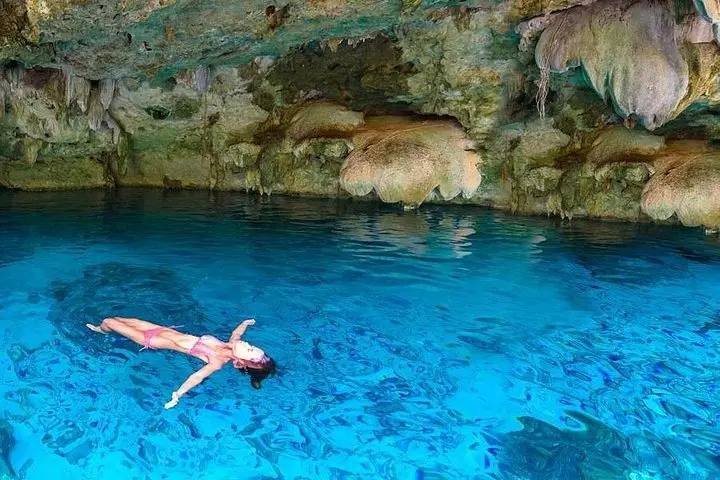
Dive into the Yucatán’s secret freshwater caverns and drift over the shallow reef gardens of Yalku Lagoon—an accessible, half-day snorkel pairing that blends geology, Mayan history, and vivid marine life.
 Related story
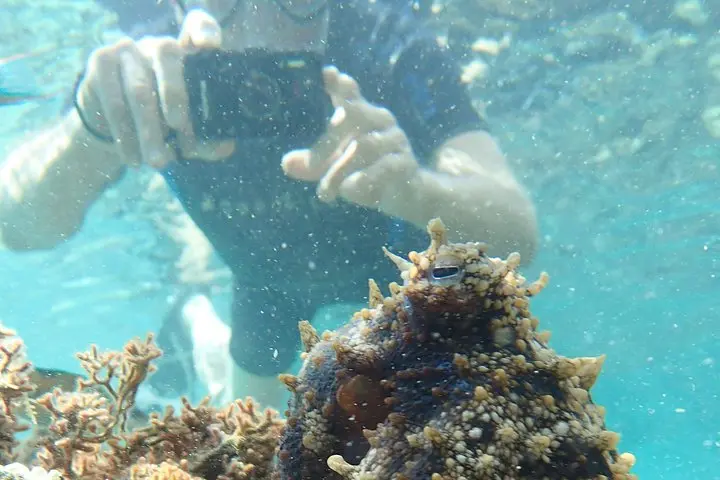
Slip beneath Porto Santo’s sunlit surface to find a mosaic of seagrass meadows, volcanic shelves, and playful schools of fish. This three-hour snorkeling tour pairs small-group access with local stewardship—ideal for travelers who value marine life over crowds.
 Related story
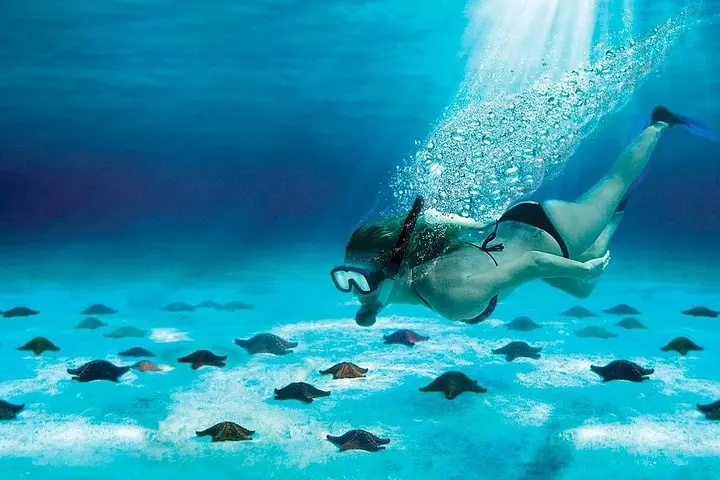
Spend a day on a high-speed boat exploring Cozumel’s famed reefs and the shallow sand flats of El Cielo. This full-day trip offers clear water, abundant marine life, and guided snorkeling at three prime sites—ideal for both first-timers and seasoned reef lovers.