
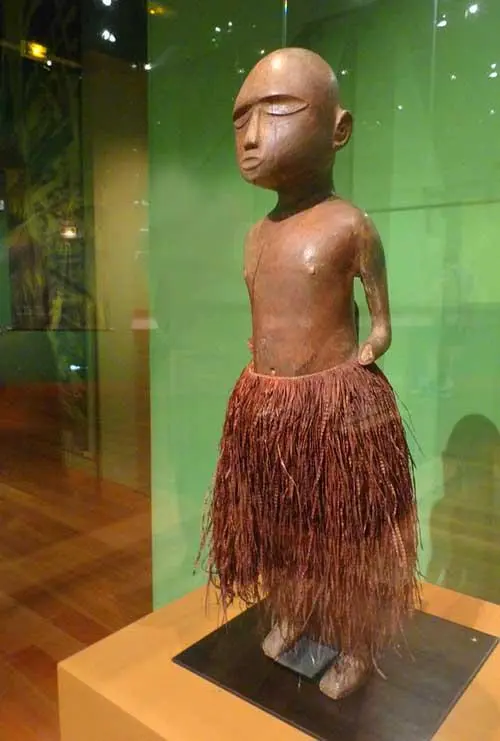
What the day feels like
You step off the coast road and into a hush that feels almost like respect. The museum’s low, modern pavilions sit among palms and sculpted gardens, a tidy antidote to the volcanic shoulders of Tahiti that rise inland like a held breath. Through the glass, a canoe’s hull leans like a sleeping animal; inside, tapa cloths whisper centuries of stories. Here, the voices are many—ancestral, botanical, oceanic—and the museum’s job is to let them speak.
The Museum of Tahiti and the Islands is less a single building than a curated conversation between land, sea and people. It’s the island’s cultural memory bank: natural history specimens, model outriggers, ceremonial objects, and contemporary works that connect present-day Tahitians to their ancestors and to a geography that both shelters and demands respect. For travelers who arrive expecting displays, the surprise is how animate the collection feels—the geology, the art and the human histories push and pull at each other like the tides.
Tahiti’s story is written in water and stone. Geologically the island is a shield of basalt topped with a ragged corona of jagged peaks; the coastline alternates between black-sand beaches and coral-lipped lagoons. Culturally, Tahiti is an archipelago of exchange—canoes that paddled across thousands of miles, navigational knowledge that resisted erasure, and later, encounters with European explorers and missionaries that rewrote certain rhythms of life. The museum collects and explains these threads, offering context that transforms a day of sightseeing into a deeper encounter.
But the Museum of Tahiti is also a practical waypoint for exploring the island. It frequently appears as the first stop on the half-day and full-day tours that leave from Papeete: half-day East or West Coast excursions (about five hours), private four-hour west-coast circuits, and the ambitious circle-island afternoon that runs roughly five hours. Guides—many longtime residents—use the museum as a primer, then drive you to Marae Arahurahu, Vaipahi Water Gardens, the Maraa fern caves and the black-sand stretches of Taharu’u or Papenoo surf breaks. For a different angle, book the small-group boat snorkeling trip (max 6) to explore the lagoon’s turtles, rays and coral gardens after grounding your local knowledge in the museum galleries.
A visit here is useful, not just beautiful. In the displays you’ll learn about traditional canoe-building and the ecological relationships that sustained pre-contact life; you’ll see how Polynesians managed crops, read ocean swells and marked sacred sites. That knowledge changes how you experience the island sites that follow—suddenly the Vaipahi pools feel less like postcard scenery and more like a living archive of plants and place that communities have protected for generations.
Practical edge: plan museum time into a broader island loop. Full-day tours run eight hours and let you linger at waterfalls and bays; half-day options are five hours and are best when your schedule is tight. Private guides are worth the premium if you want in-depth interpretation—Lydia and others on the island offer 4–8 hour private tours with commentary on geology, flora, fauna and social history. If your goal is to combine culture with a marine outing, the small-boat snorkeling tour includes a local-naturalist touch and lunch—ideal for families and anyone who wants to see reef life responsibly.
What to expect on the ground: the museum’s layout is straightforward—exhibition halls interspersed with garden courtyards—so you can move at your own pace. Wear comfortable shoes (there are steps and some gravel paths in the gardens), carry reef-safe sunscreen, and bring a light rain layer; Tahiti’s weather can change quickly even in the dry months. If you’re joining a land tour, prepare for several short walks—at marae sites and botanical gardens—and some quick roadside photo stops where guides will point out surf breaks and viewpoints.
Practical tips for respectful visits: photography is usually allowed in public galleries but avoid flash and ask before photographing sacred objects or ceremonies. If you visit archaeological sites like Arahurahu marae, follow guidance on where to tread and never remove stones or artifacts. For marine activities, choose operators that emphasize conservation and brief you about reef etiquette—floating away from coral, keeping fins oriented, and not feeding wildlife.
The museum is also an entry point into Tahitian foodways and craft. After the galleries, head to a nearby market or deli to try poisson cru—the island’s ceviche made with coconut milk—and browse paro shirts and pareos produced by local artisans. Conversations with museum staff and guides often lead to invitations for cultural nights: song, dance and storytelling that are not tourist spectacles but community expressions.
Why travelers should make time for this stop: the Museum of Tahiti turns curiosities into context. Instead of simply cataloguing sights you’ll see around the island, it teaches you to read them—how a garden pool or a surf break is part of a larger cultural map. For the casual traveler, it enriches a single day’s drive around the island; for the curious, it’s a starting point for more focused explorations—canoe-building demonstrations, marae archaeology, or reef ecology tours. The result is a visit that feels like a conversation rather than a checklist.
In short: come for the artifacts and stay for the understanding. The museum softens the tourist gaze and replaces it with something more useful: knowledge. And with that, the island opens up in a different light; its cliffs, gardens and lagoons stop being simply beautiful and start to speak.
Trail wisdom
Small choices, better day.
Start early with a half-day tour
Morning light and calmer roads make a 5-hour coast tour more relaxed; book mid-morning returns to avoid afternoon showers.
Choose a local guide
Private guides (4–8 hour options) provide deeper context about marae, flora and geology—worth the extra cost if you want more than surface-level stops.
Wear reef-safe sunscreen
If you plan to snorkel after the museum, use reef-safe sunscreen and a rashguard to protect marine life and prevent sunburn.
Respect sacred sites
At marae and archaeological areas, stay on marked paths and avoid touching carved stones or ceremonial structures.
Local knowledge
Read the place, not just the route.
Watch for native species including Green sea turtle, Tropical reef fish (parrotfish, butterflyfish).
Keep an eye out for wildlife during the transition between areas and habitats. Respect distance guidelines.
Operators and the museum emphasize reef-safe practices and cultural site stewardship—choose guides who brief visitors on low-impact behaviors.
Follow the guide's instructions on size limits, ethical handling, and leave-no-trace practices.
Maraa fern cave—an evocative, less-visited limestone cavity. Vaipahi Water Gardens—pools and waterfalls framed by native plants
Locally recommended viewpoints and quiet spots known best to local operators.
The museum is the country’s lead institution for preserving Polynesian natural and cultural heritage and is often the interpretive start for island tours.
Maritime roots and regional tradition shape the waterways and working coasts.
Seasonal guide
Four versions of the same landscape.
Spring
Best forFewer tourists · Lush waterfalls · Botanical gardens in bloom
ChallengesOccasional short heavy showers · Humidity spikes
Spring (Sept–Nov) brings lush inland vegetation and active waterfalls—expect brief tropical showers but fewer crowds than high season.
Summer
Best forWarm lagoon snorkeling · Long daylight hours · Surfing on exposed breaks
ChallengesHigher rainfall and occasional storms · Rougher seas on the windward coast
Summer (Dec–Feb) is the wet season—good for warm-water activities but be ready for sudden rain and possible choppy conditions offshore.
Fall
Best forClear skies · Comfortable temperatures · Smooth boat conditions
ChallengesTransition to wetter months late in the season · More cloud cover some days
Fall (Mar–May) usually offers a pleasant balance—good visibility for snorkeling and fewer of the heavy rains of peak wet season.
Winter
Best forDry weather · Island touring · Clear surf views at sunset
ChallengesBusier with international travelers · Higher prices for tours and lodging
Winter (May–Oct) is Tahiti’s dry season—ideal for island drives, museum visits and snorkeling in calm lagoons; book tours in advance.
Pack with intention
What to bring.
Good to know
Common questions.
Allow 60–90 minutes for the galleries to get a solid overview; combine with a half-day tour (about 5 hours) if you want to see nearby sites.
Plan the edges
The details that make the day easier.
Point Venus, visited on many island tours after the museum, is where Captain James Cook observed the 1769 transit of Venus—an event that tied Tahiti into global scientific history.
Pair your visit with local flavors: try poisson cru (fish marinated in coconut milk), taste Tahitian vanilla at a market stall, and listen for the ukulele and toere drums at evening cultural shows.
Support certified local guides, use reef-safe sunscreen, avoid touching coral or removing artifacts, and purchase locally made crafts to benefit community artisans.
Explore by topic
Follow the threads.
Keep exploring
Make the story part of the trip.
 Related story
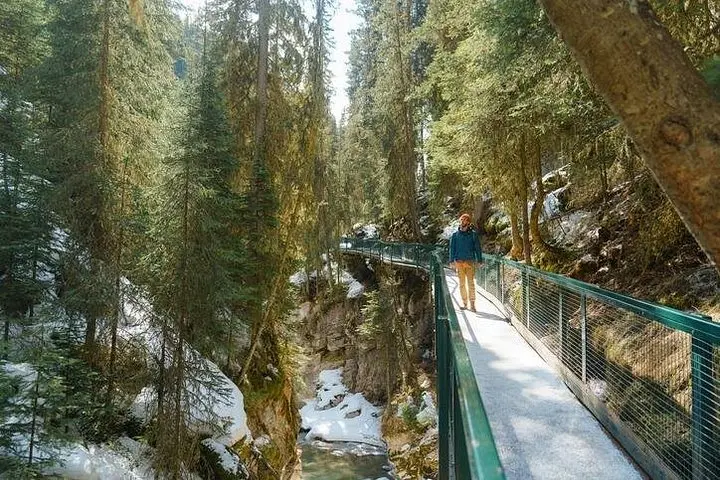
In eight efficient hours, experience the turquoise drama of Lake Louise and the cathedral-like icefalls of Johnston Canyon. This guided shuttle day trip from Banff/Canmore combines easy access, crisp winter scenery, and practical guidance for a high-reward Rockies outing.
 Related story
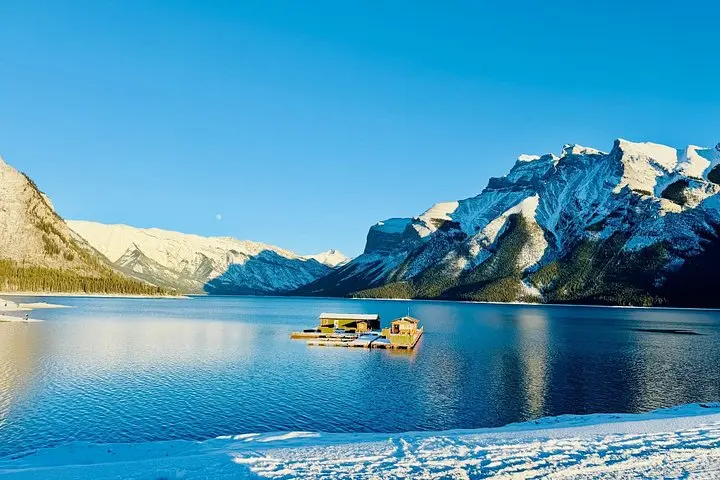
See Banff’s signature overlooks and hidden lakes in one compact, expertly guided 2.5-hour loop. Perfect for short-stay travelers who want big scenery without the driving.
 Related story
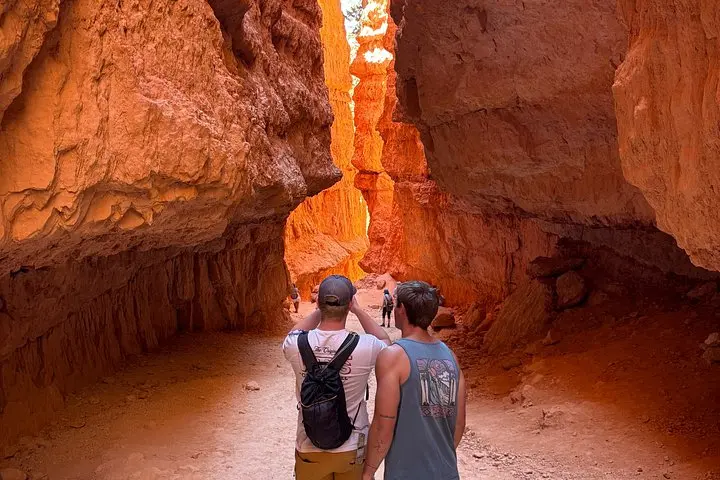
A guided sunrise hike down the Navajo Loop turns Bryce Canyon’s hoodoos from postcard scenery into an intimate geology lesson. Three miles, expert narration, and unforgettable light—this tour is the quickest way to understand how ice, time, and wind carved a city of stone.