
What the day feels like
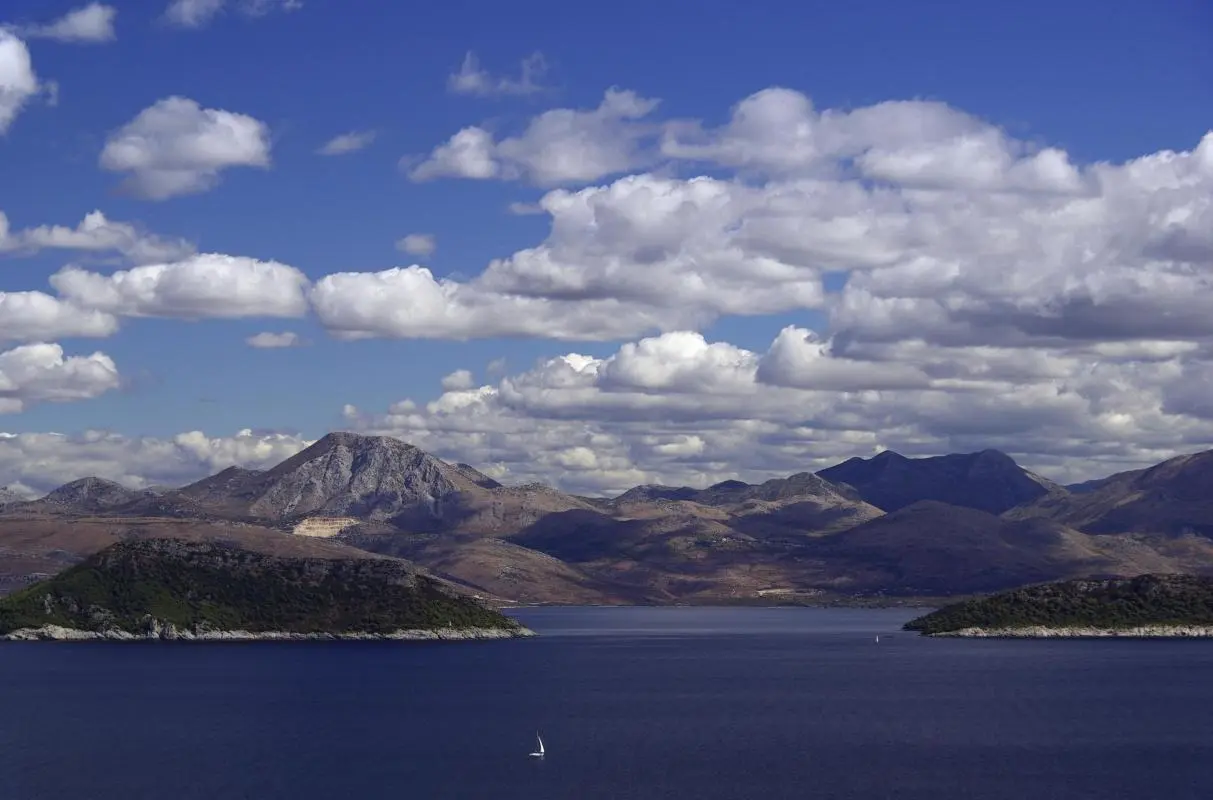
The engine settles into a steady, reassuring thrum and the coastline of Dubrovnik slides away: red-tiled roofs, city walls like a weathered spine, then open water and a string of green jewels floating on the Adriatic. The Elaphite Islands—three main inhabited dots and a scatter of smaller islets—do not announce themselves with drama. They draw you close with calm coves, pine-scented cliffs, and villages where the day’s catch is still being mended on the quay. On a bright morning you can be on their beaches within an hour; by sunset you’ll understand why local skippers speak of them like close relatives.
Geology here is honest and Mediterranean: limestone bedrock carved by millennia of waves and wind into caves, coves, and terraces that hold olive trees and ancient stone houses. The islands—Koločep, Lopud, and Šipan—sit a short skip from Dubrovnik, separated by channels that change color in seconds from glassy turquoise to deep indigo. The most visited features are tactile and immediate: Sunj, a rare sandy bay on Lopud where families dig toes into warm sand; the Blue Cave, a narrow mouth that filters light into an electric aquamarine; the quiet lanes of Šipan, where olives and vineyards meet a slow rhythm of life.
The name Elaphite (Elafiti in Croatian) comes from the Greek word elaphos—deer—an echo of ancient seafarers who mapped these islands long before tourism arrived. Venetian stonework and the traces of Ottoman-era trade sit beside small family-run restaurants and the modern comfort of a well-kept boat. Many operators are local families whose relationship to the sea goes back generations; their skippers double as storytellers, part sailor, part historian, part custodian of the best snorkeling spots.
What makes the Elaphites more than a pretty postcard is the tactile variety. On a single day trip you can hike a scrubby ridge for a view of Dubrovnik’s silhouette, drift in a crystal bay to snorkel over Posidonia meadows, and tuck into a seaside konoba (tavern) for grilled fish washed down with local wine. For active travelers, private speedboat charters open coves and caves that scheduled ferries can’t reach; for a quieter day, the premium three-island cruise combines history and hospitality—onboard lunch and a gentle pace that still leaves time for cliff jumps or an afternoon nap on deck.
Practical beats romantic here: tours come in 4- and 8-hour options, and guided cruises typically include snorkel gear and lunch while private charters can be customized—some even offer onboard wine from island vineyards. If you choose to rent a speedboat without a skipper, you’ll need a valid boat license and some confidence handling the wind and currents; if not, hiring a local skipper transforms the day into a living guide to the archipelago’s best pockets.
Timing matters. Summer brings warm sea temperatures and long days but also crowds; late spring and early fall balance swim-friendly water and thinner crowds, which is why many locals recommend September. The wind—bora or jugo—can alter plans quickly; a calm morning can become choppy by noon, so a sensible itinerary, flexible expectations, and a skipper who reads the sea are invaluable.
For planning: pack reef-safe sunscreen, water shoes for rocky landings, and a lightweight wind layer for the ride back to Dubrovnik. Bring cash for small island restaurants—some still prefer it—and respect local rules about anchoring: much of the seabed is important Posidonia habitat, so ask the crew where to drop anchor.
The Elaphites are both an invitation and a responsibility. The archipelago’s ecosystems are fragile: seagrass beds that store carbon and sustain fisheries can be damaged by careless anchoring; coastal paths are vulnerable to erosion when visitors stray off marked routes. The best visits are the ones that leave no trace—support a family skipper, buy a bottle of local wine, and swim with curiosity rather than conquest.
Whether you spend a day chasing the iridescent hush of the Blue Cave, a lazy afternoon on Sunj’s sand, or an entire week hopping quieter islets and sampling every waterfront konoba, the Elaphites deliver a compact, elemental Adriatic experience: sun, sea, stone, and the steady human rhythm that has defined this stretch of coast for centuries. It’s close to Dubrovnik in minutes and far away in tempo—an island loop that rewards both improvisation and a little planning.
Trail wisdom
Small choices, better day.
Book morning departures
Calmer seas and softer light make early departures better for snorkeling and cave visits; afternoons can be windier.
Use reef-safe sunscreen
Protect Posidonia seagrass and marine life—choose reef-safe sunscreen to minimize ecological impact while swimming and snorkeling.
Bring water shoes
Many shore landings are rocky; water shoes make exits, entries, and short island walks far more comfortable.
Pack small cash
Island konobas and village vendors sometimes prefer cash for small purchases; keep a few euros handy.
Local knowledge
Read the place, not just the route.
Watch for native species including Bottlenose dolphins, Seabirds (cormorants, terns).
Keep an eye out for wildlife during the transition between areas and habitats. Respect distance guidelines.
Posidonia seagrass meadows are vital to the Adriatic’s health—avoid anchoring on them, use reef-safe sunscreen, and choose local operators who follow sustainable practices.
Follow the guide's instructions on size limits, ethical handling, and leave-no-trace practices.
Ruda Bay (Šipan) — a turquoise swimming cove beloved by locals. Sunj Beach (Lopud) — one of the few sandy beaches near Dubrovnik
Locally recommended viewpoints and quiet spots known best to local operators.
Named from the Greek word for deer (elaphos), the islands bear layers of Venetian and Ottoman-era influence alongside centuries-old olive groves and fishing traditions.
Maritime roots and regional tradition shape the waterways and working coasts.
Seasonal guide
Four versions of the same landscape.
Spring
Best forHiking island trails · Fewer crowds · Cooler water for brisk swims
ChallengesUnsettled weather · Sea can be choppy on windy days
Late spring sees mild temperatures, blooming maquis, and thinner crowds—good for exploring beaches before peak season, though the sea may still be fresh.
Summer
Best forWarm sea swimming · Full-service tours and restaurants · Long daylight hours
ChallengesCrowds at popular spots · Strong midday sun and occasional summer winds
High summer is ideal for swimming and full-day cruises—expect busier bays and plan sun protection and hydration for long days on deck.
Fall
Best forWarm sea after heat of summer · Fewer tourists · Harvest events on islands
ChallengesShortening days · Some services reduce hours after September
Early autumn (September) often offers the best balance—warm water, thinner crowds, and calmer seas—making it a favorite window for island hopping.
Winter
Best forQuiet island walks · Birdwatching · Off-season photography
ChallengesLimited services and closed restaurants · Cool water and rougher seas
Winter is quiet and atmospheric but many tourist services close; excursions are possible with private operators but expect colder conditions.
Pack with intention
What to bring.
Good to know
Common questions.
Tours range from short 4-hour trips (perfect for Koločep and Lopud) to full 8-hour island-hopping days that include Šipan and multiple swim stops.
Plan the edges
The details that make the day easier.
The name 'Elaphite' derives from the Ancient Greek word elaphos (deer); ancient references suggest the islands once supported deer populations, lending the archipelago its name.
Konobas on Šipan and Lopud serve island-cured olives, grilled fish, and local wines; many boat operators are family-run—buy a bottle of island wine or olive oil to support local producers.
- Departure
- Dubrovnik Old Port or Gruž Marina; Duration: 4–8 hours; Best time: June–September (September ideal for fewer crowds); Booking: private or small-group cruises available—ask about included gear and lunch.
Choose operators who use moorings rather than anchoring on seagrass, insist on reef-safe sunscreen, and support local island businesses to keep tourism benefits within the community.
Explore by topic
Follow the threads.
Keep exploring
Make the story part of the trip.
 Related story
Compress the classics of Alaskan winter into a single weekend: dog sleds across frozen lakes, a snowmobile backcountry transfer, private cabins and nightly aurora hunts. This is an immersive, comfortable entry into the Iditarod world.
 Related story
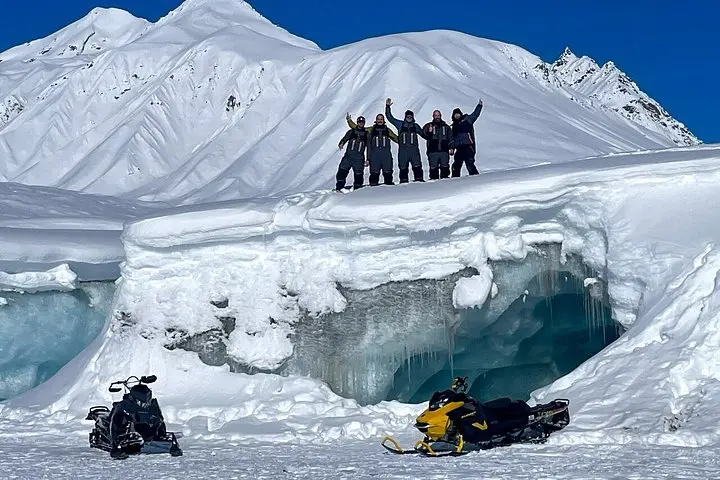
Three days, guided snowmobiles, and a base at Alpine Creek Lodge—this expedition mixes backcountry thrills with lodge-side comforts as you ride toward the Maclaren Glacier and the raw winter of the Denali Highway.
 Related story
From Robberg’s wind-scoured cliffs to cave chambers and an open 4x4 game drive, this five-day Garden Route loop packs seaside hikes, whale watching and wine into one efficient, well-paced adventure.