
What the day feels like
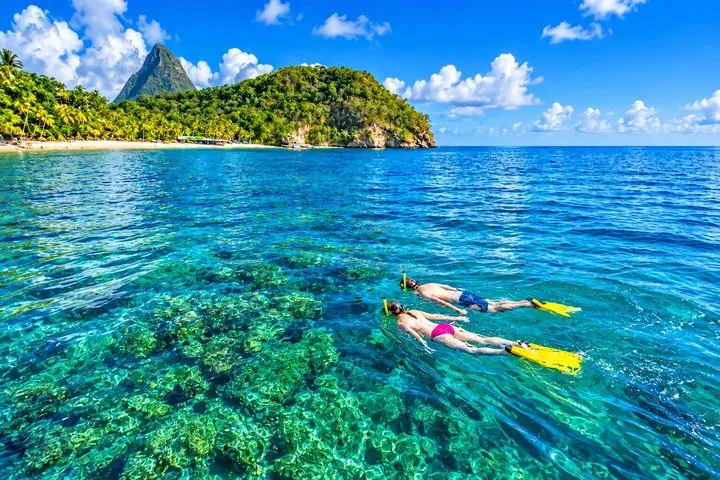
You step off the boat and the Caribbean doesn’t whisper — it announces itself. The water at Anse Chastanet is a clean, high-contrast blue that pulls at your mask as if it has its own gravity; coral plates fan beneath the surface and a parade of damselfish and parrotfish go about their business, indifferent and unbothered by the human interruption. Onshore, green hills climb immediately out of the sand, the long silhouette of Gros Piton leaning like an old landmark, patient and geological in its indifference.
That juxtaposition — warm saltwater, live coral, and smoking volcanic earth a few minutes’ drive away — is the eastern character of Soufrière. This five-to-six-hour excursion stitches together the island’s three distinct moods: the sea around Anse Chastanet, the therapeutic vaguery of volcanic mud at Sulphur Springs, and the freshwater rush of Toraille Waterfall. Each place has its own texture and its own rules: the reef requires gentleness, the mud demands surrender, and the waterfall insists on a quick, sharp inhale as water runs cool across your shoulders.
The geology is blunt and immediate. Saint Lucia is the result of ancient eruptions and plate-tectonic impatience; the twin Pitons — Gros and Petit — are remnants of volcanic plugs and sea-churned rock that rise like bookends to the Soufrière bay. Sulphur Springs, a short drive inland from Anse Chastanet, still exhales steam. The mud baths sit at the surface of an active geothermal system: mineral-rich clays warmed by subterranean heat. Locals have bathed in these pools for generations, long before organized tours arrived. The Toraille Waterfall, fed by higher-elevation streams, tumbles down through rainforest and provides the clearest counterpoint — freshwater washing away salt and sulphur after a day of island therapies.
Culturally, Soufrière reads as a working town with an outsized tourism draw. Creole traditions linger in food and language; roadside stands sell fried fish, fried bread, and roasted provisions; vendors will welcome you with quiet persistence rather than the aggressive sales pitch you might find in larger tourist hubs. The smell of grilling seafood and the tang of local spices are part of the post-adventure soundtrack.
Why do this day trip? It compacts the island into a single useful chapter: reef ecology, volcanic geology, and rainforest hydrology, all easily accessible from one central point. For travelers, it’s a pragmatic way to experience Saint Lucia’s variety without committing to separate excursions on different days. The snorkeling at Anse Chastanet is often cited as one of the island’s best because the reef slopes close to shore, meaning you spend less time on transit and more time watching life unfold beneath the surface. The mud bath is a low-effort, high-delight spa experience — smear yourself in warm clay, let minerals settle into your skin, and rinse in natural pools. Finally, Toraille Waterfall is a shortcut to the rainforest: short walk, cool plunge, big payoff.
Practical edge: plan this as a morning-to-afternoon outing (5–6 hours total). The boat ride can be pleasantly breezy; sunscreen and a light windlayer are sensible. Reef-safe sunscreen is non-negotiable — the coral you’ll admire is fragile and slow-growing. Footwear matters on the waterfall path (rubber-soled shoes or sandals that grip), and bring a dry bag for valuables during the mud-bath step. Hydration and small snacks keep energy humming; there’s usually a buffet lunch as part of organized outings, but options for additional snacks can be limited.
Timing is tactical. Opt for mid-morning departures to catch the reef at calmer conditions and avoid the hottest midday sun during the mud-bath portion. If you’re prone to motion sickness, start with a light snack and take a patch or medication ahead of time; the short boat transfer is usually smooth but can be choppier in the afternoon. Guides on these trips tend to be knowledgeable about the reef and the waterfalls; ask them about fish IDs and local ecology — they love to point out the reef’s resident characters.
Leave room for curiosity. If time and energy allow, linger on the headland paths near the beach at Anse Chastanet for layered views of the Pitons and sea. Taste the local rhythm by trying green fig and saltfish or a freshly grilled snapper back in Soufrière. And be mindful: this blend of reef and geothermal features is fragile. Walk lightly, pack out what you bring, and follow guide instructions when near coral or hot springs.
The tour offers something for too many traveler types: families who want a single, varied day; divers and snorkelers who’ll appreciate the reef access; travelers chasing geological oddities like the drive-in Sulphur Springs; and anyone wanting a low-effort but high-quality introduction to the inland and coastal flavors of Saint Lucia. It’s an efficient, sensory-rich itinerary — the kind of day where you slip into different elements and feel the island’s many faces in quick succession.
If you have room in your schedule, pair this day with a sunrise hike on Petit Piton or a relaxed afternoon at a nearby botanical garden. But even as a standalone, an Anse Chastanet boat ride, a dip in mineral mud, and a waterfall plunge make for a day that reads like a miniature island biography: marine, molten, and green.
Trail wisdom
Small choices, better day.
Use Reef-Safe Sunscreen
Apply reef-safe sunscreen before boarding and reapply according to product instructions to protect coral ecosystems.
Bring a Waterproof Bag
A small dry bag keeps phones, keys and cash safe during boat transfers and waterfall swims.
Wear Grippy Footwear
Choose sandals or shoes with good traction for walking to the waterfall and on wet rocks.
Hydrate and Pace Yourself
Drink water before and after the mud bath — the minerals and heat can be dehydrating; avoid alcohol until after the day.
Local knowledge
Read the place, not just the route.
Watch for native species including Parrotfish, Reef squid.
Keep an eye out for wildlife during the transition between areas and habitats. Respect distance guidelines.
Reef health is fragile — use reef-safe sunscreen, avoid touching coral, and follow guide instructions to minimize impact on marine life.
Follow the guide's instructions on size limits, ethical handling, and leave-no-trace practices.
Headland trails near Anse Chastanet Resort for unobstructed views of the Pitons. Small roadside stands in Soufrière for freshly fried fish and local snacks
Locally recommended viewpoints and quiet spots known best to local operators.
Soufrière’s landscape has been shaped by centuries of volcanic activity and colonial sugar estates; the Sulphur Springs were used historically for therapeutic baths and by local communities long before tourism developed.
Maritime roots and regional tradition shape the waterways and working coasts.
Seasonal guide
Four versions of the same landscape.
Spring
Best forCalmer seas for snorkeling · Fewer crowds · Warmer water temperatures
ChallengesIntermittent rain showers · Higher humidity
Spring brings warm water and fewer tourists, with occasional showers — good for snorkeling and quieter beaches.
Summer
Best forLush rainforest scenery · Long daylight hours
ChallengesHigher chance of tropical storms · Warmer temperatures and humidity
Summer fills the hills with green growth; expect hotter, more humid conditions and an increased chance of storms.
Fall
Best forLower shoulder-season prices · Good marine visibility on calm days
ChallengesHurricane season peaks · Unpredictable sea conditions
Fall can offer deals and calm windows but carries hurricane-season risk — monitor forecasts and travel insurance.
Winter
Best forDry weather and cooler evenings · Optimal snorkeling visibility
ChallengesSlightly busier with peak-season travelers · Higher prices
Winter (dry season) offers the most reliable snorkeling conditions and cooler mornings, though it’s the busiest time.
Operator details
What the booking data adds.
Included
- ✓Bottled water
- ✓Speedboat to Anse Chastanet
- ✓Alcoholic Beverages
- ✓Lunch
- ✓Mud Bath & Toraille Waterfall
- ✓Air-conditioned vehicle
- ✓Use of Free Snorkeling
- ✓Hotel Pickup And Drop-off
- ✓Visit Bat Cave
- ✓Cruise port Pickup and drop-off
Good to know
- ✓Service animals allowed
- ✓Specialized infant seats are available
- ✓Suitable for all physical fitness levels
Pack with intention
What to bring.
Good to know
Common questions.
Expect about 5–6 hours total, including boat transfers, snorkeling, the mud-bath stop and Toraille Waterfall visit.
Plan the edges
The details that make the day easier.
The Sulphur Springs near Soufrière are marketed as the Caribbean’s only drive-in volcano, where visitors can see steaming vents and take mineral-rich mud baths.
After the tour, head back toward Soufrière for roadside snacks and local plates — try green fig and saltfish or a freshly grilled fish with a cold rum punch; small cafés and market stalls offer the most authentic bites and a chance to chat with locals.
- Closest airport
- Hewanorra International Airport (UVF) ~45–60 minutes drive; Typical pick-up: hotel or cruise port in Castries
- Soufrière; Driving distance from Soufrière town
- under 10 minutes to Anse Chastanet by boat access; Cell service: patchy in sheltered coves; Permits: none required for day tours.
This tour visits sensitive coral reefs and geothermal areas — use reef-safe sunscreen, avoid standing on coral, and dispose of trash properly; support local guides who practice low-impact tourism.
Explore by topic
Follow the threads.
Keep exploring
Make the story part of the trip.
 Related story
Compress the classics of Alaskan winter into a single weekend: dog sleds across frozen lakes, a snowmobile backcountry transfer, private cabins and nightly aurora hunts. This is an immersive, comfortable entry into the Iditarod world.
 Related story
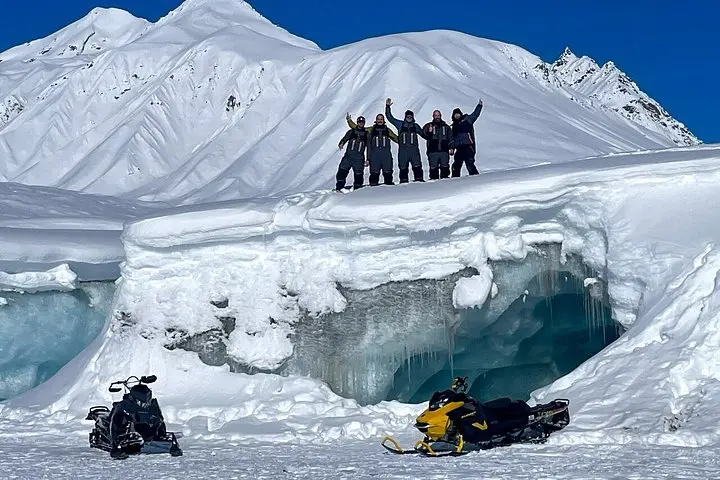
Three days, guided snowmobiles, and a base at Alpine Creek Lodge—this expedition mixes backcountry thrills with lodge-side comforts as you ride toward the Maclaren Glacier and the raw winter of the Denali Highway.
 Related story
From Robberg’s wind-scoured cliffs to cave chambers and an open 4x4 game drive, this five-day Garden Route loop packs seaside hikes, whale watching and wine into one efficient, well-paced adventure.