
What the day feels like
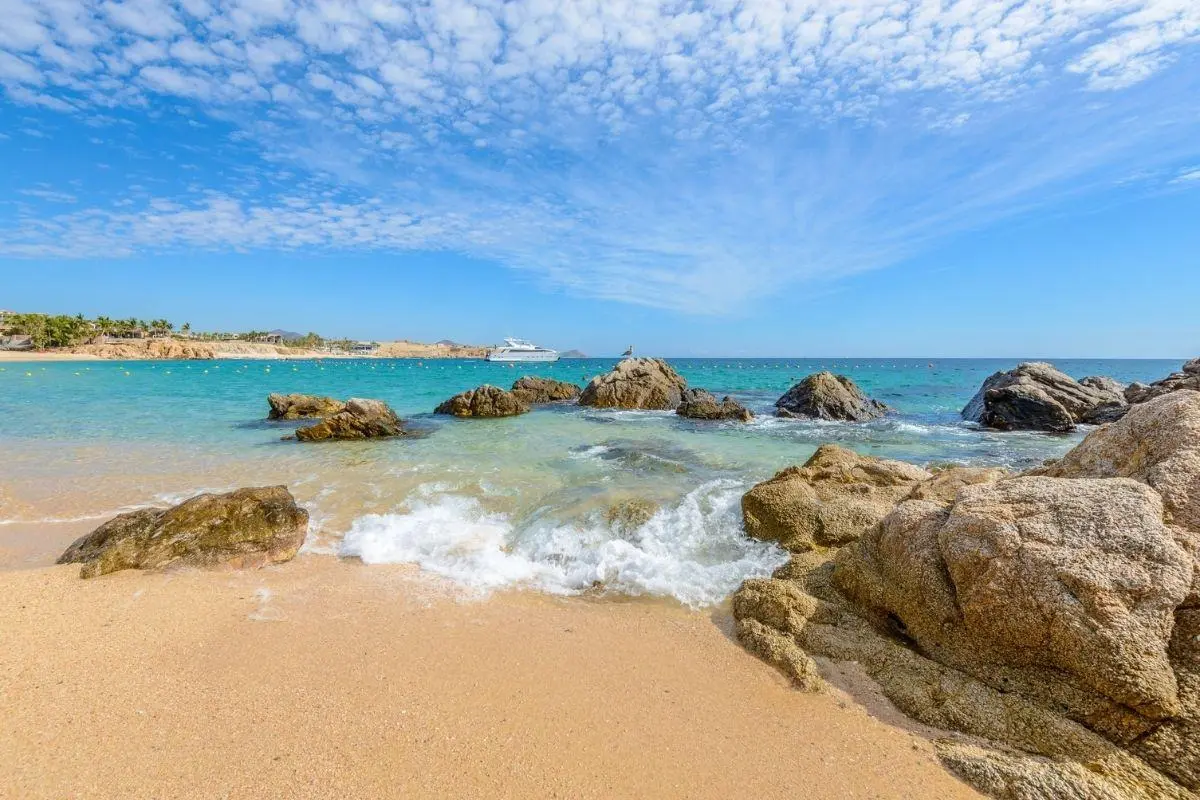
The first thing you notice stepping onto Chileno Beach is how the Pacific and the desert seem to take a breath together. Sand warms underfoot, sunlight tangles with the gray-brown arms of wind-sculpted rock, and the Sea of Cortez unfurls a palette of aquamarine so vivid it looks edited. Here, at Bahía Chileno, the water lures you with an easy voice: calm, clear, and full of life. Boats glide slowly past—sailboats with tasseled mains, glass-bottom skiffs pointing toward Land's End, and the occasional fishing panga heading for deeper blue. The bay is small, but it introduces you to the Sea of Cortez in microcosm: a place where geology, oceanography, and human history collide with simple pleasures like snorkeling and a day under an umbrella.
Geology carved what you see. The iconic granite arches and stacks at Lands End are relatives of the cliffs that frame Chileno Bay; both are the product of tectonic stresses and slow, relentless erosion. Those rocks shelter a living reef that, because of its shallow contours and protection from heavy swell, supports dense schools of parrotfish, angelfish, and striped sergeant majors. Jacques Cousteau called the Sea of Cortez the Aquarium of the World for good reason—divers and snorkelers here routinely find more species in a single bay than they might expect in an entire temperate ocean basin.
Chileno Bay has also earned a badge of stewardship: a Blue Flag designation which signals clean water, safety, and good beach management. That status is not accidental. Local guides, operators, and rescuers work a practical choreography—installing umbrellas, monitoring currents, and teaching respectful snorkeling—to keep the place healthy and approachable for families and first-time snorkelers. The beach sits a short drive from Cabo San Lucas, but it feels removed enough to be an invitation rather than a spectacle.
Activities match the setting. Morning glass-bottom boat trips start from the marina and work their way around the Arch at Land's End before easing into Chileno Bay, where the water drops to shallow snorkeling-friendly depths—typically five to twenty feet—over a living reef. Small catamarans and luxury sails offer half-day retreats with gourmet lunches and open bars; their decks are ideal for sunbathers and photographers who want wide, slow vistas of the coastline. For families, the pirate-ship snorkel tours add theatrical flourishes—walk the plank, plunge into the sea, then surface to laughs and tacos—while anglers opt for all-inclusive fishing charters that chase dorado, wahoo, and the region's famed marlin beyond the bay.
Practicalities are straightforward but matter. The best windows for calm water and visibility are generally spring into early summer when the Sea of Cortez is warm and the trade winds are lighter. Snorkel conditions are easiest on glassy mornings; afternoons can bring more boat traffic and chop. Bring reef-safe sunscreen, a snug-fitting snorkel mask, and a lightweight wetskin if you plan long swims—sun exposure and subtle hypothermia from repetitive immersion are the usual culprits for discomfort. Facilities at Chileno are basic but well-maintained: lifeguards on duty during peak season, shaded rental umbrellas, and a scattering of palapa vendors selling food and cold drinks.
If you go by boat, the approach gives you another layer of place: the Arch at Land's End, sea lion colonies clinging to granite perches, and the fringe desert rolling down toward beaches that end in the water rather than in marshy flats. Guides often weave in short cultural stops—a tequila tasting in town or a visit to a blown-glass studio—so the day can be as refined or as rowdy as you like.
Culturally, Los Cabos is a mix of old fishing village and international resort hub. That duality surfaces everywhere: a local fisherman mending nets beside a high-end marina, family-run taco stands within a 10-minute walk of stainless-steel yachts. Respect goes a long way: listen to guides about where to step in and out of the water, avoid touching coral, and carry plastic out with you if you bring it in.
For planners: aim for a morning snorkel followed by a slow lunch and a siesta under a rented umbrella. If you want privacy and control, book a small-group luxury sailing or a private charter; for a lively crowd experience, a catamaran or themed pirate cruise will deliver. If fishing is your goal, choose a longer, all-inclusive trip that moves beyond the bay and includes local bait and targeted gear. Reservations during high season—December through April—are wise, especially for specialized excursions.
Chileno is undemanding in terms of effort: you won’t scale ridgelines or hike miles to reach magic. What it does ask for is curiosity—about a reef’s subtle ecology, about the way wind and tide change a shoreline, and about the human stories that have turned this bay into both a protected place and a playground. Walk slowly, breathe through the snorkel, and let the water do the persuading; in a few strokes you’ll understand why travelers keep coming back to this particular corner of the Sea of Cortez.
Trail wisdom
Small choices, better day.
Arrive early
Morning hours offer the calmest water and best snorkeling visibility before wind and boat traffic increase.
Use reef-safe sunscreen
Apply biodegradable sunscreen before entering the water to protect corals and local wildlife.
Rent a beach umbrella
Shade rentals are convenient and keep you cool between swims—bring a light towel and closed-toe water shoes.
Listen to your guide
Follow instructions for snorkel entry/exit points and respectful distances from wildlife and the reef.
Local knowledge
Read the place, not just the route.
Watch for native species including Sea lions, Parrotfish.
Keep an eye out for wildlife during the transition between areas and habitats. Respect distance guidelines.
Local operators participate in reef-friendly practices and the Blue Flag program; visitors can help by using reef-safe sunscreen and avoiding touching coral.
Follow the guide's instructions on size limits, ethical handling, and leave-no-trace practices.
Walk the short point at low tide east of the main bay for quieter snorkeling pockets. Visit a local blown-glass studio or tequila tasting in Cabo San Lucas on the same day trip
Locally recommended viewpoints and quiet spots known best to local operators.
Chileno Bay sits within the geological sweep that formed the Baja California peninsula; local communities historically fished these bays and now balance tourism with conservation.
Maritime roots and regional tradition shape the waterways and working coasts.
Seasonal guide
Four versions of the same landscape.
Spring
Best forCalm seas and excellent visibility · Snorkeling young-of-year fish · Mild air temperatures
ChallengesOccasional spring winds · Higher visitor numbers around spring break
Spring brings some of the best visibility and moderate water temperatures—ideal for long snorkel sessions and family trips.
Summer
Best forWarm water swims · Family beach days · Long daylight hours
ChallengesStronger sun and heat · Occasional afternoon breezes
Summer heats up the water and the sand; plan early starts and bring ample sun protection and water.
Fall
Best forLess crowded beaches · Good early-season pelagic fishing · Warm water conditions
ChallengesPossible residual summer currents · Service reductions as high season approaches
Fall combines warm sea temperatures with fewer crowds, a sweet spot for anglers and those seeking quieter snorkels.
Winter
Best forWhale watching offshore · Cooler air temps for land activities · Clear, crisp mornings
ChallengesCooler water temperatures · Higher tourist numbers during holidays
Winter attracts whale-watchers and holiday travelers; water is cooler but often very clear—bring a wetskin for longer swims.
Pack with intention
What to bring.
Good to know
Common questions.
Chileno is about a 20–30 minute drive from central Cabo San Lucas by car or shuttle; many tours depart the marina and include boat transfer directly to the bay.
Plan the edges
The details that make the day easier.
Chileno Bay is one of the Blue Flag certified beaches in Mexico, recognized for its water quality, safety, and environmental management.
Los Cabos blends old fishing-town soul with international tourism—after a morning at Chileno, sample fish tacos from a local stand and browse hand-blown glass from nearby artisans.
- Duration
- half-day to full-day; Access: boat or 20–30 min drive from Cabo; Facilities: seasonal lifeguards, umbrella rentals, vendors; Booking: reserve tours during high season.
Support operators who use biodegradable products, keep to designated swim areas to protect reef life, and pack out any trash—small choices maintain the bay’s Blue Flag status.
Explore by topic
Follow the threads.
Keep exploring
Make the story part of the trip.
 Related story
Compress the classics of Alaskan winter into a single weekend: dog sleds across frozen lakes, a snowmobile backcountry transfer, private cabins and nightly aurora hunts. This is an immersive, comfortable entry into the Iditarod world.
 Related story
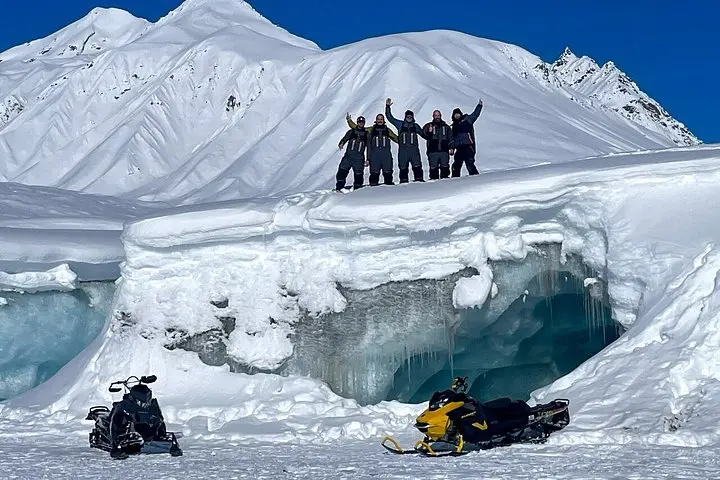
Three days, guided snowmobiles, and a base at Alpine Creek Lodge—this expedition mixes backcountry thrills with lodge-side comforts as you ride toward the Maclaren Glacier and the raw winter of the Denali Highway.
 Related story
From Robberg’s wind-scoured cliffs to cave chambers and an open 4x4 game drive, this five-day Garden Route loop packs seaside hikes, whale watching and wine into one efficient, well-paced adventure.