
What the day feels like
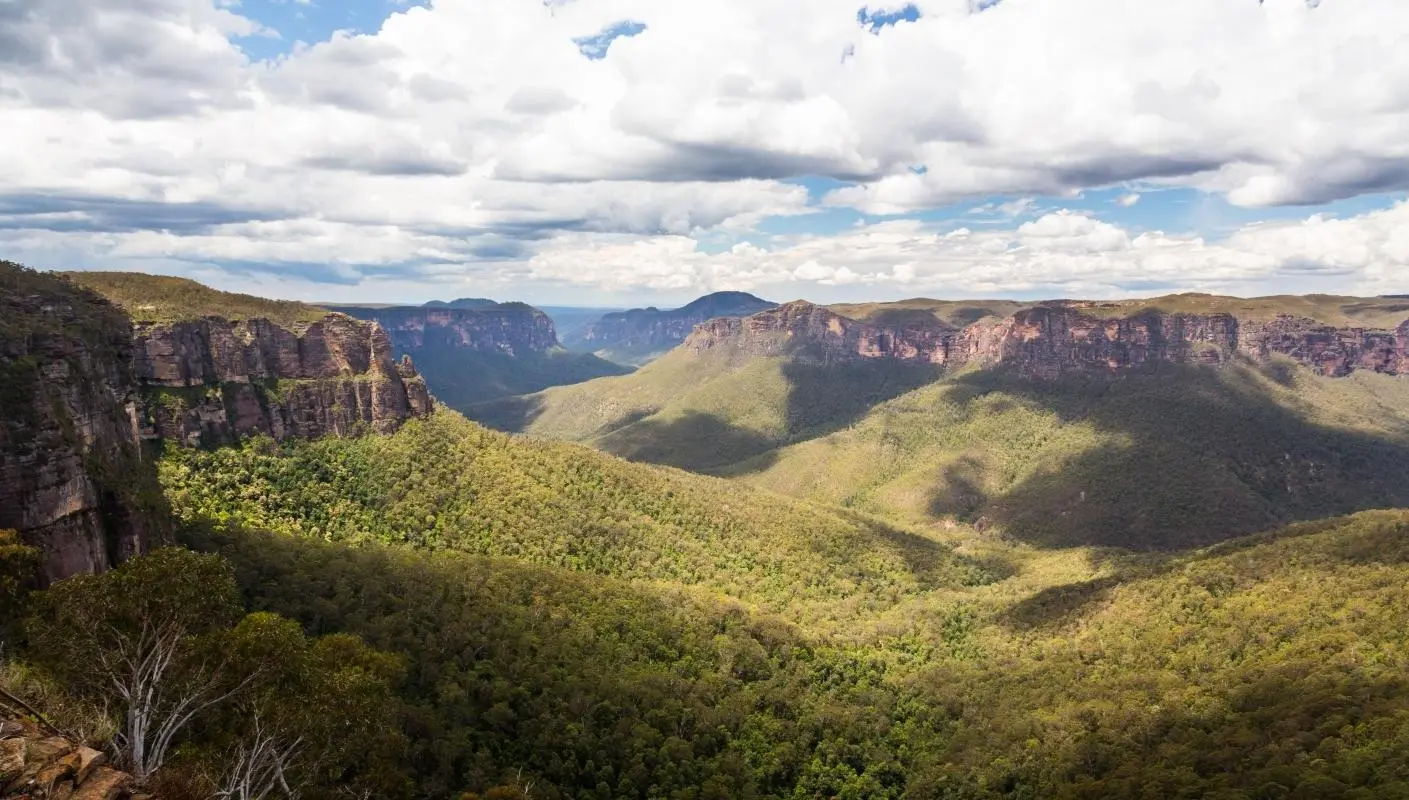
The wind at Govetts Leap has a voice. It threads through ringbarked eucalypts and pushes straight at the cliff edge, lifting the smell of crushed leaves and dust before it tumbles into the Grose Valley below. You walk up to the paved lookout and for a moment the world tightens to a single horizontal line: a blue-tinged forest sea, sandstone cliffs carved into ribs and spires, and a drop that resolves into mist and distant waterfalls. It’s dramatic in a blunt, elemental way — more geology than theater — the kind of place where silence is an ingredient in the view.
Govetts Leap is both a stage and a doorway. The formal lookout is intimate and accessible, a short approach from the parking area that gives most visitors their first, breathless impression. Yet the real terrain is larger and rougher: fern-lined gullies, steep stone steps, and ridgelines that invite you to keep walking. Locals know the area for its network of short but rewarding trails — vantage points like Pulpit Rock, the rim walks that angle toward Blackheath, and the path down to Govetts Leap Falls — where the 180‑metre cliff face earns its reputation.
This is Blue Mountains country: a landscape authored by sandstone, water, and time. The Grose Valley is a broad amphitheater cut by ancient rivers; its cliffs are strata of rust-colored rock weathered into ledges and pillars. Under the canopy, the dominant gum trees release oils that give the air a distinct, resinous perfume and lend the distant ridgelines their bluish haze — from which the region takes its name. Aboriginal peoples, including the Dharug and Gundungurra nations, were the first to read and traverse this terrain for millennia, and their stories remain attached to prominent formations and travel routes throughout the park.
In the 19th century, Govetts Leap was named for William Romaine Govett, the government surveyor who first reported the dramatic viewpoint to colonial authorities. Later visitors added walking tracks and built lookouts; today the site is part of the UNESCO-listed Blue Mountains, a protected temperate eucalypt forest ecosystem that supports a surprising diversity of wildlife and a popular visitor economy centered on small-group tours and local guides.
The area’s tour culture suits every type of traveler. For a day trip, small-group tours that combine Featherdale Wildlife Park with stops at Lincoln’s Rock, Echo Point, and Govetts Leap are efficient and informative; private guides can take you further off the beaten track, into quieter gullies and lesser-known viewpoints. A 2‑day itinerary lets you spread the walking out, fit in the rides at Scenic World, and linger in village cafés in Leura or Blackheath. But Govetts Leap’s character is best sampled on foot, taking a 45‑minute rim walk for sunrise or a quieter late-afternoon loop after the tour buses have left.
Practicality anchors the romance here. Govetts Leap Lookout itself is an easy, short walk from the car park; the trail is paved in places but the terrain beyond becomes uneven, with compact dirt tracks and sandstone steps. Expect short steep sections where careful footing matters — good hiking shoes with grip are advised. Water is non-negotiable: there are no services on the trails. Weather is mercurial in the mountains; mornings can be glass-clear while an afternoon cloud bank rolls in and drops visibility. If you plan to descend toward the falls or into the valley, allow for a steeper exertion and an equally careful return — trails that drop 100–200 metres are unforgiving when wet.
Wildlife rewards patience: wallabies come to browse in the late light, and the superb lyrebird can be spotted foraging among leaf litter. Birdsong fills the morning, and if you linger long enough you’ll notice the scent and sound profile changing with elevation — cooler, damper gullies versus exposed, wind-honed ridgelines.
Timing is the smallest lever to a richer visit. Sunrise and late afternoon shift the sandstone from ochre to red and give the valley depth; autumn brings a clearer air and a quieter park as day-trippers thin out. For a balance of convenience and solitude, book an early morning private or small-group tour that includes Govetts Leap and a stop at nearby lookouts like Evans or Sublime Point; for photographers, blue hour and the hour after sunrise deliver the best light.
Leave no trace is more than a slogan in the Blue Mountains. Stick to maintained tracks, take any rubbish with you, and avoid feeding wildlife — human food alters animal behavior and health. If you can, support a local guide: they keep buses off narrow roads, share landscape knowledge, and funnel tourism dollars into small communities like Blackheath and Leura.
Govetts Leap is a compact, intense experience of the Blue Mountains: part geological cathedral, part backyard for residents and wildlife. Approach it with sturdy shoes, an appetite for views, and a curiosity for the stories etched into the rocks. You’ll come for the cliff; you’ll leave knowing a little more about the way a landscape can hold both history and the present tense of wind and water.
Trail wisdom
Small choices, better day.
Go early or late
Sunrise and late afternoon offer the best light and fewer crowds; aim for at least 60 minutes at the lookout to absorb changing views.
Footing matters
Wear grippy hiking shoes—tracks include sandstone steps and loose dirt; take poles if you plan to descend to the falls.
Carry water and snacks
There are no services on the trails; bring at least 1–2 liters per person for short walks and more for longer hikes.
Respect wildlife and country
Stay on marked trails, don’t feed animals, and be mindful of cultural sites tied to local Aboriginal history.
Local knowledge
Read the place, not just the route.
Watch for native species including Eastern grey kangaroo, Superb lyrebird.
Keep an eye out for wildlife during the transition between areas and habitats. Respect distance guidelines.
Govetts Leap is in the UNESCO-listed Blue Mountains National Park; stick to trails and support local guides to reduce impacts on sensitive ecosystems.
Follow the guide's instructions on size limits, ethical handling, and leave-no-trace practices.
Pulpit Rock — a quieter rim viewpoint with strong valley perspective. Govetts Leap Falls walking track — short descent to where the cliff yields to waterfall views
Locally recommended viewpoints and quiet spots known best to local operators.
Govetts Leap is named after William Romaine Govett, an early 19th-century government surveyor; the area sits within the traditional lands of Dharug and Gundungurra peoples.
Maritime roots and regional tradition shape the waterways and working coasts.
Seasonal guide
Four versions of the same landscape.
Spring
Best forwildflowers · birdwatching · milder hikes
Challengespossible rain showers · muddy tracks
Spring brings new growth and active birdlife; trails can be muddy after rain so expect variable footing.
Summer
Best forlonger daylight · full canopy shade
Challengesheat spikes · thunderstorms
Summer offers long days and lush forest, but bring sun protection and watch afternoon thunderstorm forecasts.
Fall
Best forcrisper air · clear vistas
Challengescooler mornings · shorter daylight
Autumn is a prime time for visibility and cooler hiking conditions—dress in layers for chilly starts.
Winter
Best fordramatic skies · fewer crowds
Challengescold temperatures · frozen or slick patches
Winter can be clear and still, producing stark light and extended views; check for icy surfaces on shaded tracks.
Pack with intention
What to bring.
Good to know
Common questions.
The paved approach from the parking area to the main viewpoint is short and accessible—typically under 10 minutes; exploring surrounding rim walks will add time.
Plan the edges
The details that make the day easier.
Govetts Leap is named after William Romaine Govett, a 19th-century government surveyor who documented the dramatic viewpoint.
Base your visit in Blackheath or Leura to sample local cafés, bakeries and craft shops—both towns have a relaxed mountain vibe and are staging points for guided walks and small-batch wineries in the Megalong Valley.
- Nearest town
- Blackheath. Access: ~1.5–2 hours from Sydney by car or guided tour. Parking: limited in peak season. Facilities: picnic and toilets near main lookout; no on-trail services. Safety: stay on marked tracks, bring water and sun protection.
Travel with a local guide where possible, follow Leave No Trace principles, avoid single-use plastics, and respect indigenous cultural sites and signage.
Explore by topic
Follow the threads.
Keep exploring
Make the story part of the trip.
 Related story
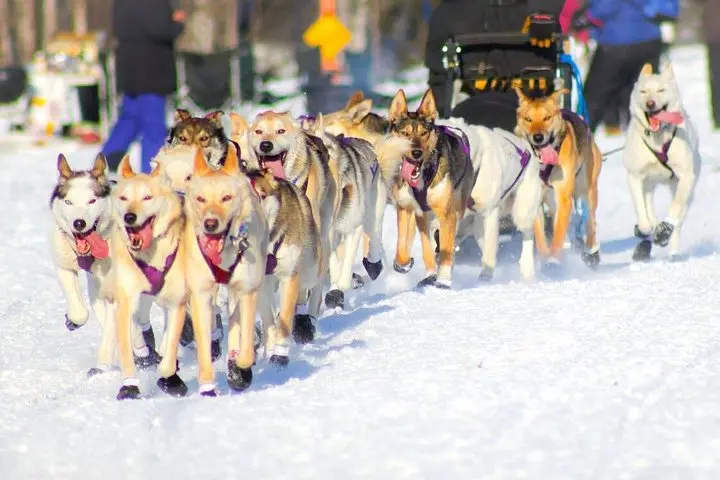
Compress the classics of Alaskan winter into a single weekend: dog sleds across frozen lakes, a snowmobile backcountry transfer, private cabins and nightly aurora hunts. This is an immersive, comfortable entry into the Iditarod world.
 Related story
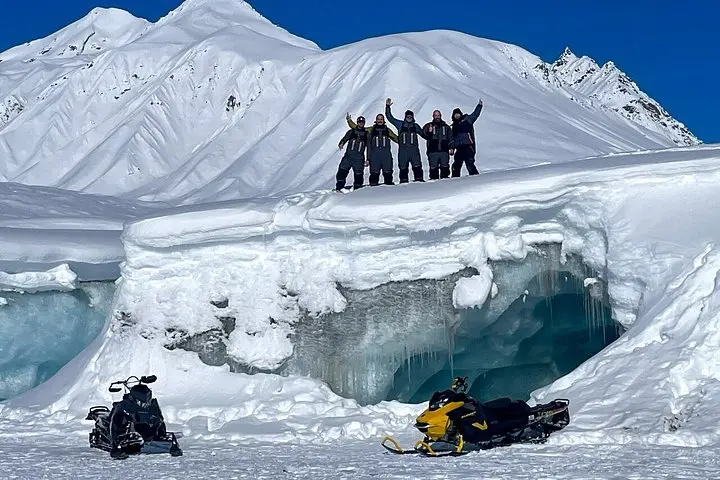
Three days, guided snowmobiles, and a base at Alpine Creek Lodge—this expedition mixes backcountry thrills with lodge-side comforts as you ride toward the Maclaren Glacier and the raw winter of the Denali Highway.
 Related story
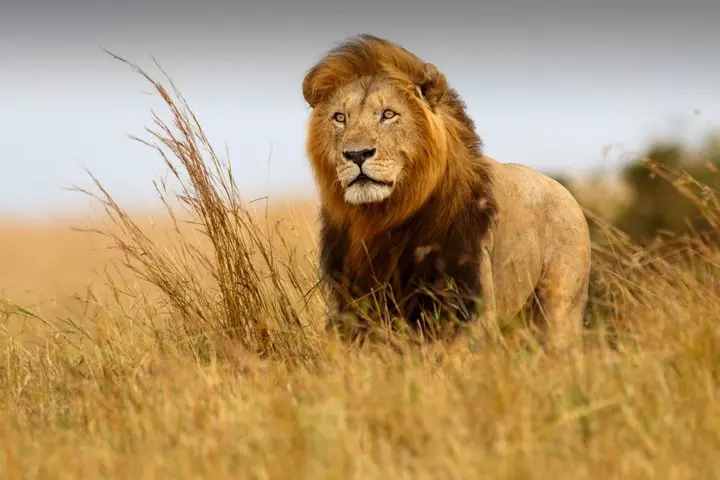
From Robberg’s wind-scoured cliffs to cave chambers and an open 4x4 game drive, this five-day Garden Route loop packs seaside hikes, whale watching and wine into one efficient, well-paced adventure.