
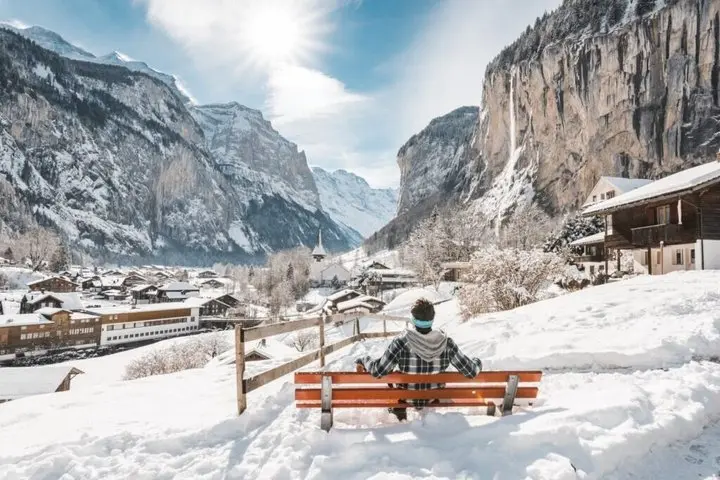
What the day feels like
The morning fog over Lake Thun lifts like a curtain. You’re behind the wheel of a private car—or settled in the back while a friendly driver-cum-host steers you out of Interlaken—when the Alps rearrange themselves in the windshield: jagged teeth of rock, a scattering of chalets, a valley that seems to have been poured into a basin and finished with waterfalls. The tour unfolds like a well-edited film. First, a cool subterranean act at the St. Beatus Caves, then the postcard-perfect village scenes of Grindelwald and Lauterbrunnen, a hush in the tiny hamlet of Isenfluh, and finally a lakeside denouement in Iseltwald on turquoise Lake Brienz.
It’s a full day—about seven to eight hours—yet paced with the luxury of private transport: no queueing for trains, no rush to squeeze in a photo. The itinerary trades the forced heroics of a single alpine summit for a collage of micro-adventures: short walks to dizzying viewpoints, a guided meander through limestone caverns, and lakeshore time where the water seems to dare you to wade closer. Each stop introduces a different personality of the Bernese Oberland: caverns that whisper with dripping stalactites, villages that stand stubborn against cliffs, and valleys that funnel glacial melt into thundering cascades.
History and geology sit just under the surface. St. Beatus Caves are named after an Irish monk said to have banished a dragon here centuries ago; the caves themselves are older than any legend—carved by water that has patiently dissolved limestone into a network of chambers and underground falls. Lauterbrunnen, the “Valley of 72 Waterfalls,” is a glacial trough—its steep walls scoured by ice and water over the millennia. The villages—Grindelwald’s lively square, Isenfluh’s tucked-away terraces, Iseltwald’s wooden boathouses—are products of alpine farming cultures that learned to squeeze a living out of vertical land, and to celebrate it with hearty food and meticulous woodwork.
Culturally, this region is unabashedly Swiss: precision in service, reverence for mountain traditions, and food that lingers in the memory—cheese, rösti, cured meats and pastries baked in village ovens. Your driver/host is likely to point out local specialties and recommend a lakeside cafe in Iseltwald where the coffee tastes a fraction of the day’s calm.
Why do this trip? For variety. It’s an efficient way to taste five distinct landscapes in one relaxed day without the logistical friction that can sap joy from self-guided touring. Families appreciate the private pace; photographers get golden-hour lakeside light and waterfall spray in the same day; curious travelers love the mix of underworld and high valley. The tour’s length—roughly 7–8 hours—means you see the best spots without spending days in transit.
Practical edge: timing matters. Start early to beat midday crowds at St. Beatus and to get clear light over the lakes. Wear sturdy shoes; most stops involve uneven paths and short climbs. Bring layers—the weather swings quickly between valley warmth and crisp, alpine air. Hydrate: higher-altitude walking is deceptive; you expend more energy than you expect. Finally, leave electronics at ready—phone batteries drain fast when you’re taking photos and checking maps all day.
A few on-the-ground insights: the caves have a cool, constant temperature—bring a light jacket. Lauterbrunnen’s waterfall viewpoints can be slippery; a short waterproof shell will keep you comfortable if spray is in the air. In Iseltwald, walk the lakeshore path rather than staying only on the main street; the light and reflections are best from the small wooden piers.
Logistics are straightforward. The tour runs as a private door-to-door experience from Interlaken; the company provides entrance to St. Beatus Caves and private transport. It’s a good plan to leave large, heavy luggage in your Interlaken hotel and travel light for the day. If you’re particular about meals, bring small cash for a village lunch or reserve a table at a lakeside inn in advance during high season.
This route is not an alpine climb; it’s a curated, accessible introduction to the Bernese Oberland’s geology, culture, and scenery. For travelers who want a compact, well-guided day of real mountain feeling—without committing to multi-day trekking or technical routes—this tour is a tidy, satisfying solution.
When you return to Interlaken at dusk, the day feels longer than it was. You carry a collection of small memories—a cave’s hush, the spray of a waterfall daring you to step closer, a village bench where the mountains lean in to listen. It’s a reminder that you don’t always have to summit to feel the Alps’ scale; sometimes, it’s enough to move through their neighborhoods and let them do the talking.
Trail wisdom
Small choices, better day.
Start Early
Begin at first light to avoid crowds at St. Beatus and secure the best lakeside light in Iseltwald.
Wear Grip-Friendly Shoes
Paths at waterfalls and in caves are often wet and uneven—trail shoes with good tread help prevent slips.
Layer for the Caves
St. Beatus Caves stay cool; bring a lightweight jacket even on warm days.
Charge and Carry
Bring a power bank—photo-hungry days drain phone batteries fast when shooting landscapes and using offline maps.
Local knowledge
Read the place, not just the route.
Watch for native species including Marmot, Golden Eagle.
Keep an eye out for wildlife during the transition between areas and habitats. Respect distance guidelines.
This region includes protected landscapes—stick to marked trails, avoid disturbing riparian zones, and support local guides and businesses to keep tourism sustainable.
Follow the guide's instructions on size limits, ethical handling, and leave-no-trace practices.
Isenfluh terraces—quiet viewpoints with sweeping valley panoramas. Iseltwald lakeshore piers for reflective sunrise/sunset compositions
Locally recommended viewpoints and quiet spots known best to local operators.
Lauterbrunnen’s steep valley walls were carved by ice age glaciers; the area’s villages developed around alpine farming and timber traditions.
Maritime roots and regional tradition shape the waterways and working coasts.
Seasonal guide
Four versions of the same landscape.
Spring
Best forWaterfall flow at peak · Fewer crowds · Wildflower viewing
ChallengesMuddy paths · Unpredictable showers
Spring delivers dramatic waterfall volume and early alpine blooms, but expect muddy trails and variable weather.
Summer
Best forStable weather · Boatable lakes · Extended daylight
ChallengesHigher visitor numbers · Warmer valley temperatures
Summer is ideal for clear lake colors and walkable village streets—book ahead for peak dates.
Fall
Best forAutumn color · Crisp air and visibility · Calmer crowds
ChallengesShorter daylight hours · Some higher routes may close
Fall offers clean light and golden slopes; pack warmer layers as temperatures drop in the evening.
Winter
Best forSnowy village scenes · Low-season solitude · Possible frozen cascades
ChallengesLimited access to some roads · Cave paths can be icy
Winter transforms the valley into a monochrome wonder but may restrict access; check road and tour availability.
Operator details
What the booking data adds.
Included
- ✓Complimentary bottled water onboard
- ✓No rush – Your day, your way!
- ✓️ Beautiful viewpoints & hidden gems
- ✓Hotel pickup & drop-off
- ✓Personalized travel experience
- ✓Personal Driver Cum Host throughout the journey
- ✓Child seats upon request
Good to know
- ✓Wheelchair accessible
- ✓Infants and small children can ride in a pram or stroller
- ✓Public transportation options are available nearby
- ✓Specialized infant seats are available
- ✓Suitable for all physical fitness levels
Pack with intention
What to bring.
Good to know
Common questions.
Yes—this private tour includes entrance to St. Beatus Caves as noted in the itinerary.
Plan the edges
The details that make the day easier.
Lake Brienz’s vivid turquoise color comes from finely ground glacial rock flour suspended in the water, a telltale sign of its glacial origins.
After a day in the valley, head back to Interlaken for a cheese-heavy dinner—try raclette or fondue—and a local brew at a cozy tavern; in Iseltwald, stop at a lakeside café for fresh trout or a simple tart to pair with views.
- Closest airport
- Zurich (ZRH) ~2 hours by car; Tour departs
These landscapes are sensitive—stay on trails, pack out waste, don’t touch cave formations, and choose local operators who follow low-impact practices.
Explore by topic
Follow the threads.
Keep exploring
Make the story part of the trip.
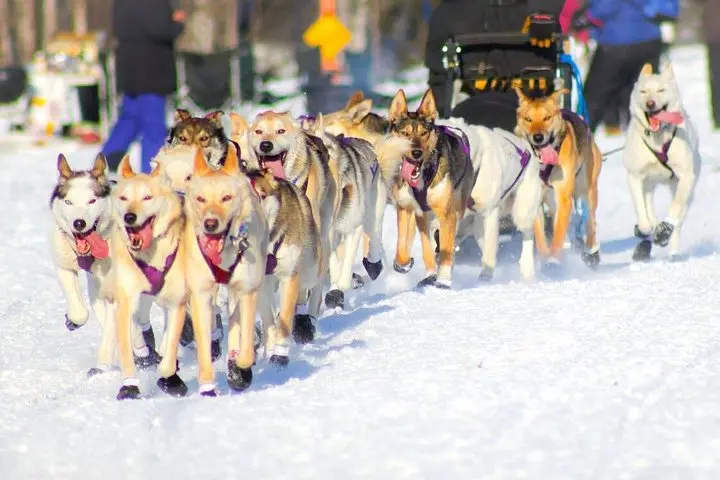 Related story
Compress the classics of Alaskan winter into a single weekend: dog sleds across frozen lakes, a snowmobile backcountry transfer, private cabins and nightly aurora hunts. This is an immersive, comfortable entry into the Iditarod world.
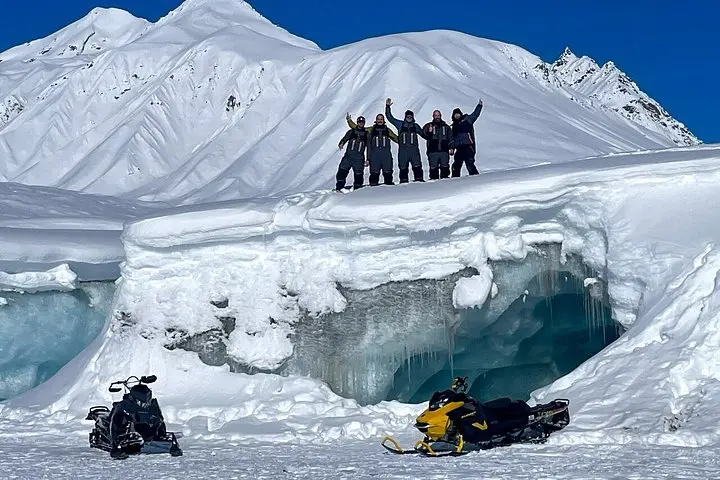 Related story
Three days, guided snowmobiles, and a base at Alpine Creek Lodge—this expedition mixes backcountry thrills with lodge-side comforts as you ride toward the Maclaren Glacier and the raw winter of the Denali Highway.
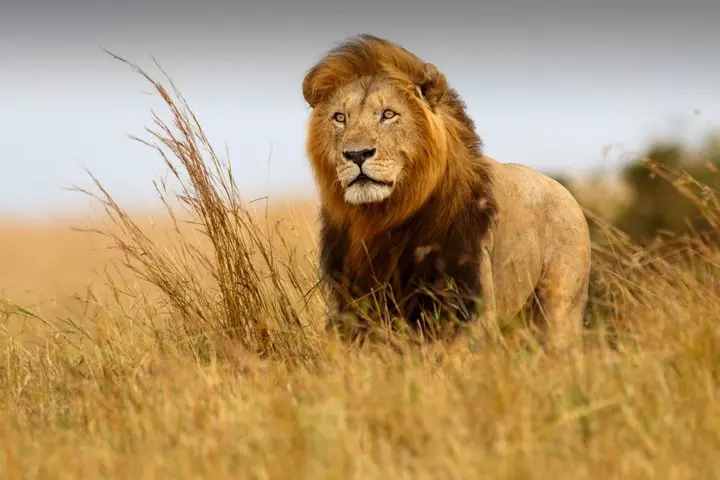 Related story
From Robberg’s wind-scoured cliffs to cave chambers and an open 4x4 game drive, this five-day Garden Route loop packs seaside hikes, whale watching and wine into one efficient, well-paced adventure.