
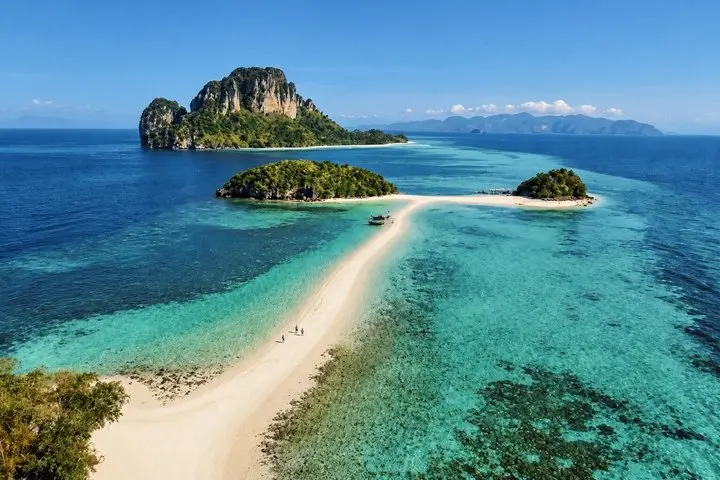
What the day feels like
You feel the boat before you see the islands: a low rumble underfoot, a spray that dares you to breathe slower, and the horizon stepping forward in ragged limestone teeth. By the time the cliffs of Phra Nang peel into view, the Andaman Sea has already made its argument—clear, cold pockets of water, white sand that looks like paper, and cliffs that keep watch like old guards. Whether you choose the quick, adrenaline-sketched line of a speedboat or the slow, storybook rhythm of a longtail, this is a day that moves in chapters: cave-shrines, a chicken-shaped rock, a sandbar that appears and disappears with the tide, and a final, languid beach where a Thai lunch tastes like proof that travel can be both simple and exacting.
The route is compact and civilized: Phra Nang Cave Beach first, then Chicken Island, Tup Island for the sandbar, and Poda Island to close out the afternoon. Each stop is distinct. Phra Nang’s limestone cliffs rise like theater sets; a cave and small shrine tucked into the rock draw steady offerings and quiet curiosity. Chicken Island gets its name honestly—a fluted karst that suggests a bird’s neck and head—a favored photo stop and a reliable place to slip into the water and follow fish through coral fingers. Tup Island is the day’s clever trick: when tides cooperate, a natural sandbar links two islets, and walking it feels like stepping across the seam of the sea. Poda Island is where the group slows down: lunch on the sand, snorkel time, and the small indulgence of doing nothing but float.
Geology here reads like a slow-motion ledger. The karsts are fossilized coral and marine life uplifted over millions of years, sculpted by rain and sea into towers and overhangs. Culturally, these beaches aren’t blank canvases—Phra Nang’s Princess Cave shrine is a living tradition with offerings that tell a local story about fertility and protection. Modern tourism brushes against long-standing fishing communities in Ao Nang and Krabi Town; many operators are second- or third-generation locals who know where the currents are friendly and where the coral needs space.
Practicalities are clean and uncomplicated. The trip is a six-hour outing with hotel transfers included from selected areas—convenient if you’re based in Ao Nang or Krabi Town. The speedboat shaves time and is best when the sea is choppy or when you want more time on the sand. The longtail is quieter and frames the landscape: you’ll hear the engine and the water in a way that feels more atmospheric than efficient. Snorkeling stops are suitable for confident swimmers; guides generally brief guests on basic safety and point out focal reef spots and fish species. Lunch is a prepared Thai meal on Poda Island—simple, fresh, and very welcome after a morning of salt and sun.
Timing matters. Morning trips get you on clearer water and cooler air; the sandbar at Tup Island is a tidal game—low tide reveals the white bridge, high tide erases it. Bring reef-safe sunscreen, a hat, a refillable water bottle, and a lightweight cover-up for the sun and the breeze. If you want to photograph the cliffs, consider a polarizer to cut glare and boost color; an underwater camera or housing is worth renting if you plan to snorkel extensively.
Safety and stewardship go hand in hand. Coral is fragile—the rule is no touching, no standing, and no taking. Use biodegradable sunscreen, avoid single-use plastics, and listen to your guide about where boats can anchor. Local operators are increasingly conscious of reef health; ask about their sustainability practices if that matters to you. Also, check tide charts and sea conditions before you book: the trip runs year-round but the monsoon months make for rougher water and less visibility.
Who will love this day? Families who want a single, well-orchestrated island hop; photographers seeking dramatic karsts and crystalline shallows; any traveler who likes a paced outdoor day with a mix of movement and chill. It’s not a hardcore expedition—this is a curated marine day that trades wild solitude for easy logistics and well-placed scenic highlights.
By the time you’re back at the pier, you’ll carry sand in your sandals and a clearer idea of why the Andaman coast keeps calling people back: a coastline that’s both showy and intimate, limestone cliffs that seem to watch the horizon, and water that alternates between daring and forgiving. It’s a compact, well-ordered escape that leaves room for the spontaneous—an impromptu snorkeling detour, a shared coconut on the boat, a moment of quiet at the foot of a cliff—proof that a six-hour trip can feel like a small, complete journey.
Trail wisdom
Small choices, better day.
Book morning departures
Early trips usually mean calmer seas, better visibility for snorkeling, and smaller crowds at the sandbar.
Wear reef-safe sunscreen
Protect coral and your skin—opt for mineral-based sunscreens and reapply before and after snorkeling.
Choose your boat by mood
Speedboats are faster and better in rough water; longtails are slower and more atmospheric—pick based on comfort and photographic goals.
Bring a waterproof pouch
Keep your phone, cash, and small essentials dry while you swim or during spray from the bow.
Local knowledge
Read the place, not just the route.
Watch for native species including Parrotfish, Green sea turtles (occasional sightings).
Keep an eye out for wildlife during the transition between areas and habitats. Respect distance guidelines.
Coral reefs near the islands are sensitive—use reef-safe sunscreen, avoid anchoring on reefs, and choose operators who follow no-anchor or mooring-buoy practices.
Follow the guide's instructions on size limits, ethical handling, and leave-no-trace practices.
Visit the Princess Cave shrine at Phra Nang (respectful, quiet viewing). Walk the less-crowded western edge of Poda Island for a narrowing of crowds and a different light for photos
Locally recommended viewpoints and quiet spots known best to local operators.
The limestone karsts are ancient uplifted coral and marine deposits; local fishing villages around Krabi have long used these sheltered bays for boats and shelter.
Maritime roots and regional tradition shape the waterways and working coasts.
Seasonal guide
Four versions of the same landscape.
Spring
Best forFewer crowds · Warmer water
ChallengesIncreasing heat · Occasional rain later in season
Spring (March–May) brings warmer temperatures and fewer tourists than peak season—expect hot afternoons and good snorkeling on calmer days.
Summer
Best forLower prices · Lush landscapes
ChallengesMonsoon rains · Rougher seas reducing visibility
Summer (June–September) is wetter: tours run but sea conditions can be rough and visibility for snorkeling drops during heavy rain.
Fall
Best forTransition weather · Evolving marine life
ChallengesUnpredictable storms · Variable visibility
Fall (October–November) is a transition period—early fall can still be stormy, while late fall clears toward the dry season.
Winter
Best forClear water · Cooler air · Calm seas
ChallengesHigher tourist volume · Peak-season prices
Winter (November–March) is ideal: dry, cool mornings and excellent visibility—expect more boat traffic and higher costs.
Operator details
What the booking data adds.
Included
- ✓Travel insurance
- ✓English-speaking tour guide
- ✓Shared speedboat or longtail boat (depending on option selected)
- ✓Bottled water
- ✓Life jacket
- ✓Lunch
- ✓Use of Snorkelling equipment
- ✓Hotel pickup and drop-off (Ao Nang, Krabi Town, Klong Muang and Tubkaek)
- ✓Seasonal fruit
Not included
- —National park fee: adult 200 THB, child 100 THB, paid in cash on the day
- —Personal expenses
Good to know
- ✓Infants are required to sit on an adult’s lap
- ✓Not recommended for travelers with spinal injuries
- ✓Not recommended for pregnant travelers
- ✓Not recommended for travelers with poor cardiovascular health
- ✓Suitable for all physical fitness levels
Pack with intention
What to bring.
Good to know
Common questions.
No—basic swimming comfort is sufficient; guides stay close to snorkeling areas and provide life vests when needed.
Plan the edges
The details that make the day easier.
Phra Nang Cave Beach contains the Princess Cave shrine known locally for fertility offerings, including carved wooden phalluses called 'palad khik'—a long-standing local tradition.
After the trip, head to Ao Nang or Krabi Town for fresh grilled seafood, a Thai coconut shake, or the Krabi Night Market for local snacks and crafts—look for small family-run seafood shacks along the beach road and try a plate of freshly grilled prawns.
- Closest airport
- Krabi International Airport (KBV) ~30–40 minutes to Ao Nang; typical pier: Ao Nang
- Nopparat Thara; driving distance from Ao Nang
- 10–30 minutes to pier depending on hotel; cell service: good on mainland, patchy at some island stops; permits: none required for day trips
The Andaman reefs are vulnerable—use reef-safe sunscreen, avoid touching coral, bring reusable bottles, and choose operators that minimize anchor damage and support local conservation efforts.
Explore by topic
Follow the threads.
Keep exploring
Make the story part of the trip.
 Related story
Compress the classics of Alaskan winter into a single weekend: dog sleds across frozen lakes, a snowmobile backcountry transfer, private cabins and nightly aurora hunts. This is an immersive, comfortable entry into the Iditarod world.
 Related story
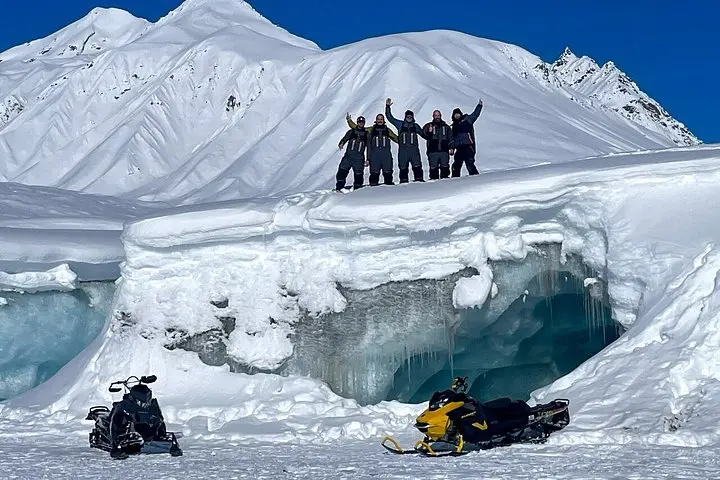
Three days, guided snowmobiles, and a base at Alpine Creek Lodge—this expedition mixes backcountry thrills with lodge-side comforts as you ride toward the Maclaren Glacier and the raw winter of the Denali Highway.
 Related story
From Robberg’s wind-scoured cliffs to cave chambers and an open 4x4 game drive, this five-day Garden Route loop packs seaside hikes, whale watching and wine into one efficient, well-paced adventure.