
What the day feels like
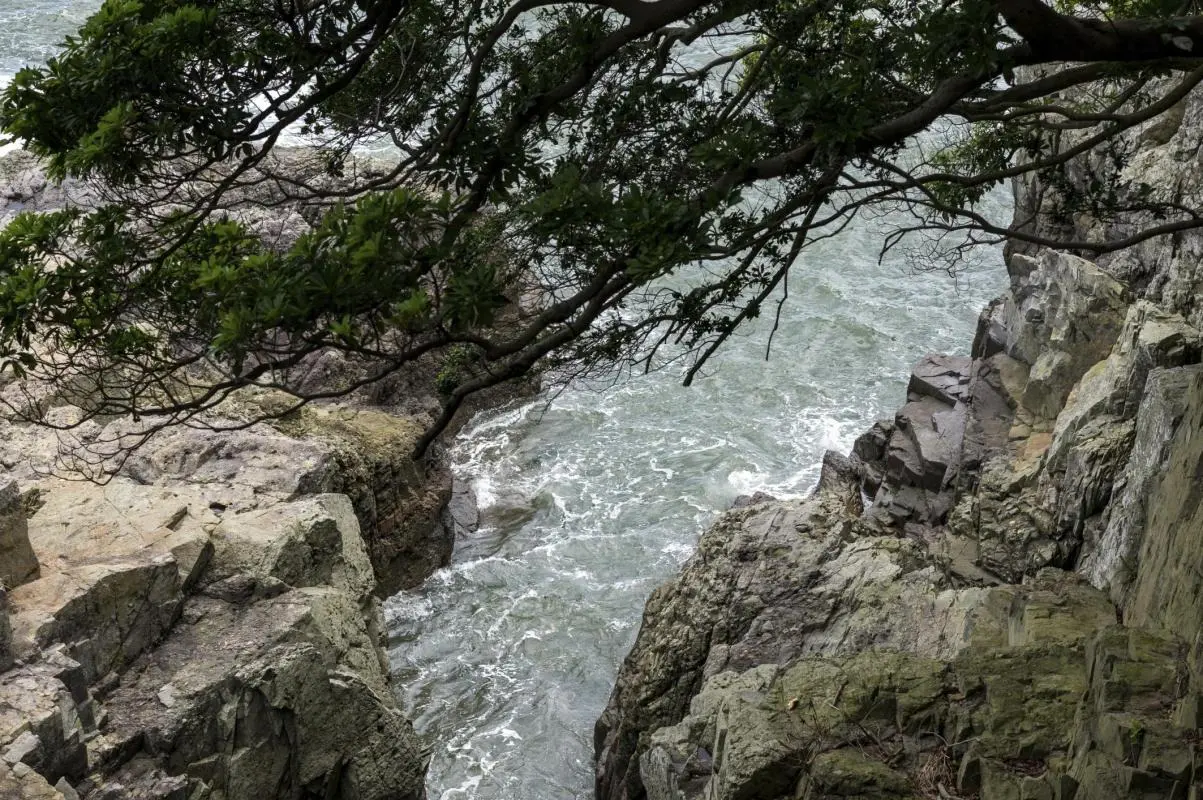
You arrive at Yeosu as the harbor exhales—a low, salt-tinged breeze that pushes gulls in lazy arcs above the water. From the quay a narrow causeway stitches the city to Odongdo Island, a green knot of trails and stone that opens like a private garden against the sea. Camellia trees crowd the slopes, their glossy leaves and winter-to-spring blooms brightening the island’s mossy spine. The lighthouse at the island’s tip watches the water like a quiet sentinel; waves greet the rocks below with the steady rhythm of an old drum, daring you to listen.
Odongdo is small but dense with experience. The main promenade is an approachable walk—paved path, a few stairway cuttings, wooden boardwalk sections—and you can cover the primary circuit in an hour or two at an easy pace. But the island insists on being savored. Benches under flowering camellias invite a pause that often becomes an hour-long conversation with the wind; outlooks framed by granite let you measure the scattering of archipelagos that make up Hallyeohaesang National Park.
Geology here is unassuming: granitic outcrops smoothed by millennia of sea and wind, joints and tide-carved notches that remember higher seas. Those surfaces hold the green; lichens slow the stone’s impatience, and soil has crept into cracks to birth the camellia groves that made Odongdo famous. The island has been part of coastal life for centuries—fisher folk, merchant mariners, and poets have all used these headlands as reference points. During the Joseon era, Yeosu’s natural harbor and nearby islands factored into naval strategy; today, the legacy lives in coastal museums and memorials around the city.
Culture and cuisine in Yeosu are inseparable from the sea. A short walk from Odongdo’s entrance takes you to seafood stalls where hoe (thinly sliced raw fish) and grilled mackerel make for a restorative post-hike meal. The city’s modern revival after the 2012 Expo is most visible in the Yeosu Maritime Cable Car that arcs toward Dolsan Park—an aerial counterpart to Odongdo’s grounded garden views.
For travelers, Odongdo offers a compact, low‑barrier outdoor experience with high sensory return. Walkers will find easy loops, a handful of viewpoints, and botanical signage identifying camellias, pines, and coastal shrubs. Photography enthusiasts can linger for golden-hour portraits of the lighthouse or macro studies of camellia petals. Families appreciate the short, safe route and picnic spots; day-trippers from Busan or Gwangju often include Odongdo on curated private tours of the southern coast.
Practical guidance: the island is linked to Yeosu by a well-maintained causeway and boardwalk; plan on 1–2 hours for the island circuit, longer if you stop for photos, cafés, or a picnic. The paths are paved but include intermittent stairs—comfortable footwear with good tread is the easiest way to enjoy the entire loop. Restrooms and small cafés sit near the island entry; food vendors cluster around the harbor in Yeosu itself. If you’re timing camellia blooms, late winter to early spring offers the most concentrated display, but Odongdo’s pines and coastal light are worth visiting year-round.
Safety and seasonality are straightforward: summer brings humidity and stronger sun; winter brings crisp air and a quieter island. Rain can make coastal rocks and boardwalks slick, so check weather forecasts before you head out. Public transit and private day tours routinely include Odongdo as part of Yeosu itineraries—book ahead during holiday weekends or national holidays, when the island fills with locals and tour groups.
Why go? Odongdo is a small-scale antidote to the sprawling national parks: it’s a place where the coast, culture, and quiet intersect within a single, walkable loop. It’s a fine first day in Yeosu—pair it with a harbor-side seafood dinner and an evening stroll to the light displays that often animate the city’s promenade. For travelers who want a coastal day that’s equal parts landscape and low-effort discovery, Odongdo delivers a concentrated taste of Korea’s southern maritime character.
Tours that include Odongdo range from private day trips from Busan to multi-day Western Korea itineraries that string together Jeonju, Suncheon, and Yeosu, offering a convenient way to see regional highlights without worrying about logistics. Whether you arrive by guided tour or independently, plan for a slower pace here. The island’s main talent is its ability to make you slow down and register details—the rough grain of the lighthouse stone, the way a camellia petal collects seawater, the distant hum of ferry traffic.
If you’re a photographer, aim for early morning or late afternoon light; the low sun sculpts the granite and highlights the camellia’s saturated reds and blushes. If you’re a hiker, you’ll appreciate the island’s compactness: sections of gravel track, boardwalk, and steps that demand attention but not endurance. If you’re a food traveler, pair your walk with a visit to a nearby fish-market stall for hoe, grilled clams, or the region’s hallmark anchovy dishes.
Odongdo doesn’t pretend to be a wilderness challenge. It is instead an island of detail: botanical curiosity, coastal geology, and a seaside civic life that frames Yeosu. Walk its paths with respect—stick to trails, pick up your trash, and leave the camellias for the next visitor to enjoy. In return, you’ll leave with an uncomplicated, memorable day by the water: salt on your jacket, petals in your hair, and the kind of quiet view that invites a second cup of coffee and a longer stay in town.
Trail wisdom
Small choices, better day.
Start early for quiet light
Arrive at opening hours or early morning to avoid tour groups and capture the best light on the lighthouse and camellias.
Grip the boardwalk
Wear shoes with good tread—boardwalks and granite steps can be slick after rain or morning spray.
Pack water and a small snack
There are cafés near the entrance—but water and a light snack keep you flexible for spontaneous viewpoints.
Respect the plants
Stay on paths and don’t pick camellia flowers; the island’s botanic character depends on preservation.
Local knowledge
Read the place, not just the route.
Watch for native species including Black-tailed gulls, coastal crabs and shorebirds.
Keep an eye out for wildlife during the transition between areas and habitats. Respect distance guidelines.
The island’s botanical character relies on trail stewardship and visitor restraint; staying on designated paths helps protect root systems and nesting shorebirds.
Follow the guide's instructions on size limits, ethical handling, and leave-no-trace practices.
Lesser-known lookout near the eastern cove for quiet harbor views. Small botanical plaques identifying camellia varieties along the inner path
Locally recommended viewpoints and quiet spots known best to local operators.
Odongdo has long been part of Yeosu’s maritime landscape and is included in the broader Hallyeohaesang National Park region, linking it to centuries of coastal life and navigation.
Maritime roots and regional tradition shape the waterways and working coasts.
Seasonal guide
Four versions of the same landscape.
Spring
Best forcamellia blooms · mild hiking · photography
Challengeslate-season rain showers · crowds on weekends
Late winter into early spring showcases camellia blooms and comfortable temperatures—expect more visitors on weekends.
Summer
Best forlush greenery · evening walks · marine views
Challengeshigh humidity · intense sun
Summer is vibrant but hot; go early or in the evening and plan for sun protection and hydration.
Fall
Best forclear coastal skies · cooler hikes · less humidity
Challengesshorter daylight hours · occasional storms
Autumn brings crisp air and clear views—ideal for longer strolls and photographing the archipelago.
Winter
Best forquiet walks · winter camellia blooms · low crowds
Challengescold winds · fewer open vendors
Winter can be chilly but peaceful, with camellias still providing color and far fewer tourists.
Pack with intention
What to bring.
Good to know
Common questions.
Most visitors complete the main loop in 1–2 hours, allowing extra time for photos and breaks.
Plan the edges
The details that make the day easier.
Odongdo is famous for its camellia groves and is part of the coastal Hallyeohaesang National Park, drawing visitors for its winter-to-spring blooms.
Yeosu is a seafood city—try hoe (raw fish) and grilled anchovies after your walk; local cafés often serve teas paired with camellia-themed sweets during bloom season.
- Access
- linked causeway from Yeosu harbor; Duration: 1–2 hours; Difficulty: easy; Facilities: restrooms and cafés near entrance; Peak times: weekends and national holidays.
Stick to marked paths, carry out trash, and avoid picking flowers—small acts preserve Odongdo’s botanical and coastal habitats for future visitors.
Explore by topic
Follow the threads.
Keep exploring
Make the story part of the trip.
 Related story
Compress the classics of Alaskan winter into a single weekend: dog sleds across frozen lakes, a snowmobile backcountry transfer, private cabins and nightly aurora hunts. This is an immersive, comfortable entry into the Iditarod world.
 Related story
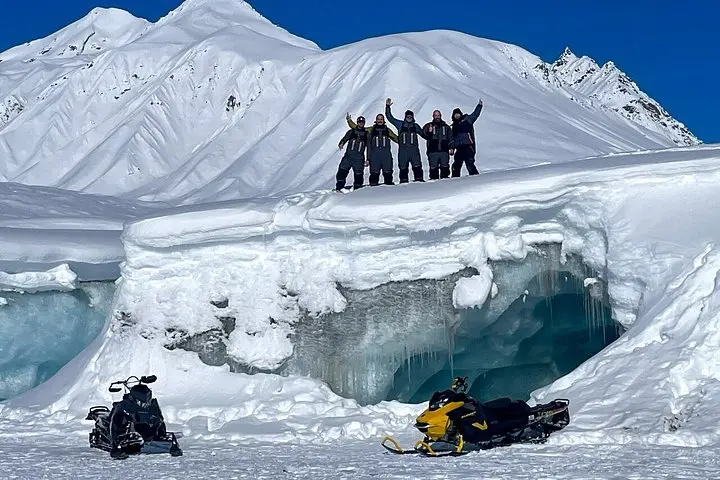
Three days, guided snowmobiles, and a base at Alpine Creek Lodge—this expedition mixes backcountry thrills with lodge-side comforts as you ride toward the Maclaren Glacier and the raw winter of the Denali Highway.
 Related story
From Robberg’s wind-scoured cliffs to cave chambers and an open 4x4 game drive, this five-day Garden Route loop packs seaside hikes, whale watching and wine into one efficient, well-paced adventure.