
What the day feels like
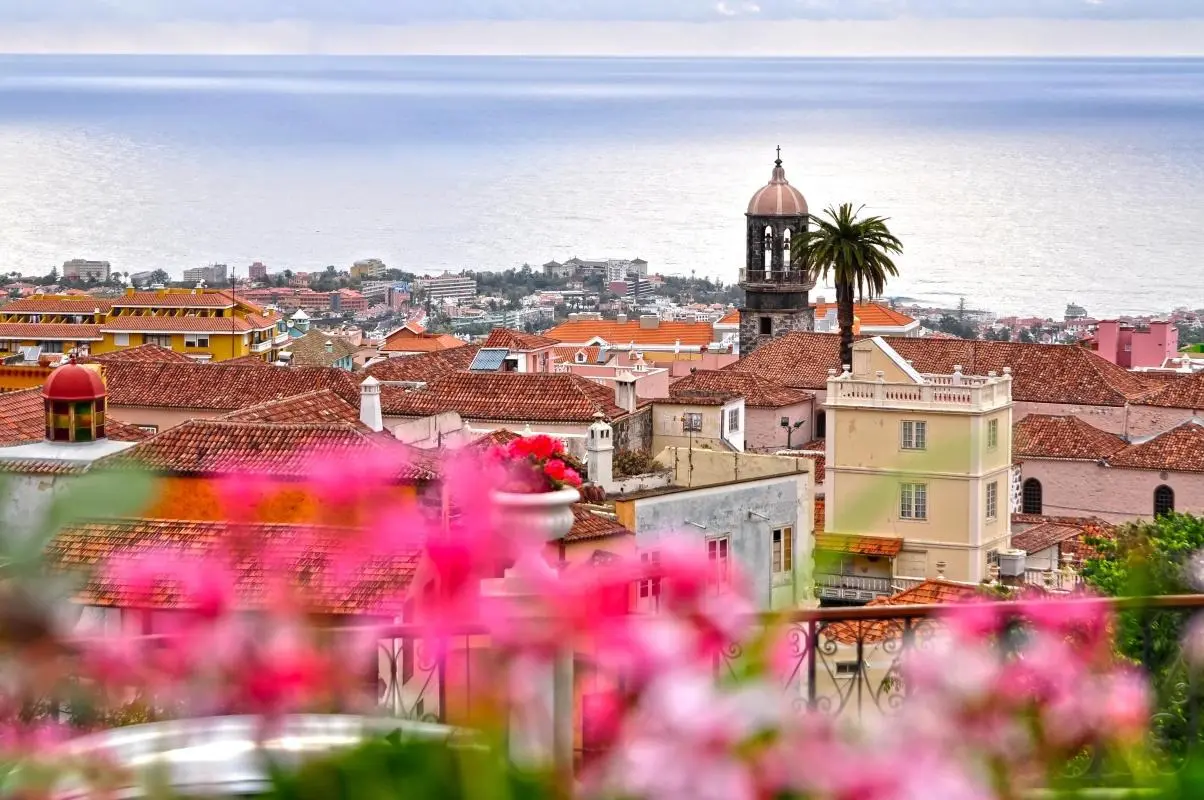
You climb out of the taxi and the world seems to tilt. Down below, the town unfurls—red-tiled roofs, clipped laurel hedges and the geometric order of terraced fields—while above, the long shoulder of Teide presses into the sky like a smoldering sentinel. La Orotava Valley is a place of vertical contradictions: fertile, green valleys carved from volcanic debris; historic towns that breathe the slow rhythms of island agriculture; and highland roads that curl upward into lunar vistas. Nature here is not passive. The valley’s slopes dare you to look closer, and the Atlantic wind pushes you toward the next viewpoint.
Start in the town of La Orotava itself—a compact, century-layered place of carved wooden balconies and baroque churches—then let the landscape take over. The valley is a natural amphitheater that catches clouds and funnels cool air down into plantations of vines, bananas and avocado. The soil is volcanic and stubbornly fertile; terraces and stone walls, many of them dating back hundreds of years, hold crops and memory in equal measure. From the rim the eye runs out over the Atlantic; the island’s volcanic backbone continues inland toward the crown jewel: Teide National Park, which tops out at 3,715 meters.
Geology is the island’s invisible narrator. La Orotava sits where lava flows, pyroclastic fields and later erosion have combined to make a patchwork of soils and microclimates. The Corona Forestal, a green collar of Canary pines, climbs the slopes and gives way to a high-altitude world of lava cones and collapsed craters. The contrast between cultivated valley and stark highland is dramatic—and what makes the region so ripe for varied day trips.
For active travelers the valley is an ideal base. A half-day road-bike tour from Puerto de la Cruz climbs 7 kilometers to the Humboldt Observatory plateau, offering a compact taste of the island’s steep grades—the full loop runs about 45 km and climbs some 1,000 meters. It’s the perfect introduction for riders wanting to feel what 5–15% gradients do to legs and lungs without committing to a full Teide ascent. For travelers who prefer to move at a slower, sensory pace, private guided drives pair local geology with history. Several operators offer tours combining Teide, the valley and northern vineyards—some end with a multi-course tasting menu that explains how volcanic minerals and altitude sculpt Canary Island wines.
Add a Masca Valley day trip and you’ve got cinematic village scenes and cliffside switchbacks—Masca is one of those villages that seems designed to test vertigo and admiration in equal measure. Nearby Icod de los Vinos holds the dragon tree (Dracaena draco), ancient and gnarled, a living landmark that stops buses and camera shutters.
Practical edges matter here. Altitude can change the rules in a single afternoon—temperatures drop and sunlight becomes harsh. Roads climb quickly from humid valley floors to wind-struck summits. If you’re cycling, plan your ride with sun, wind and descent in mind; if you’re touring by car, leave space in your itinerary to step out at viewpoints rather than sprinting between photo ops.
Where to start: base yourself in Puerto de la Cruz or La Orotava, and book a guided day that matches your appetite—geology-focused private tours will point out pillow lavas, dikes and how Teide’s eruptions shaped present-day agriculture. For a food-forward day, a private Mount Teide and Tenerife North tour that finishes with a five-course tasting menu or a wine-paired lunch in El Sauzal turns the volcanic story into a meal.
Timing and logistics: mornings in the valley are often the most forgiving—cooler air, calmer winds, and clearer light for photos. Schedule highland visits for midday through afternoon when clouds rise and Teide’s lunar fields are most dramatic. If you’re prone to altitude sensitivity, keep highland time limited the first day and hydrate deliberately. Pack layers, sun protection and good footwear even if you don’t plan to hike; volcanic scree can surprise you.
Why go now? La Orotava Valley offers a layered travel experience: active routes for cyclists and walkers, cultural depth in town centers, and culinary terrain that ties the land to the table. The valley is a compact way to experience Tenerife’s geological extremes without the logistical complexity of an overnight mountain stay. Whether you’re chasing high-elevation panoramas from the Humboldt plateau, tasting wines born from volcanic ash, or standing beneath an ancient dragon tree, La Orotava rewards travelers who want the outdoors with context—history, geology and human scale.
On a practical note, local guides are both storytellers and safety nets. A geologist-guide makes the volcanic history come alive and points out features you’d otherwise miss; a cycling guide keeps routes efficient and safe. Both save time, and both make the valley feel less like a map and more like a place that talks back when you listen.
You’ll leave La Orotava with a sense of vertical rhythm—the slow work of terraces, the abrupt sentence of cliffs, the long breath of open sky above Teide. This valley doesn’t demand pilgrimage; it invites curiosity. And when you answer, it gives you the context to understand not just what you’re seeing, but why the landscape looks and tastes the way it does.
Trail wisdom
Small choices, better day.
Layer for altitude swings
Temperatures can drop rapidly as you ascend to Teide; bring a warm mid-layer and wind shell even on sunny mornings.
Hydrate for altitude
Drink consistently before and during highland visits—altitude and wind increase dehydration risk.
Choose the right footwear
Sturdy shoes with grip help on cobbled streets and loose volcanic scree at viewpoints.
Book guided options in advance
Small private tours and wine tastings can fill fast, especially in high season—reserve ahead to secure the best guides.
Local knowledge
Read the place, not just the route.
Watch for native species including Tenerife blue chaffinch (in high pine forests), Canary Island lizard (Gallotia galloti).
Keep an eye out for wildlife during the transition between areas and habitats. Respect distance guidelines.
Teide National Park and surrounding protected zones limit development—stay on trails, respect signage and support local guides who follow conservation rules.
Follow the guide's instructions on size limits, ethical handling, and leave-no-trace practices.
Humboldt viewpoint plateau for sunrise panoramas. Casa de los Balcones and its courtyard for local craft and architecture
Locally recommended viewpoints and quiet spots known best to local operators.
The valley’s terraces and manor houses reflect centuries of agricultural tradition and Canarian architecture, with La Orotava town preserving many historic balconies and plazas.
Maritime roots and regional tradition shape the waterways and working coasts.
Seasonal guide
Four versions of the same landscape.
Spring
Best forWildflower displays · Cycling and road rides · Clear highland days
ChallengesUnpredictable showers at higher elevations · Cool nights
Spring brings mild temperatures and blooming terraces—excellent for cycling and clear views from the Humboldt plateau.
Summer
Best forLong daylight hours · Highland panoramas · Late-evening dining outdoors
ChallengesHotter valley floors · Strong midday sun
Summer offers long days and warm sea breezes, but protect against intense sun at lower elevations and plan strenuous activity for morning.
Fall
Best forWine harvesting events · Stable weather · Quieter trails
ChallengesOccasional Atlantic storms · Shortening daylight
Autumn balances warm days with fewer tourists and is ideal for food- and wine-focused tours in the north.
Winter
Best forSnow-capped Teide photos · Fewer crowds in towns · Stormy coastal contrasts
ChallengesCold highland temperatures · Possible road closures from snow or wind
Winter can bring snow on Teide and brisk winds—spectacular for photographers but requires warm layers and flexible plans.
Pack with intention
What to bring.
Good to know
Common questions.
From Tenerife North Airport (TFN) it's about a 20–30 minute drive to La Orotava; from Tenerife South Airport plan on 60–90 minutes—renting a car or booking a private transfer is the most efficient option.
Plan the edges
The details that make the day easier.
Teide National Park, which forms the highland backdrop to La Orotava Valley, was designated a UNESCO World Heritage Site in 2007 for its geological significance.
Canarian cuisine pairs island produce with volcanic terroir—try papas arrugadas with mojo, local cheeses and wines from El Sauzal; La Orotava’s cafés and tapas bars connect culinary traditions with agricultural roots.
- Nearest airport
- Tenerife North (TFN) ~20–30 min; best base towns: Puerto de la Cruz or La Orotava; reserve private tours for tailored itineraries; expect rapid temperature shifts and limited highland services.
Choose local guides, stay on marked paths and avoid collecting plants or rocks; supporting small, locally run wineries and restaurants helps preserve valley agriculture and culture.
Explore by topic
Follow the threads.
Keep exploring
Make the story part of the trip.
 Related story
Compress the classics of Alaskan winter into a single weekend: dog sleds across frozen lakes, a snowmobile backcountry transfer, private cabins and nightly aurora hunts. This is an immersive, comfortable entry into the Iditarod world.
 Related story
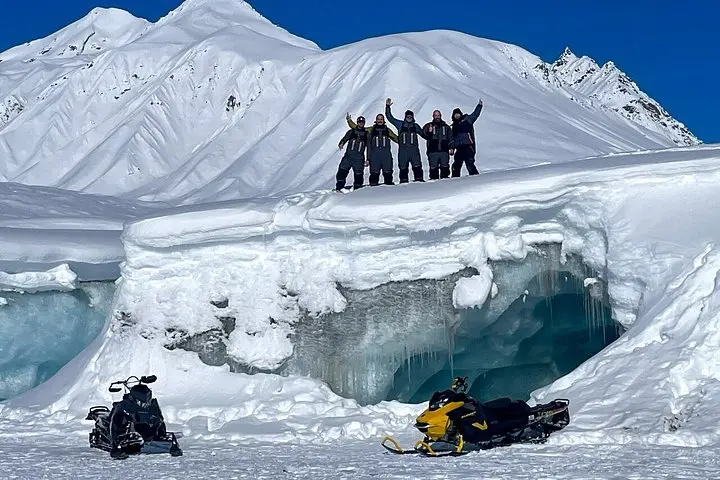
Three days, guided snowmobiles, and a base at Alpine Creek Lodge—this expedition mixes backcountry thrills with lodge-side comforts as you ride toward the Maclaren Glacier and the raw winter of the Denali Highway.
 Related story
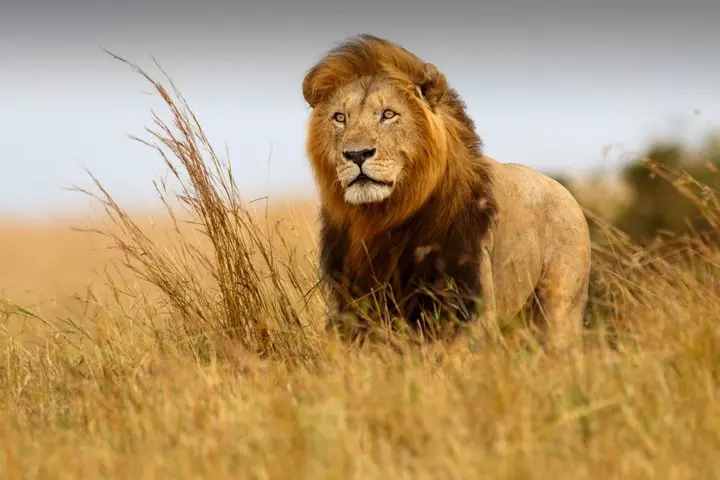
From Robberg’s wind-scoured cliffs to cave chambers and an open 4x4 game drive, this five-day Garden Route loop packs seaside hikes, whale watching and wine into one efficient, well-paced adventure.